
 한국어
한국어 English
 日本語
日本語 中文(简体)
Dosage form image
Viewing nowCombinationLobaex Tablet 20/80 mg
Rosuvastatin Calcium 20.8mg · Valsartan 80mg
Tablet · Prescription medication · Combination
Teragen Etex Co., Ltd.
MFDS item code 202006068 · Approved 2020.08.28
This product's status changed to Expired on 2025.08.28. It may no longer be sold, so consult a doctor or pharmacist before taking it.
(Treatment of hypertension, heart failure) and improvement of hypercholesterolemia and reduction of cardiovascular disease risk
This medication is used for patients who need to administer both valsartan and rosuvastatin simultaneously. Valsartan is effective in reducing the risks of essential hypertension, heart failure, and post-myocardial infarction mortality. It is particularly prescribed for heart failure patients intolerant to ACE inhibitors. Meanwhile, rosuvastatin helps treat hypercholesterolemia and various forms of dyslipidemia, delays the progression of atherosclerosis, and is used to reduce the risk associated with cardiovascular diseases. This combination of ingredients is effective in the management and prevention of cardiovascular diseases such as hypertension and hyperlipidemia.
Administered to adults only, and the dosage will be individualized based on the efficacy and tolerability of each ingredient, valsartan and rosuvastatin. ◆ Valsartan 1. Essential Hypertension - It is recommended to be taken orally once daily at 80 mg. - If blood pressure control is difficult, the dose may be increased to 160 mg once daily, or a diuretic may be added, with a maximum dose of 320 mg per day. - Elderly patients (aged 75 and over) can start at 40 mg once daily allowing for adjustments thereafter.
Safety and efficacy have not been established in children and adolescents under 18 years of age, so it is not administered.
This medication can cause serious harm to the fetus and newborn if taken during pregnancy, so it must be stopped immediately upon confirmation of pregnancy. It is contraindicated in patients with hypersensitivity to this medication or severe liver disease, renal failure, or myopathy. Women of childbearing potential should use appropriate contraception and those with a low likelihood of pregnancy should be made fully aware of the risks before use. Certain patient groups such as the elderly, patients with hyperkalemia, and liver disease should use this medication cautiously and undergo regular tests for liver function and kidney function during treatment. This medication can cause severe muscle-related adverse reactions like myalgia or myopathy, rarely rhabdomyolysis, so symptoms like myalgia, weakness, or cramps should be reported to a physician immediately. There may be instances of rapid hypotension, and if symptoms of dizziness or fainting occur, immediate consultation with healthcare professionals is necessary. This medication may interact with other antihypertensives, diuretics, potassium-sparing diuretics, so if there are other medications being taken, inform the physician or pharmacist. Interstitial lung disease, liver failure, serious skin reactions have been reported rarely, so if abnormal symptoms occur, stop using the medication and consult healthcare professionals immediately. Pregnant or nursing women should not take this medicine, and if pregnancy is confirmed during use, it should be stopped immediately. Safety and efficacy have not been established in children and adolescents under 18 years of age, so it is advisable not to use it. In case of overdosing, as there is no specific antidote, visit a medical facility immediately for appropriate treatment, as symptoms of decreased blood pressure or altered consciousness may occur. Keep out of reach of children and do not transfer to other containers for safety.
Hives, severe swelling (edema), chest tightness, difficulty breathing, cold sweat, pallor, severe rash with high fever, blisters, mucosal pain of mouth/eyes, difficulty or shortness of breath, asthma attacks, respiratory abnormalities accompanied by cough and fever, jaundice (yellowing of skin or eyes), general lethargy, sudden and very severe headache, thunderclap headache, seizures, altered consciousness, visual disturbances, paralysis, urination.
Dyspepsia, nausea, chest discomfort, dizziness, headache, conjunctival hemorrhage, constipation, weakness, chest pain, facial edema, peripheral edema, nasopharyngitis, urinary tract infection, bruising, increased serum transaminase levels (AST, ALT), increased serum creatine phosphokinase, increased serum potassium, increased gamma-glutamyl transferase, musculoskeletal stiffness, limb pain, sensory impairment, anxiety, upper respiratory infection, pharyngitis, tonsillitis,
Not everyone experiences these, and they can vary from person to person.
This medication should be stored in a light-proof container as it is sensitive to light. Furthermore, it should be kept at room temperature between 1°C and 30°C to maintain its efficacy and safety.
Brown round film-coated tablet
30 tablets/box [(10 tablets/PTP) x 3]
Even with the same ingredient, strength, dosage form and how it is taken can differ.
Rosuvastatin Calcium 20.8mg · Valsartan 80mg
Tablet · Prescription medication · Combination
Teragen Etex Co., Ltd.
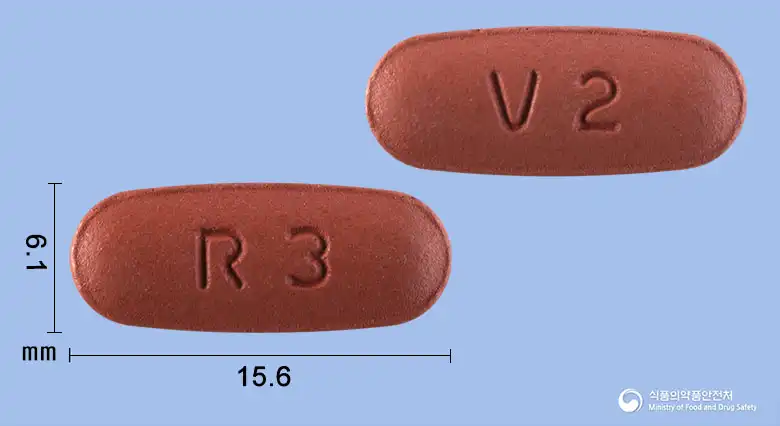 Combination
Rosuvastatin Calcium 20.8mg · Valsartan 160mg
Tablet · Prescription medication · Combination
Dongkwang Pharmaceutical Co., Ltd.
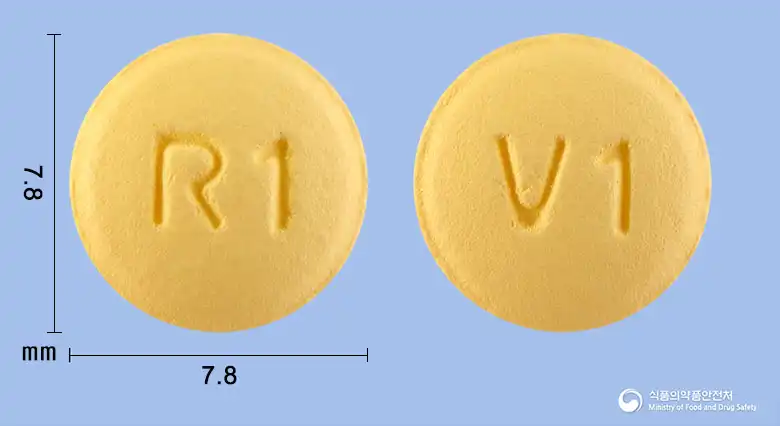 Combination
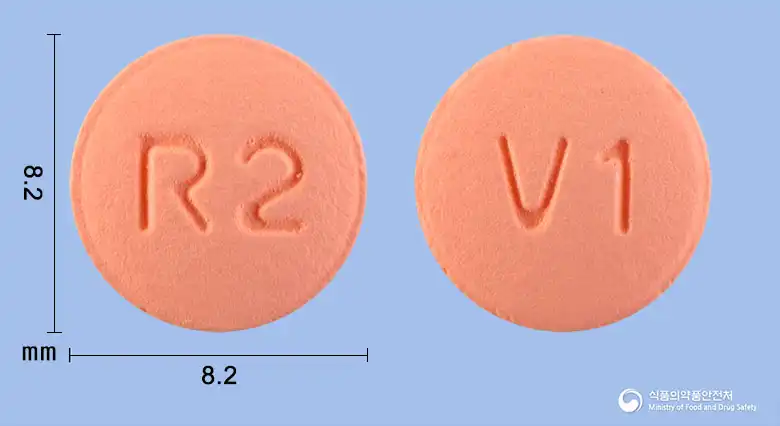
Rosuvastatin Calcium 5.2mg · Valsartan 80mg
Tablet · Prescription medication · Combination
Dongkwang Pharmaceutical Co., Ltd.
 Combination
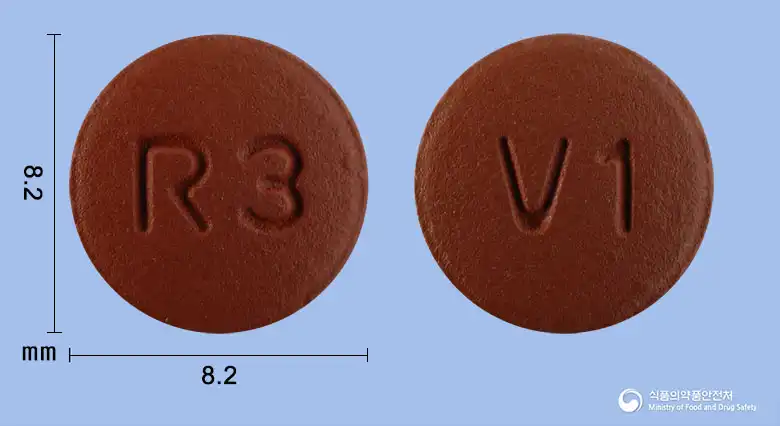
Rosuvastatin Calcium 20.8mg · Valsartan 80mg
Tablet · Prescription medication · Combination
Dongkwang Pharmaceutical Co., Ltd.
 Combination
Rosuvastatin Calcium 10.4mg · Valsartan 80mg
Tablet · Prescription medication · Combination
Dongkwang Pharmaceutical Co., Ltd.
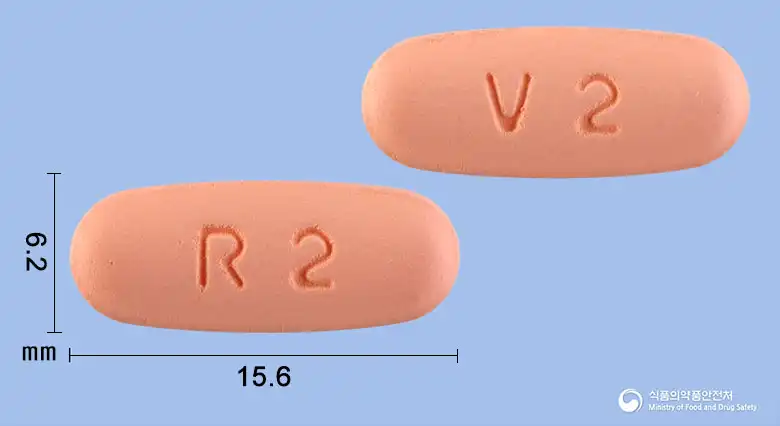 Combination
Rosuvastatin Calcium 10.4mg · Valsartan 160mg
Tablet · Prescription medication · Combination
Dongkwang Pharmaceutical Co., Ltd.
Rosuvastatin Calcium 20.8mg · Valsartan 160mg
Tablet · Prescription medication · Combination
Medika Korea Co., Ltd.
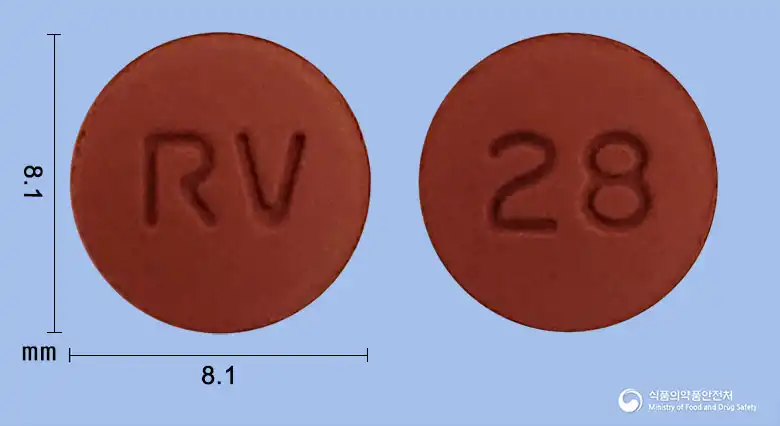 Combination
Rosuvastatin Calcium 20.8mg · Valsartan 80mg
Tablet · Prescription medication · Combination
Medica Korea Co., Ltd.
Even with the same ingredient, the dose and directions can differ by strength and dosage form. Talk to a doctor or pharmacist before switching from a medication you are already taking.
No questions yet.
For anything that needs medical judgment, consult a doctor or pharmacist.
This drug information is based on data provided by the Korea Ministry of Food and Drug Safety.
Consult a doctor or pharmacist for accurate dosage, administration, and usage instructions.