
 한국어
한국어 English
 日本語
日本語 中文(简体)
Dosage form image
Viewing nowRabeprazole Sodium Tablet 10 mg
Rabeprazole Sodium 10mg
Tablet · Prescription medication
The U Pharmaceutical Co., Ltd.
MFDS item code 202005679 · Approved 2020.08.05
This product's status changed to Approval withdrawn on 2025.03.13. It may no longer be sold, so consult a doctor or pharmacist before taking it.
Improvement of gastrointestinal diseases such as treatment of gastric and duodenal ulcers, relief of gastroesophageal reflux disease symptoms.
This medication is used to treat gastric ulcers and duodenal ulcers. Additionally, it is effective in relieving symptoms of erosive and ulcerative gastroesophageal reflux disease and for long-term maintenance treatment. For patients with gastrointestinal ulcers infected with Helicobacter pylori, it is treated in combination with antibiotics. It is also used for Zollinger-Ellison syndrome to control gastric acid secretion. This medication helps in the treatment and symptom relief of various gastrointestinal disorders.
Gastric ulcers, duodenal ulcers: Typically, 10 mg is administered orally once daily, and may be increased to 20 mg once daily depending on symptomatology. Treatment duration is up to 8 weeks for gastric ulcers and up to 6 weeks for duodenal ulcers. Erosive or ulcerative gastroesophageal reflux disease: Administer 10 mg or 20 mg once daily for 4-8 weeks; if necessary, for 8 weeks, 10 mg or 20 mg can be taken twice daily orally. Gastroesophageal reflux disease symptom relief: Administer 10 mg once daily. If symptoms are not controlled after 4 weeks, further evaluation is required. After symptom resolution, on-demand therapy with 10 mg once daily may be used for subsequent symptoms. Long-term maintenance therapy for gastroesophageal reflux disease: Patients may take 10 mg or 20 mg orally daily, depending on individual needs. Helicobacter pylori eradication: In patients infected with Helicobacter pylori, eradication therapy is required. It is recommended to administer this drug at 20 mg, clarithromycin at 500 mg, and amoxicillin at 1 g twice a day for 7 days. Zollinger-Ellison syndrome: The recommended initial dose for adults is 60 mg once daily. The dose can be adjusted up to 120 mg daily depending on the individual patient’s needs. Doses up to 100 mg can be given once daily, while 120 mg should be divided into two doses of 60 mg each. Experience has been noted where Zollinger-Ellison syndrome patients have been treated with this medication for up to 1 year. ◦ Hepatic impairment patients: Adverse reactions of hepatic encephalopathy have been reported in cirrhotic patients. Therefore, it should be administered with caution. ◦ Children: Safety in children has not been established. ◦ Elderly: Use with caution as hepatic function is often impaired.
This medication should not be administered to patients with specific allergic reactions. It should especially not be used in patients who have had hypersensitivity to this drug or its ingredients, or to benzimidazole derivatives. Furthermore, if combined with amoxicillin or clarithromycin for the eradication of Helicobacter pylori, patients allergic to these antibiotics should not use this medication. It is also safe to avoid this medication in patients taking heart-related medications or certain antiviral agents (atazanavir, rilpivirine) during pregnancy and lactation. Caution is needed for patients with liver impairment and the elderly, and those with a history of drug allergies should also be careful. If allergy symptoms such as skin rash, itching, or urticaria appear during use of this medication, it should be discontinued immediately. Regular monitoring is required as blood tests may show abnormalities in red or white blood cell counts and elevated liver function markers. Symptoms related to the cardiovascular system may include hypertension, palpitations, and arrhythmia, so any unusual symptoms should be reported to a healthcare professional. In the gastrointestinal tract, various symptoms such as diarrhea, abdominal pain, nausea, and vomiting may occur, and rarely severe problems such as hepatitis or pancreatitis may develop. Psychoneurological symptoms reported include headaches, insomnia, dizziness, and depression, with rare occurrences of confusion or memory loss. Respiratory symptoms such as cough, dyspnea, and asthma may occur, and caution should be exercised. Muscle pain, joint pain, skin rashes, hair loss, and rarely severe skin diseases may occur. Ophthalmic side effects reported include visual disturbances, tinnitus, and dry eyes. Genitourinary symptoms such as difficulty urinating, hematuria, and nephritis may occur, so immediate consultation with a healthcare professional is needed if any unusual symptoms present. This medication strongly suppresses gastric acid secretion, and long-term use may increase the risk of osteoporosis and may cause hypomagnesemia, thus regular monitoring of serum magnesium levels is necessary. Also, due to decreased gastric acid, there may be a slight increase in the risk of bacterial infections in the gastrointestinal tract, so if diarrhea persists, inform a healthcare professional. Caution is required when driving or operating machinery due to the risk of accidents from drowsiness. This drug may interact with certain medications; therefore, inform the healthcare professional if taking any other medications. Women who are pregnant or nursing should not use this medication, and its safety in children has not been established. Do not chew or crush the tablets, and swallow them whole, keeping them out of reach of children. In case of overdose, there is no specific antidote, thus symptomatic treatment and supportive therapy are required. If any unusual symptoms occur during treatment, it is important to consult a physician immediately for appropriate action.
Urticaria, severe swelling, chest tightness, difficulty breathing, headache, confusion, visual disturbances, paralysis, jaundice, general malaise, severe rash, blisters, skin peeling, mucosal pain in the mouth/eyes, asthma attack, respiratory distress associated with cough and fever, marked reduction in urine output, severe generalized swelling and elevated blood pressure, anaphylaxis, shock, angioedema, acute interstitial nephritis, hepatic encephalopathy, deep vein thrombosis, QT prolongation, ventricular
Not everyone experiences these, and they can vary from person to person.
This medication should be stored in a tightly closed container to protect it from exposure to air or moisture. It is important to keep the storage temperature between 1°C and 30°C at room temperature.
Pale yellow round enteric-coated tablet
28 tablets/box [14 tablets/Alu-Alu x 2]
Even with the same ingredient, strength, dosage form and how it is taken can differ.
Rabeprazole Sodium 10mg
Tablet · Prescription medication
The U Pharmaceutical Co., Ltd.
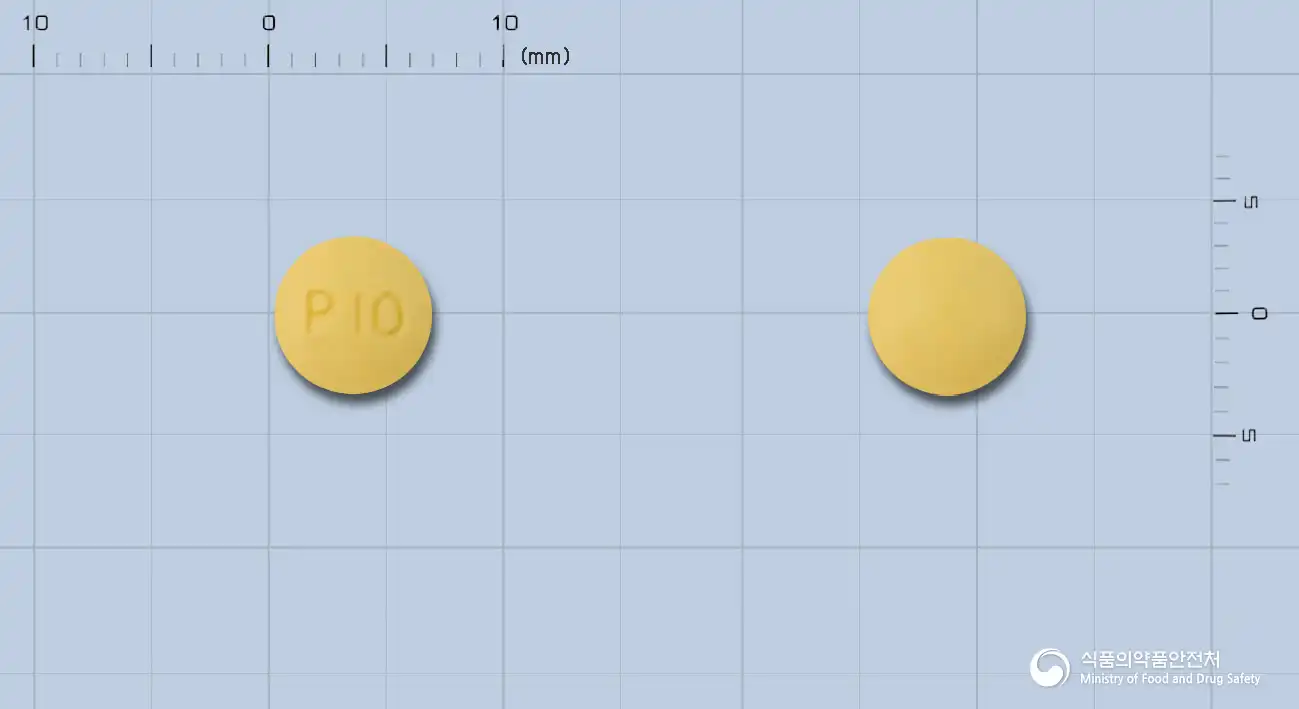
Rabeprazole Sodium 10mg
Tablet · Prescription medication
Genewon Sciences Co., Ltd.
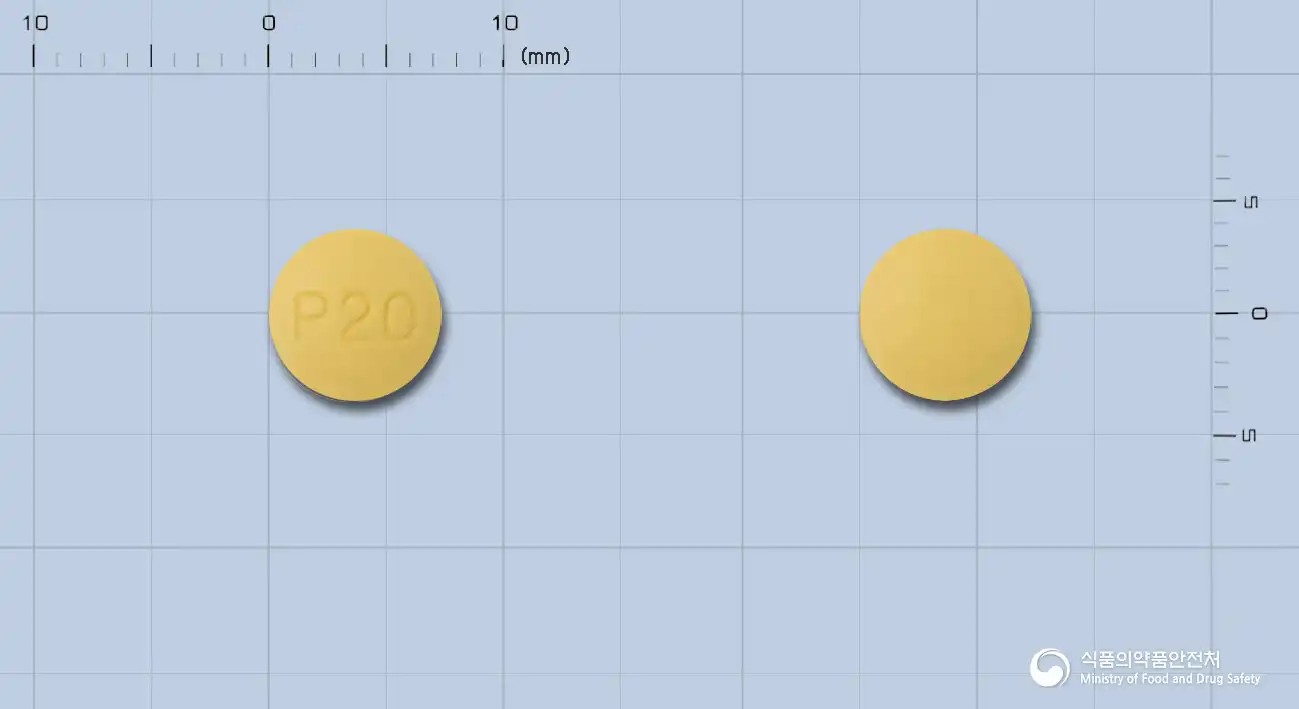
Rabeprazole Sodium 20mg
Tablet · Prescription medication
Genewell Science Co., Ltd.
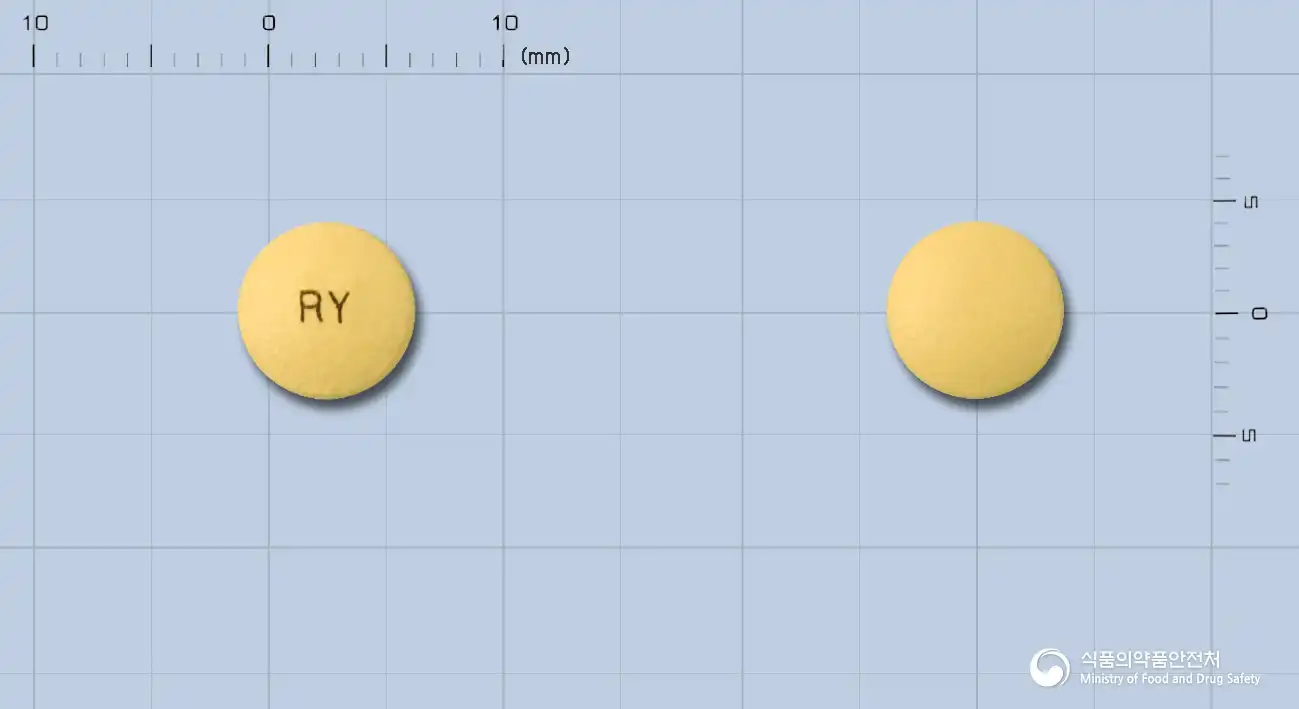
Rabeprazole Sodium 20mg
Tablet · Prescription medication
Ilyun Pharmaceutical Co., Ltd.

Rabeprazole Sodium 10mg
Tablet · Prescription medication
Shinpoong Pharm. Co., Ltd.
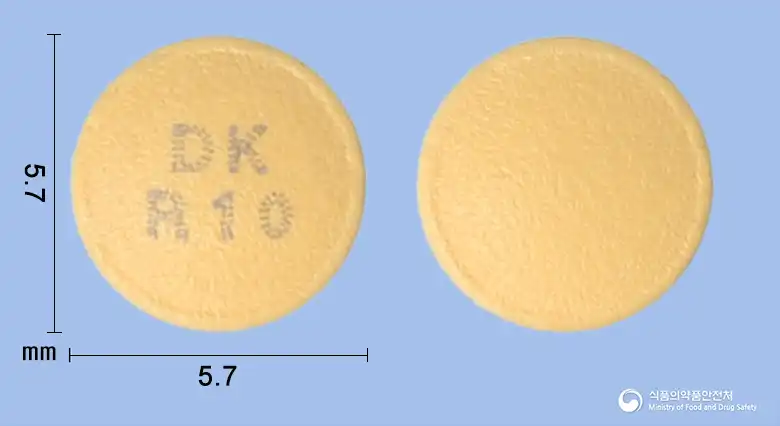
Rabeprazole Sodium 10mg
Tablet · Prescription medication
Dongkuk Pharmaceutical Co., Ltd.
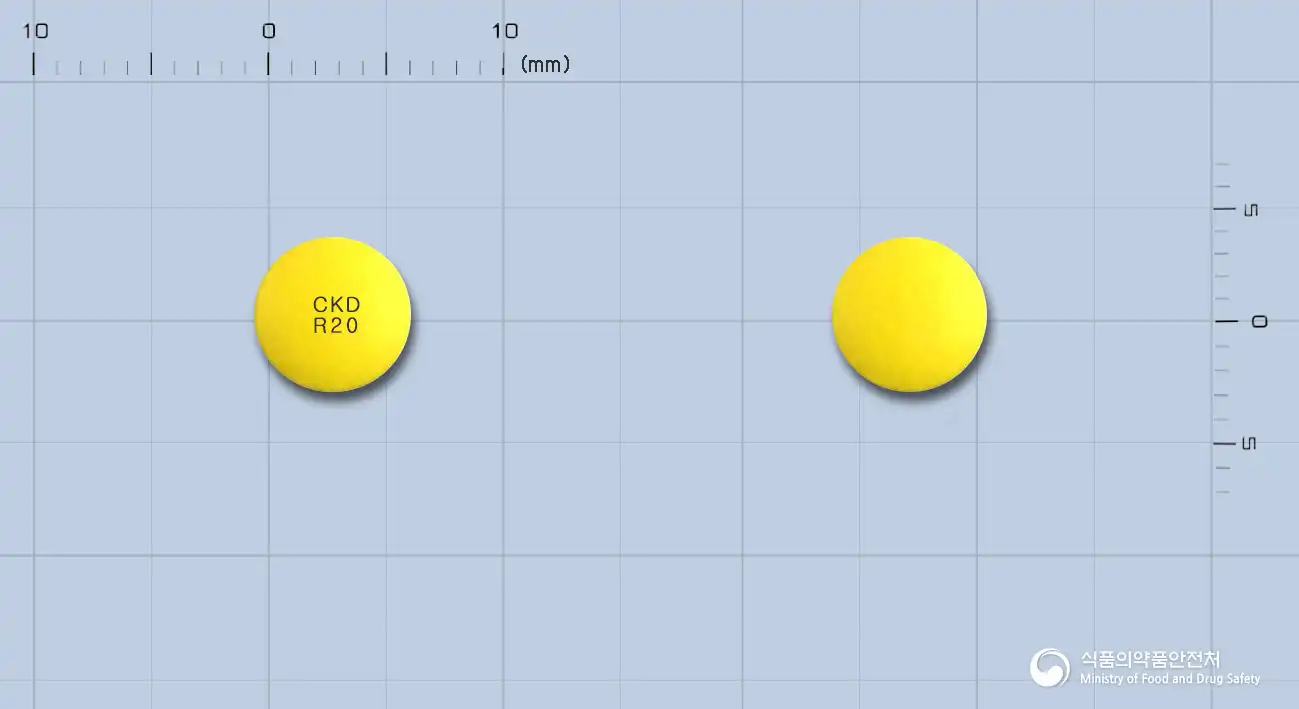
Rabeprazole Sodium 20mg
Tablet · Prescription medication
Jongkundang Co., Ltd.
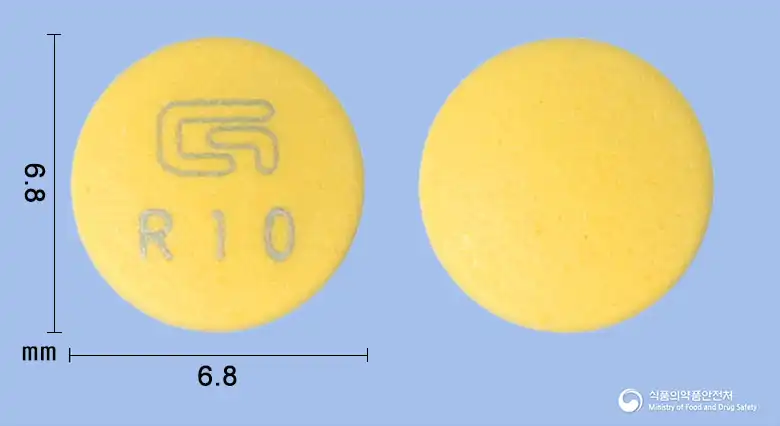
Rabeprazole Sodium 10mg
Tablet · Prescription medication
Donggwang Pharmaceutical Co., Ltd.
Even with the same ingredient, the dose and directions can differ by strength and dosage form. Talk to a doctor or pharmacist before switching from a medication you are already taking.
No questions yet.
For anything that needs medical judgment, consult a doctor or pharmacist.
This drug information is based on data provided by the Korea Ministry of Food and Drug Safety.
Consult a doctor or pharmacist for accurate dosage, administration, and usage instructions.