
 한국어
 English
 日本語
 中文(简体)
Dosage form image
Viewing nowDongkuk Dapagliflozin Anhydrous Mixture Tablet 10 mg
Dapagliflozin Anhydrous Lactose Mixture 15.27mg
Tablet · Prescription medication
Dongkuk Pharmaceutical Co., Ltd.
MFDS item code 202005378 · Approved 2020.07.23
This product's status changed to Expired on 2025.07.23. It may no longer be sold, so consult a doctor or pharmacist before taking it.
Improvement of glycemic control in type 2 diabetes mellitus
This medication is used to assist in improving blood glucose control in patients with type 2 diabetes in conjunction with dietary therapy and exercise therapy. It can be used alone but is usually administered in combination with other medications such as metformin, sulfonylureas, insulin, or sitagliptin when blood glucose control is insufficient. It is especially recommended for patients who have never received diabetes medication treatment or for whom monotherapy is inadequate. Through various combination therapies, it effectively helps in situations where blood glucose control is challenging. In conclusion, this medication is used to improve blood glucose control in patients with type 2 diabetes.
Type 2 diabetes mellitus Monotherapy and add-on combination therapy The recommended dose of this drug is 10mg once daily for monotherapy and add-on combination therapy with other glucose-lowering agents, such as insulin. When this drug is used in combination with insulin or an insulin secretagogue such as a sulfonylurea, a lower dose of insulin or the insulin secretagogue may be considered to reduce the risk of hypoglycemia. Initial combination therapy For patients who have not previously received pharmacological treatment for diabetes, when this drug is administered in combination with metformin, the recommended initial dose is 5mg once daily or 10mg once daily. Special populations Renal impairment - eGFR below 45 mL/min/1.73m2: Administration of this drug is not recommended for the purpose of improving glycemic control. - Patients on dialysis: Do not administer this drug. Hepatic impairment No dose adjustment is required in patients with mild or moderate hepatic impairment. For patients with severe hepatic impairment, 5 mg is recommended as the starting dose. If well tolerated, this dose may be increased to 10mg. Elderly patients (≥ 65 years) Dose adjustment based on age is not recommended. Method of administration This drug may be administered orally once daily at any time of day, with or without food. The tablet should be swallowed whole.
The efficacy and safety of dapagliflozin in children under 18 years of age have not been established. No relevant data are available.
This medication should not be used in patients with allergies to the active ingredient or excipients, or in patients with type 1 diabetes or diabetic ketoacidosis. Additionally, it contains lactose anhydrous and should not be administered to patients with genetic issues such as galactose intolerance, lactose deficiency, or glucose-galactose malabsorption. Patients undergoing dialysis should also avoid this medication. Patients with reduced fluid volume or impaired renal function must have their fluid volume and renal function evaluated prior to administration, and should be carefully monitored for symptoms of hypotension and changes in renal function after administration. In particular, caution is needed in patients with moderate to severe renal impairment, as the effect of blood glucose control may decrease. This medication contains Yellow No. 4 and Yellow No. 5, and caution should be exercised in patients with allergies to these components. During treatment with this medication, genital infections and urinary tract infections may occur, so immediate consultation with medical personnel is advised if symptoms of infection arise. There is a risk of hypoglycemia, so dosage adjustments may be necessary when used in combination with insulin or sulfonylurea medications. Care should be taken to avoid dehydration or hypotension symptoms due to reduced fluid volume, and if symptoms are severe, medication administration may be temporarily stopped. There is a risk of diabetic ketoacidosis, so immediate medical attention is required if symptoms such as nausea, vomiting, abdominal pain, or fatigue occur. This medication is not recommended for use during pregnancy, and it should be discontinued if pregnancy is confirmed. It is advisable for nursing mothers to avoid this medication as well. Safety and efficacy in children under 18 years have not been established, so caution is needed when using this medication. There is no specific antidote for overdose, so appropriate treatment should be given based on symptoms, following medical personnel's instructions if necessary. This medication does not greatly affect driving or machine operation; however, caution should be exercised as hypoglycemic symptoms may occur. Medications should be kept out of reach of children and stored in the original container.
Vulvovaginitis, balanitis and related genital infections, urinary tract infection, fungal infections, perineal necrosis, hypoglycemia, decreased fluid volume, polydipsia, diabetic ketoacidosis, dizziness, constipation, dry mouth, back pain, dysuria, polyuria, nocturia, interstitial nephritis, vulvar pruritus, genital pruritus, increased hematocrit, reduced creatinine clearance in the early treatment phase, dyslipidemia, elevated blood creatinine in the early treatment phase, elevated blood urea, weight loss, acute pyelonephritis, rash, angioedema, asthenia, pain, keratitis, chronic obstructive pulmonary disease, hemoptysis, cerebral hemorrhage, peripheral artery occlusion, angina pectoris, myocardial infarction, biliary stones, cholangitis, alcoholic cirrhosis, depression, suicide attempt, gastric adenocarcinoma, anaphylactic reaction, sensory disturbances, cerebral infarction, nerve compression, urosepsis, upper respiratory infection, edema, fever, foreign body sensation, facial edema, facial pain, warmth, influenza-like syndrome, breast mass, erectile dysfunction, benign prostatic hyperplasia, breast pain, genital rash, menorrhagia, genital edema, uterine bleeding, vaginal bleeding, vulvar discomfort, hair loss, dermatitis, dry skin, allergic dermatitis, contact dermatitis, diabetic foot ulcer, excessive sweating eczema, dyshidrotic eczema, eczema, hyperkeratosis, nail pigmentation, skin lesions, urticaria, cold sweat, flank pain, fibromyalgia, limb discomfort, muscle cramps, musculoskeletal discomfort, osteopenia, injury, contusion, traffic accident, drug overdose, ankle fracture, orbital fracture, foot fracture, gastrointestinal foreign body, hand fracture, iliac fracture, laceration, ligament rupture, limb injury, meniscus injury, skin abrasion, tendon rupture, thoracic vertebra fracture, tibia fracture, dental injury, dry eye, eye pain, retinal disorders, vision loss, blepharitis, cataract, conjunctival edema, allergic conjunctivitis, conjunctivitis, diplopia, eyelid edema, keratitis, ocular hypertension, visual impairment, vitreous floaters, oropharyngeal pain, allergic rhinitis, asthma, voice disorders, epistaxis, sleep apnea syndrome, wheezing, atherosclerosis, flushing, peripheral coldness, varicose veins, vascular headache, orthostatic hypotension, atrial fibrillation, diastolic dysfunction, anxiety disorder, enuresis, auditory hallucinations, sleep disorders, insomnia, fatty liver, gallbladder polyp, dizziness, tinnitus, anal genital warts, adenoma, neuroma, unspecified pituitary neoplasm, male hypogonadism, thyroid cyst, thyroid nodule, food allergy, polycythemia, dyspepsia, nausea, diarrhea, vomiting, urinary retention, abnormal urination, increased alanine aminotransferase, increased aspartate aminotransferase, decreased appetite, parosmia, dysgeusia, headache, nasopharyngitis, vaginal discharge, pruritus, arthralgia, musculoskeletal pain, limb pain, muscle weakness, myalgia, osteoarthritis, ligament sprain, diabetic retinopathy, cough, dyspnea, palpitations
Not everyone experiences these, and they can vary from person to person.
This medication should be stored in a tightly sealed container to prevent exposure to air and moisture. It should be kept at room temperature, between 1 to 30 degrees Celsius, for optimal safety.
Yellow, biconvex, diamond-shaped film-coated tablets
28 tablets/box [(7 tablets/PTP X 4)]
Even with the same ingredient, strength, dosage form and how it is taken can differ.
Dapagliflozin Anhydrous Lactose Mixture 15.27mg
Tablet · Prescription medication
Dongkuk Pharmaceutical Co., Ltd.
Dapagliflozin Anhydrous Lactose Mixture 7.635mg
Tablet · Prescription medication
International Pharmaceuticals Co., Ltd.
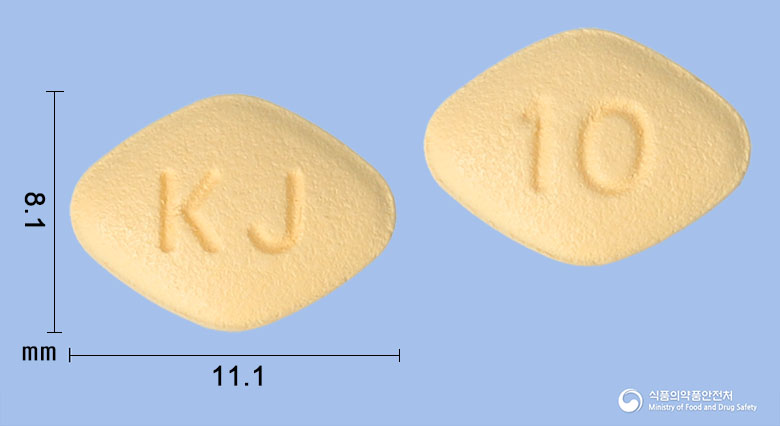
Dapagliflozin Anhydrous Lactose Mixture 15.27mg
Tablet · Prescription medication
International Pharmaceutical Co., Ltd.
Dapagliflozin Anhydrous Lactose Mixture 7.635mg
Tablet · Prescription medication
Shinil Pharmaceutical Co., Ltd.
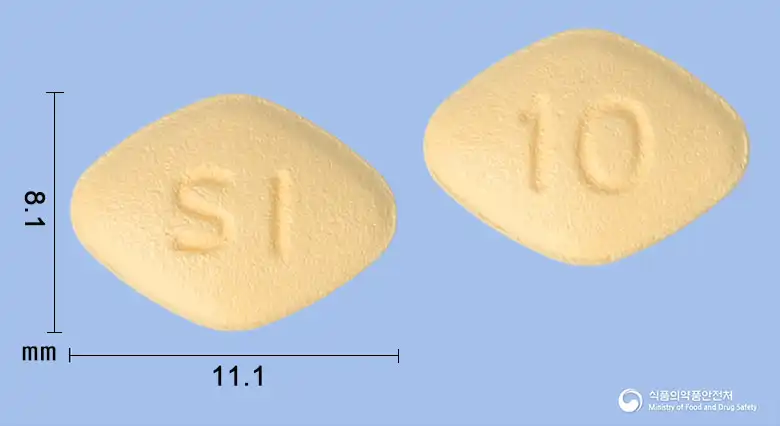
Dapagliflozin Anhydrous Lactose Mixture 15.27mg
Tablet · Prescription medication
Sinil Pharmaceutical Co., Ltd.
Dapagliflozin Anhydrous Lactose Mixture 7.635mg
Tablet · Prescription medication
Dongwha Pharmaceutical Co., Ltd.
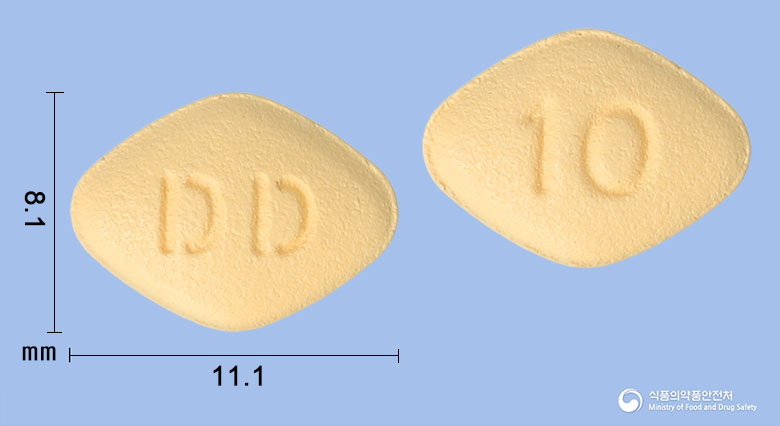
Dapagliflozin Anhydrous Lactose Mixture 15.27mg
Tablet · Prescription medication
Donghwa Pharmaceutical Co., Ltd.
Dapagliflozin Anhydrous Lactose Mixture 7.635mg
Tablet · Prescription medication
Albozen Korea Co., Ltd.
Even with the same ingredient, the dose and directions can differ by strength and dosage form. Talk to a doctor or pharmacist before switching from a medication you are already taking.
No questions yet.
For anything that needs medical judgment, consult a doctor or pharmacist.
This drug information is based on data provided by the Korea Ministry of Food and Drug Safety.
Consult a doctor or pharmacist for accurate dosage, administration, and usage instructions.