
 한국어
한국어 English
 日本語
日本語 中文(简体)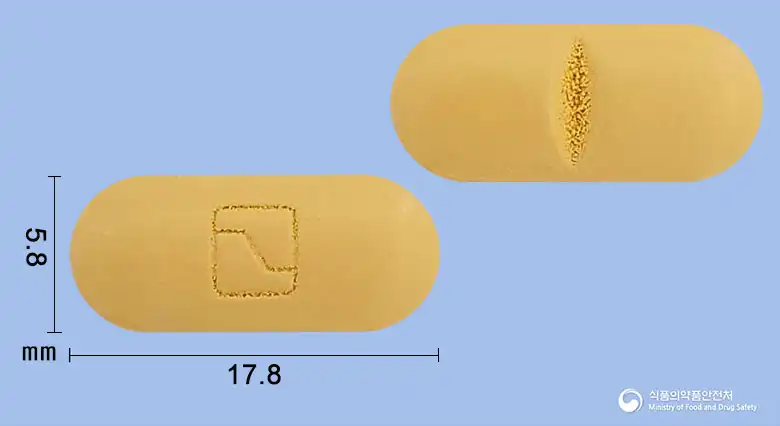
This product's status changed to Approval withdrawn on 2024.04.23. It may no longer be sold, so consult a doctor or pharmacist before taking it.
Summary
- Main use
- Vitamin D, E, B1 alleviate physical fatigue and neuralgia, and zinc supply effect
- Who takes it
- Adults
- Adult dose
- For individuals aged 12 and older: 1 tablet once a day after meals.
Ingredients
- Ubidecarenone5mg / 1 tablet
- Benfotiamine10mg / 1 tablet
- Fursultiamine25mg / 1 tablet
- Folic Acid0.5mg / 1 tablet
- Cyanocobalamin Powder 0.1%18mg / 1 tablet
- Cholecalciferol Granules10mg / 1 tablet
- Tocopherol Acetate Powder 50%40mg / 1 tablet
- Anhydrous Dibasic Calcium Phosphate50mg / 1 tablet
- Potassium Sulfate11.14mg / 1 tablet
- Magnesium Oxide49.8mg / 1 tablet
- Zinc Oxide31.2mg / 1 tablet
- Manufacturer
- 고려제약(주)
Efficacy & effects
Vitamin D, E, B1 alleviate physical fatigue and neuralgia, and zinc supply effect
- Physical fatigue
- reduced strength during and after illness
- poor bone development
- poor dental development
- neuralgia
- muscle pain
- joint pain
- beriberi
- eye fatigue
View approved original textHide original text
The vitamins D, E, and B1 contained in this medicine are particularly needed during physical fatigue, pregnancy and breastfeeding, recovery, growth periods, and old age. They help in healthy bone and dental development and are effective in preventing rickets. Additionally, they alleviate symptoms such as neuralgia, muscle pain, and joint pain, and help improve eye fatigue. Zinc plays an important role in enhancing immune function, wound healing, and growth development, making it necessary for health maintenance. This medicine is used for overall physical strength enhancement and alleviating various symptoms.
How to take
Adult dose
For individuals aged 12 and older: 1 tablet once a day after meals.
Precautions
This medicine should not be taken by patients with hypercalcemia, patients with sarcoidosis (a systemic inflammatory disease of unknown cause), patients with kidney diseases, and those who are allergic to this medication or its components. In addition, infants under 12 months, patients with hyperkalemia, kidney stone patients, and patients with severe symptoms of renal failure should not take this medicine. During the use of this medicine, it is important not to take medications such as phosphates, calcium salts, oral tetracycline antibiotics, and antacids together. Infants under 1 year old, currently treated patients, children who are exposed to a lot of sunlight and eat normally, pregnant women or women of childbearing age, nursing mothers, premature infants, and infants should consult with a doctor or pharmacist before taking this medicine. Particularly, vitamin D components can be secreted into breast milk causing hypercalcemia in newborns, so caution is needed. Patients with heart or cardiovascular problems, impaired kidney function, hypoproteinemia, those taking cardiac glycosides, patients with alkalosis or peptic ulcers, and patients with a history of kidney stones should consult a specialist before taking this medicine. If abnormal symptoms occur during use, such as nausea, vomiting, diarrhea, skin rash, irregular heartbeat, or oral inflammation, discontinue use immediately and consult a doctor. This medicine may cause changes in the menstrual cycle or prolonged bleeding, so caution is needed. Individuals taking estrogen-containing oral contraceptives or at risk of thrombosis may have an increased risk of thrombosis when taking vitamin E. Additionally, patients deficient in folic acid who take more than a certain amount of vitamin B12 may experience blood-related abnormalities, so caution is advised. In case of overdose, gastrointestinal symptoms, edema, heart failure may occur, and long-term use may lead to hypercalcemia and nephrolithiasis, so it is essential to follow the prescribed dose and regimen. Special attention is needed when used together with potassium-sparing diuretics or triamterene as it may increase the risk of hyperkalemia. If symptoms do not improve after taking for more than one month, it is advisable to consult a specialist. When administered to children, it should be given under the supervision of a guardian, and it is advisable to avoid consuming tannin-containing teas such as green tea or black tea before and after taking. This medicine should be kept out of reach of children, stored in a cool, dry place away from direct sunlight, and sealed in an airtight container. To maintain quality, it is important not to transfer to another container.
Side effects and when to seek care immediately
Mild side effects
Nausea, vomiting, diarrhea, discomfort in the stomach area, constipation, rash, redness, loose stools, stomatitis (mouth inflammation), low blood pressure, facial flushing, irregular heartbeat, skin rash, red spots, faintness (cardiac arrest), central nervous system impairment, hyperkalemia, gas retention, gastrointestinal pain, gastrointestinal disturbance, digestive disorder, upper abdominal pain, pulmonary edema, menstrual cycles may become early or the amount may gradually increase, bleeding may persist for a long time, blood
Not everyone experiences these, and they can vary from person to person.
Storage
This medicine should be stored in an airtight container, and it is recommended to keep it at a temperature between 1 to 30 degrees Celsius at room temperature. This storage method helps to maintain the effectiveness of the medicine for a longer period.
Appearance and packaging
Appearance
Yellow rectangular film-coated tablet
Package unit
60 tablets/box[(10 tablets/PPT*6)], 120 tablets/box[(60 tablets(10 tablets/PPT*6)/box*2)]
Questions about this medicine
No questions yet.
For anything that needs medical judgment, consult a doctor or pharmacist.