
 한국어
한국어 English
 日本語
日本語 中文(简体)
Dosage form image
Viewing nowUrsosan 100mg (Ursodeoxycholic Acid)
Ursodeoxycholic Acid 200mg
Tablet · OTC medication
Korea United Pharm, Co., Ltd.
MFDS item code 202005007 · Notified 2020.07.10
This product's status changed to Approval withdrawn on 2025.04.07. It may no longer be sold, so consult a doctor or pharmacist before taking it.
Adjunct treatment for bile secretion deficiency and chronic liver disease (improvement of liver function), and inflammatory bowel disease (dyspepsia)
This medication is used as adjunct treatment for liver disease and biliary tract disease due to bile secretion deficiency. It also helps improve liver function in patients with chronic liver disease. It is effective for symptoms of dyspepsia resulting from bowel resection or inflammatory bowel diseases. Therefore, it may help with digestive improvement and liver function.
As ursodeoxycholic acid, take 50-100mg per dose, three times a day.
This medication should not be taken by individuals with allergies to certain ingredients. Caution is required for patients with severe biliary obstruction that can obstruct the flow of bile, as this medication may worsen symptoms. Patients with acute hepatitis or fulminant hepatitis should avoid this medication as their condition may deteriorate upon intake. Patients with radiolucent calcified gallstones and those with a non-functioning gallbladder or acute cholecystitis should also refrain from taking this medication. Women who are pregnant, may become pregnant, or are breastfeeding, as well as children, should not take this medication. Patients with kidney disease and those with acute gastric or duodenal ulcers should exercise caution, as their symptoms may worsen. Patients with inflammatory bowel diseases such as Crohn's disease should also avoid this medication. This medication contains lactose, so patients with genetic disorders that impair lactose breakdown should refrain from taking it. During the use of this medication, certain medications like oral hypoglycemics may have their effects increased, so they should not be taken together. Additionally, it is advisable to avoid medications that hinder the absorption of this drug, such as cholestyramine, medicinal charcoal, and some antacids. Taking this medication alongside drugs that increase bile secretion in the liver may heighten the risk of gallstone formation and diminish the effectiveness of this drug. It is safe to avoid concurrent use with drugs that can cause liver damage. Patients with severe pancreatic disease or gallstones in the bile duct should consult a physician before taking this medication. Patients with esophageal variceal bleeding, hepatic coma, ascites, or requiring sudden liver transplantation should seek professional advice before use. While taking this medication, gastrointestinal symptoms like diarrhea, nausea, vomiting, abdominal pain, constipation, heartburn, or gastric discomfort may occur, so caution is advised. If allergic symptoms such as itching or rash develop, discontinue use immediately and consult healthcare professionals. If symptoms of interstitial pneumonia, including fever, cough, or shortness of breath, appear, stop taking the medication and consult a specialist immediately. Rarely, symptoms such as fatigue, dizziness, increased liver enzyme levels, and decreased white blood cells may occur, so report any abnormal symptoms immediately. During treatment, regular liver function tests are necessary, and additional liver function tests may be conducted if required. Elderly patients generally have reduced physical function, so dosage adjustments or caution may be necessary. Bile dissolution therapy takes a long time; therefore, imaging tests should be done every six months to check treatment progress, and if no effect is observed after 12 months, treatment should be discontinued. Keep this medication in a safe place out of the reach of children, and store it in its original container to prevent misuse or degradation of quality.
Fever, cough, shortness of breath, interstitial pneumonia accompanied by chest X-ray abnormalities
Not everyone experiences these, and they can vary from person to person.
This medication may be sensitive to air or moisture, so it should be stored in a tightly sealed container. It is important to maintain a storage temperature between 1 degree and 30 degrees Celsius to preserve the efficacy and safety of the medication.
White round tablet
100 tablets/bottle, 500 tablets/bottle
Even with the same ingredient, strength, dosage form and how it is taken can differ.
Ursodeoxycholic Acid 200mg
Tablet · OTC medication
Korea United Pharm, Co., Ltd.
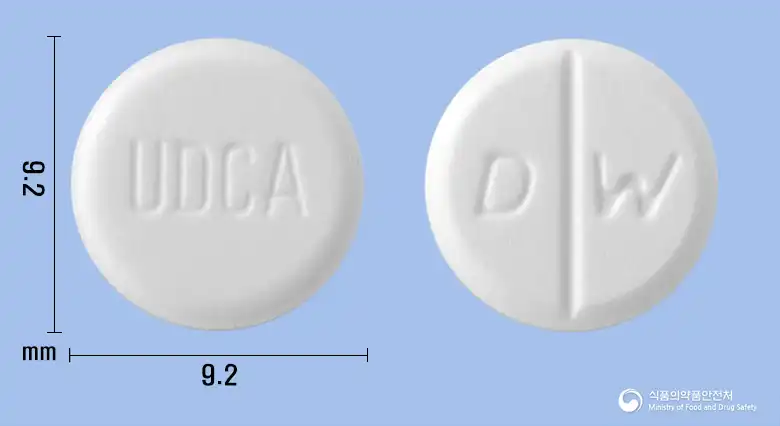
Ursodeoxycholic Acid 100mg
Tablet · OTC medication
DAEWOONG PHARMACEUTICAL CO., LTD.
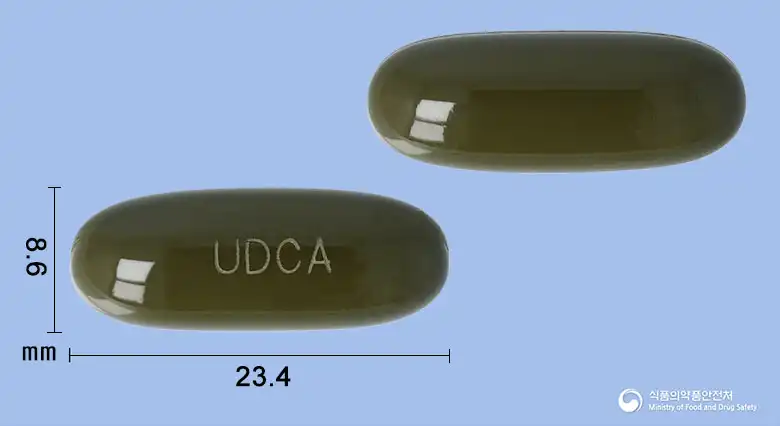
Ursodeoxycholic Acid 100mg
Soft capsule · OTC medication
DAEWOONG PHARMACEUTICAL CO., LTD.
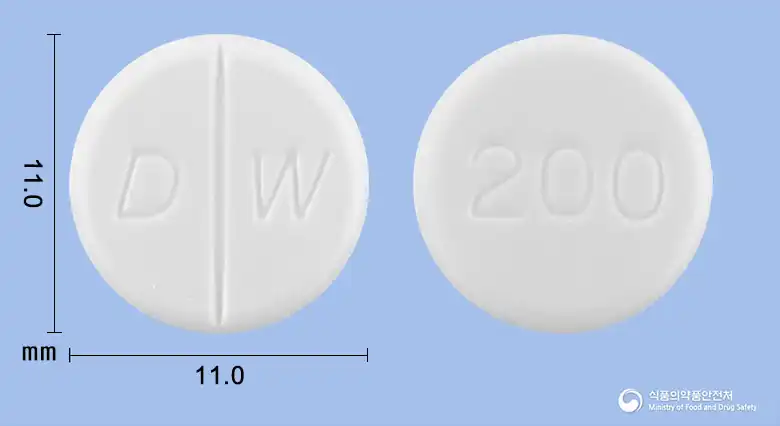
Ursodeoxycholic Acid 200mg
Tablet · Prescription medication
(Daiwoo Pharmaceutical Co., Ltd.)
Ursodeoxycholic Acid 250mg
Hard capsule · Prescription medication
Daewoong Pharmaceutical Co., Ltd.
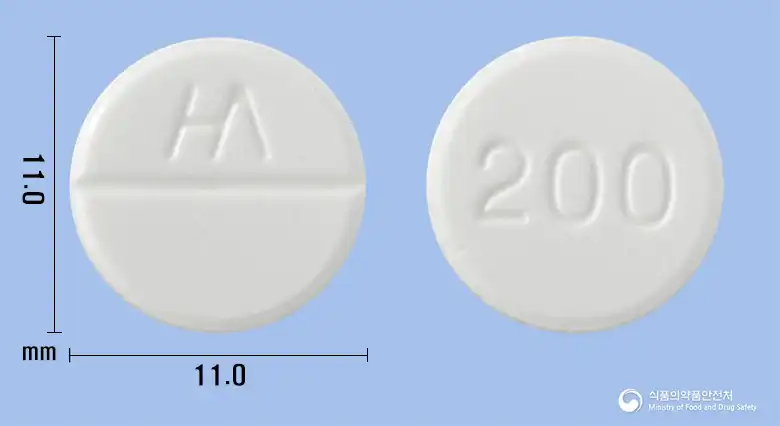
Ursodeoxycholic Acid 200mg
Tablet · Prescription medication
Hanol Biopharma Co., Ltd.
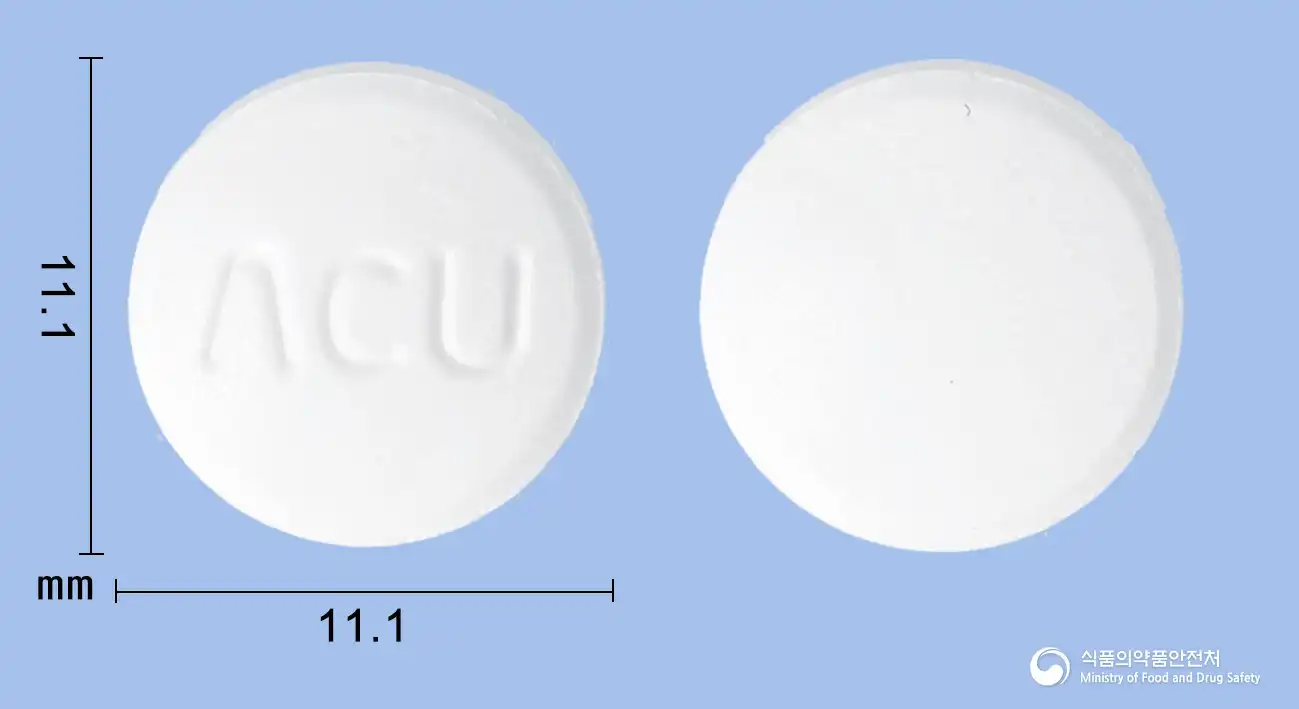
Ursodeoxycholic Acid 300mg
Tablet · Prescription medication
Allico Pharmaceutical Co., Ltd.
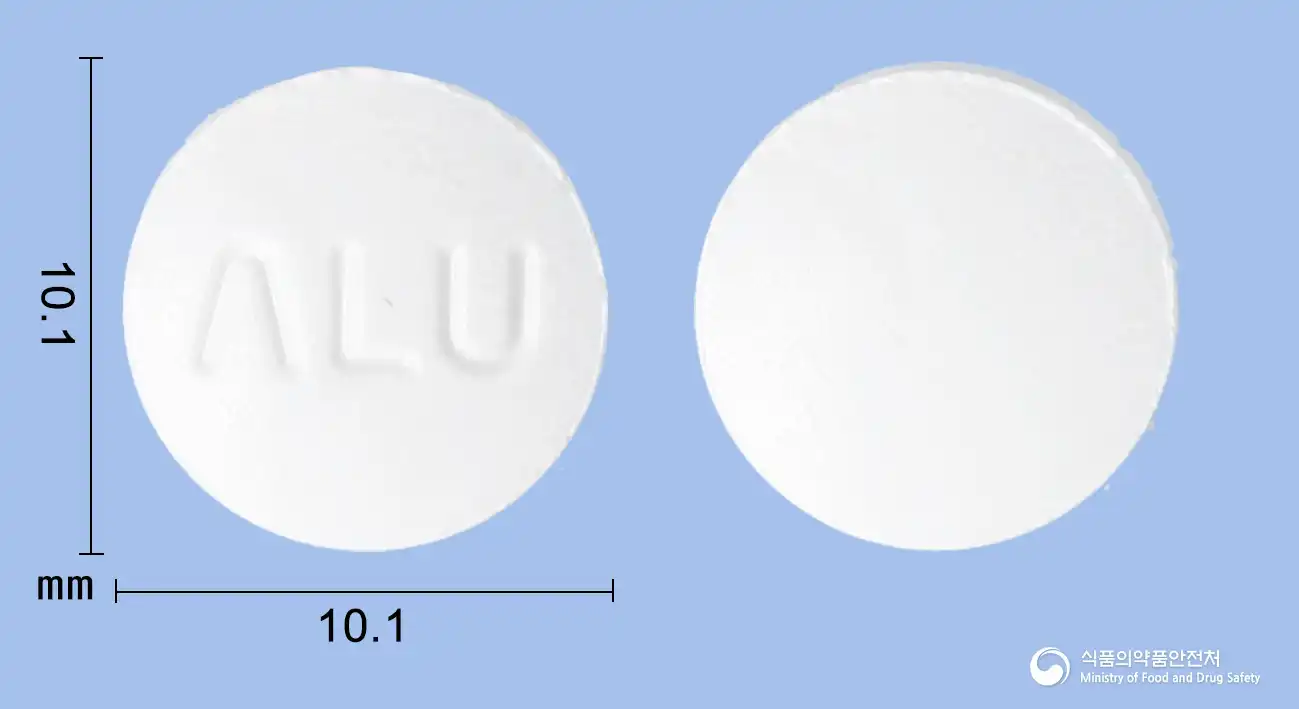
Ursodeoxycholic Acid 200mg
Tablet · Prescription medication
Allico Pharmaceutical Co., Ltd.
Even with the same ingredient, the dose and directions can differ by strength and dosage form. Talk to a doctor or pharmacist before switching from a medication you are already taking.
No questions yet.
For anything that needs medical judgment, consult a doctor or pharmacist.
This drug information is based on data provided by the Korea Ministry of Food and Drug Safety.
Consult a doctor or pharmacist for accurate dosage, administration, and usage instructions.