
 한국어
한국어 English
 日本語
日本語 中文(简体)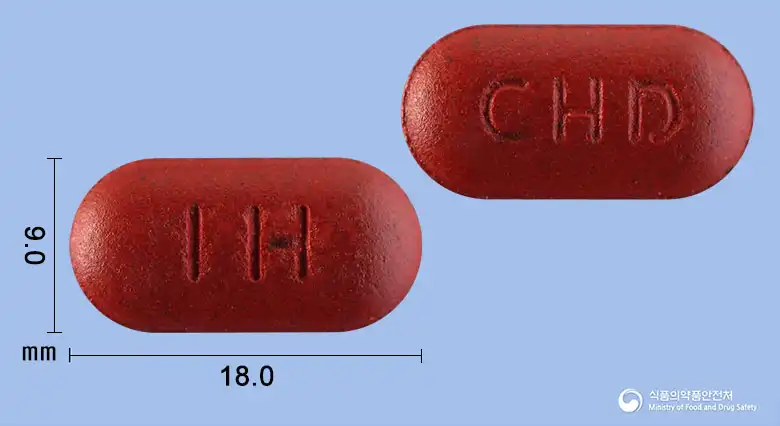
Summary
- Main use
- Improvement of physical fatigue, physical strength enhancement during pregnancy and lactation, and relief of neuralgia and muscle pain
- Who takes it
- Adults · Children
- Adult dose
- Once a day, 1 tablet after meals
- Child dose
- Once a day, 1 tablet after meals for children aged 8 and above
Ingredients
- Sodium Chondroitin Sulfate600mg / 1 tablet
- Nicotinamide45mg / 1 tablet
- Fursultiamine50mg / 1 tablet
- Inositol25mg / 1 tablet
- Choline Tartrate20mg / 1 tablet
- Calcium Pantothenate15mg / 1 tablet
- Cyanocobalamin Powder 0.1%10mg / 1 tablet
- Pyridoxine Hydrochloride10mg / 1 tablet
- Riboflavin6mg / 1 tablet
- Cholecalciferol Granules0.5mg / 1 tablet
- Gamma-Oryzanol5mg / 1 tablet
- Manufacturer
- (주)일화
Efficacy & effects
Improvement of physical fatigue, physical strength enhancement during pregnancy and lactation, and relief of neuralgia and muscle pain
- Physical fatigue
- decreased physical strength
- neuralgia
- muscle pain
- joint pain
- beriberi
- eye fatigue
View approved original textHide original text
This medication contains vitamins D, B1, B2, B6, etc., which help supplement nutrition during physical fatigue, pregnancy, lactation, decrease in physical strength during and after illness, growth periods, and old age. It is also effective for alleviating pain such as neuralgia, muscle pain, and joint pain, and is used for the prevention and treatment of beriberi (a disease caused by vitamin B1 deficiency). It also helps relieve eye fatigue, contributing to increased vitality in daily life. This medicine is used for providing necessary vitamins and relieving pain across a variety of ages and conditions, as well as improving eye health.
How to take
Adult dose
Once a day, 1 tablet after meals
Child dose
Once a day, 1 tablet after meals for children aged 8 and above
Precautions
This medication should not be taken by individuals with excessive calcium in the blood, unknown systemic inflammatory diseases, or kidney problems. Moreover, those who have allergic reactions to this medication or its components, infants under 3 months, and individuals with kidney stones should avoid this medication. When taking this medication, do not take it with a drug called levodopa. Infants under 1 year, patients receiving treatment, children receiving normal meals while getting ample sunlight, women who are pregnant or may become pregnant, nursing mothers, preterm infants, infants, and individuals with a history of kidney stones must consult a doctor or pharmacist before taking this medication. This is due to the possibility of vitamin D transferring to the newborn through breast milk and increasing calcium levels in the blood. If symptoms such as nausea, vomiting, diarrhea, stomatitis, constipation, loss of appetite, skin rash, itching, or swelling appear while taking this medication, immediately stop taking it and consult a professional. In addition, long-term administration of pyridoxine exceeding 500mg to 2g per day may cause nerve issues, and if patients who lack folic acid take more than 10μg of vitamin B12 per day, blood issues may occur. High-dose administration may worsen peptic ulcers or cause problems with blood glucose control, increased serum uric acid levels, or liver damage. If you accidentally take too many or if symptoms do not improve after taking for a month, consult a professional immediately. This medication must be taken according to the prescribed dosage; supervision by a guardian is necessary when giving it to children. Additionally, note that taking this medication may cause urine to turn yellow, which can affect clinical test results. Ensure this medication is kept out of reach of children, stored in a sealed container away from direct sunlight, and in a cool, dry place. Finally, it is important not to transfer the medication to another container to prevent misuse and maintain quality.
Side effects and when to seek care immediately
Serious side effects
Hives, swelling (severe swelling and water retention possible)
Mild side effects
- Nausea
- vomiting
- diarrhea
- loose stools
- stomatitis (inflammation of the mouth)
- constipation
- loss of appetite
- erythema
- eczema
- rash
Show 4 moreCollapse
- papular rash
- itching
- swelling
- may cause urine to turn yellow
Not everyone experiences these, and they can vary from person to person.
Interactions
Drug interactions
Do not take this medication with levodopa.
Storage
This medication may be sensitive to air or moisture, so it must be stored in a sealed container. It is also advisable to avoid places that are too hot or too cold, and to store it at a temperature between 1 degree and 30 degrees Celsius, which is room temperature.
Appearance and packaging
Appearance
Brown rectangular film-coated tablets
Package unit
90 tablets/box [45 tablets/bottle * 2]
Questions about this medicine
QAfter taking it, I feel like my body is swelling.
The instructions state to stop taking the medication immediately if symptoms such as swelling or fluid retention (due to kidney disease or heart failure) occur, and to consult a doctor or pharmacist. If you feel swelling, stop taking it and have your condition checked.
Answers 1 · 2026.09.14
QIs it safe for my mother who takes Parkinson's medication to take this?
This medication should not be taken with levodopa. Please first check with your prescribing doctor or pharmacist whether the Parkinson’s medication your mother is taking contains this ingredient.
Answers 1 · 2026.09.14
QCan I take it before meals?
The approved dosage for children aged 8 and older and adults is 1 tablet once daily after meals. If there is no special reason, please follow the instructions and take it after meals.
Answers 1 · 2026.09.14
For anything that needs medical judgment, consult a doctor or pharmacist.