
 한국어
 English
 日本語
 中文(简体)
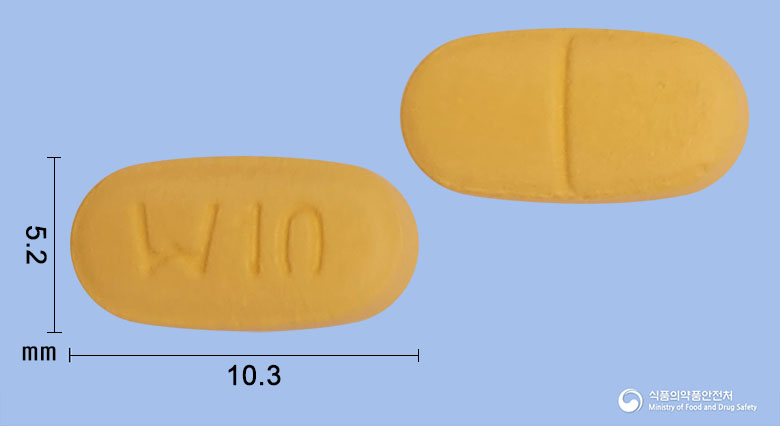 Viewing nowCombination
CombiRoze Tablets 10/10 Milligrams
Rosuvastatin Calcium 10.4mg · Ezetimibe 10mg
Tablet · Prescription medication · Combination
Hanil Pharmaceutical Co., Ltd.
MFDS item code 202004569 · Approved 2020.06.23 · Insurance code 657203610
Improvement of primary hypercholesterolemia and mixed dyslipidemia
This medication helps improve cholesterol and triglyceride levels in patients with primary hypercholesterolemia and mixed dyslipidemia. When administered alongside dietary changes, it lowers total cholesterol, LDL-cholesterol, Apo B, triglycerides, and non-HDL-cholesterol while increasing HDL-cholesterol. It effectively supports lipid control, especially in patients at high risk for atherosclerotic vascular diseases. It is important to identify and manage secondary causes such as diabetes and hypothyroidism before administration, and to continuously monitor lipid levels during treatment to assess treatment response. In essence, this medication is used to improve inadequate lipid control provided by dietary or non-drug therapies.
Administer this medication once daily, regardless of meals. Patients should continue to follow a standard cholesterol-lowering diet before and during treatment with this medication. The dose should be adjusted according to the patient's baseline LDL-cholesterol level, recommended treatment goal, and response. Primary hypercholesterolemia The dose range is 10/5mg to 10/20mg once daily. The recommended initial dose is 10/5mg once daily. The dose may be adjusted for patients who require a greater reduction in LDL-cholesterol. After starting this medication or adjusting the dose, check blood lipid levels at intervals of at least 4 weeks and adjust the dose accordingly; the dose may be increased up to a maximum of 10/20mg once daily. Patients taking ezetimibe and rosuvastatin concomitantly may switch to this medication (a combination product containing the same amounts of each active ingredient) for convenience.
This medication may affect the muscles, posing a risk of muscle pain or weakness, and in severe cases, rhabdomyolysis, which is the destruction of muscle tissue. It should be used with caution in patients with conditions that can cause muscle damage, such as serious infections, hypotension, major surgery, trauma, hypothyroidism, or decreased kidney function, and may need to be temporarily discontinued if necessary. Patients allergic to any of the ingredients, those with severely reduced liver function, muscle diseases, severe renal impairment, pregnant women, or breastfeeding women should not use this medication. Additionally, the risk of muscle damage may increase when combined with certain medications, so it is essential to consult a doctor or pharmacist if taking other medications. If symptoms such as muscle pain, cramps, weakness, fatigue, feverishness, etc., occur during treatment, notify healthcare personnel immediately, and if necessary, blood tests should be conducted to check for muscle damage. Since this medication can affect liver function, liver function tests should be performed before starting treatment, and if any abnormal symptoms occur during treatment, the tests should be repeated. This medication should not be taken during pregnancy or while breastfeeding as it may be harmful to the fetus or newborn, and women of childbearing age should use appropriate contraception during treatment. Elderly patients or those with decreased kidney function also require caution when using this medication, and dosage adjustments may be necessary based on symptoms or test results. Dizziness or headaches may occur during treatment, so care should be taken when driving or operating machinery. There is no specific antidote for overdose, so treatment based on symptoms and appropriate supportive therapy is necessary, and regular monitoring of liver function and muscle-related tests should be carried out. The safety and efficacy of this medication have not been established in children, so it is not recommended. This medication should be kept out of reach of children, and it is advisable not to transfer it to other containers.
Acute renal failure due to myoglobinuria, rhabdomyolysis, pharyngitis, dyspepsia, elevated ALT, edema, myalgia, elevated AST, headache, acute pyelonephritis, dry mouth, elevated liver enzymes, abnormal liver function tests, increased serum lactate dehydrogenase, pruritus, angioedema, diabetes, headache, dizziness, constipation, nausea, abdominal pain, pancreatitis, itching, rash, urticaria, myopathy, myositis, weakness, thrombocytopenia, jaundice, hepatitis, increased transaminases, Stevens-Johnson syndrome, eosinophilia and drug reaction with systemic symptoms, lupus-like syndrome, muscle rupture, arthralgia, immune-mediated necrotizing myopathy, hematuria, edema, depression, sleep disturbances, interstitial lung disease, sexual dysfunction, gynecomastia, fatal and non-fatal liver failure, memory impairment, amnesia, memory loss, memory disturbance, confusion, severe muscle weakness, ocular myasthenia, increased CK levels, elevated serum creatinine, chest pain, chest discomfort, generalized edema, diabetic neuropathy, tremors, epigastric pain, vomiting, gastritis, dry mouth, discomfort in the epigastric region, belching, gastrointestinal disorders, gastroesophageal reflux disease, tongue disorders, palpitations, congestive heart failure, myocardial ischemia, flushing, cough, sputum, rhinorrhea, limb pain, elevated blood pressure, increased serum urea, syncope, generalized pain, muscle cramps, gout, erectile dysfunction, cholelithiasis, cholecystitis, anaphylaxis, erythema multiforme
Not everyone experiences these, and they can vary from person to person.
This medication should be stored in a tightly sealed container to protect it from air and moisture exposure. Additionally, it should be stored at room temperature between 1°C and 30°C, away from extreme heat or cold.
Yellow rectangular film-coated tablets
30 tablets/box [10 tablets/PTP×3]
Even with the same ingredient, strength, dosage form and how it is taken can differ.
Viewing nowCombinationRosuvastatin Calcium 10.4mg · Ezetimibe 10mg
Tablet · Prescription medication · Combination
Hanil Pharmaceutical Co., Ltd.
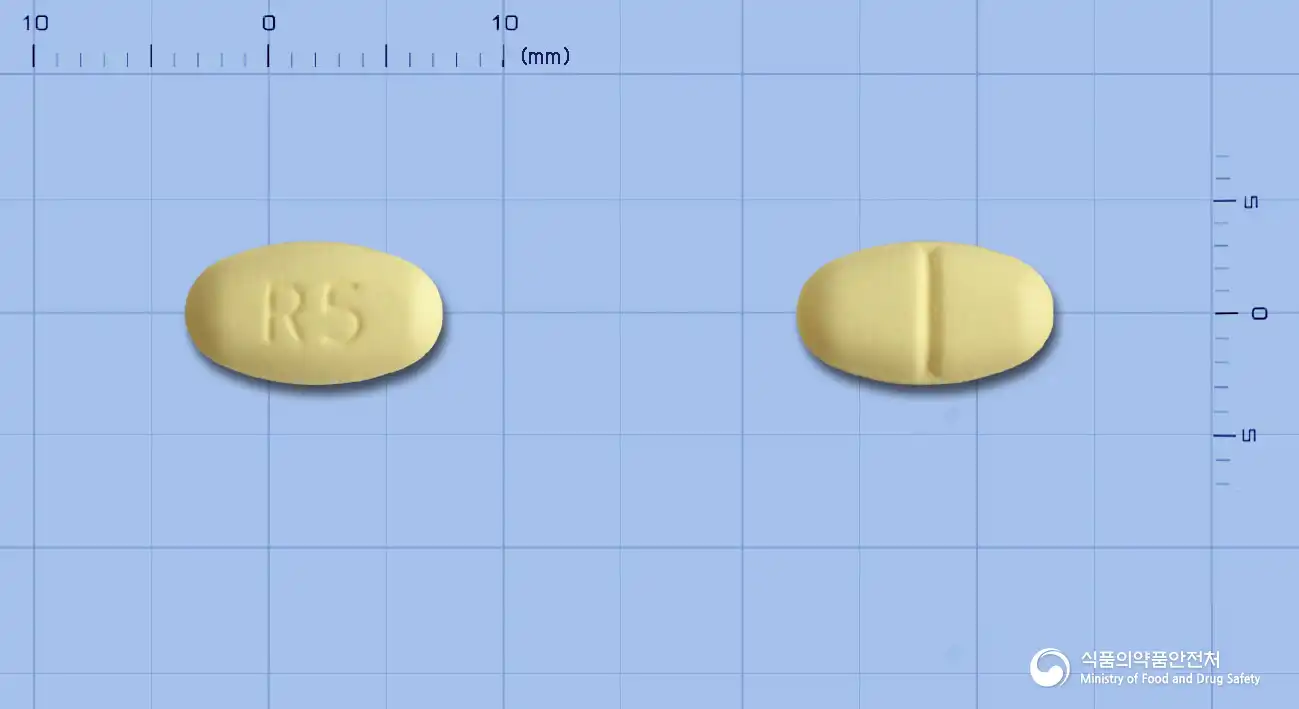 Combination
Rosuvastatin Calcium 5.2mg · Ezetimibe 10mg
Tablet · Prescription medication · Combination
Hanmi Pharmaceutical Co., Ltd.
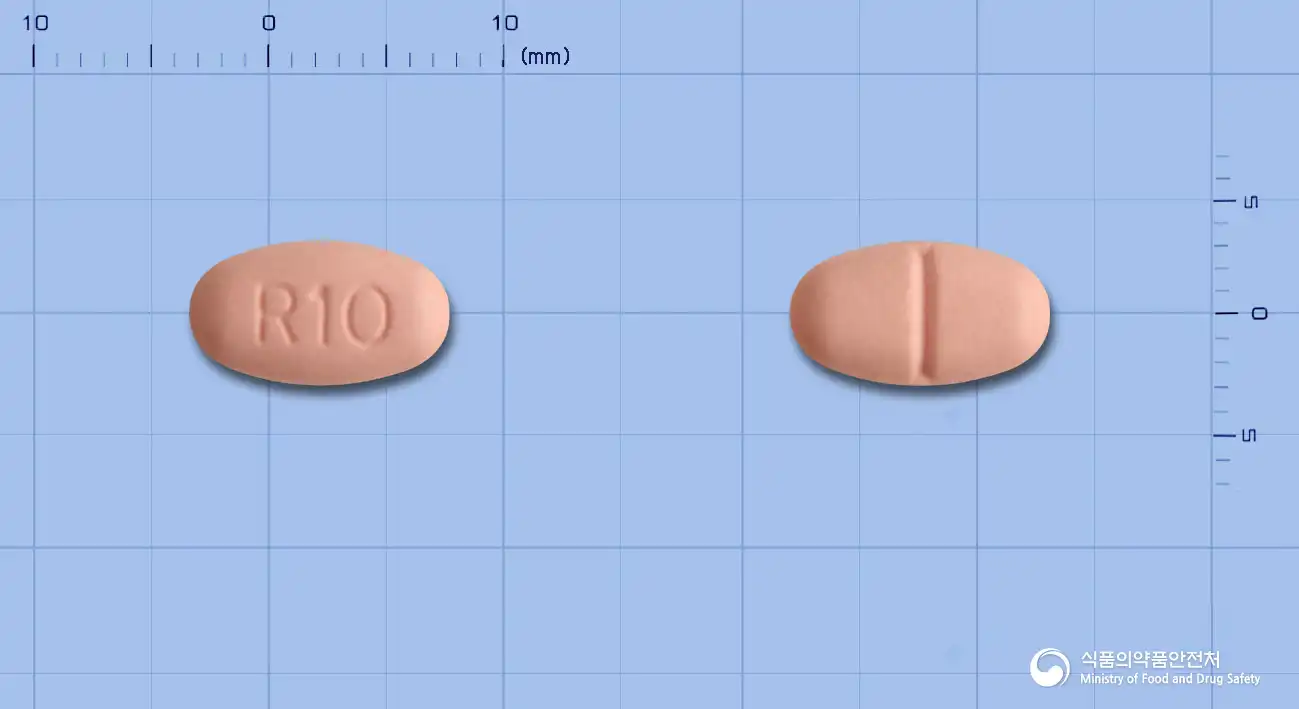 Combination
Rosuvastatin Calcium 10.4mg · Ezetimibe 10mg
Tablet · Prescription medication · Combination
Hanmi Pharmaceutical Co., Ltd.
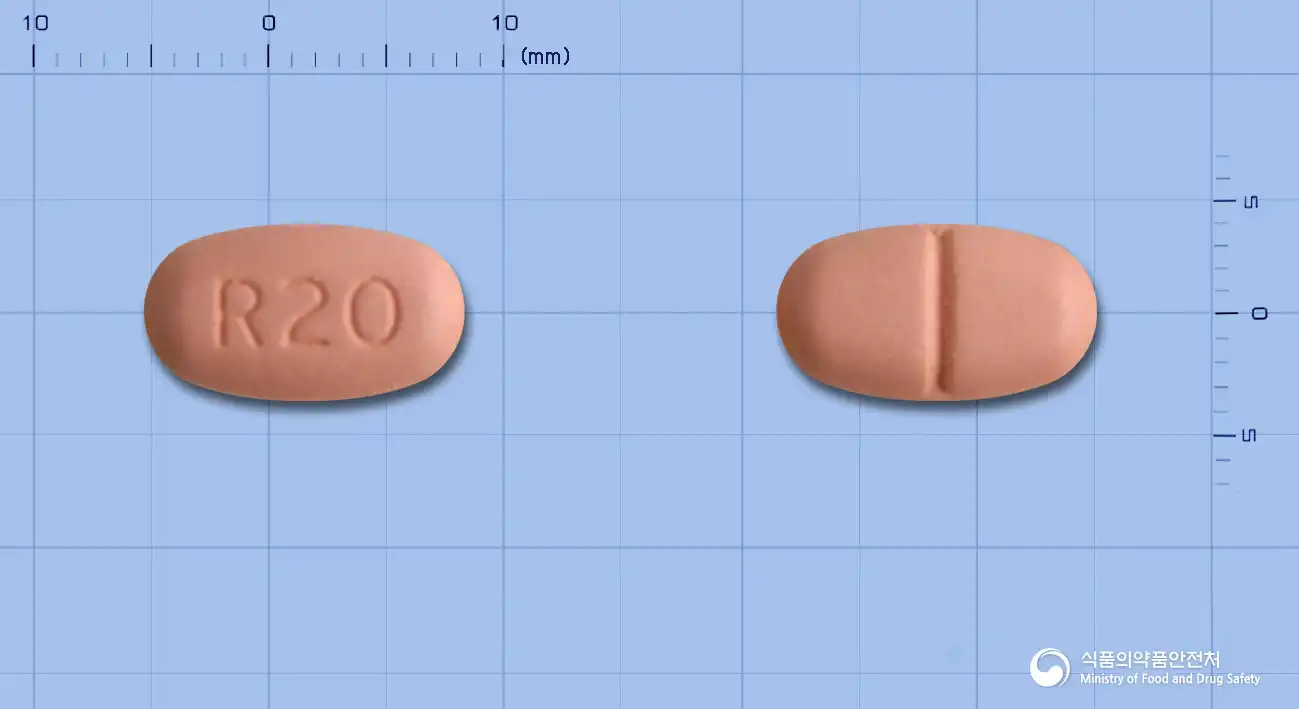 Combination
Ezetimibe 10mg · Rosuvastatin Calcium 20.8mg
Tablet · Prescription medication · Combination
Hanmi Pharmaceutical Co., Ltd.
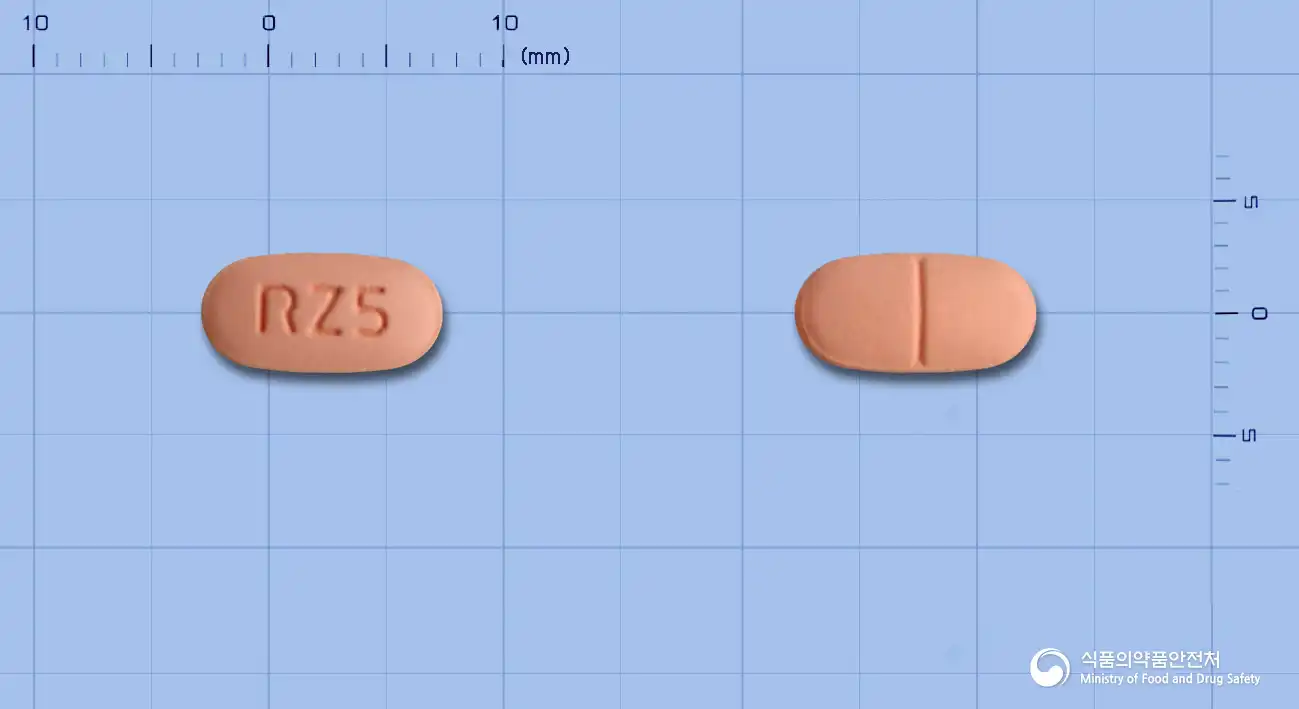 Combination
Rosuvastatin Calcium 5.2mg · Ezetimibe 10mg
Tablet · Prescription medication · Combination
Albozen Korea Co., Ltd.
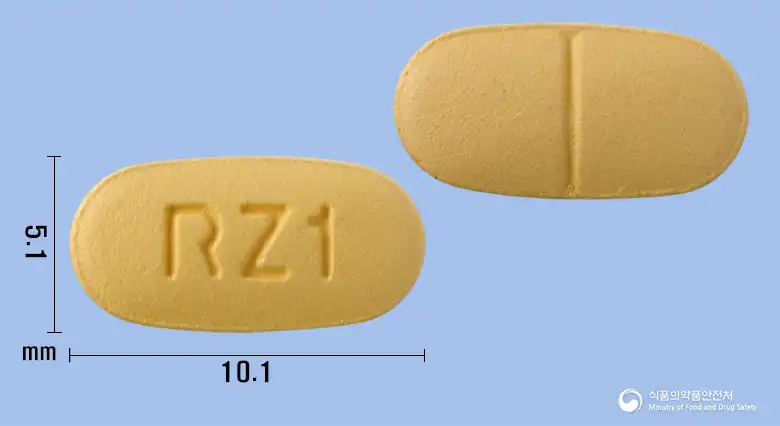 Combination
Rosuvastatin Calcium 10.4mg · Ezetimibe 10mg
Tablet · Prescription medication · Combination
Albogen Korea Co., Ltd.
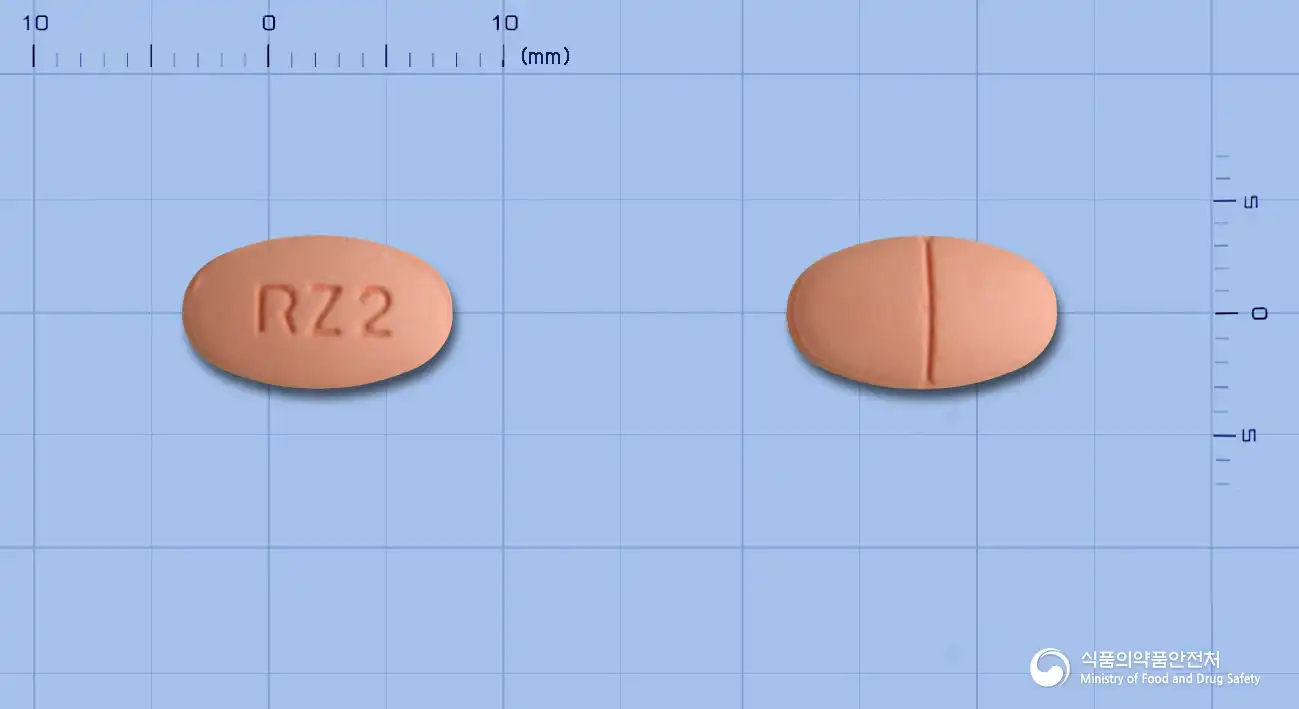 Combination
Rosuvastatin Calcium 20.8mg · Ezetimibe 10mg
Tablet · Prescription medication · Combination
Albogene Korea Co., Ltd.
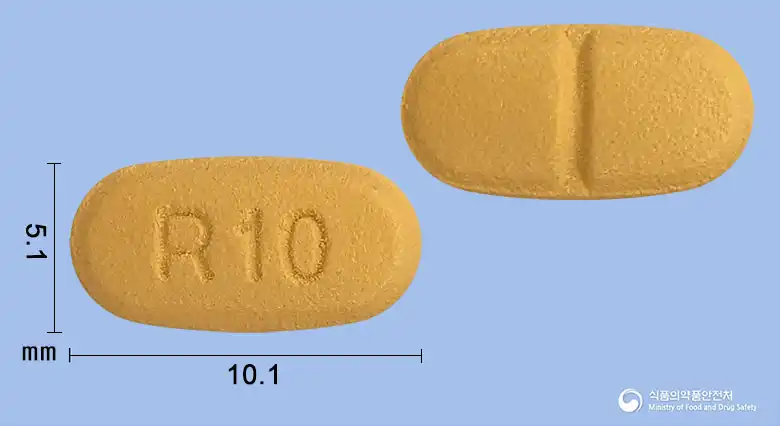 Combination
Rosuvastatin Calcium 10.4mg · Ezetimibe 10mg
Tablet · Prescription medication · Combination
Daewoong Pharmaceutical Co., Ltd.
Even with the same ingredient, the dose and directions can differ by strength and dosage form. Talk to a doctor or pharmacist before switching from a medication you are already taking.
No questions yet.
For anything that needs medical judgment, consult a doctor or pharmacist.
This drug information is based on data provided by the Korea Ministry of Food and Drug Safety.
Consult a doctor or pharmacist for accurate dosage, administration, and usage instructions.