
 한국어
 English
 日本語
 中文(简体)
Dosage form image
Viewing nowCombinationRosuvastatin/Ezetimibe Combination 10/20 mg
Rosuvastatin Calcium 20.8mg · Ezetimibe 10mg
Tablet · Prescription medication · Combination
Donggu Bio Pharmaceutical Co., Ltd.
MFDS item code 202004564 · Approved 2020.06.23
Improvement of primary hypercholesterolemia and mixed dyslipidemia
This drug effectively lowers cholesterol and triglyceride levels in patients with primary hypercholesterolemia and mixed dyslipidemia, and helps to increase the good cholesterol, HDL levels. It is primarily used in patients at high risk of atherosclerotic vascular disease, in conjunction with dietary adjustments. This drug is administered when improvement is difficult despite adequate implementation of non-pharmacological therapies, such as restriction of saturated fats and cholesterol intake. Before administering, it is essential to check for and treat secondary causes, such as diabetes and hypothyroidism. During treatment, monitoring of total cholesterol, LDL, HDL, and triglyceride levels is necessary to make appropriate adjustments. This drug is used to reduce the risks associated with hypercholesterolemia and improve blood lipid levels.
This medicine is administered once daily, regardless of meals. Patients must continue a standard cholesterol-lowering diet before and during treatment with this medicine. The dose should be adjusted according to the patient's baseline LDL cholesterol level, recommended treatment target, and response. Primary hypercholesterolemia The dosage range of this medicine is 10/5mg to 10/20mg daily. The recommended starting dose is 10/5mg once daily. The dose may be adjusted for patients who require a greater reduction in LDL cholesterol. After starting this medicine or adjusting the dose, check blood lipid levels at intervals of at least 4 weeks and adjust the dose accordingly; the dose may be increased up to a maximum of 10/20mg daily. Patients taking ezetimibe and rosuvastatin concomitantly may switch to this medicine (a combination product containing the same amount of each active ingredient) for convenience.
This drug has been reported to cause a rare side effect called rhabdomyolysis, which can result in serious muscle damage. Therefore, if severe muscle pain or weakness occurs, it is important to consult a doctor immediately. This drug should not be used in patients with impaired liver function or patients with active liver disease. Patients with severely reduced kidney function, those with muscular diseases, women who are pregnant or may become pregnant, and nursing mothers should not take this drug. In cases with a high risk of myopathy, such as alcoholics or patients with a history of liver disease, the elderly, and patients with hypothyroidism, this drug should be used with caution and regular testing is required. This drug can interact with other medications; therefore, if other drugs are currently being taken, it is crucial to inform the doctor or pharmacist. Special caution is needed when used in conjunction with anticoagulants, certain antibiotics, or medications that affect liver function. While taking this drug, regular liver function tests and muscle-related tests should be carried out, and any unusual symptoms should be reported to healthcare professionals immediately. Use of this drug is contraindicated during pregnancy and breastfeeding due to risks to the fetus and newborn, and women of childbearing potential should use appropriate contraception. Safety in children or adolescents has not been sufficiently established; therefore, it is not recommended for pediatric use. In case of overdose, there is no specific antidote available, and appropriate treatment should be taken according to symptoms, monitoring liver and muscle function tests.
Acute renal failure due to myoglobinuria, rhabdomyolysis, nasopharyngitis, dyspepsia, elevation of ALT, edema, myalgia, elevation of AST, headache, acute pyelonephritis, dry mouth, elevation of liver enzymes, abnormal liver function tests, increased serum lactate dehydrogenase, pruritus, chest pain, facial edema, unusual sensations, drug intolerance, colon polyps, irritable bowel syndrome, esophagitis, dizziness, somnolence, neurodegenerative disorders, postural dizziness, migraine, elevated blood glucose, increased serum CPK, discomfort in the chest, bronchitis, rhinitis, cystitis, dermatophyte infection of fingernails and toenails, soft tissue infection, fatty liver, liver impairment, hepatotoxicity, acute hepatitis, toxic hepatitis, increased gamma-glutamyl transferase, increased blood cholesterol, increased serum alkaline phosphatase, irregular heart rate, osteoarthritis, osteoporosis, musculoskeletal stiffness, musculoskeletal discomfort, muscle weakness, perspiration, dermatitis, skin burning sensation, skin disorders, alopecia, oropharyngeal pain, nasal congestion, respiratory difficulties, pelvic pain, breast cysts, eyelid drooping, diabetic retinopathy, ear discomfort, renal dysfunction, benign esophageal neoplasm, thrombocytopenia, jaundice, hepatitis, Stevens-Johnson syndrome, drug reaction with eosinophilia and systemic symptoms, lupus-like syndrome, muscle rupture, arthralgia, immune-mediated necrotizing myopathy, hematuria, edema, depression, sleep disorders, interstitial lung disease, sexual dysfunction, gynecomastia, cognitive impairment, myasthenia gravis, ocular myasthenia, constipation, nausea, abdominal pain, pancreatitis, pruritus, rash, urticaria, myopathy, myositis, weakness, fatigue, numbness, paresthesia, syncope, generalized pain, muscle cramps, gout, impotence, tremors, vomiting, gastritis, xerostomia, discomfort in the epigastrium, belching, gastrointestinal disorders, gastroesophageal reflux disease, tongue disorders, palpitations, congestive heart failure, myocardial ischemia, flushing, cough, sputum, rhinorrhea, limb pain, diabetes mellitus, hypoglycemia, anemia, splenomegaly, urticaria, hyperhidrosis, conjunctival injection, renal failure, abnormal liver function, increased serum creatinine, elevated blood pressure, increased blood urea, increased CPK, abnormal liver function tests, anaphylaxis, erythema multiforme, cholelithiasis, cholecystitis
Not everyone experiences these, and they can vary from person to person.
This drug should be stored in a tightly closed container to prevent exposure to air or moisture. It is important to maintain a storage temperature between 1 and 30 degrees Celsius at room temperature. Storing it this way can help retain the drug's efficacy for a longer duration.
Pink oval film-coated tablet
30 tablets/box [10 tablets/PTP x 3], 30 tablets/bottle, 100 tablets/bottle
Even with the same ingredient, strength, dosage form and how it is taken can differ.
Rosuvastatin Calcium 20.8mg · Ezetimibe 10mg
Tablet · Prescription medication · Combination
Donggu Bio Pharmaceutical Co., Ltd.
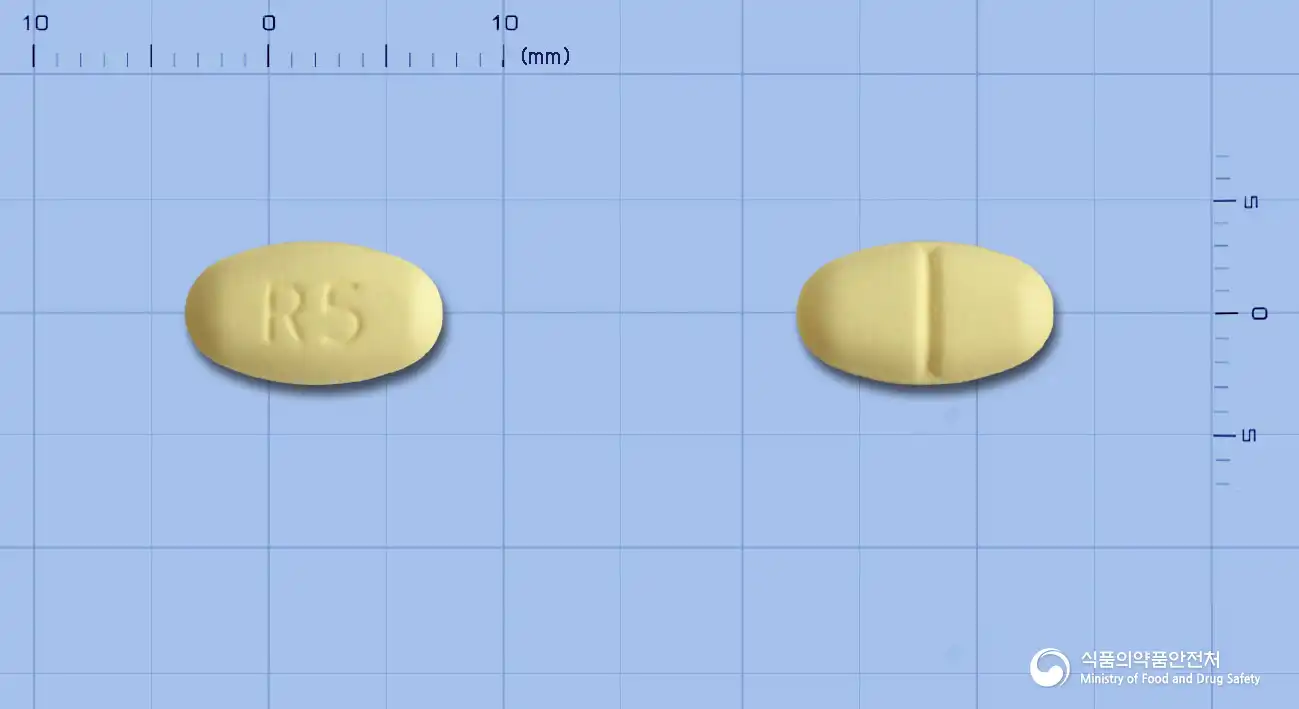 Combination
Rosuvastatin Calcium 5.2mg · Ezetimibe 10mg
Tablet · Prescription medication · Combination
Hanmi Pharmaceutical Co., Ltd.
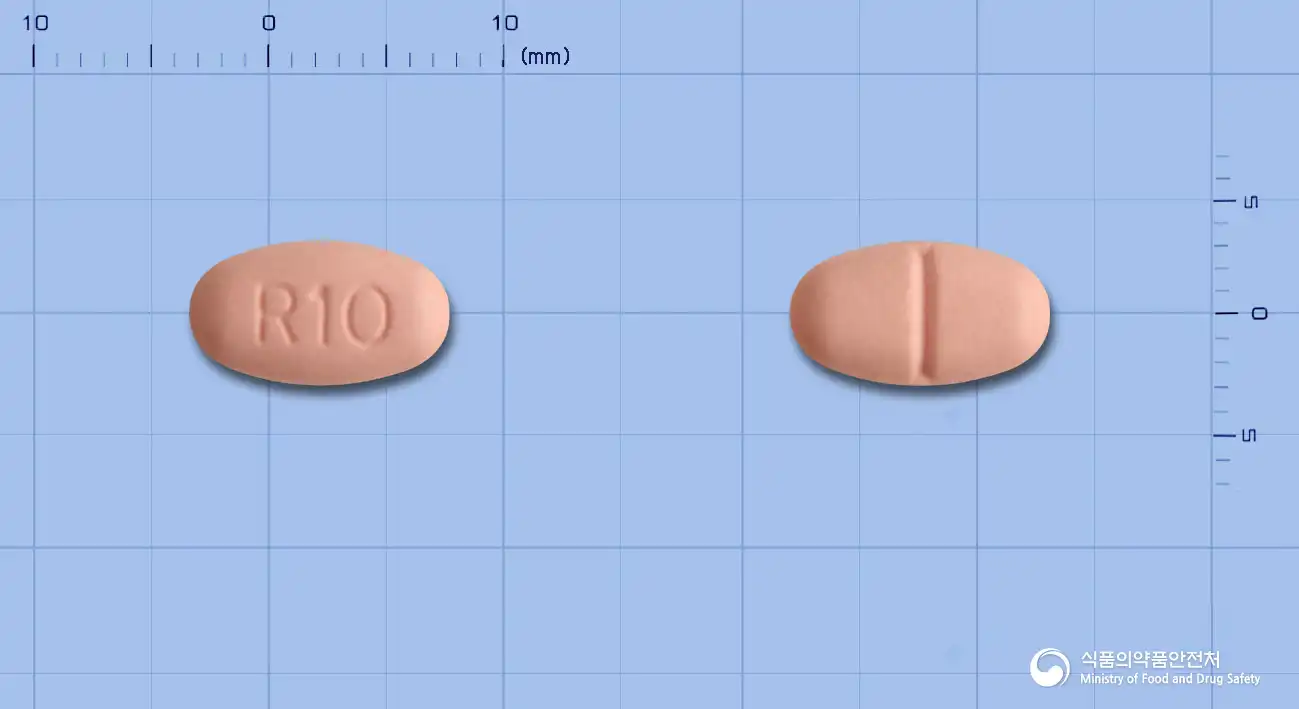 Combination
Rosuvastatin Calcium 10.4mg · Ezetimibe 10mg
Tablet · Prescription medication · Combination
Hanmi Pharmaceutical Co., Ltd.
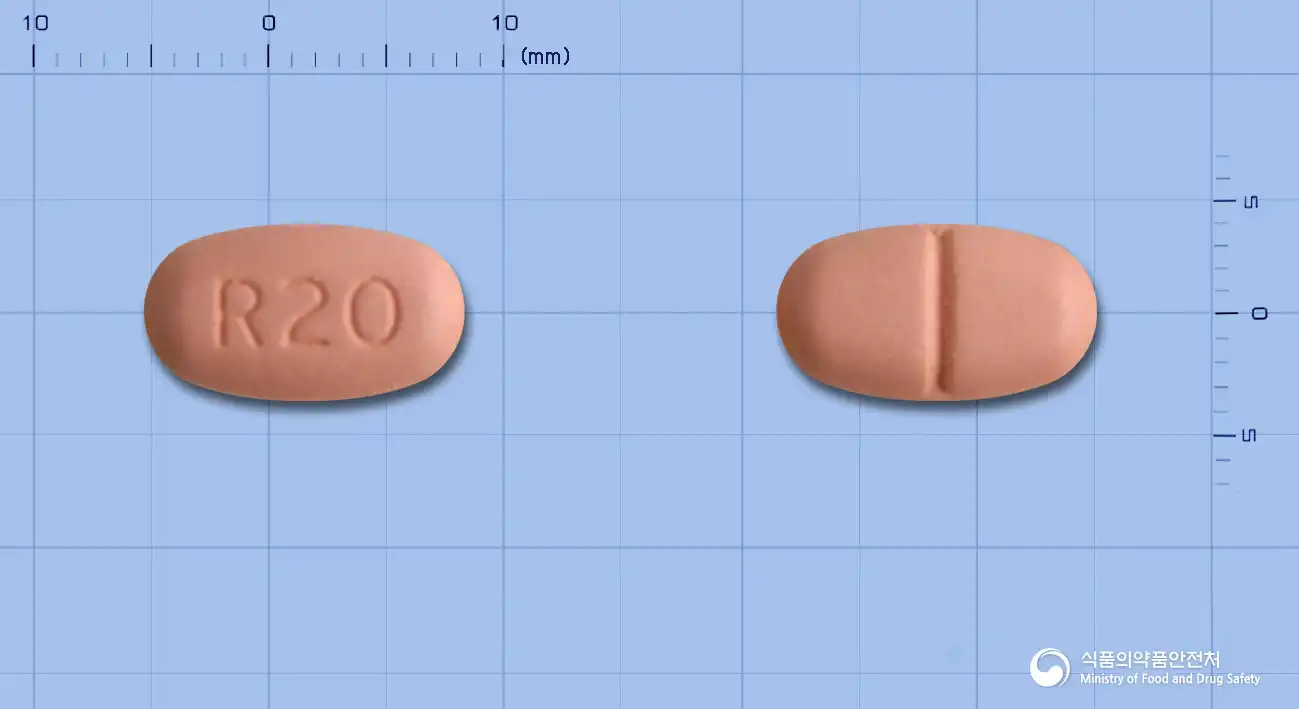 Combination
Ezetimibe 10mg · Rosuvastatin Calcium 20.8mg
Tablet · Prescription medication · Combination
Hanmi Pharmaceutical Co., Ltd.
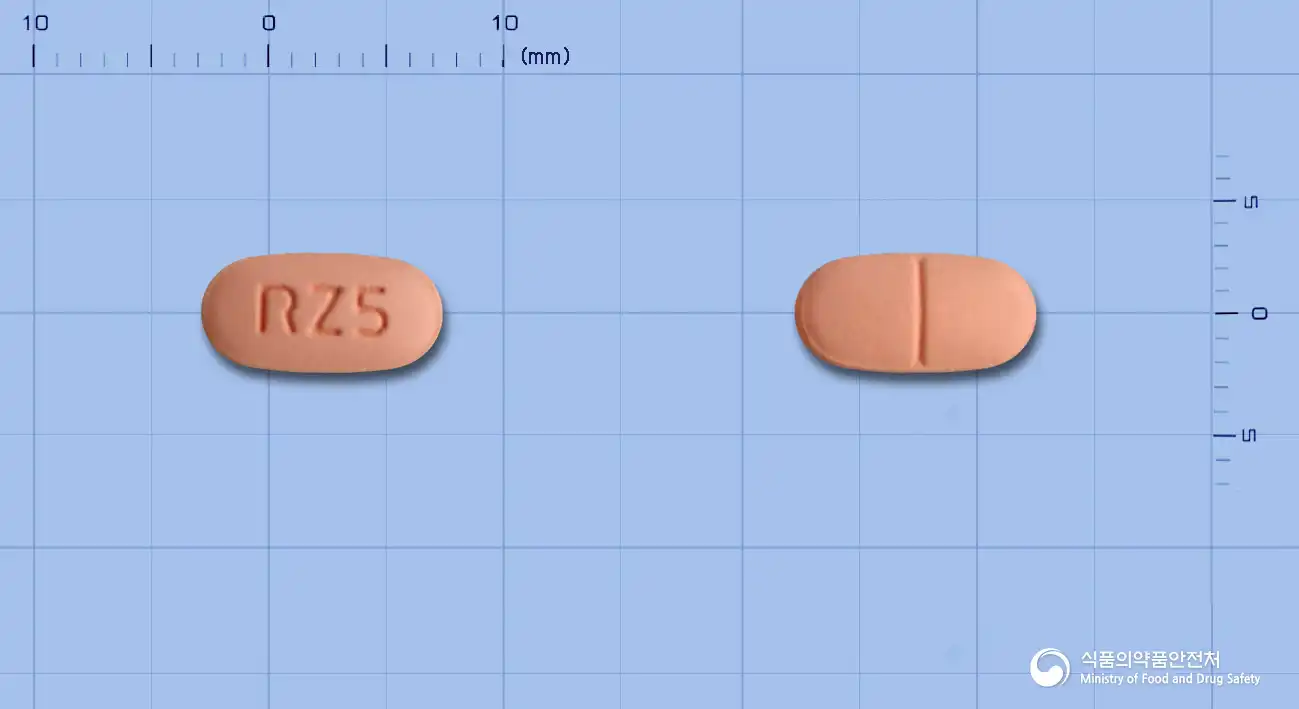 Combination
Rosuvastatin Calcium 5.2mg · Ezetimibe 10mg
Tablet · Prescription medication · Combination
Albozen Korea Co., Ltd.
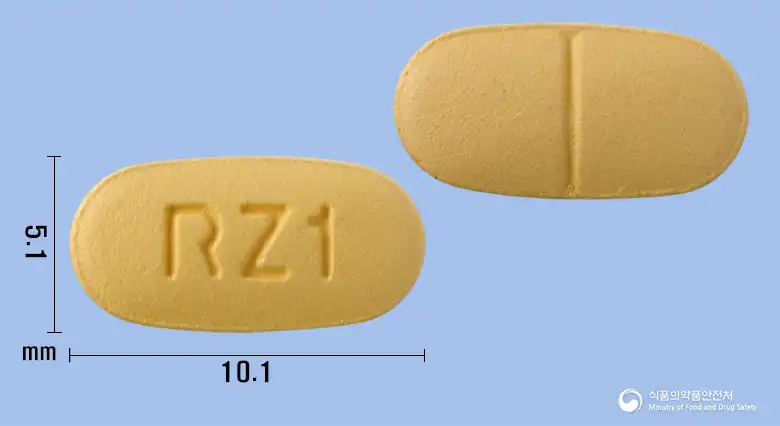 Combination
Rosuvastatin Calcium 10.4mg · Ezetimibe 10mg
Tablet · Prescription medication · Combination
Albogen Korea Co., Ltd.
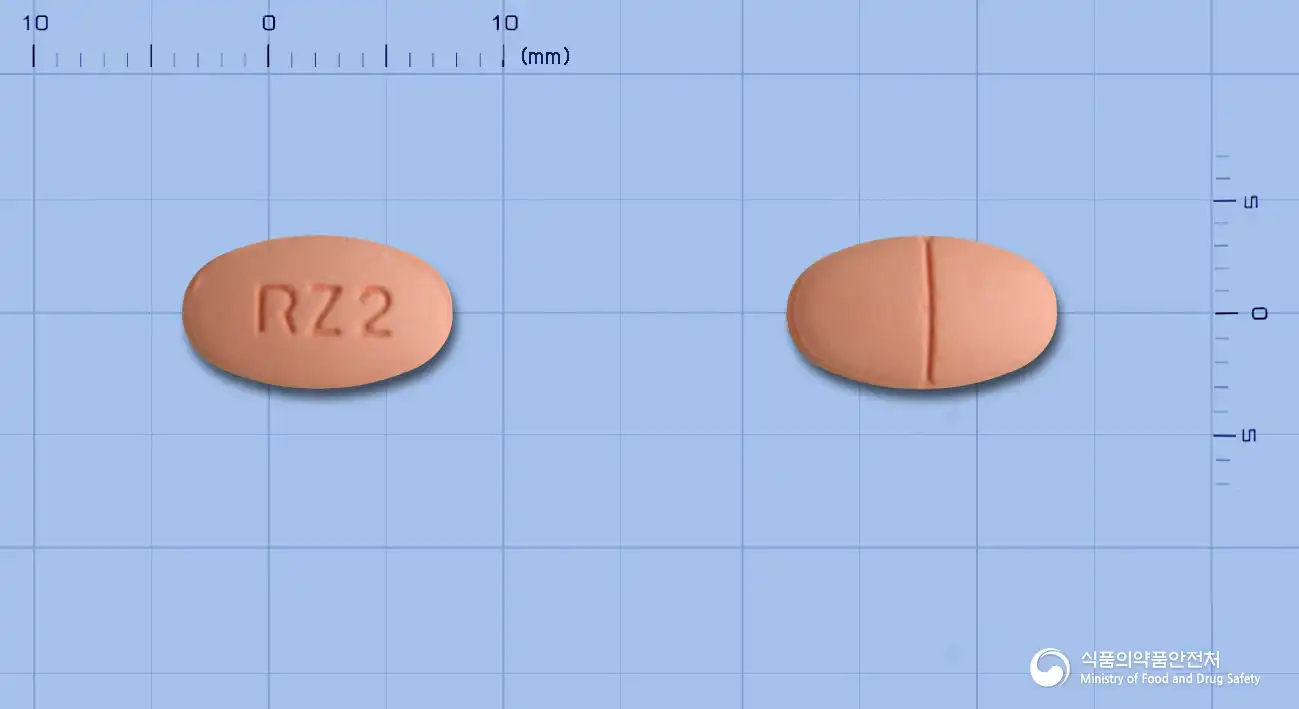 Combination
Rosuvastatin Calcium 20.8mg · Ezetimibe 10mg
Tablet · Prescription medication · Combination
Albogene Korea Co., Ltd.
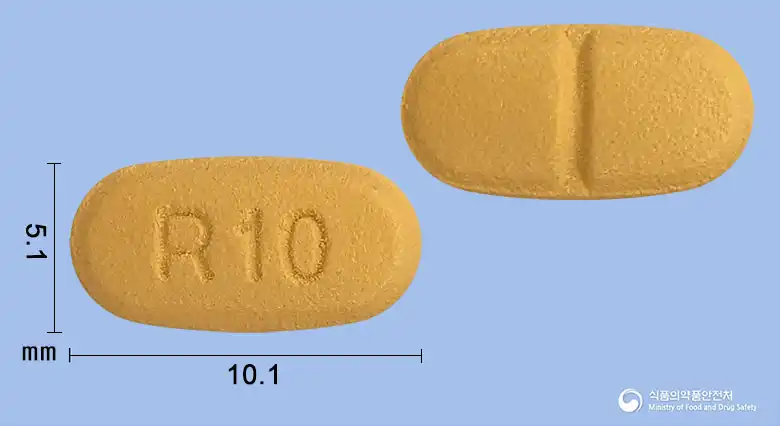 Combination
Rosuvastatin Calcium 10.4mg · Ezetimibe 10mg
Tablet · Prescription medication · Combination
Daewoong Pharmaceutical Co., Ltd.
Even with the same ingredient, the dose and directions can differ by strength and dosage form. Talk to a doctor or pharmacist before switching from a medication you are already taking.
No questions yet.
For anything that needs medical judgment, consult a doctor or pharmacist.
This drug information is based on data provided by the Korea Ministry of Food and Drug Safety.
Consult a doctor or pharmacist for accurate dosage, administration, and usage instructions.