
 한국어
 English
 日本語
 中文(简体)
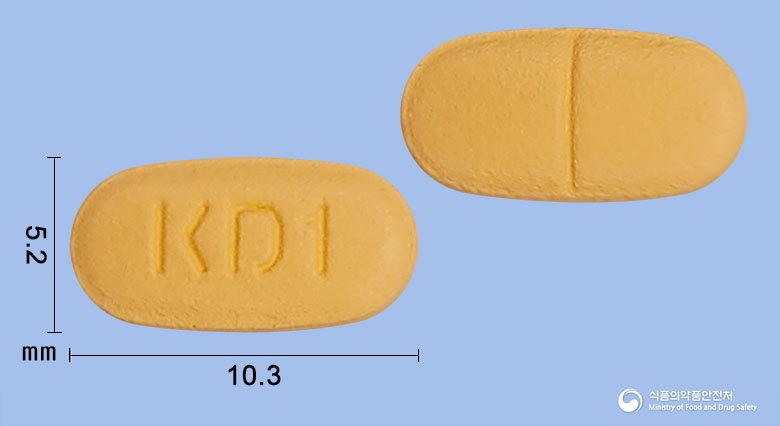 Viewing nowCombination
Roze K Tablets 10/10 mg
Rosuvastatin Calcium 10.4mg · Ezetimibe 10mg
Tablet · Prescription medication · Combination
Kwangdong Pharmaceutical Co., Ltd.
MFDS item code 202004561 · Approved 2020.06.23 · Insurance code 641806920
Improvement of primary hypercholesterolemia and mixed dyslipidemia
This medication helps improve cholesterol and triglyceride levels in patients with primary hypercholesterolemia and mixed dyslipidemia. In particular, it lowers total cholesterol, LDL cholesterol, apolipoprotein B, triglycerides, and non-HDL cholesterol levels while increasing HDL cholesterol. This medication should be used in conjunction with a dietary regimen and is administered when diet control alone is not sufficient. It is also important to confirm and treat other causes of dyslipidemia such as diabetes or hypothyroidism prior to using this medication. Since hypercholesterolemia can increase the risk of atherosclerotic vascular disease, it is necessary to manage risk factors appropriately. Thus, this medication is used to regulate patients' cholesterol and lipid levels to improve health.
This medicine is administered once daily, regardless of meals. Patients must continue a standard cholesterol-lowering diet before and during treatment with this medicine. The dose should be adjusted according to the patient's baseline LDL cholesterol level, recommended treatment target, and response. Primary hypercholesterolemia The dosage range of this medicine is 10/5mg to 10/20mg daily. The recommended starting dose is 10/5mg once daily. The dose may be adjusted for patients who require a greater reduction in LDL cholesterol. After starting this medicine or adjusting the dose, check blood lipid levels at intervals of at least 4 weeks and adjust the dose accordingly; the dose may be increased up to a maximum of 10/20mg daily. Patients taking ezetimibe and rosuvastatin concomitantly may switch to this medicine (a combination product containing the same amount of each active ingredient) for convenience.
There is a risk of severe muscle problems associated with this medication; thus, if symptoms such as muscle pain or weakness occur, the physician should be notified immediately. In particular, in cases of severe infection, hypotension, major surgery or trauma, or serious metabolic or electrolyte abnormalities, the use of this medication may need to be temporarily suspended or discontinued. It should not be used by individuals with allergies to the ingredients, active liver disease, muscle disorders, or severe renal function impairment. It should also not be administered to pregnant women or women who may become pregnant, or to nursing mothers. Patients with a history of alcohol dependence or liver disease, as well as those with severe liver dysfunction, should use this medication with caution. Additionally, elderly patients or those with hypothyroidism, a genetic history of muscle disease, or patients taking certain other medications should also exercise caution. This medication contains lactose, so patients with genetic issues such as lactose intolerance should not take it. Regular monitoring of liver function and muscle enzyme levels should be performed before and during administration, and appropriate measures should be taken if abnormalities are found. Adverse symptoms such as liver damage, skin rashes, severe muscle pain, muscle weakness, dizziness, dyspepsia may occur; if these symptoms develop, healthcare personnel should be consulted immediately. As this medication can interact with other drugs, particularly anticoagulants, fibrate drugs, and certain antibiotics and antifungals, it is essential to inform the physician if you are taking these medications. This medication is not recommended for children due to established safety and efficacy concerns, and caution is needed for the elderly as the risk of myopathy is increased. In the case of overdose, there is no specific antidote, and treatment should be symptomatic with liver and muscle function testing as necessary. Finally, when storing this medication, keep it out of reach of children and do not transfer it to another container.
Acute kidney failure due to myoglobinuria, rhabdomyolysis, nasopharyngitis, dyspepsia, increased ALT, edema, myalgia, increased AST, headache, acute pyelonephritis, dry mouth, increased liver enzymes, abnormal liver function tests, increased serum lactate dehydrogenase, pruritus, upper respiratory infection, increased blood glucose, increased serum CPK, chest discomfort, arthralgia, fatigue, numbness, sensory disturbances, syncope, generalized pain, muscle cramps, gout, erectile dysfunction, vascular edema, diabetes, headache, dizziness, constipation, nausea, abdominal pain, pancreatitis, itching, rash, urticaria, myopathy, myositis, weakness, thrombocytopenia, jaundice, hepatitis, increased transaminases, Stevens-Johnson syndrome, drug reaction with eosinophilia and systemic symptoms, lupus-like syndrome, muscle rupture, joint pain, immune-mediated necrotizing myopathy, hematuria, sweating, dermatitis, skin burning sensation, skin disorders, alopecia, oropharyngeal pain, nasal congestion, respiratory distress, pelvic pain, breast cysts, ptosis, diabetic retinopathy, ear discomfort, renal dysfunction, benign esophageal neoplasm, chest pain, strange sensation, drug intolerance, irritable bowel syndrome, esophagitis, dizziness, somnolence, neurodegenerative disorders, positional vertigo, migraine, glucose load intolerance, depression, bronchitis, rhinitis, cystitis, onychomycosis, soft tissue infection, hepatic steatosis, liver dysfunction, liver toxicity, acute hepatitis, toxic hepatitis, increased gamma-glutamyl transferase, increased blood cholesterol, increased blood alkaline phosphatase, irregular heart rate, osteoarthritis, osteoporosis, musculoskeletal rigidity, musculoskeletal discomfort, muscle weakness, sweating, dermatitis, skin burning sensation, skin disorders, alopecia, oropharyngeal pain, nasal congestion, respiratory distress, pelvic pain, breast cysts, ptosis, diabetic retinopathy, ear discomfort, renal dysfunction, benign esophageal neoplasm, kidney failure, headache, abdominal pain, diarrhea, fatigue, chest pain, chest discomfort, weakness, systemic edema, diabetic neuropathy, tremor, epigastric pain, vomiting, gastritis, dry mouth, epigastric discomfort, belching, gastrointestinal disorder, gastroesophageal reflux disease, tongue disorders, palpitations, congestive heart failure, myocardial ischemia, flushing, cough, sputum, rhinorrhea, limb pain, arthralgia, diabetes, hypoglycemia, anemia, splenomegaly, urticaria, hyperhidrosis, rash, pruritus, upper respiratory infection, conjunctival injection, increased serum creatinine, increased blood pressure, increased serum urea, abnormal liver function tests
Not everyone experiences these, and they can vary from person to person.
This medication should be stored in a tightly closed container to prevent air or moisture from entering, and it is recommended to keep it at room temperature between 1 and 30 degrees Celsius. Proper storage helps maintain the medication's effectiveness over time.
Yellow oblong film-coated tablet
30 tablets/box [10 tablets/PTP * 3]
Even with the same ingredient, strength, dosage form and how it is taken can differ.
Viewing nowCombinationRosuvastatin Calcium 10.4mg · Ezetimibe 10mg
Tablet · Prescription medication · Combination
Kwangdong Pharmaceutical Co., Ltd.
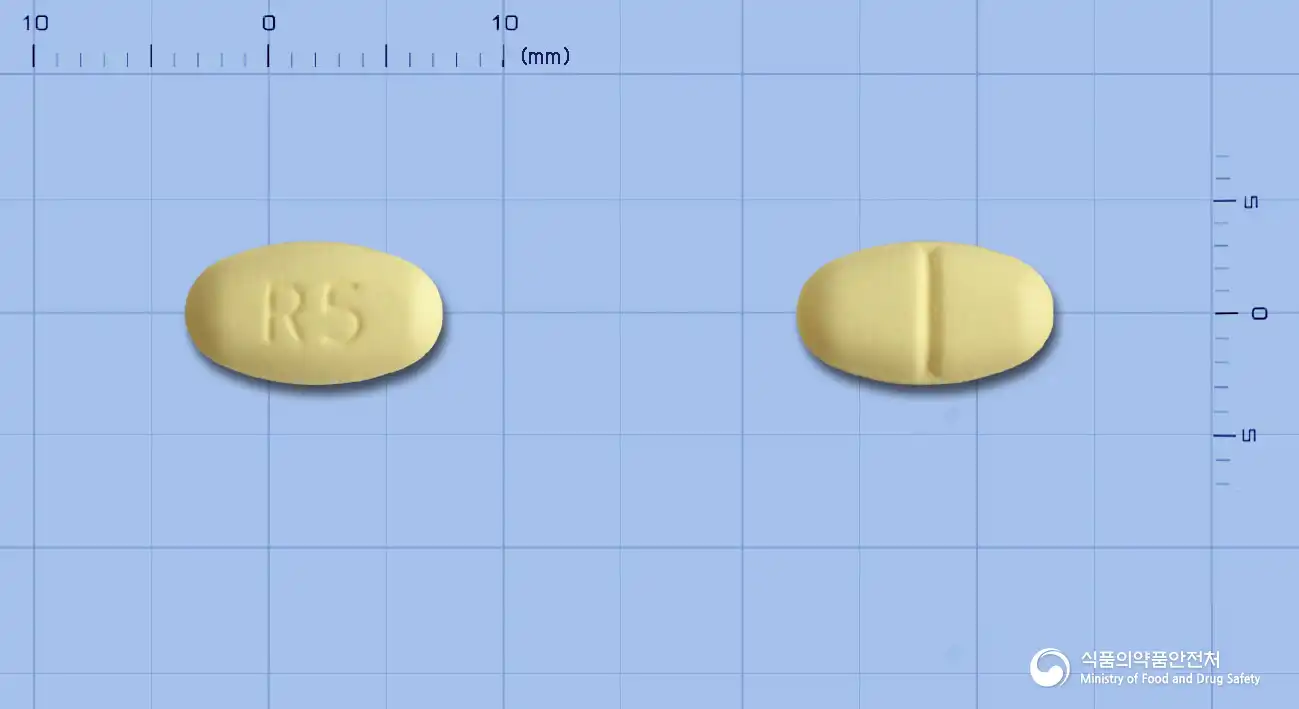 Combination
Rosuvastatin Calcium 5.2mg · Ezetimibe 10mg
Tablet · Prescription medication · Combination
Hanmi Pharmaceutical Co., Ltd.
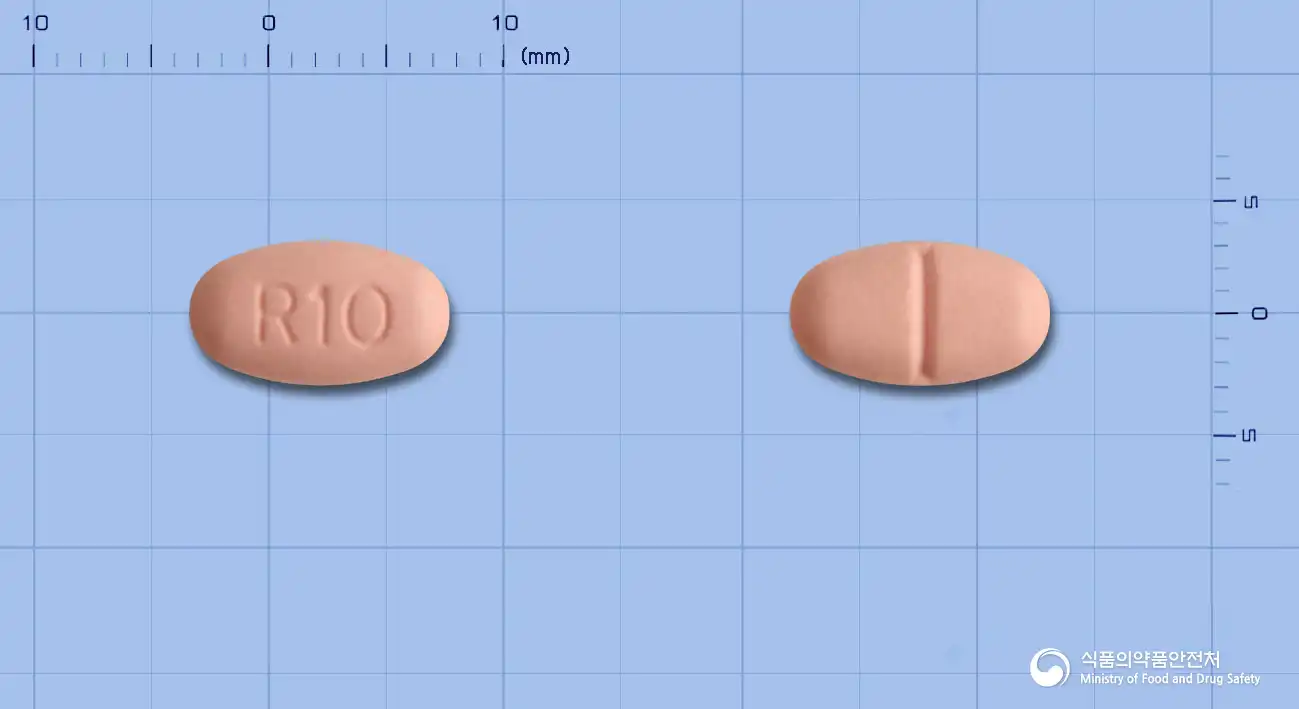 Combination
Rosuvastatin Calcium 10.4mg · Ezetimibe 10mg
Tablet · Prescription medication · Combination
Hanmi Pharmaceutical Co., Ltd.
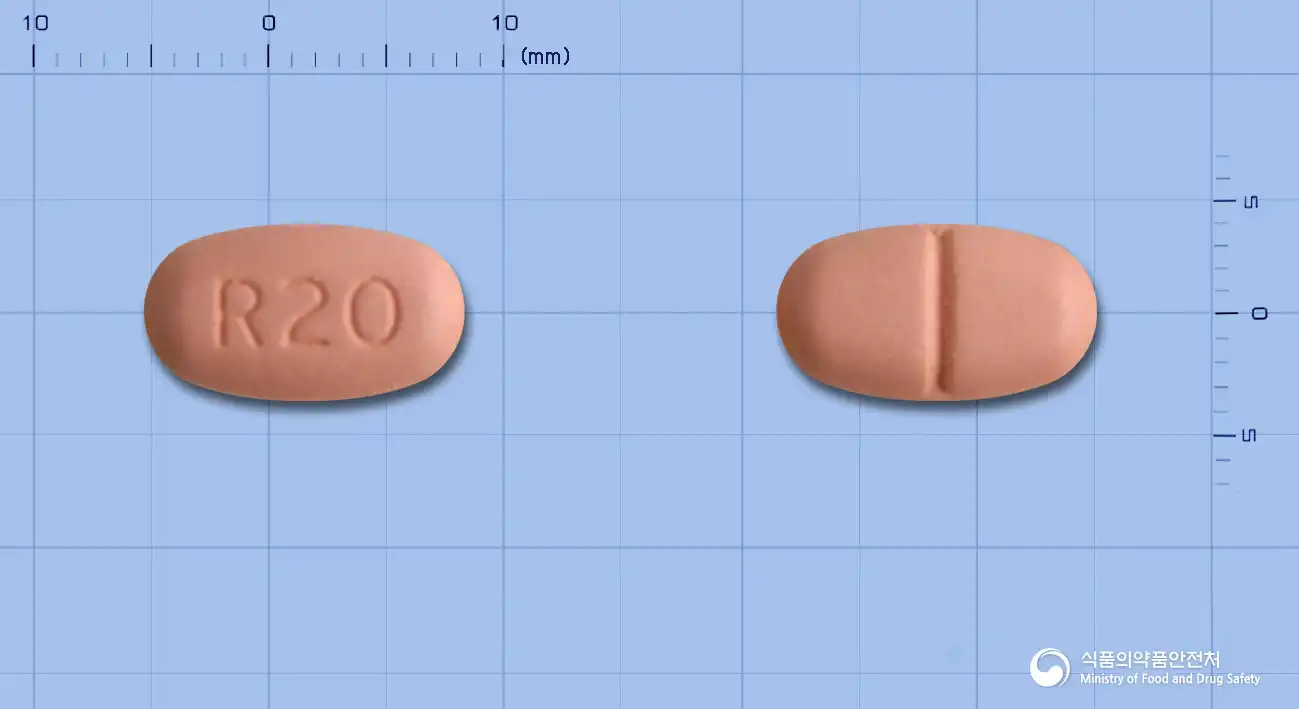 Combination
Ezetimibe 10mg · Rosuvastatin Calcium 20.8mg
Tablet · Prescription medication · Combination
Hanmi Pharmaceutical Co., Ltd.
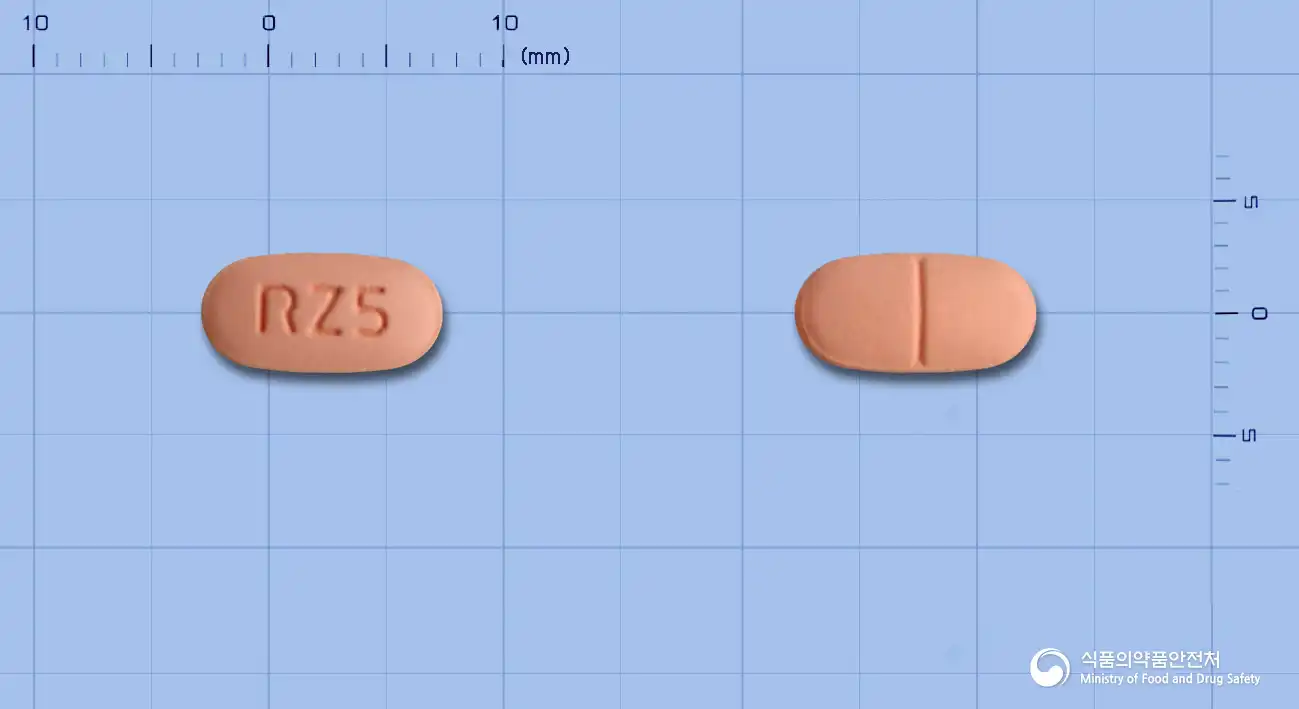 Combination
Rosuvastatin Calcium 5.2mg · Ezetimibe 10mg
Tablet · Prescription medication · Combination
Albozen Korea Co., Ltd.
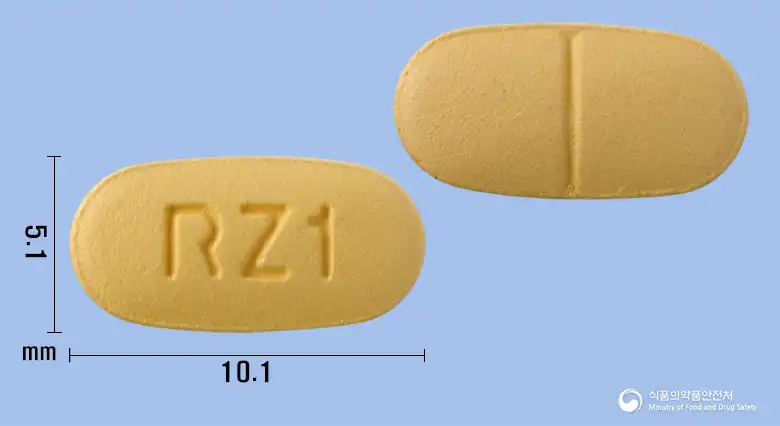 Combination
Rosuvastatin Calcium 10.4mg · Ezetimibe 10mg
Tablet · Prescription medication · Combination
Albogen Korea Co., Ltd.
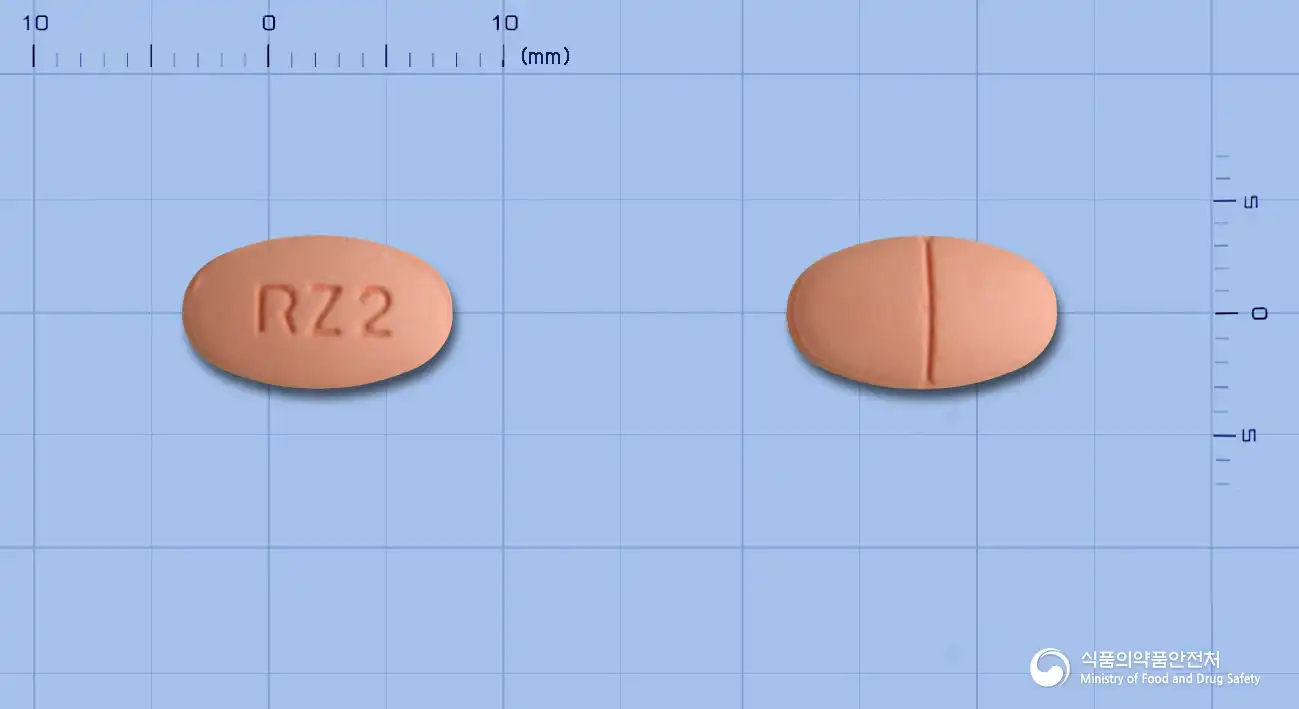 Combination
Rosuvastatin Calcium 20.8mg · Ezetimibe 10mg
Tablet · Prescription medication · Combination
Albogene Korea Co., Ltd.
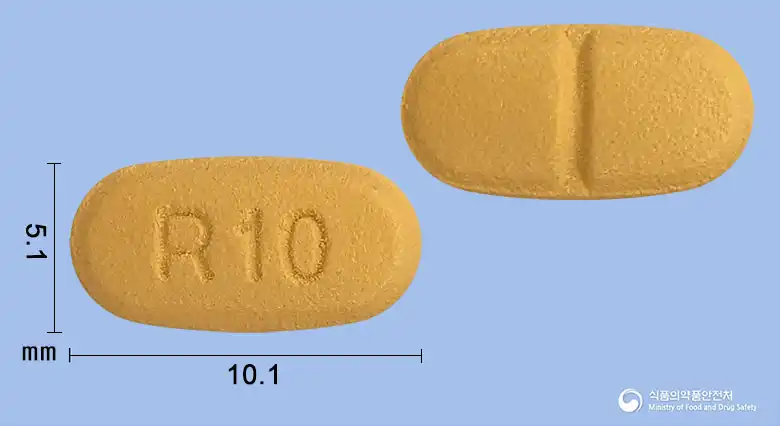 Combination
Rosuvastatin Calcium 10.4mg · Ezetimibe 10mg
Tablet · Prescription medication · Combination
Daewoong Pharmaceutical Co., Ltd.
Even with the same ingredient, the dose and directions can differ by strength and dosage form. Talk to a doctor or pharmacist before switching from a medication you are already taking.
No questions yet.
For anything that needs medical judgment, consult a doctor or pharmacist.
This drug information is based on data provided by the Korea Ministry of Food and Drug Safety.
Consult a doctor or pharmacist for accurate dosage, administration, and usage instructions.