
 한국어
한국어 English
 日本語
日本語 中文(简体)
Dosage form image
Viewing nowPodave Tablet 10mg (Dapagliflozin)
Dapagliflozin 10mg
Tablet · Prescription medication
Litepharmtech Co., Ltd.
MFDS item code 202004451 · Approved 2020.06.17
This product's status changed to Expired on 2025.06.17. It may no longer be sold, so consult a doctor or pharmacist before taking it.
Improvement of blood sugar control in type 2 diabetes
This medication is used to help manage blood sugar in patients with type 2 diabetes. It can be administered alone or in combination with other diabetes medications alongside dietary and exercise regimens. For instance, it can be used in combination therapy when blood sugar control is insufficient with monotherapy such as metformin or sulfonylureas. Additionally, it may be added in cases where blood sugar control is difficult during insulin therapy or with the Dipeptidyl Peptidase-4 inhibitor sitagliptin. This medication helps enhance treatment outcomes and improve blood sugar control as part of various therapeutic combinations.
The recommended dose of this medication for both monotherapy and as an add-on to insulin or other glucose-lowering agents is 10 mg once daily. In cases of initial combination therapy, when there is no prior experience with diabetes medications, it can be administered at a dose of 5 mg or 10 mg once daily when taken with metformin. This medication can be taken orally at any time of the day, regardless of meals. The tablet should be swallowed whole.
The efficacy and safety of this medication in pediatric patients under 18 years of age have not been established. There is no relevant data.
This medication should not be used in certain patients. Individuals allergic to the active ingredient or excipients, patients with type 1 diabetes, those with diabetic ketoacidosis, and those with lactose intolerance should not take this medication. Additionally, patients undergoing dialysis should not be administered this medication. Caution is advised for patients with dehydration or impaired kidney function. This medication can lower blood pressure or reduce blood volume, potentially causing hypotension or acute kidney injury, so renal function and fluid status should be adequately monitored prior to administration, and signs of hypotension and renal function should be continuously observed during treatment. Blood sugar control efficacy may diminish in patients with moderate to severe renal impairment. During treatment with this medication, side effects such as genital infections, urinary tract infections, hypoglycemia, reduced fluid volume, dizziness, constipation, dry mouth, back pain, dysuria, polyuria, nocturia, interstitial nephritis, vulvar pruritus, genital itching, elevated hematocrit, decreased renal creatinine clearance at the start of treatment, dyslipidemia, elevated serum creatinine at the start of treatment, elevated blood urea, weight loss, urticaria, cold sweats, itching, cough, shortness of breath, palpitations, insomnia, tinnitus, and urinary retention may occur. Genital infections are more common in women, and the risk of recurrence is higher in those with a history of infections. Hypoglycemia may particularly occur when taken with insulin or sulfonylureas, so caution is needed. Reduced fluid volume may lead to symptoms of dehydration or hypotension, so immediate medical consultation is required if symptoms occur. This medication is not recommended for patients with severe liver impairment, and elderly patients or those taking diuretics should be cautious due to the higher risk of fluid volume depletion and hypotension. Furthermore, this medication may yield a positive result for glucose on urine tests, which should be considered when interpreting test results. Pregnant or breastfeeding women are advised not to use this medication, and it should be discontinued immediately if pregnancy is confirmed. This medication may interact with other drugs, requiring dose adjustments according to the physician's instructions, especially when taken with diuretics, insulin, or insulin secretagogues. In the event of an overdose, there are no specific antidotes, so appropriate treatment should be given based on symptoms, and methods for removing this medication by dialysis are not known. Finally, while this medication does not significantly impact driving or machinery operation, caution is needed due to the risk of hypoglycemia. Always store it out of reach of children and keep it in its original container for safety.
Not everyone experiences these, and they can vary from person to person.
This medication should be stored in a tightly sealed container to protect from air and moisture. It is best to maintain storage temperatures between 1 to 30 degrees Celsius.
Yellow, double convex, rhombus-shaped film-coated tablet
100 tablets/bottle, 8 tablets/Blister pack
Even with the same ingredient, strength, dosage form and how it is taken can differ.
Dapagliflozin 10mg
Tablet · Prescription medication
Litepharmtech Co., Ltd.
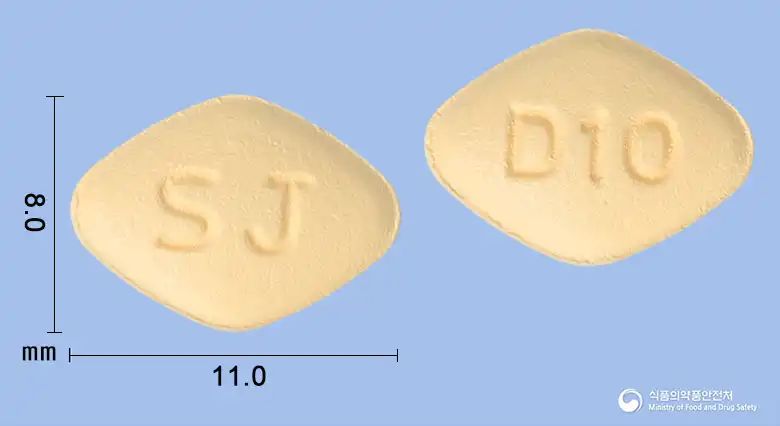
Dapagliflozin 10mg
Tablet · Prescription medication
Samjin Pharmaceutical Co., Ltd.
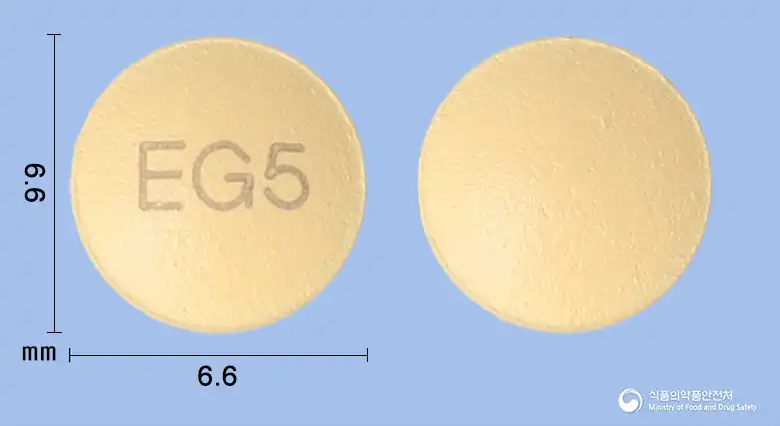
Dapagliflozin 5mg
Tablet · Prescription medication
Jongkundang Co., Ltd.
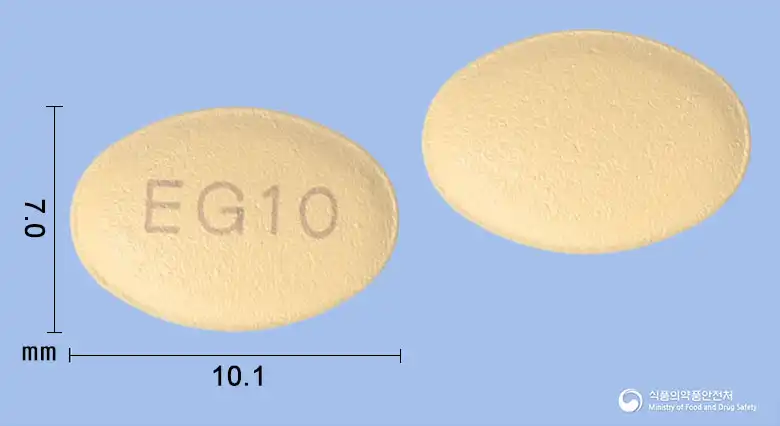
Dapagliflozin 10mg
Tablet · Prescription medication
Jongkundang Co., Ltd.
Dapagliflozin 10mg
Tablet · Prescription medication
Korea Prime Pharma Co., Ltd.
Dapagliflozin 10mg
Tablet · Prescription medication
Withus Pharmaceutical Co., Ltd.
Dapagliflozin 10mg
Tablet · Prescription medication
IYUN Pharmaceutical Co., Ltd.
Dapagliflozin 10mg
Tablet · Prescription medication
Samchundang Pharm. Co., Ltd.
Even with the same ingredient, the dose and directions can differ by strength and dosage form. Talk to a doctor or pharmacist before switching from a medication you are already taking.
No questions yet.
For anything that needs medical judgment, consult a doctor or pharmacist.
This drug information is based on data provided by the Korea Ministry of Food and Drug Safety.
Consult a doctor or pharmacist for accurate dosage, administration, and usage instructions.