
 한국어
한국어 English
 日本語
日本語 中文(简体)
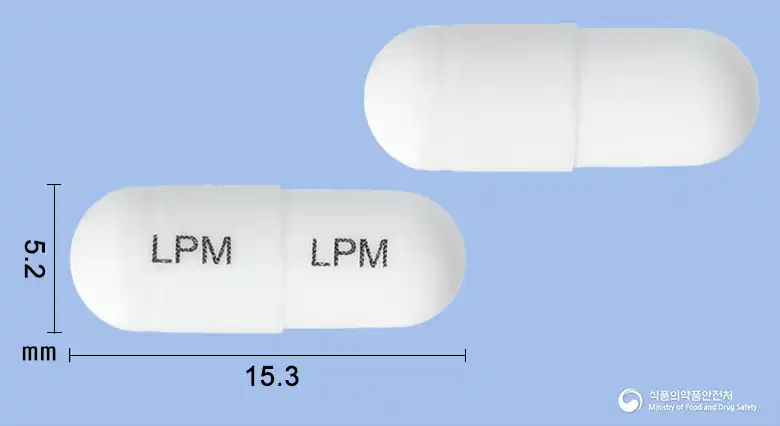
Dosage form image
Viewing nowLoperakim Capsule (Loperamide Hydrochloride)
Loperamide Hydrochloride 2mg
OTC medication
KIMS Pharmaceutical Co., Ltd.
MFDS item code 202004421 · Notified 2020.06.16
This product's status changed to Expired on 2025.06.16. It may no longer be sold, so consult a doctor or pharmacist before taking it.
Relief of acute and chronic diarrhea
This medication is used to relieve the symptoms of acute and chronic diarrhea.
Acute Diarrhea: The initial dose is 4 mg of loperamide hydrochloride orally, with maintenance doses of 2 mg each time there is a loose stool. The daily regular dose is 6-8 mg, with a maximum daily dose of 16 mg. Chronic Diarrhea: The initial dose is 4 mg of loperamide hydrochloride orally, with 2 mg administered each time there is a loose stool until the diarrhea is resolved. After that, the dosage should be reduced individually as needed, and the optimal daily dose should be divided into one or two administrations. Typically, the maintenance dose is 2-6 mg per day, with a maximum dose of 16 mg.
Acute Diarrhea: The initial dose is 2 mg of loperamide hydrochloride orally, with a maintenance dose of 2 mg given each time there is a loose stool. The maximum daily dose is 6 mg. Adjust according to age and symptoms.
This medication should not be used in infants under 24 months, children with chronic diarrhea, or patients with bacterial diarrhea presenting with bloody stools and high fever. Additionally, it should not be administered to patients with acute ulcerative colitis, patients with pseudomembranous colitis from broad-spectrum antibiotic administration, or patients with severe intestinal diseases such as intestinal obstruction or megacolon. If symptoms such as abdominal distension, constipation, or intestinal obstruction occur, use should be discontinued immediately, and patients who have had allergic reactions to this medication should not use it. This medication contains lactose, so it should not be administered to patients with lactose intolerance or related genetic disorders. Patients with impaired liver function should use this medication cautiously and should be closely monitored for central nervous system side effects. This medication does not directly treat the cause of diarrhea but relieves symptoms, so if acute diarrhea does not improve within 48 hours or chronic diarrhea does not improve within 10 days, use should be discontinued and a specialist should be consulted. Fluid and electrolyte loss may occur due to diarrhea, so proper fluid and electrolyte replenishment is especially necessary for children. During the use of this medication, symptoms such as fatigue, dizziness, and drowsiness may occur, so caution is required when driving or operating machinery. In early pregnancy, the benefits and risks of using this medication should be carefully considered prior to administration, and while breastfeeding, it is not recommended as the medication may be excreted in small amounts in breast milk. Special care is needed for children, and children aged 24 months to under 7 years should take it strictly according to the instruction of a specialist. The elderly may have decreased physical functions; hence, careful dose adjustment is recommended. In cases of overdose, serious side effects such as central nervous system depression, respiratory depression, and cardiac arrhythmias may occur, and the prescribed dosage should not be exceeded. In case of overdose, seek medical attention immediately. This medication may interact with other drugs, so it is important to consult a specialist if other medications are being taken.
Not everyone experiences these, and they can vary from person to person.
This medication should be stored in a tightly sealed container to protect it from air and moisture. The storage temperature should ideally be maintained at room temperature between 15 degrees and 25 degrees.
A capsule with white contents, consisting of a white shell.
1,000 capsules per bottle
Even with the same ingredient, strength, dosage form and how it is taken can differ.
Loperamide Hydrochloride 2mg
OTC medication
KIMS Pharmaceutical Co., Ltd.
Loperamide Hydrochloride 2mg
Hard capsule · OTC medication
Youngil Pharmaceutical Co., Ltd.

Loperamide Hydrochloride 2mg
Hard capsule · OTC medication
Taeguk Pharmaceutical Co., Ltd.

Loperamide Hydrochloride 2mg
Hard capsule · OTC medication
GL Pharma Co., Ltd.

Loperamide Hydrochloride 2mg
Hard capsule · OTC medication
Samnam Pharmaceutical Co., Ltd.

Loperamide Hydrochloride 2mg
Hard capsule · OTC medication
Future Bio Pharmaceutical Co., Ltd.

Loperamide Hydrochloride 2mg
Hard capsule · OTC medication
Aprogen Pharmaceuticals, Co., Ltd.
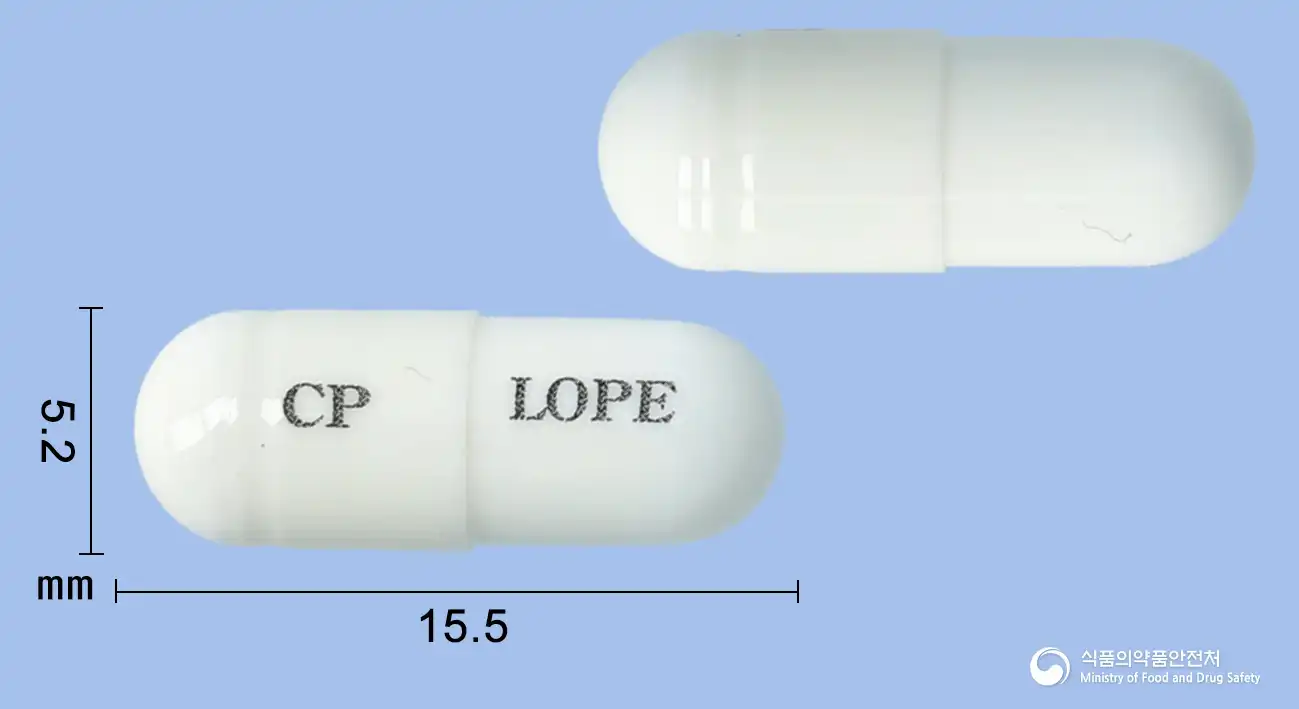
Loperamide Hydrochloride 2mg
Hard capsule · OTC medication
CMG Pharmaceutical Co., Ltd.
Even with the same ingredient, the dose and directions can differ by strength and dosage form. Talk to a doctor or pharmacist before switching from a medication you are already taking.
No questions yet.
For anything that needs medical judgment, consult a doctor or pharmacist.
This drug information is based on data provided by the Korea Ministry of Food and Drug Safety.
Consult a doctor or pharmacist for accurate dosage, administration, and usage instructions.