
 한국어
 English
 日本語
 中文(简体)
Dosage form image
Viewing nowHyquin Tablet (Hydroxychloroquine Sulfate) (Export)
Hydroxychloroquine Sulfate 200mg
Tablet · Prescription medication
Kims Pharmaceutical Co., Ltd.
MFDS item code 202004169 · Approved 2020.06.01
Treatment of autoimmune diseases (e.g., arthritis) and photosensitive skin disorders; treatment and prevention of malaria
This medication is used for rheumatoid arthritis, juvenile rheumatoid arthritis, discoid and systemic lupus erythematosus, and photosensitive skin conditions. It is also effective for the treatment and prevention of malaria, particularly against P. vivax, P. malariae, P. ovale, and sensitive strains of P. falciparum. By modulating inflammation and immune response, this medication helps improve symptoms and prevents and treats malaria infection.
1. Rheumatoid arthritis, juvenile rheumatoid arthritis, discoid and systemic lupus erythematosus, and photosensitive skin disorders 1) Adults - The initial dose is 200~400mg/day; if 400mg is given, administer in divided doses. Once an effect is observed, reduce the dose to 200mg/day; if the effect is inadequate, increase the dose to 400mg/day. The maintenance dose should be the minimum effective dose and must not exceed 6.5mg/kg/day. * It may take several weeks for this medication to take effect, whereas adverse reactions may occur sooner. * If there is no improvement in symptoms after 6 months of treatment for rheumatoid arthritis, juvenile rheumatoid arthritis, discoid or systemic lupus erythematosus, discontinue treatment. * For photosensitive disorders, administer only during periods of substantial exposure. 2. Malaria 1) Treatment (1) Adults - For treatment of acute disease, administer 800mg initially, followed by three additional doses of 400mg at 6∼8-hour intervals, for a total of 2g over 2 days. For acute disease caused by Plasmodium falciparum or Plasmodium vivax, a single dose of 800mg may be administered. 2) Prevention (1) Adults - Starting 2 weeks before exposure, administer 6mg/kg (usually 400mg) once weekly.
1. Rheumatoid arthritis, juvenile rheumatoid arthritis, discoid and systemic lupus erythematosus, and photosensitive skin disorders 2) Children - The usual average daily dose is 200∼400mg. The maintenance dose should be the minimum effective dose and must not exceed 6.5mg/kg/day or the adult dose, regardless of body weight. 2. Malaria 1) Treatment (2) Children - Administer 10mg/kg of chloroquine initially, followed by three additional doses of 5mg/kg at 6-8-hour intervals, for a total of 25mg/kg over 2 days. However, the adult dose must not be exceeded. 2) Prevention (2) Children - Starting 2 weeks before exposure, administer 6mg/kg once weekly. Therefore, it is preferable not to administer this medication to children weighing less than 30∼40kg, as even 1 tablet (200mg) would exceed the appropriate dose.
This medication should not be used in certain patients. For example, it is contraindicated in individuals allergic to this drug or related compounds, those with eye problems or taking medications that can cause visual disturbances, pregnant or breastfeeding women, and patients with genetic issues such as lactose intolerance. Additionally, some patients should use this medication with caution. It should be considered after consulting a doctor for patients with allergies to quinine, psoriasis, liver disease, kidney disease, severe gastrointestinal disorders, neurological disorders, blood disorders, porphyria, etc. This medication can affect the eyes, potentially causing blurred vision or retinal abnormalities, so regular ophthalmic examinations are necessary. If there are changes in vision, usage should be discontinued immediately and a specialist consulted. Skin reactions such as rashes, hair loss, hives may occur, and in severe cases, life-threatening skin diseases may develop, requiring caution. Gastrointestinal symptoms like nausea, diarrhea, abdominal pain might occur; consult a doctor if these symptoms appear. There can be central nervous system and muscular side effects such as fatigue, headache, hallucinations, muscle weakness, so symptoms should be reported. Severe side effects related to blood disorders, arrhythmias, hepatic dysfunction have been reported, necessitating regular blood tests and cardiac evaluations. This medication can interact with other drugs; if you are taking any other medications, you must inform your healthcare professional. Special caution is needed when combined with medications that may cause cardiac arrhythmias or affect hepatic metabolism. During pregnancy or breastfeeding, it should not be used as it can be harmful to the fetus or infant. In case of overdose, severe symptoms may occur requiring immediate emergency care, with special caution for children as it is particularly dangerous for them. This medication should be stored out of reach of children and should not be transferred to other containers for safety.
Visual disturbances, retinal abnormalities, reduced corneal sensitivity, corneal opacity, retinopathy, visual impairment, scotoma, color ring, glare, skin rash, urticaria, pigment changes in skin and mucous membranes, hair depigmentation, alopecia, vesicular rash, erythema multiforme, Stevens-Johnson syndrome, phototoxic reactions, exfoliative dermatitis, Sweet's syndrome, severe cutaneous adverse reactions, acute generalized exanthematous pustulosis, DRESS syndrome, nausea, diarrhea, loss of appetite, abdominal pain, upper abdominal cramps, vomiting, weakness, fatigue, sensorineural hearing loss, hallucinations, headache, drowsiness, restrictive neurocognitive reaction, mood changes, nightmares, tinnitus, dizziness, hearing loss, unstable mood changes, psychosis, convulsions, skeletal muscle myopathy, neuromuscular myopathy, perceptual changes, decreased tendon reflex, abnormal nerve conduction, aplastic anemia, agranulocytosis, leukopenia, thrombocytopenia, bone marrow depression, QT prolongation, torsades de pointes, ventricular tachycardia, ventricular tachycardia, cardiomyopathy, left ventricular hypertrophy, conduction disturbance, abnormal liver function test results, acute liver failure, hepatocellular damage, cholestatic liver damage, acute hepatitis, mixed hepatocellular/cholestatic liver damage, fulminant liver failure, depression, anxiety, agitation, confusion, delusions, mania, sleep disorders, weight loss, malaise
Not everyone experiences these, and they can vary from person to person.
This medication should be stored in a sealed container to prevent air ingress, at room temperature between 1 and 30 degrees Celsius. This helps maintain the drug's efficacy for a long time.
White round film-coated tablets
30 tablets/bottle, 100 tablets/bottle, 300 tablets/bottle, 500 tablets/bottle
Even with the same ingredient, strength, dosage form and how it is taken can differ.
Hydroxychloroquine Sulfate 200mg
Tablet · Prescription medication
Kims Pharmaceutical Co., Ltd.
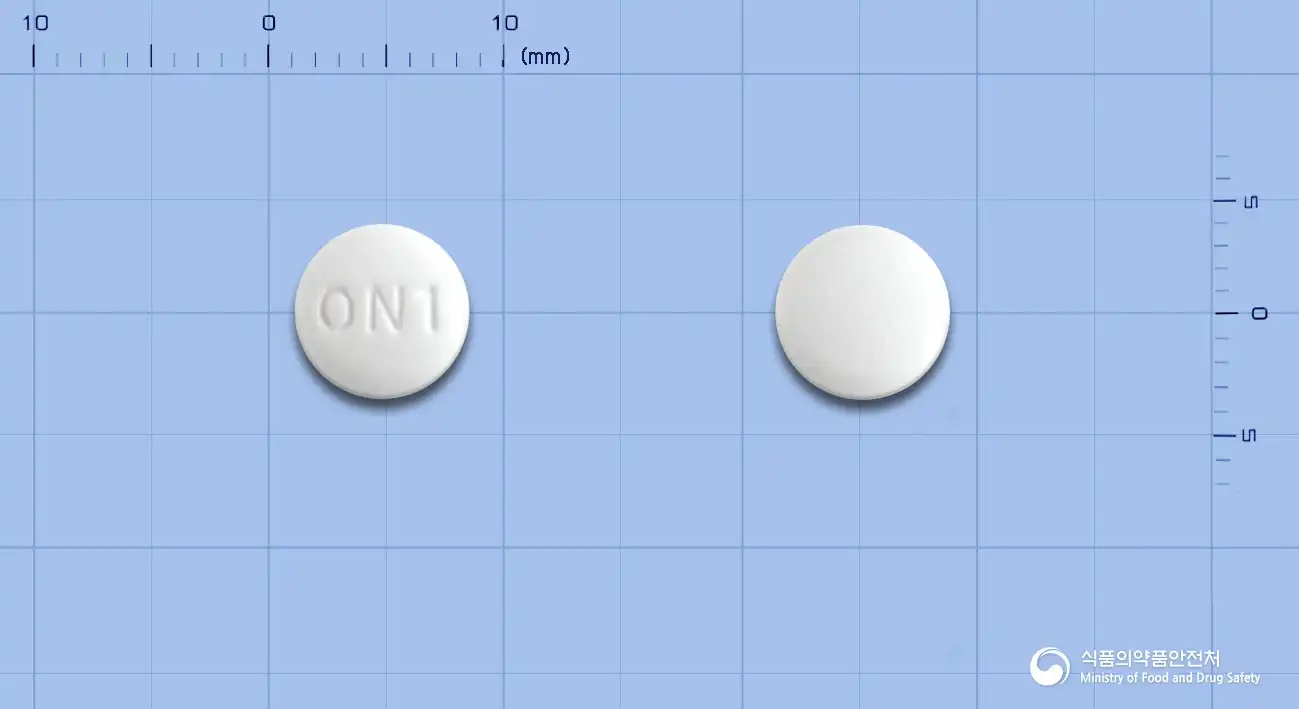
Hydroxychloroquine Sulfate 100mg
Tablet · Prescription medication
Elliott Pharmaceutical Co., Ltd.
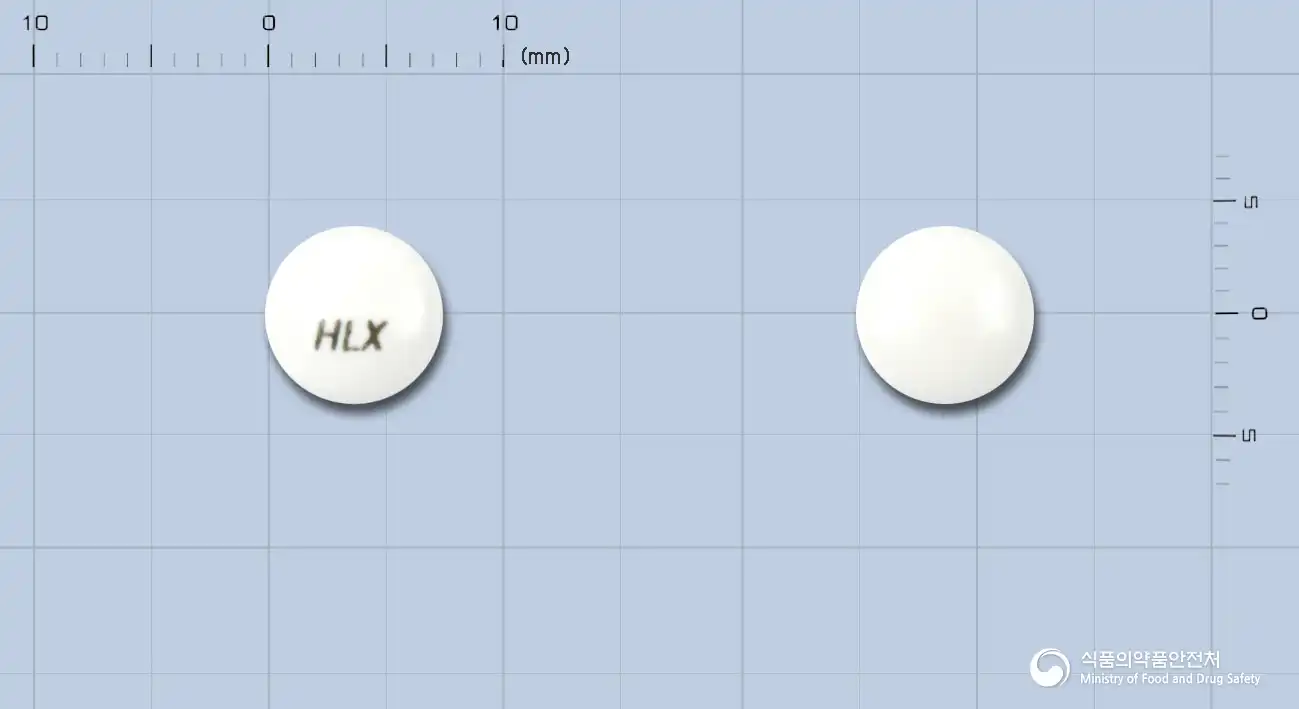
Hydroxychloroquine Sulfate 100mg
Prescription medication
Hanlim Pharmaceutical Co., Ltd.
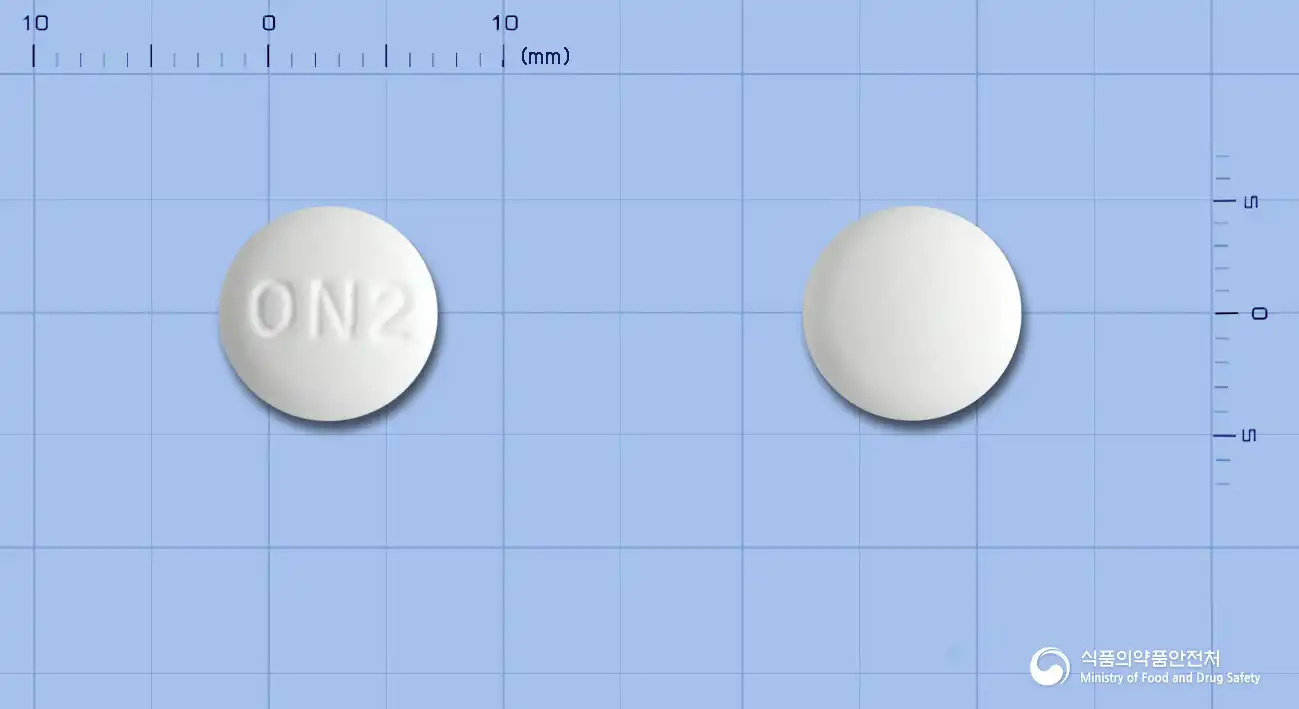
Hydroxychloroquine Sulfate 200mg
Tablet · Prescription medication
Elliott Pharmaceutical Co., Ltd.
Hydroxychloroquine Sulfate
Prescription medication
Unimed Pharmaceutical Co., Ltd.
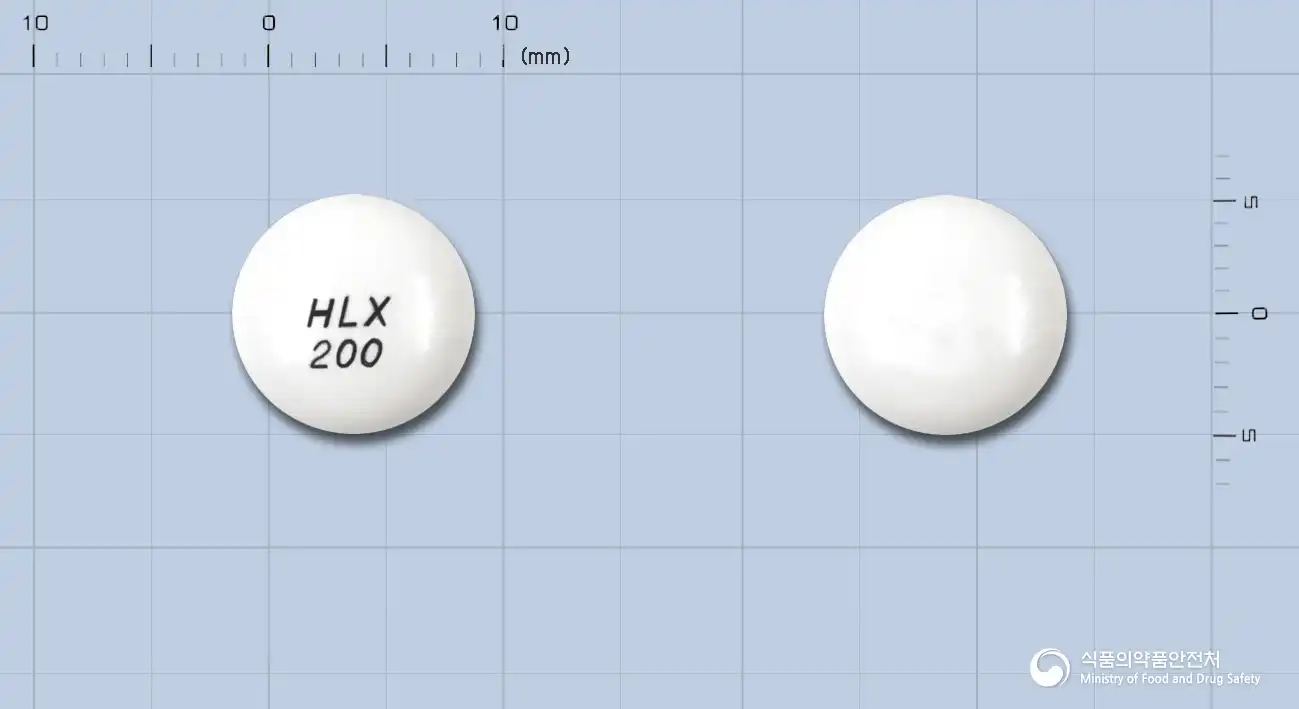
Hydroxychloroquine Sulfate 200mg
Prescription medication
Hanlim Pharmaceutical Co., Ltd.
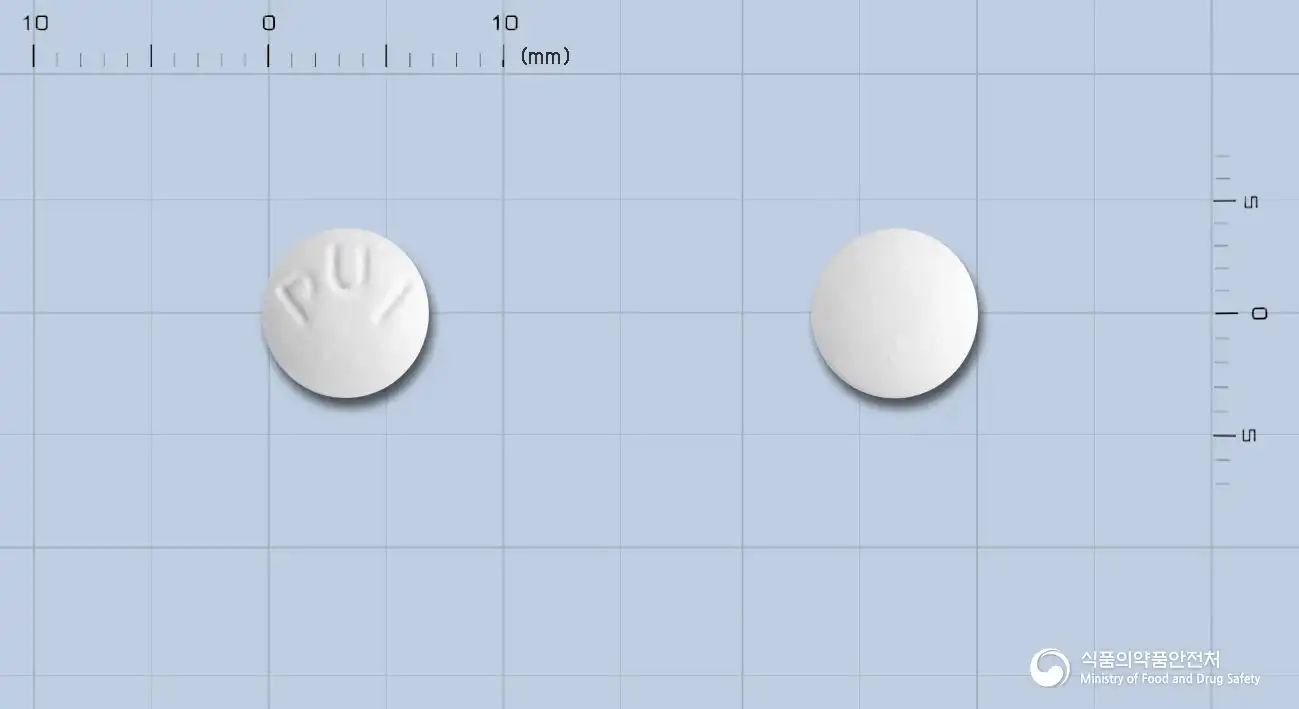
Hydroxychloroquine Sulfate 100mg
Tablet · Prescription medication
Korea PMG Pharmaceutical Co., Ltd.
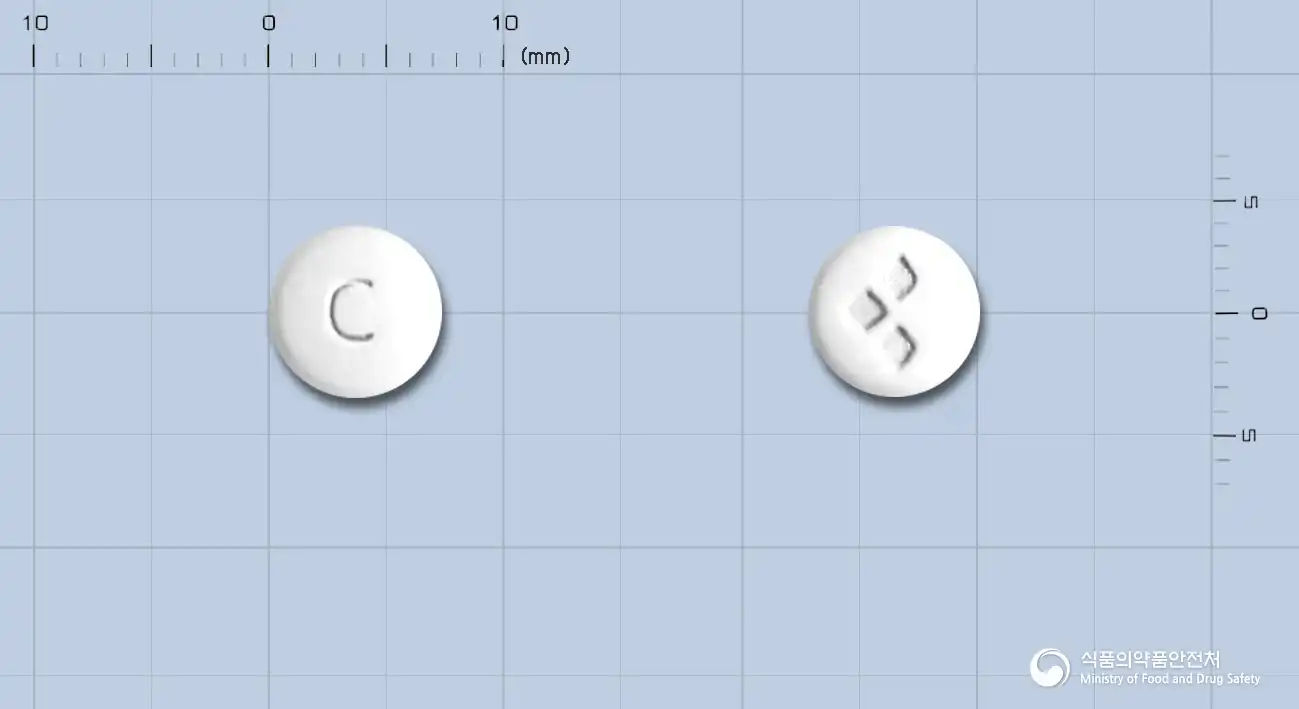
Hydroxychloroquine Sulfate 100mg
Tablet · Prescription medication
Myungjin Pharmaceutical Co., Ltd.
Even with the same ingredient, the dose and directions can differ by strength and dosage form. Talk to a doctor or pharmacist before switching from a medication you are already taking.
No questions yet.
For anything that needs medical judgment, consult a doctor or pharmacist.
This drug information is based on data provided by the Korea Ministry of Food and Drug Safety.
Consult a doctor or pharmacist for accurate dosage, administration, and usage instructions.