
 한국어
한국어 English
 日本語
日本語 中文(简体)
 Viewing nowCombination
Rosu Duo Tablet 10/20 mg (Ezetimibe, Rosuvastatin Calcium)
Rosuvastatin Calcium 20.8mg · Ezetimibe 10mg
Tablet · Prescription medication · Combination
HLB Pharmaceuticals Co., Ltd.
MFDS item code 202004143 · Approved 2020.05.29 · Insurance code 647304340
Improvement of lipid levels in hypercholesterolemia (primary, mixed) and inhibition of the risk of atherosclerotic vascular disease
This medication mainly helps lower elevated total cholesterol, LDL cholesterol, Apo B protein, triglycerides, and non-HDL cholesterol levels in patients with primary hypercholesterolemia, especially heterozygous familial and non-familial hypercholesterolemia, as well as mixed dyslipidemia, while raising good HDL cholesterol levels. This medication should be taken as an adjunct to diet, and it is important to use it alongside dietary changes such as limiting saturated fat and cholesterol intake. Additionally, it is necessary to identify and treat possible secondary causes of dyslipidemia, such as diabetes and hypothyroidism, before starting lipid-lowering medications. Hypercholesterolemia may increase the risk of atherosclerotic vascular disease, so treatment plans should consider risk factors thoroughly. Blood lipid tests for patients should include total cholesterol, LDL cholesterol, HDL cholesterol, and triglycerides, especially for patients with severe dyslipidemia who may require additional testing for accurate measurements. This medication is effectively used in the treatment of dyslipidemia and the prevention of atherosclerotic vascular disease.
This medication is administered once daily, regardless of meals. For primary hypercholesterolemia, an initial dose of 10/5 mg once daily is recommended, and it can be increased to 10/20 mg daily if necessary. Blood lipid levels should be checked at intervals of 4 weeks or more after starting administration or adjusting the dose to modify the dosage.
This medication may cause muscle problems, so if severe muscle pain or weakness occurs, consult a doctor immediately. In particular, in cases of severe infection, hypotension, major surgery or trauma, or metabolic or electrolyte disorders, it may be necessary to temporarily discontinue or stop this medication. It should not be used in patients with allergies to any of the ingredients, liver function issues, muscle diseases, or severe renal impairment. Women who are pregnant or may become pregnant, and breastfeeding women should not take this medication. Patients with a history of alcohol addiction or liver disease should use this medication cautiously, as well as those at high risk for myopathy or rhabdomyolysis. Liver function tests and muscle condition should be regularly checked during treatment, and healthcare providers should be informed immediately if any adverse symptoms occur. Since this medication can interact with other drugs, inform healthcare providers of all medications being taken, as adjustments may be necessary. This medication is not recommended for children and should be used with caution in the elderly or patients with renal impairment. In case of overdose, treatment should be based on the symptoms, and liver function and muscle enzyme tests should be performed. For storage, keep out of reach of children and do not transfer to another container.
Hives, swelling, chest tightness, difficulty breathing, cold sweats, pallor, severe allergic reactions, high fever with severe rash, blisters, skin peeling, pain in oral/ocular mucosa, severe skin adverse reactions, shortness of breath or difficulty breathing, asthma attacks, respiratory issues accompanied by cough and fever, jaundice (yellowing of skin or eyes), extreme lethargy, liver abnormalities (jaundice), sudden and severe
Not everyone experiences these, and they can vary from person to person.
This medication should be stored in a tightly closed container to prevent exposure to air or moisture. It is recommended to maintain storage temperatures between 1 degree and 30 degrees Celsius at room temperature. This will help preserve the effectiveness and safety of the medication for a long time.
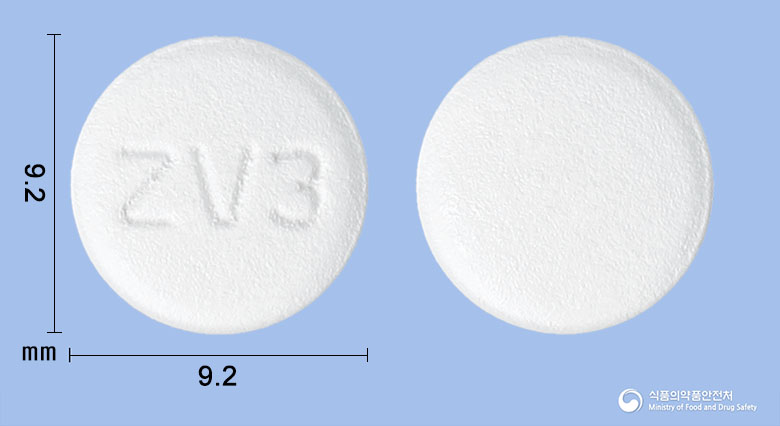
White to almost white round film-coated tablet
30 tablets/box [10 tablets/PTP×3]
Even with the same ingredient, strength, dosage form and how it is taken can differ.
Viewing nowCombinationRosuvastatin Calcium 20.8mg · Ezetimibe 10mg
Tablet · Prescription medication · Combination
HLB Pharmaceuticals Co., Ltd.
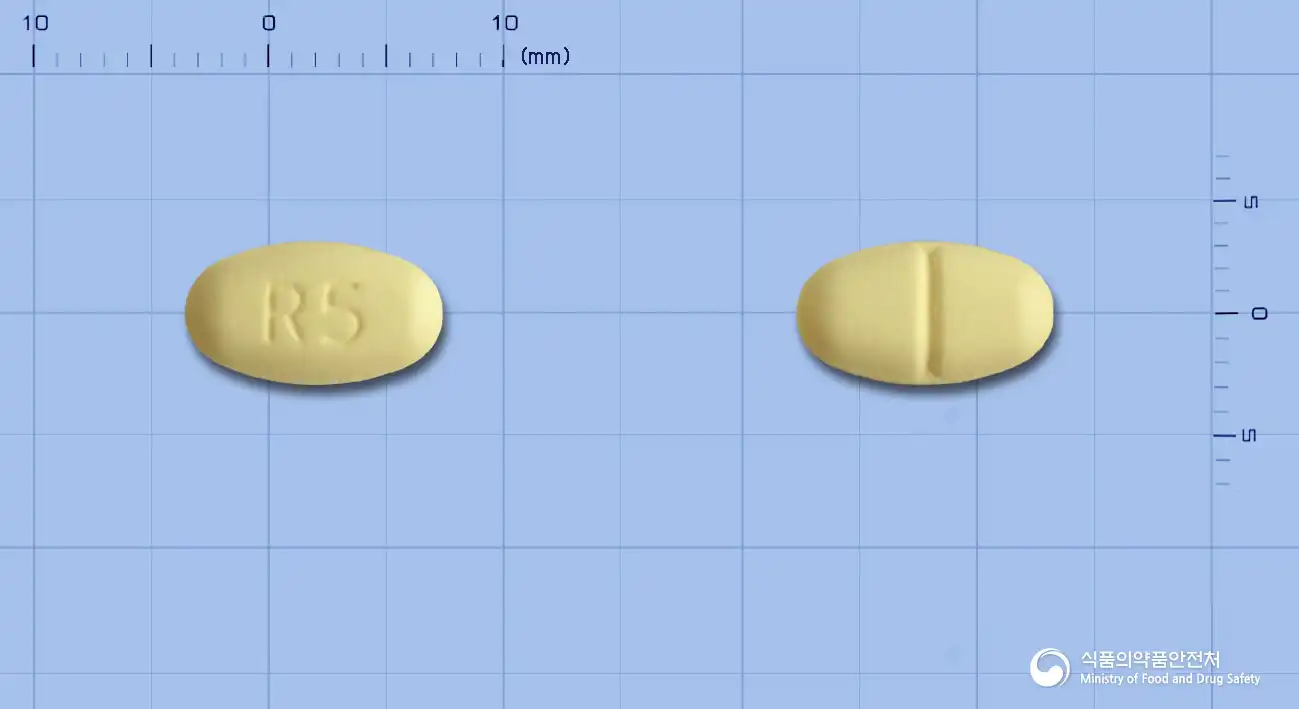 Combination
Rosuvastatin Calcium 5.2mg · Ezetimibe 10mg
Tablet · Prescription medication · Combination
Hanmi Pharmaceutical Co., Ltd.
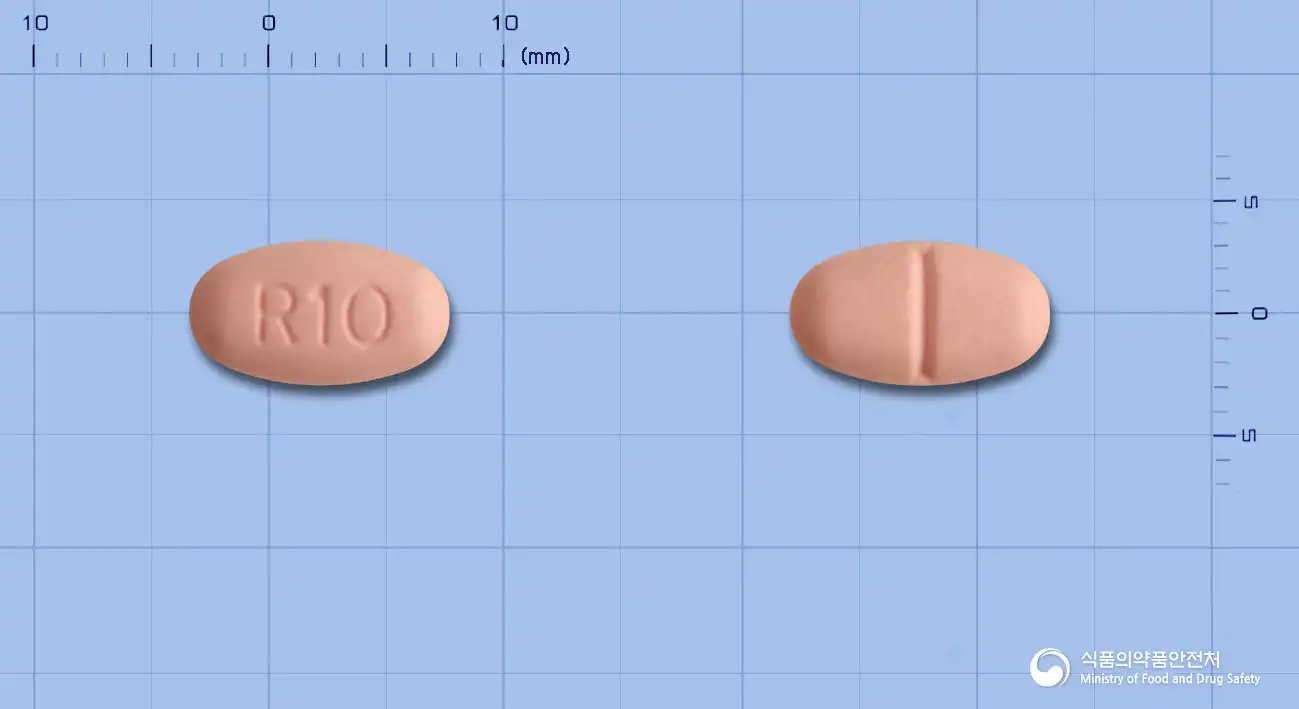 Combination
Rosuvastatin Calcium 10.4mg · Ezetimibe 10mg
Tablet · Prescription medication · Combination
Hanmi Pharmaceutical Co., Ltd.
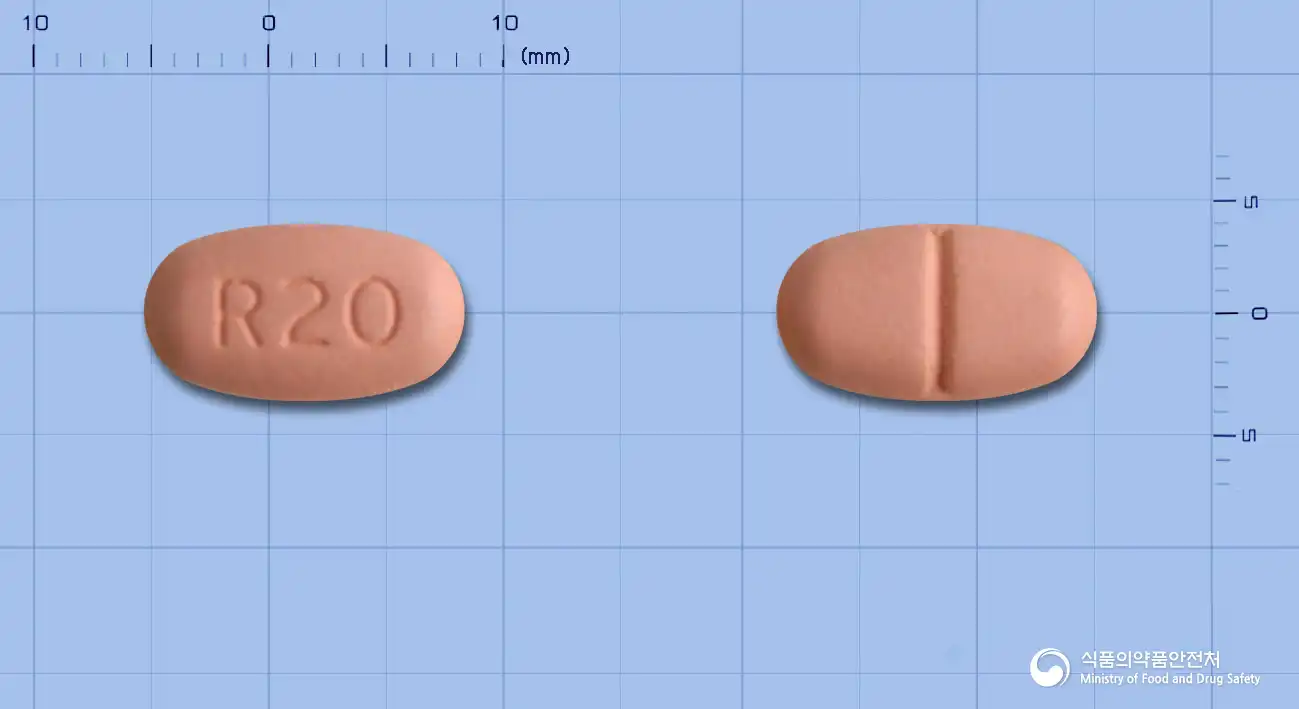 Combination
Ezetimibe 10mg · Rosuvastatin Calcium 20.8mg
Tablet · Prescription medication · Combination
Hanmi Pharmaceutical Co., Ltd.
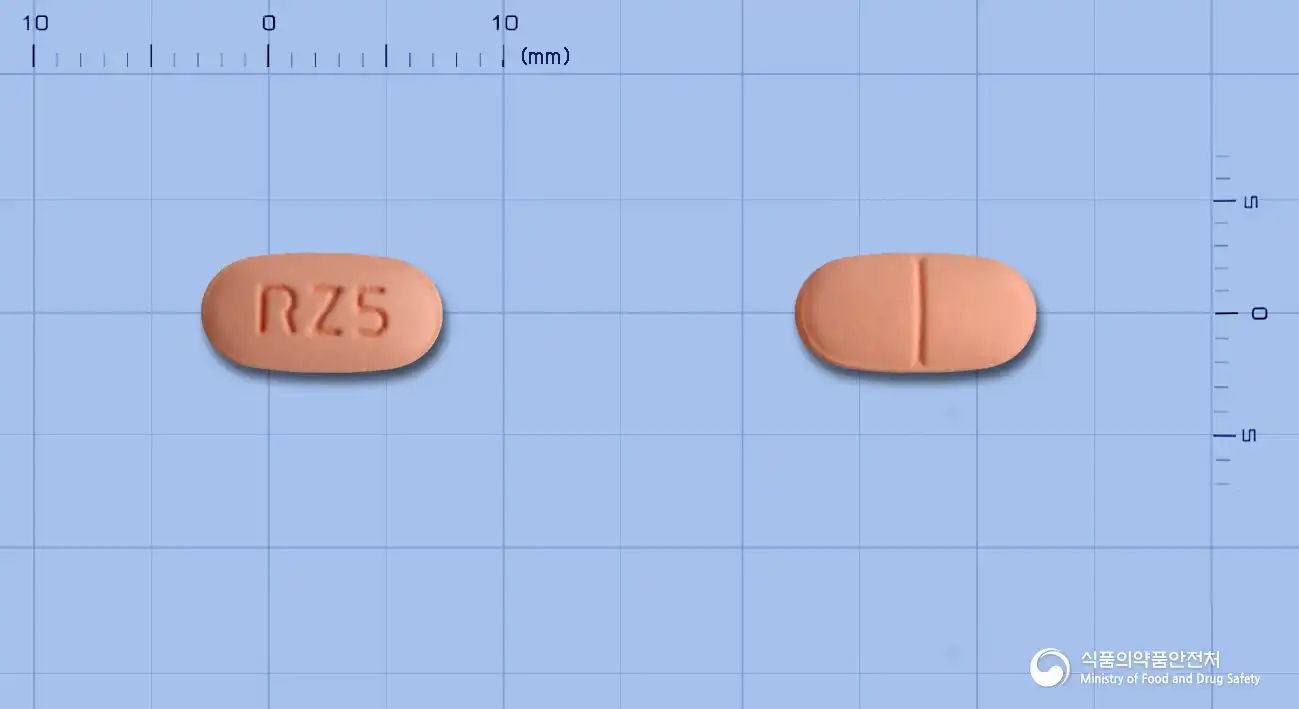 Combination
Rosuvastatin Calcium 5.2mg · Ezetimibe 10mg
Tablet · Prescription medication · Combination
Albozen Korea Co., Ltd.
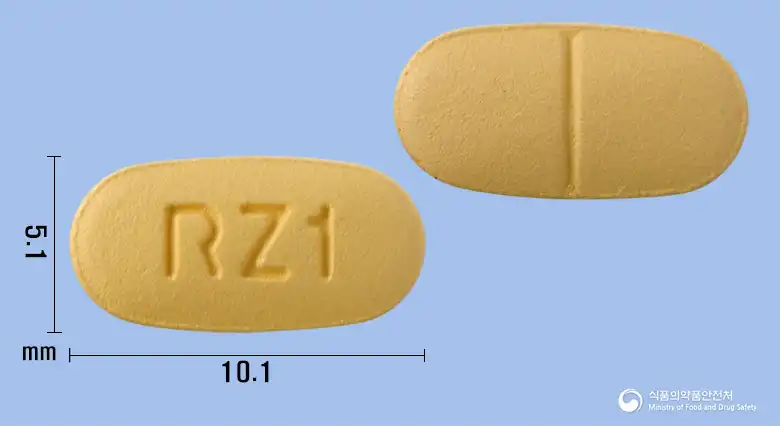 Combination
Rosuvastatin Calcium 10.4mg · Ezetimibe 10mg
Tablet · Prescription medication · Combination
Albogen Korea Co., Ltd.
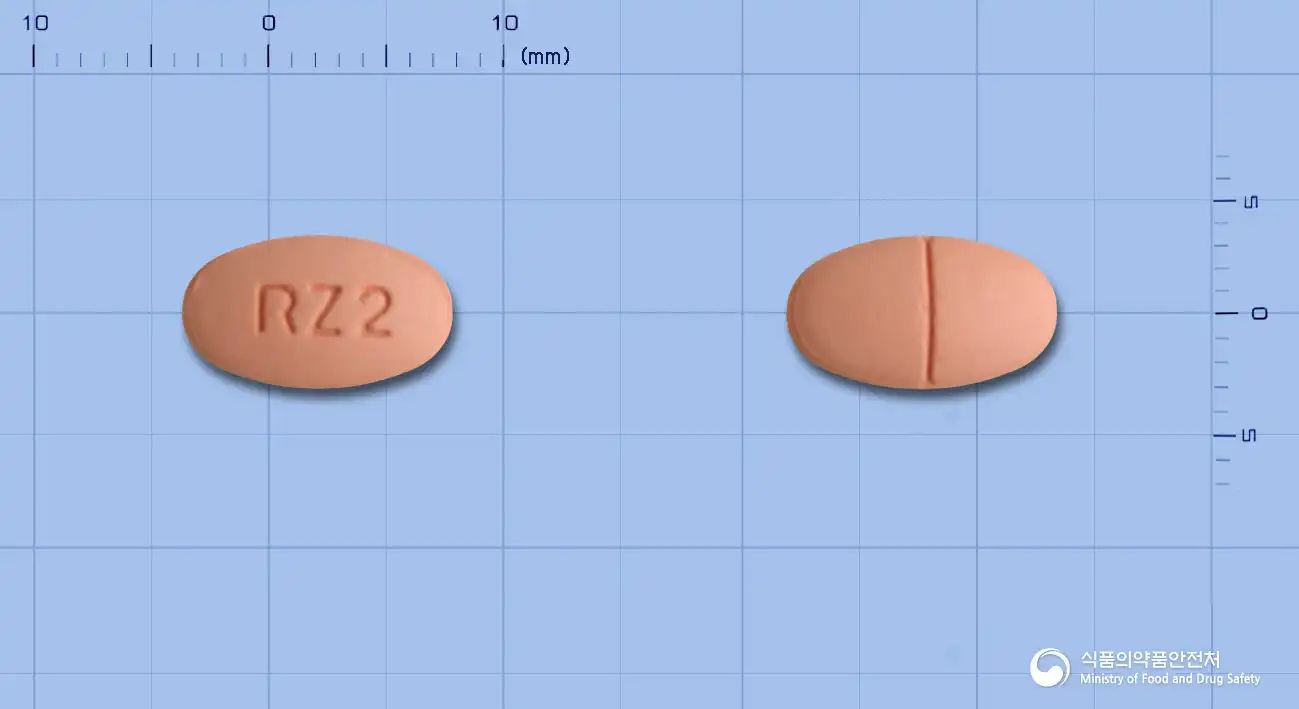 Combination
Rosuvastatin Calcium 20.8mg · Ezetimibe 10mg
Tablet · Prescription medication · Combination
Albogene Korea Co., Ltd.
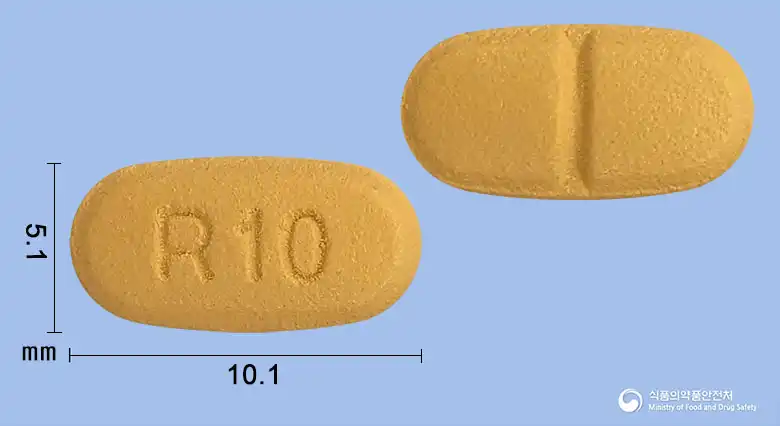 Combination
Rosuvastatin Calcium 10.4mg · Ezetimibe 10mg
Tablet · Prescription medication · Combination
Daewoong Pharmaceutical Co., Ltd.
Even with the same ingredient, the dose and directions can differ by strength and dosage form. Talk to a doctor or pharmacist before switching from a medication you are already taking.
No questions yet.
For anything that needs medical judgment, consult a doctor or pharmacist.
This drug information is based on data provided by the Korea Ministry of Food and Drug Safety.
Consult a doctor or pharmacist for accurate dosage, administration, and usage instructions.