
 한국어
한국어 English
 日本語
日本語 中文(简体)
 Viewing now
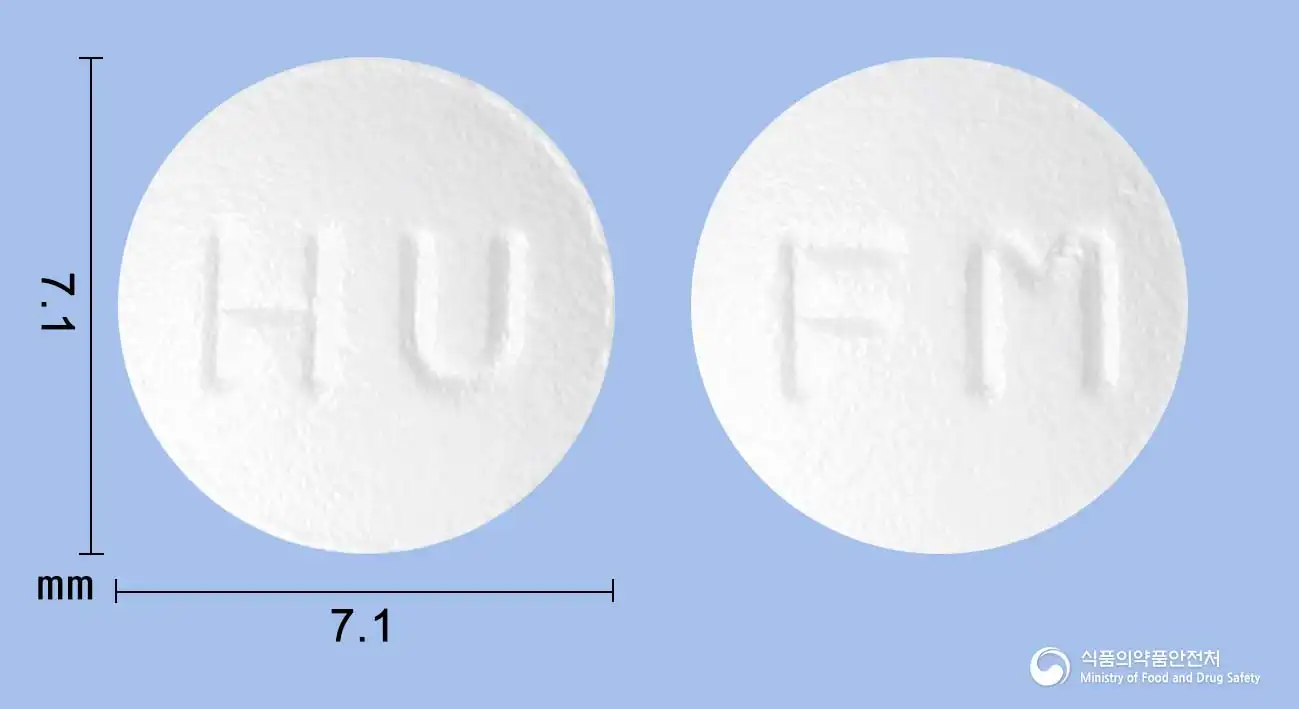
Huitidin 20 mg (Famotidine)
Famotidine 20mg
Tablet · Prescription medication
HyunS Meditech Co., Ltd.
MFDS item code 202004089 · Approved 2020.05.29 · Insurance code 670402310
Treatment for improvement of gastric ulcer and gastric mucosal lesions
This medication is used to treat various gastrointestinal diseases such as ulcers in the stomach and duodenum, anastomotic ulcers, and upper gastrointestinal bleeding. It is also effective for gastroesophageal reflux disease and Zollinger-Ellison syndrome. It helps improve lesions like erosion, bleeding, erythema, and edema that occur during acute exacerbations of acute and chronic gastritis. This medication protects the gastric mucosa and aids in the recovery of damaged areas, alleviating symptoms. It is useful for patients to improve digestive function and reduce discomfort. Therefore, this medication is effectively used for the treatment of gastrointestinal diseases.
For treatment of gastric and duodenal ulcers, anastomotic ulcers, upper gastrointestinal bleeding, gastroesophageal reflux disease, and Zollinger-Ellison syndrome, administer Famotidine 20 mg orally twice a day (after breakfast, after dinner, or at bedtime) or 40 mg once a day (at bedtime). In cases of upper gastrointestinal bleeding, switch from injection treatment to oral administration. For acute exacerbations of acute gastritis and chronic gastritis, administer Famotidine 10 mg orally twice a day (after breakfast, after dinner, or at bedtime) or 20 mg once a day (at bedtime).
This medication should not be used in patients who have allergic reactions to specific ingredients or have hypersensitivity to H2 receptor antagonists. Also, since it contains lactose, patients with lactose intolerance should not take this medication. Patients with a history of hypersensitivity or with renal, hepatic, or cardiac conditions should exercise caution when using this medication, and elderly patients should also take it carefully. Patients who have allergies to the dyes included in this medication should also use it with caution. During use, serious side effects may occur, including allergic reactions, blood abnormalities, skin rashes, liver function abnormalities, muscle pain, cardiac rhythm disturbances, altered consciousness, and renal function problems, so symptoms should be monitored carefully. If any of these unusual symptoms appear, discontinue use immediately and consult a physician. During treatment, regular blood tests and liver and kidney function tests should be conducted, and the minimum effective dose should be administered based on symptoms. This medication dissolves in the mouth but is not absorbed in the oral cavity, so it is recommended to swallow it with water or saliva. Patients receiving hemodialysis should be cautious, as the effectiveness may decrease when taking this medication with phosphate binders. It may interact with other medications, so especially when taking antifungal agents or some chemotherapy drugs, consult with a physician. Elderly patients may experience increased drug concentration due to decreased renal function, so dosage adjustment may be necessary. Women who are pregnant or may become pregnant should only take this medication if the benefit outweighs the risk, and breastfeeding mothers are advised to discontinue breastfeeding while using this medication. There is not enough safety data for children, so caution is required when using it in this population. Lastly, this medication may mask symptoms of gastric cancer, so it should be used only after confirming the malignancy.
Rash, skin rash, urticaria, facial swelling, abnormal blood tests (leukopenia, eosinophilia), constipation, diarrhea, dry mouth, nausea, vomiting, abdominal distention, loss of appetite, stomatitis, elevated blood pressure, facial flushing, tinnitus, bradycardia, tachycardia, AV block, bronchospasm, liver function abnormalities (increased AST, ALT, ALP), generalized fatigue, lethargy, headache, drowsiness, insomnia, hallucinations, agitation, excitability, decreased libido, sensory abnormalities, tremor
Not everyone experiences these, and they can vary from person to person.
This medication should be kept in a tightly sealed container to prevent exposure to air or moisture. It is advisable to maintain a storage temperature between 1 and 30 degrees Celsius at room temperature. This will help maintain the efficacy and safety of the medication over a long period.
Light green round film-coated tablet
30 tablets/bottle, 300 tablets/bottle
Even with the same ingredient, strength, dosage form and how it is taken can differ.
Viewing nowFamotidine 20mg
Tablet · Prescription medication
HyunS Meditech Co., Ltd.
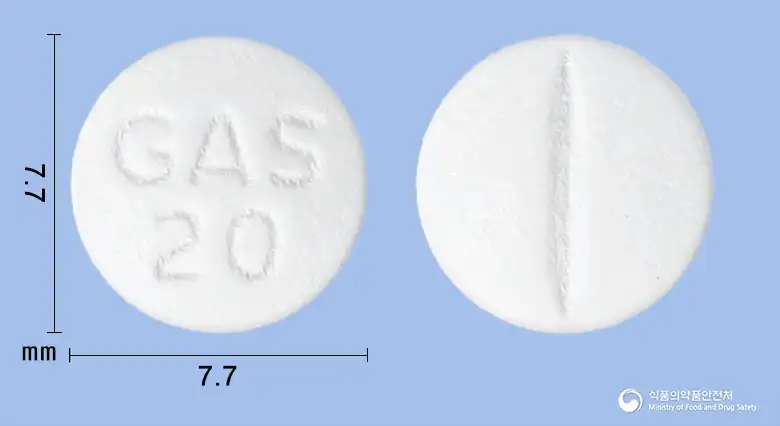
Famotidine 20mg
Prescription medication
Dong-A ST Co., Ltd.
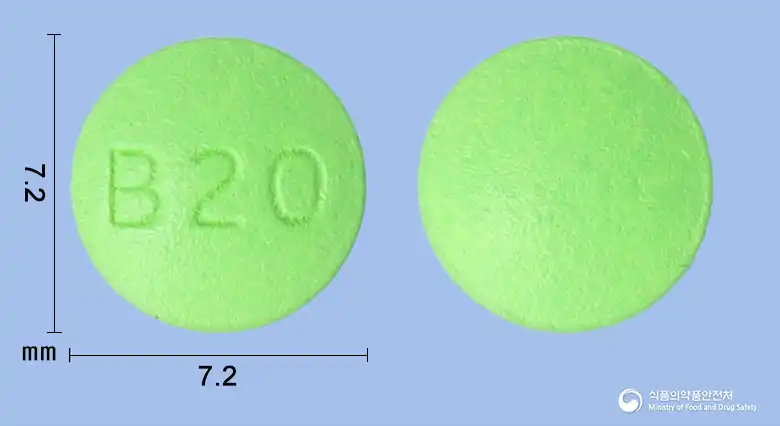
Famotidine 20mg
Tablet · Prescription medication
JW Pharmaceutical Corporation
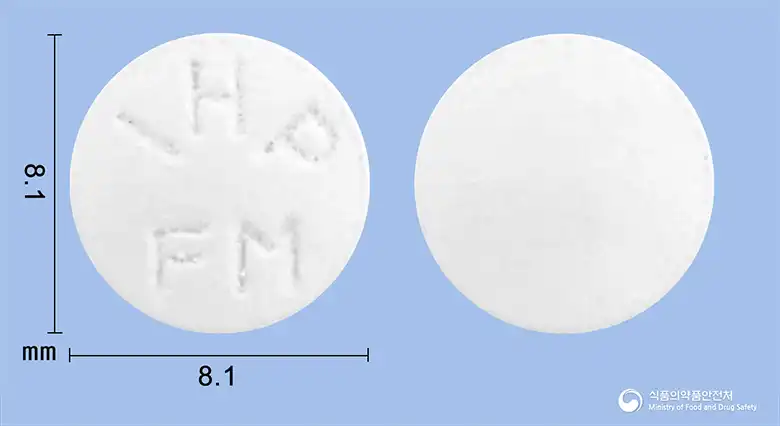
Famotidine 20mg
Tablet · Prescription medication
(Stock Company) Ilhwa

Famotidine 20mg
Prescription medication
Youngpoong Pharmaceutical Co., Ltd.
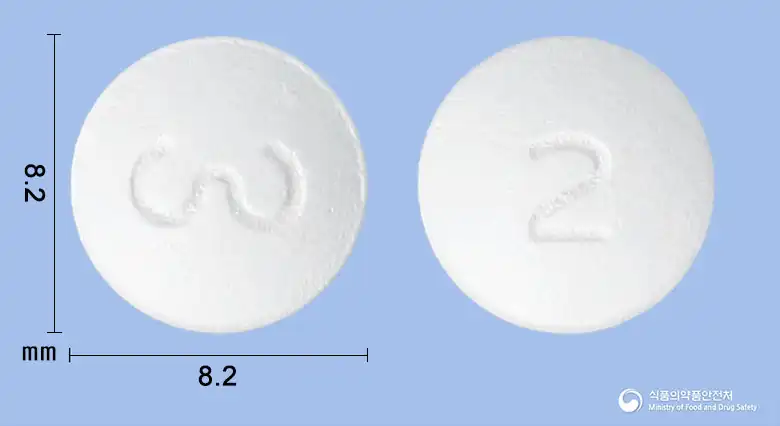
Famotidine 20mg
Tablet · Prescription medication
Withus Pharmaceutical Co., Ltd.
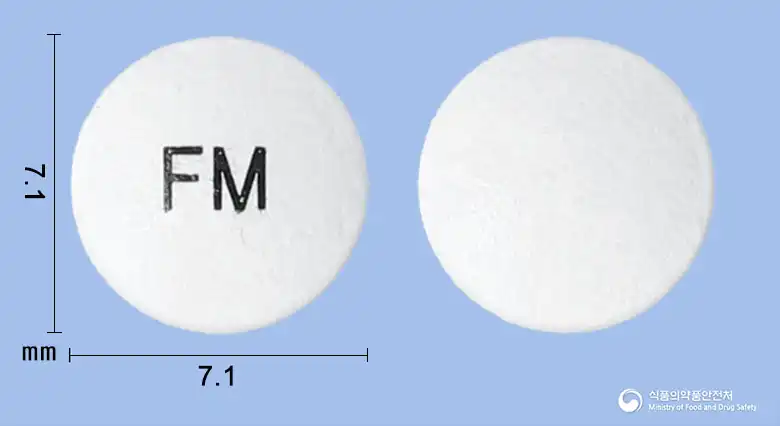
Famotidine 20mg
Prescription medication
(Stock Company) Seoul Pharmaceutical
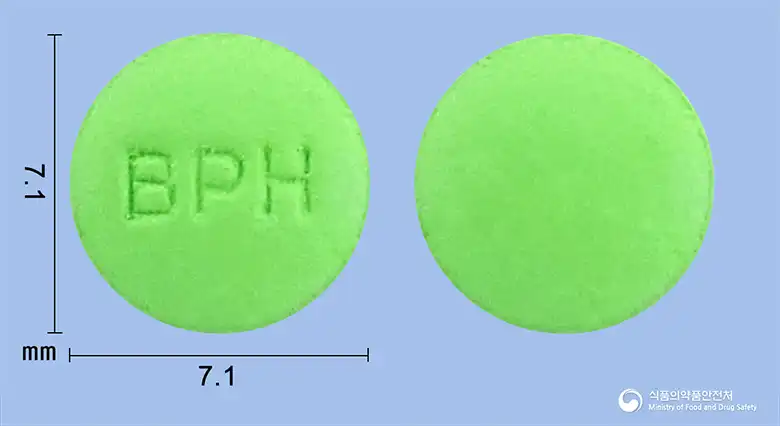
Famotidine 20mg
Tablet · Prescription medication
(Stock Company) Genupharm
Even with the same ingredient, the dose and directions can differ by strength and dosage form. Talk to a doctor or pharmacist before switching from a medication you are already taking.
No questions yet.
For anything that needs medical judgment, consult a doctor or pharmacist.
This drug information is based on data provided by the Korea Ministry of Food and Drug Safety.
Consult a doctor or pharmacist for accurate dosage, administration, and usage instructions.