
 한국어
한국어 English
 日本語
日本語 中文(简体)
 Viewing now
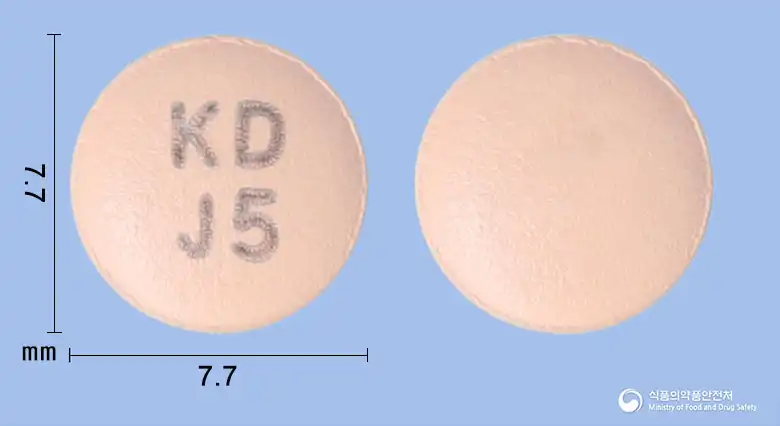
Janurodi 50 mg Tablets (Sitagliptin Hydrochloride Hydrate)
Sitagliptin Hydrochloride Hydrate 56.7mg
Tablet · Prescription medication
Kwangdong Pharmaceutical Co., Ltd.
MFDS item code 202004047 · Approved 2020.05.29 · Insurance code 641807060
Improvement of blood sugar control in type 2 diabetes
This medication is used as an adjunct to diet and exercise to improve blood sugar control in patients with type 2 diabetes. It can be administered alone to newly diagnosed patients, and if blood sugar control is insufficient, it may be used in combination with metformin or other diabetes medications. If blood sugar control is difficult with existing monotherapy using sulfonylureas, metformin, thiazolidinediones, or insulin, this drug can be additionally administered to improve effects. Additionally, if blood sugar control is insufficient in a combination therapy regimen, this drug can be used together to enhance blood sugar management. It is a drug that helps systematically improve blood sugar control.
This medication is administered as 100 mg once daily for either monotherapy or combination therapy, with a maximum daily dose of 100 mg. It can be taken regardless of meals. In patients with renal impairment, dose adjustments are necessary based on kidney function. In mild to moderate renal impairment (eGFR 45 to less than 90), dose adjustment is not required. In moderate renal impairment (eGFR 30 to less than 45), the dose is 50 mg once daily.
This drug is an antidiabetic medication made from the ingredient sitagliptin. When taking this medication, serious allergic reactions may occur, so if symptoms such as itching, rash, difficulty breathing, or swelling of the face or neck appear, immediately stop taking the medication and consult a physician. Serious side effects such as pancreatitis, which causes inflammation of the pancreas, have been reported; if abdominal pain, nausea, or vomiting occurs after taking the medication, inform medical personnel immediately. This medication should not be administered to patients with type 1 diabetes, diabetic ketoacidosis, or to those with hypersensitivity to this drug or its components. Patients with decreased renal function may require dose adjustments due to delayed drug excretion, and it is advisable to have periodic kidney function tests. This drug may increase the risk of hypoglycemia when administered alone or in combination with other antidiabetic medications; therefore, blood sugar should be closely monitored, especially in patients taking insulin or sulfonylureas. If severe joint pain or blistering skin symptoms occur while taking this medication, notify a physician immediately, and discontinuation of the drug may be necessary if required. The safety of this drug has not been established in pregnant or lactating women, so its use is not recommended. Older adults may also have an increased risk of decreased renal function, thus requiring dose adjustments and kidney function monitoring. In case of overdose, gastrointestinal removal of the drug and clinical monitoring such as ECG should be performed, and some of the drug may be removed by hemodialysis. Finally, this medication has relatively few interactions with other drugs, but when taken with drugs like digoxin, blood levels should be closely monitored. If any unusual symptoms occur while taking the medication, consult a physician or pharmacist immediately.
Urticaria, severe swelling (angioedema), chest tightness, difficulty breathing, cold sweat, pallor, anaphylaxis, Stevens-Johnson syndrome and exfoliative skin diseases, severe rash with fever, blisters, skin peeling, pain in oral/eye mucosa, acute pancreatitis, shortness of breath or difficulty breathing, asthma attacks, respiratory abnormality accompanied by cough and fever, yellowing of the skin or eyes (jaundice), extreme fatigue throughout the body, acute kidney injury
Not everyone experiences these, and they can vary from person to person.
This medication should be stored in a tightly closed container to prevent air ingress, and it is best to keep it at room temperature between 1 to 30 degrees Celsius. This way of storage will help maintain the drug's effectiveness for a long time.
Light yellow-pink round film-coated tablet with a convex shape on both sides
30 tablets (10 tablets per PTX x 3)
Even with the same ingredient, strength, dosage form and how it is taken can differ.
Viewing nowSitagliptin Hydrochloride Hydrate 56.7mg
Tablet · Prescription medication
Kwangdong Pharmaceutical Co., Ltd.
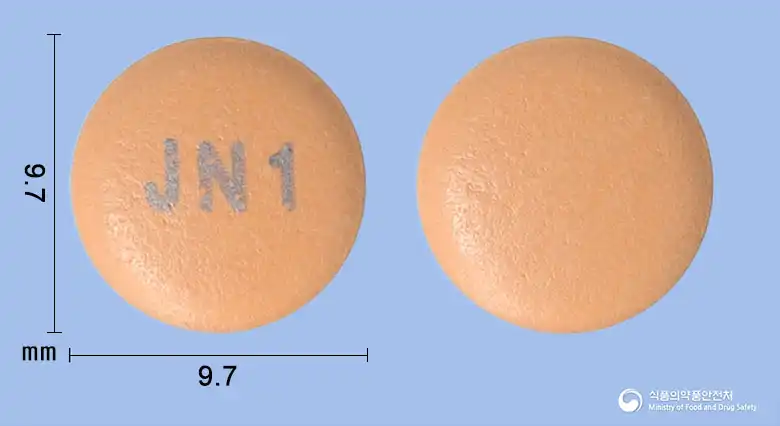
Sitagliptin Hydrochloride Hydrate 113.4mg
Tablet · Prescription medication
Daewon Pharmaceutical Co., Ltd.
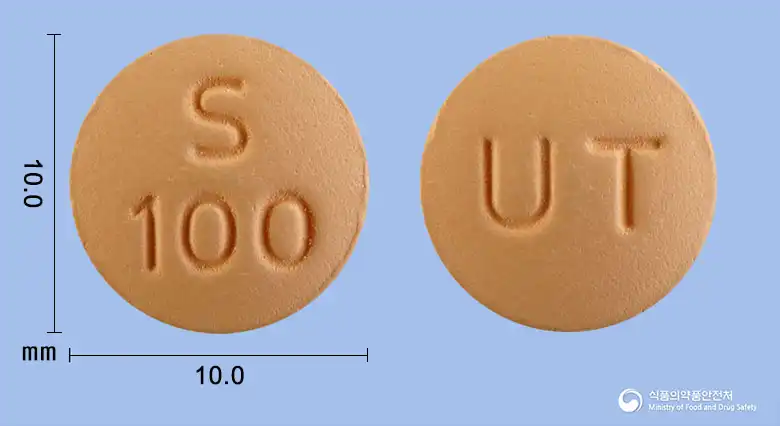
Sitagliptin Hydrochloride Hydrate 113.4mg
Tablet · Prescription medication
Korea United Pharm., Co., Ltd.
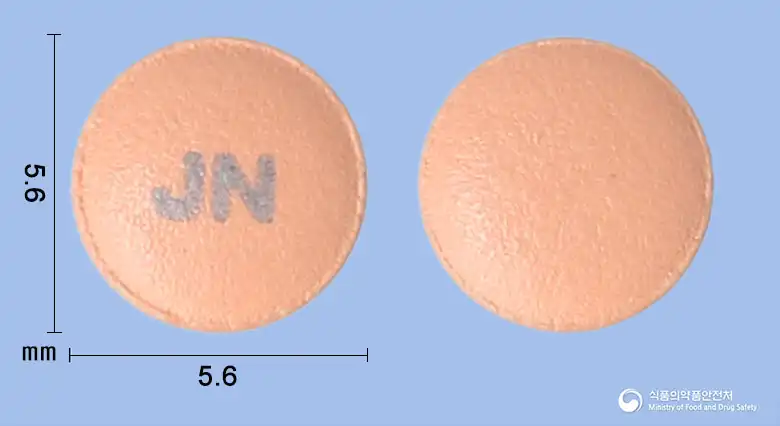
Sitagliptin Hydrochloride Hydrate 128.5mg
Tablet · Prescription medication
Daewon Pharmaceutical Co., Ltd.
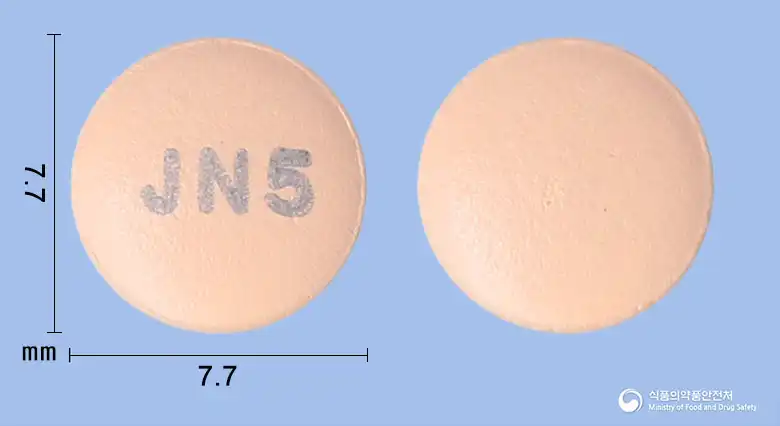
Sitagliptin Hydrochloride Hydrate 128.5mg
Tablet · Prescription medication
Daewon Pharmaceutical Co., Ltd.
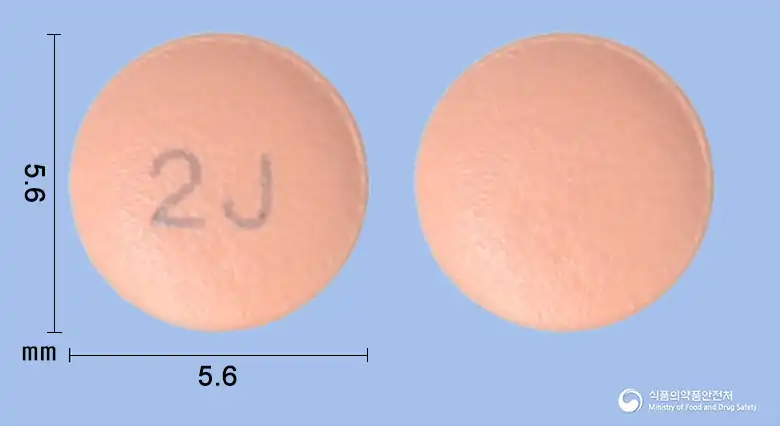
Sitagliptin Hydrochloride Hydrate 28.35mg
Tablet · Prescription medication
Daewoong Bio Co., Ltd.
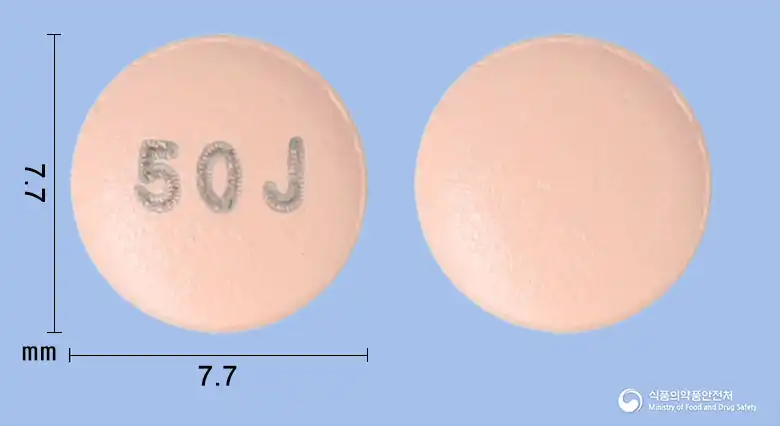
Sitagliptin Hydrochloride Hydrate 56.7mg
Tablet · Prescription medication
Daewoong Bio Co., Ltd.
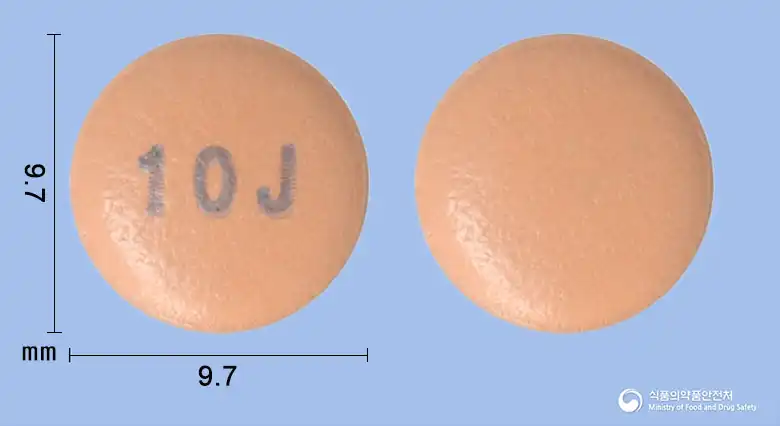
Sitagliptin Hydrochloride Hydrate 113.4mg
Tablet · Prescription medication
Daewoong Bio Co., Ltd.
Even with the same ingredient, the dose and directions can differ by strength and dosage form. Talk to a doctor or pharmacist before switching from a medication you are already taking.
No questions yet.
For anything that needs medical judgment, consult a doctor or pharmacist.
This drug information is based on data provided by the Korea Ministry of Food and Drug Safety.
Consult a doctor or pharmacist for accurate dosage, administration, and usage instructions.