
 한국어
 English
 日本語
 中文(简体)
 Viewing now
Bellisin Tablet (Bongpungtongsan Extract (4.6→1))
Bangpungtongsungsan Dried Extract (4.6→1) 237.5mg
Tablet · OTC medication
KMS Pharmaceutical Co., Ltd.
MFDS item code 202004020 · Notified 2020.05.29
Improvement of obesity and swelling, constipation, and symptoms associated with hypertension (palpitations, flushing, etc.)
Patients with excess subcutaneous fat in the abdomen and constipation may also experience palpitations, shoulder stiffness, and flushing symptoms due to hypertension. Improving lifestyle habits is important as obesity and body swelling may also be present. These symptoms are related to each other, necessitating comprehensive management. It helps alleviate constipation symptoms and improves health status through blood pressure control and weight management.
The usual adult dose is 4 tablets per dose, 3 times daily before or between meals.
This medication should not be taken by women who are pregnant or may become pregnant, as the ingredients may cause uterine contractions or increase the risk of miscarriage or premature birth due to blood flow concentrating in the pelvic area. Women who are breastfeeding should also avoid this medication, as certain ingredients may be transmitted through breast milk and can cause diarrhea in infants. Additionally, individuals with lactose intolerance or specific genetic metabolic disorders should not take this medication, as it contains lactose which may cause side effects in those with such conditions. During treatment, other antidiarrheal medications should not be taken simultaneously, as combining them may worsen symptoms or lead to side effects. Individuals with hypertension, heart, or kidney diseases must consult with a professional before taking this medication. Those with edema, elderly individuals, or those taking other medications should also exercise caution. Individuals with diarrhea or loose stools, weak stomachs, appetite loss, or vomiting symptoms should consult a expert before taking this medication. Patients who are very weak or excessively sweating, have a history of cardiovascular diseases such as angina or myocardial infarction, or have urinary disorders or thyroid dysfunction should also be cautious. If symptoms such as skin rashes, itching, insomnia, excessive sweating, rapid pulse, or general weakness occur during treatment, discontinue use immediately and consult a professional. Also, if liver dysfunction or jaundice symptoms appear, stop taking the medication and seek medical care. This medication is not intended for long-term use, and if it is necessary to take it for an extended period, consult with a healthcare professional. Laxatives should not be taken continuously for more than a week, as prolonged use may reduce efficacy and worsen constipation. Dosage instructions must be strictly followed, and caution is necessary as the effects of ingredients like rhubarb can vary among individuals. When taking this medication with other herbal remedies or medications, be careful of ingredient overlaps or interactions, especially with ephedra, licorice, diuretics, and thyroid medications, as the risk of side effects may increase; consulting a healthcare professional is advised. When storing the medication, keep it in an airtight container, away from direct sunlight, in a cool, dry place, out of reach of children. Additionally, it should be stored in its original container to avoid changes in quality or risk of misuse if transferred to another container.
Not everyone experiences these, and they can vary from person to person.
Do not take this medication with other antidiarrheal drugs. If taken with ephedra or ephedrine-containing preparations, MAO inhibitors, thyroid preparations (thyroxine, liothyronine), catecholamine agents (epinephrine, isoproterenol), xanthine agents (theophylline, diprophylline), potassium-containing preparations, loop diuretics (furosemide, ethacrynic acid), or thiazide diuretics (trichlormethiazide), be sure to consult a doctor or pharmacist first.
Caution is required when taking this medication with licorice-containing preparations or glycyrrhizin-containing preparations.
This medication should be stored in a sealed container to prevent air or moisture from entering, and it is safest to store it at room temperature between 1 degree and 30 degrees Celsius. Proper storage will help maintain the effectiveness of the medication and prevent degradation.
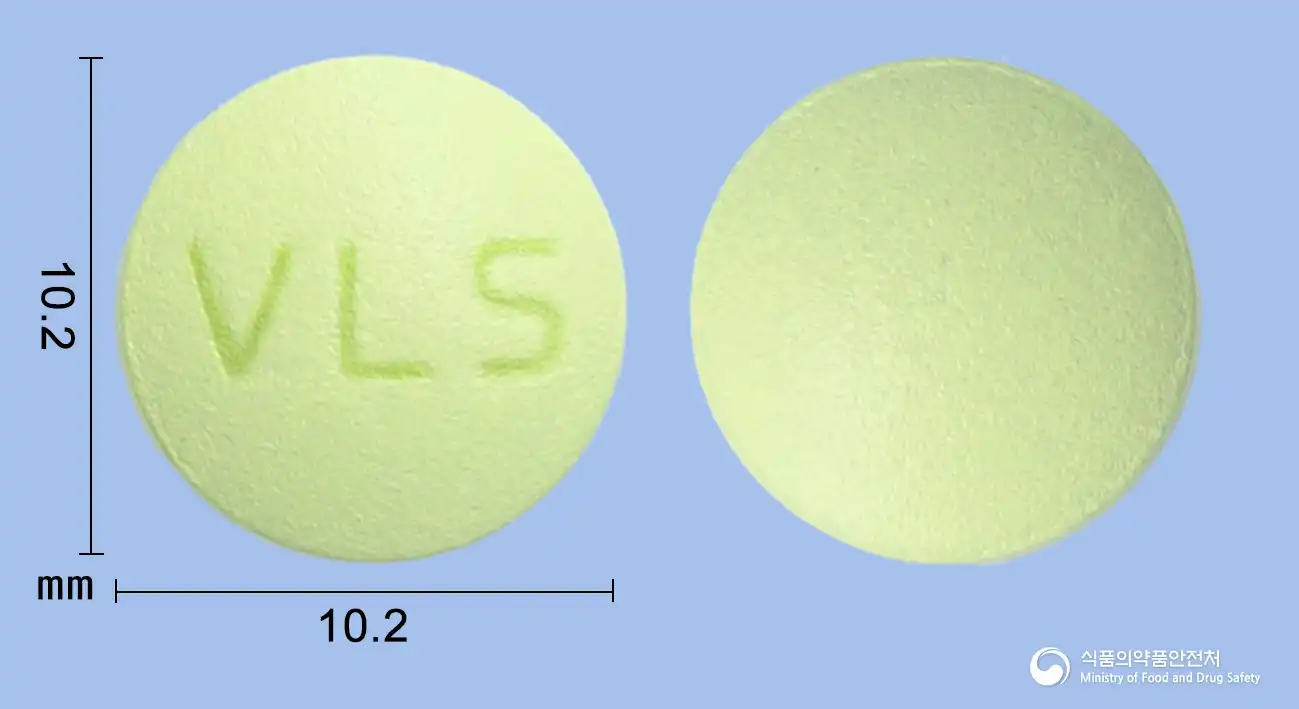
Light green round film-coated tablet
360 tablets/bottle
Even with the same ingredient, strength, dosage form and how it is taken can differ.
Viewing nowBangpungtongsungsan Dried Extract (4.6→1) 237.5mg
Tablet · OTC medication
KMS Pharmaceutical Co., Ltd.
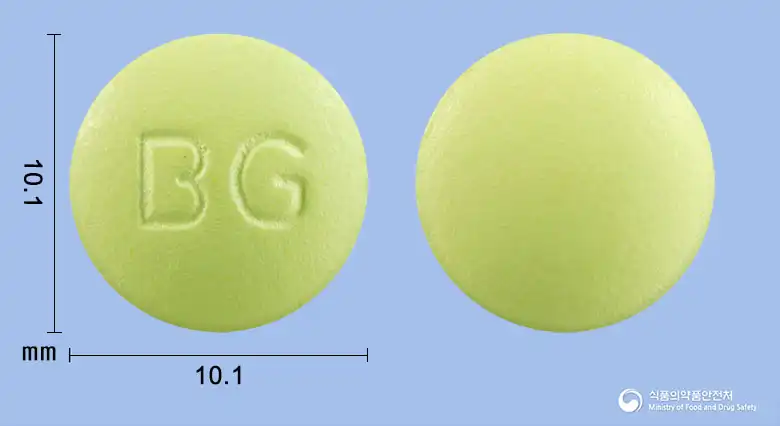
Bangpungtongsungsan Dried Extract (4.6→1) 237.5mg
Tablet · OTC medication
Albozen Korea Co., Ltd.
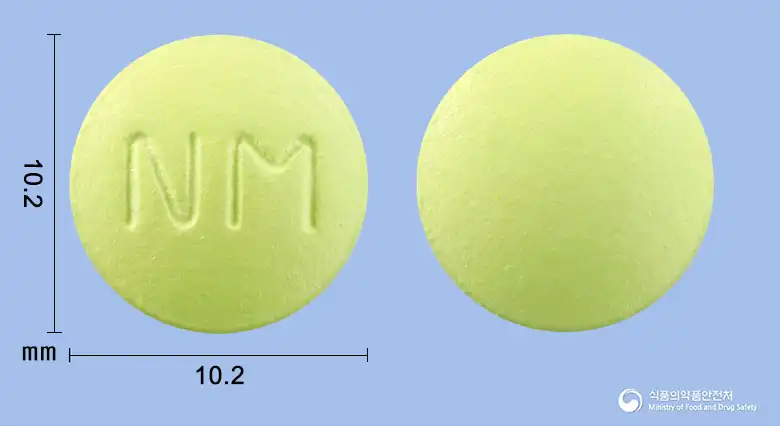
Bangpungtongsungsan Dried Extract (4.6→1) 237.5mg
Tablet · OTC medication
Celix Co., Ltd.
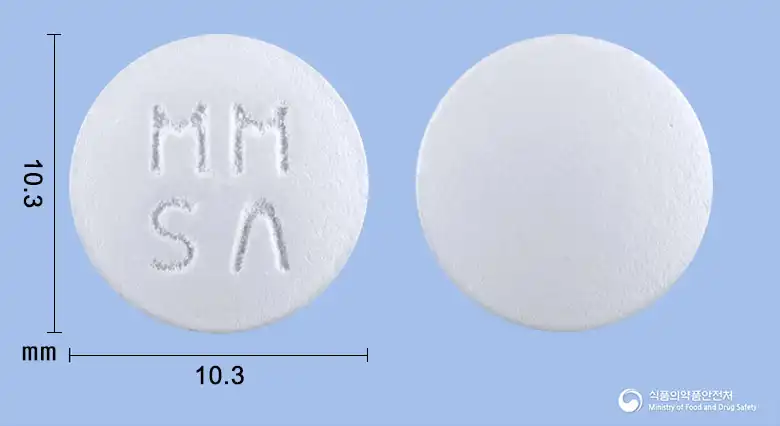
Bangpungtongsungsan Dried Extract (4.6→1) 237.5mg
Tablet · OTC medication
Myungmoon Pharmaceutical Co., Ltd.
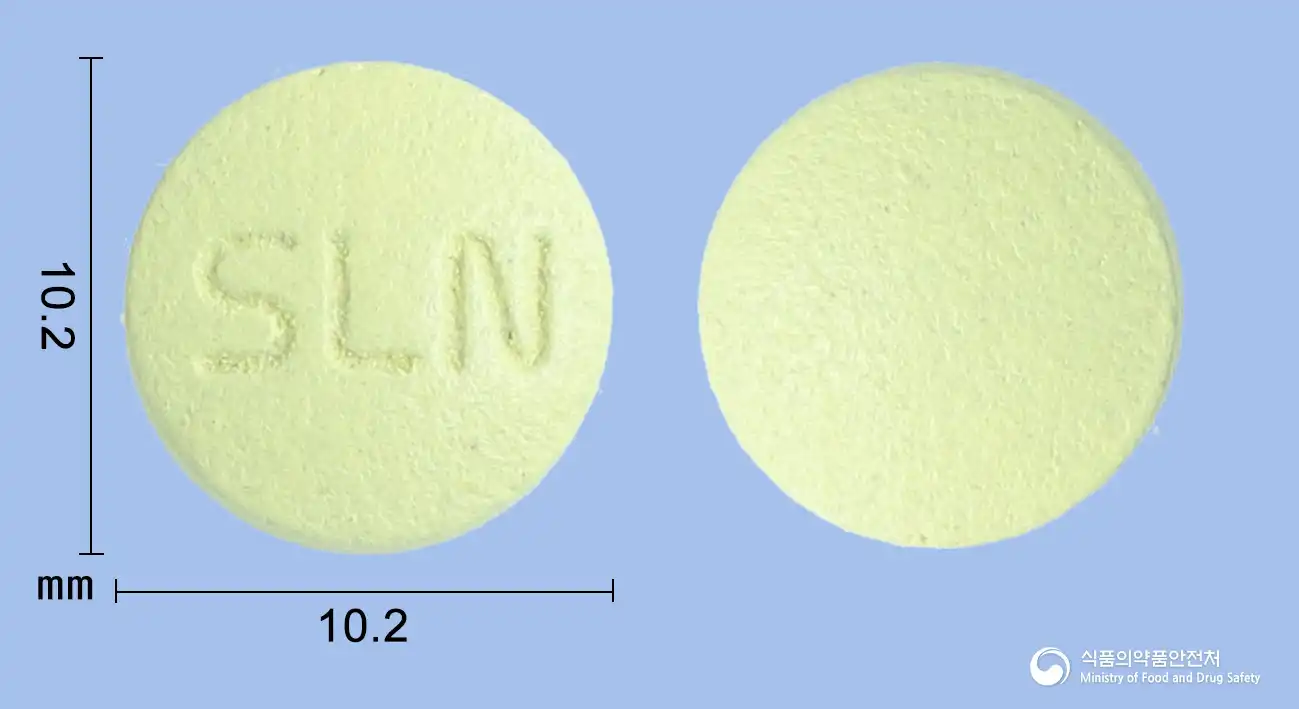
Bangpungtongsungsan Dried Extract (4.6→1) 237.5mg
Tablet · OTC medication
Vivozon Pharma Co., Ltd.
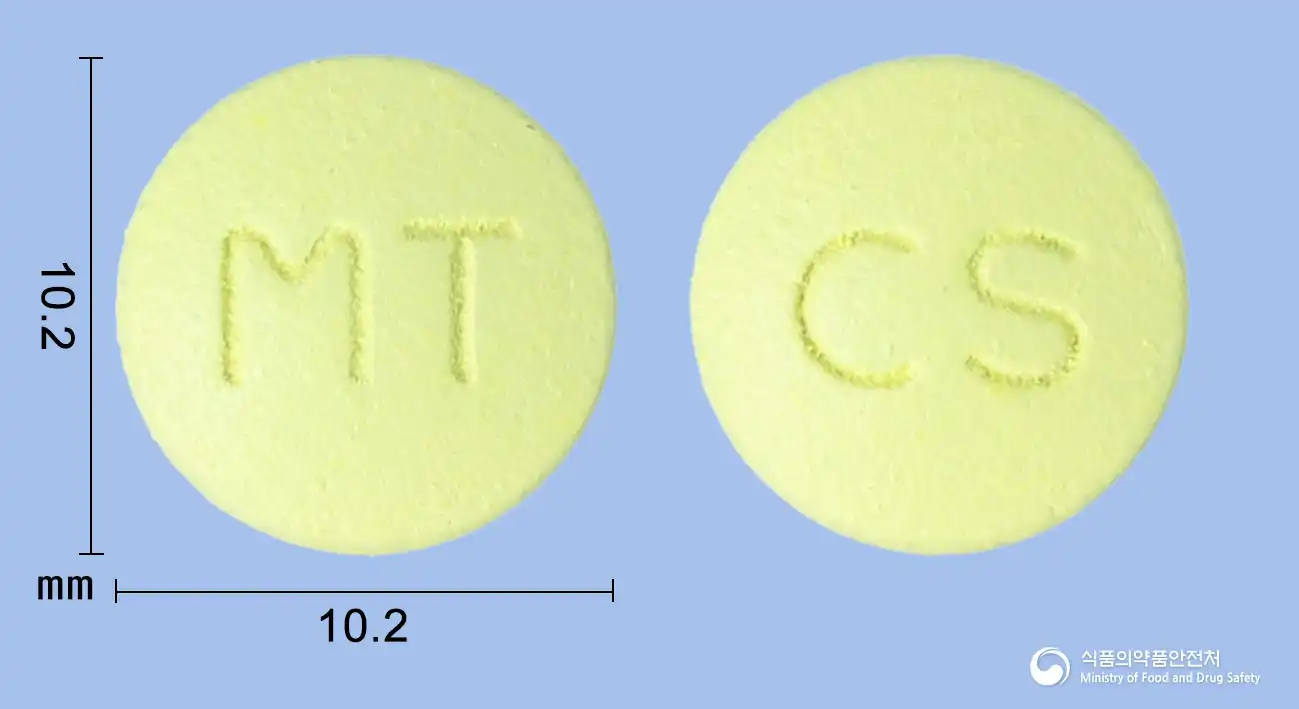
Bangpungtongsungsan Dried Extract (4.6→1) 237.5mg
Tablet · OTC medication
JW Pharmaceutical Co., Ltd.
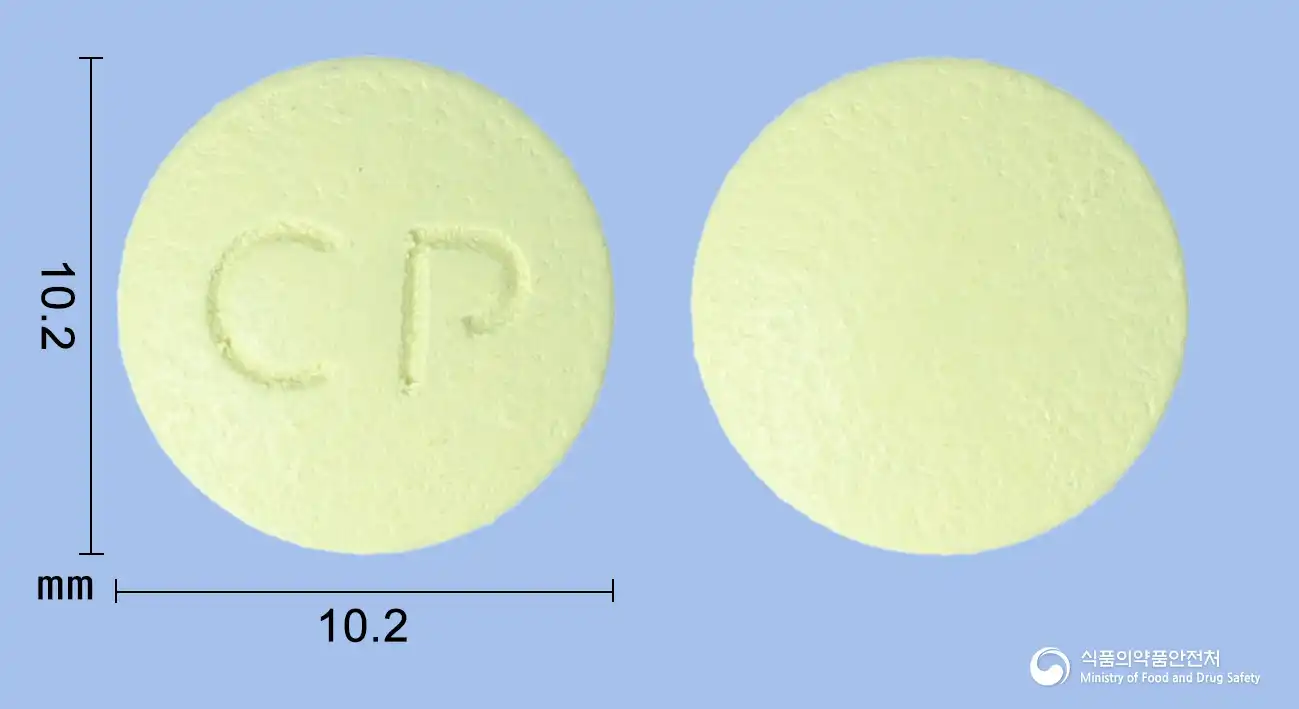
Bangpungtongsungsan Dried Extract (4.6→1) 237.5mg
Tablet · OTC medication
CMG Pharmaceutical Co., Ltd.
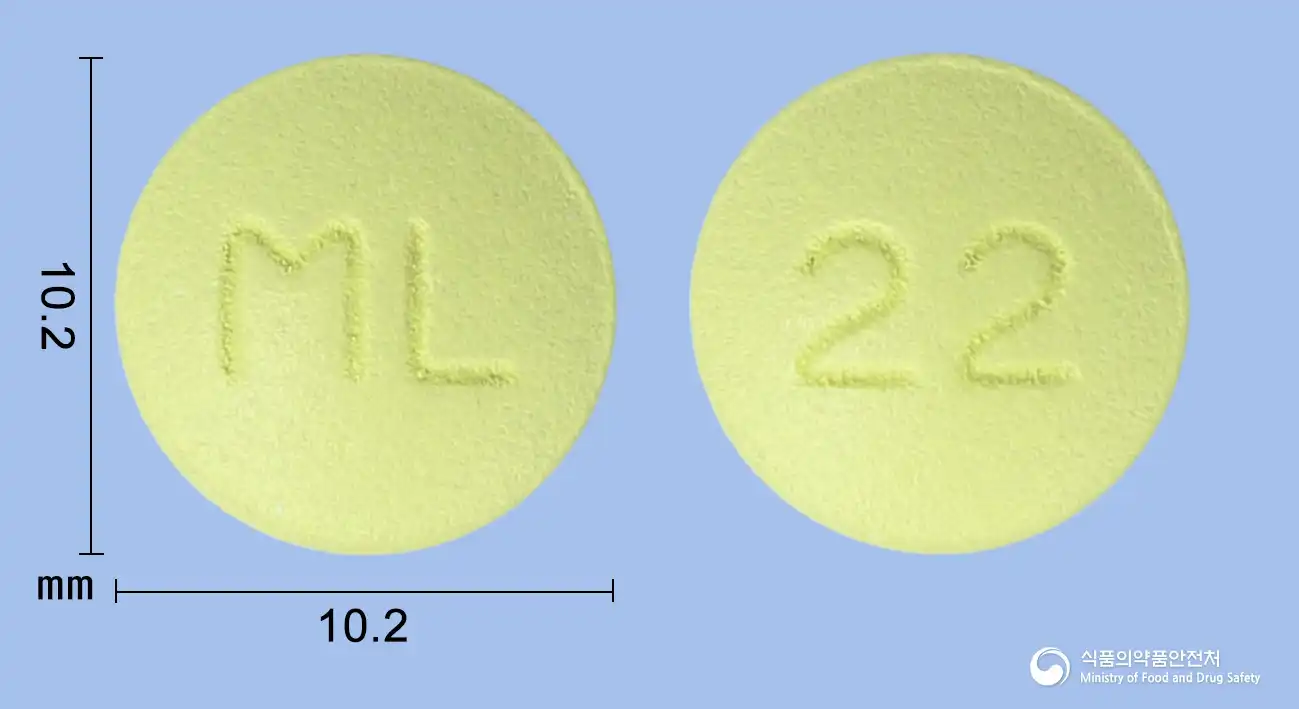
Bangpungtongsungsan Dried Extract (4.6→1) 237.5mg
Tablet · OTC medication
Bionex Co., Ltd.
Even with the same ingredient, the dose and directions can differ by strength and dosage form. Talk to a doctor or pharmacist before switching from a medication you are already taking.
QIs it safe to take this with constipation medicine?
Answers 1 · 2026.09.14
For anything that needs medical judgment, consult a doctor or pharmacist.
This drug information is based on data provided by the Korea Ministry of Food and Drug Safety.
Consult a doctor or pharmacist for accurate dosage, administration, and usage instructions.