
 한국어
 English
 日本語
 中文(简体)
Dosage form image
Viewing nowCombinationOlmesartan Medoxomil and Rosuvastatin Tablets 20/20 mg
Olmesartan Medoxomil 20mg · Rosuvastatin Calcium 20.8mg
Tablet · Prescription medication · Combination
Hanpung Pharmaceutical Co., Ltd.
MFDS item code 202003988 · Approved 2020.05.28
This product's status changed to Expired on 2025.05.28. It may no longer be sold, so consult a doctor or pharmacist before taking it.
Treatment of hypertension, improvement of dyslipidemia, suppression of atherosclerosis progression and cardiovascular disease risk
This medication is used for patients who need to take two drugs together. Olmesartan Medoxomil is effective for the treatment of essential hypertension, which is hypertension of unknown cause. On the other hand, Rosuvastatin is used in patients with hypercholesterolemia and mixed dyslipidemia when it is difficult to control with diet and exercise. Additionally, it acts as an adjunct in the treatment of certain dyslipidemias such as homozygous familial hypercholesterolemia and helps reduce the risk of stroke, myocardial infarction, and recurrence after vascular revascularization in patients at high risk of cardiovascular disease. Therefore, this medication is used to improve cardiovascular health by managing both hypertension and dyslipidemia simultaneously.
This medicine is for adults only. The dose should be individualized for each patient based on the efficacy and tolerability of each of the active ingredients, olmesartan medoxomil and rosuvastatin. ◆ Olmesartan medoxomil 1. Adults The recommended initial dose is 10mg once daily, with or without food. If blood pressure is not adequately controlled at this dose, increase to 20mg once daily. If additional blood pressure reduction is required, the dose may be increased to a maximum of 40mg daily. The blood pressure-lowering effect appears within 2 weeks after starting treatment and reaches its maximum after approximately 8 weeks. If blood pressure is not controlled with this medicine alone, it may be administered in combination with a thiazide diuretic such as hydrochlorothiazide. To improve adherence, it is recommended that the medicine be taken at the same time each day, if possible (e.g., in the morning). In patients who may have reduced effective intravascular volume (e.g., patients receiving diuretics, particularly those with renal impairment), it is recommended to initiate treatment at a lower dose while closely monitoring their condition. 2. Elderly patients No dose adjustment is necessary when this medicine is administered to patients aged 65 years or older. Although no overall differences in efficacy or safety have been observed between elderly and younger patients, a more sensitive response in some elderly patients cannot be ruled out. 3. Patients with renal impairment The maximum dose for patients with mild or moderate renal impairment (creatinine clearance 30-60mL/min) is 20mg once daily. 4. Patients with hepatic impairment No dose adjustment is necessary in patients with mild hepatic impairment. The recommended initial dose for patients with moderate hepatic impairment is 10mg once daily, which may be increased to a maximum of 20mg daily. Use in patients with severe hepatic impairment is not recommended because there is no experience with its use in these patients. ◆ Rosuvastatin 1. Primary hypercholesterolemia (type IIa, including heterozygous familial hypercholesterolemia), mixed dyslipidemia (type IIb), primary dysbetalipoproteinemia (type III), and homozygous familial hypercholesterolemia Patients should follow a standard cholesterol-lowering diet before and during treatment and continue it throughout the treatment period. This medicine may be taken at any time of day, with or without food. The initial dose is 5 milligrams once daily. If a greater reduction in LDL cholesterol is required, the dose may be adjusted to the maintenance dose. The maintenance dose is 10 milligrams once daily, and most patients are controlled at this dose. The maintenance dose should be adjusted appropriately at intervals of 4 weeks or more according to LDL cholesterol levels, treatment goals, and the patient's response; it may be increased to a maximum of 20 milligrams daily. 2. Elderly patients No dose adjustment is necessary. 3. Patients with renal impairment No dose adjustment is necessary in patients with mild or moderate renal impairment. Do not administer to patients with severe renal impairment. Special caution is required when administering 20mg of this medicine to patients with moderate renal impairment. 4. Patients with hepatic impairment No increase in systemic exposure to rosuvastatin was observed in patients with a Child-Pugh score of 7 or less, but an increase was observed in patients with a Child-Pugh score of 8 or 9. Renal function testing should be considered in these patients. There is no experience with administration to patients with a Child-Pugh score greater than 9. Do not administer this medicine to patients with active liver disease. 5. Race Because systemic exposure to this medicine is increased in Asian patients, the recommended initial dose is 5 milligrams. Administration of the 40 milligrams dose is contraindicated. 6. Patients predisposed to myopathy The recommended initial dose for patients predisposed to myopathy is 5 milligrams. Administration of the 40 milligrams dose is contraindicated in some of these patients. For patients taking olmesartan medoxomil and rosuvastatin concomitantly, they may be switched to this medicine (a fixed-dose combination with the same amount of each active ingredient) for convenience.
Safety and efficacy have not been established in children under 18 years of age.
This medication may cause serious harm or death to the fetus and newborn if taken during the second and third trimesters of pregnancy, so it should be discontinued immediately upon confirmation of pregnancy. This medication should not be administered to certain patients, including those allergic to this drug or its components, pregnant women, nursing women, patients with severely impaired renal function, patients with severe liver impairment, and patients with bile duct obstruction. Patients with decreased blood volume or low salt, patients with impaired renal function, and patients at risk of hyperkalemia should be especially cautious when taking this medication, and blood pressure, renal function, and potassium levels should be monitored regularly during treatment. This medication can affect the liver and muscles, so if symptoms of liver dysfunction, muscle pain, or muscle weakness occur, medical personnel should be informed immediately. This medication may interact with other drugs, so caution is needed especially when taken with potassium-sparing diuretics, lithium, non-steroidal anti-inflammatory drugs, certain antibiotics, and other lipid-lowering medications. Pregnant and nursing women are advised not to use this medication, and women of childbearing potential should use appropriate contraceptive methods. The safety and efficacy of this drug in children and adolescents under 18 years have not been adequately established. In elderly patients, dose adjustments may be necessary, and overdose may present symptoms such as hypotension and palpitations, requiring immediate medical assistance. This medication should be kept out of reach of children and should not be transferred to another container. Dizziness or drowsiness may occur during treatment, so it is safer to avoid driving or operating hazardous machinery.
Elevated ALT, elevated AST, increased blood creatinine, decreased creatinine clearance, headache, dizziness, sensory impairment, neuropathy, drowsiness, gastroesophageal reflux, constipation, dental caries, dyspepsia, gastric ulcer, gastritis, gastroenteritis, musculoskeletal stiffness, atrial fibrillation, hypoglycemia, chest pain, tooth extraction, thoracic pain, peripheral edema, vertigo, abdominal pain, nausea, palpitations, hypercholesterolemia, hyperlipidemia, hyperuricemia, arthralgia, arthritis, myalgia, rash, facial edema, weakness, angioedema, anaphylactic reaction, vomiting, chronic malabsorption syndrome, rhabdomyolysis, hyperkalemia, acute renal failure, hair loss, pruritus, urticaria, autoimmune hepatitis, dizziness (including positional dizziness), palpitations, elevated blood pressure, increased serum creatinine, cough, epistaxis, upper respiratory infection, asthma, hypersensitivity reactions including angioedema, diabetes, headache, constipation, nausea, abdominal pain, pancreatitis, pruritus, rash, urticaria, myalgia, myopathy, rhabdomyolysis, weakness, polyneuropathy, memory loss, peripheral neuropathy, dyspnea, diarrhea, thrombocytopenia, jaundice, hepatitis, increased transaminases, Stevens-Johnson syndrome, eosinophilia and systemic symptoms associated drug reaction syndrome, lupus-like syndrome, muscle rupture, arthralgia, immune-mediated necrotizing myopathy, hematuria, edema, depression, sleep disorders, interstitial lung disease, sexual dysfunction, gynecomastia, fatal and non-fatal liver failure, cognitive impairment, severe myasthenia gravis, oculobulbar myasthenia
Not everyone experiences these, and they can vary from person to person.
This medication may be sensitive to air or moisture, so it must be stored in a tightly closed container. It is important to maintain a storage temperature between 1 and 30 degrees Celsius to ensure the medication's effectiveness.
White or yellowish round film-coated tablets
30 tablets/PTP [30 tablets (10 tablets/Alu-Alu) x 3]
Even with the same ingredient, strength, dosage form and how it is taken can differ.
Olmesartan Medoxomil 20mg · Rosuvastatin Calcium 20.8mg
Tablet · Prescription medication · Combination
Hanpung Pharmaceutical Co., Ltd.
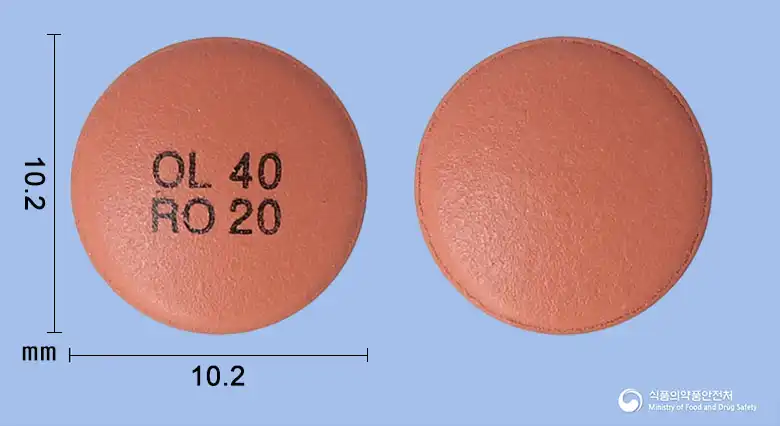 Combination
Rosuvastatin Calcium 20.8mg · Olmesartan Medoxomil 40mg
Tablet · Prescription medication · Combination
Daewoong Pharmaceutical Co., Ltd.
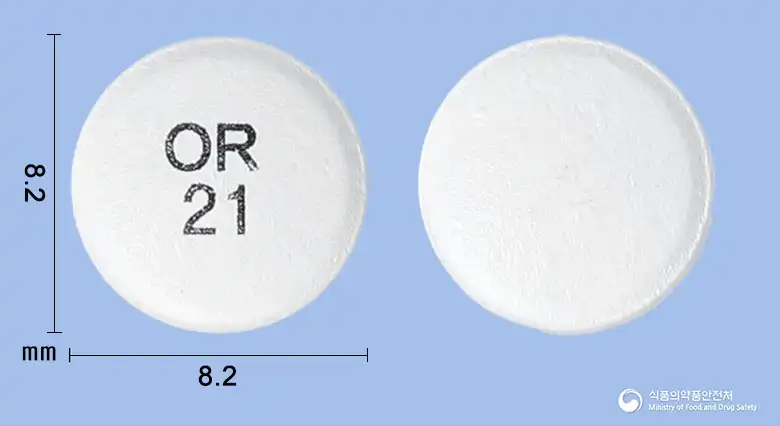 Combination
Rosuvastatin Calcium 10.4mg · Olmesartan Medoxomil 20mg
Tablet · Prescription medication · Combination
Daewoong Pharmaceutical Co., Ltd.
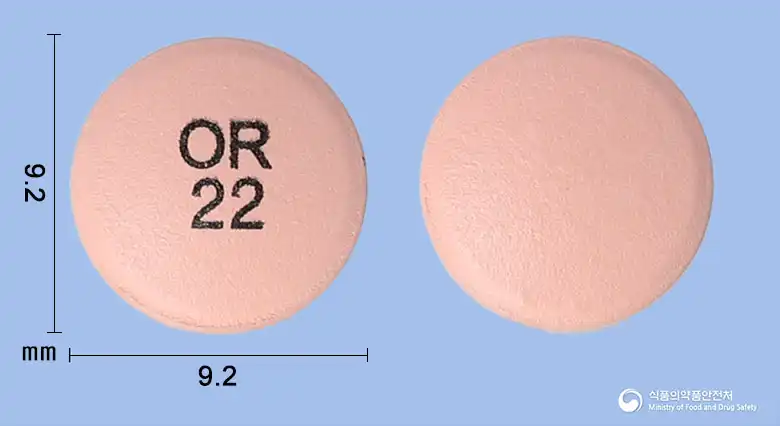 Combination
Rosuvastatin Calcium 20.8mg · Olmesartan Medoxomil 20mg
Tablet · Prescription medication · Combination
Daewoong Pharmaceutical Co., Ltd.
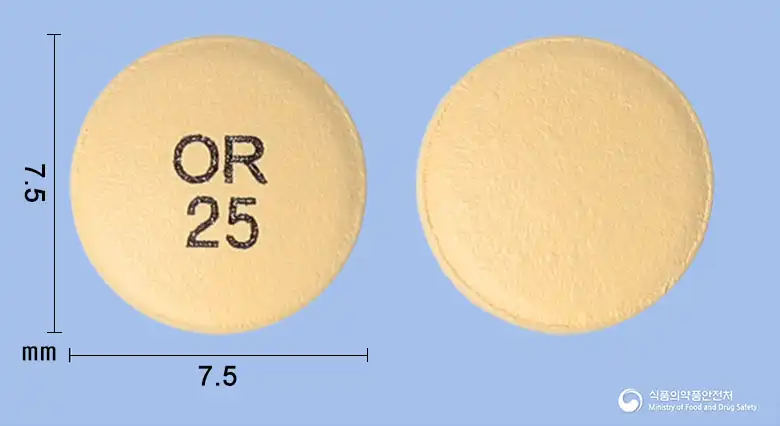 Combination
Rosuvastatin Calcium 5.2mg · Olmesartan Medoxomil 20mg
Tablet · Prescription medication · Combination
Daewoong Pharmaceutical Co., Ltd.
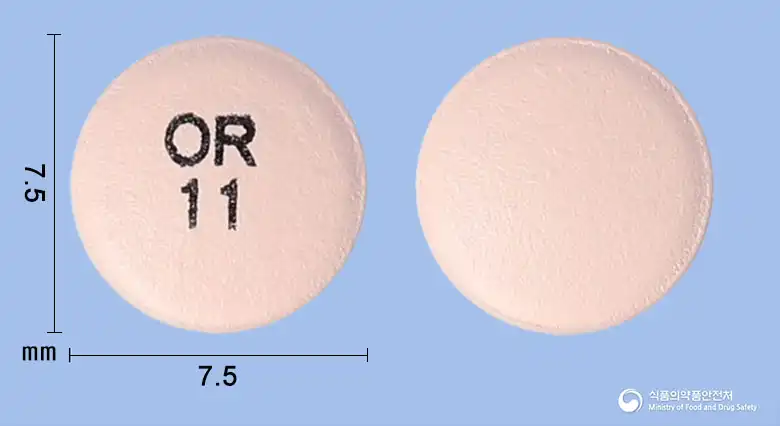 Combination
Rosuvastatin Calcium 10.4mg · Olmesartan Medoxomil 10mg
Tablet · Prescription medication · Combination
(Co., Ltd. Daewoong Pharmaceutical)
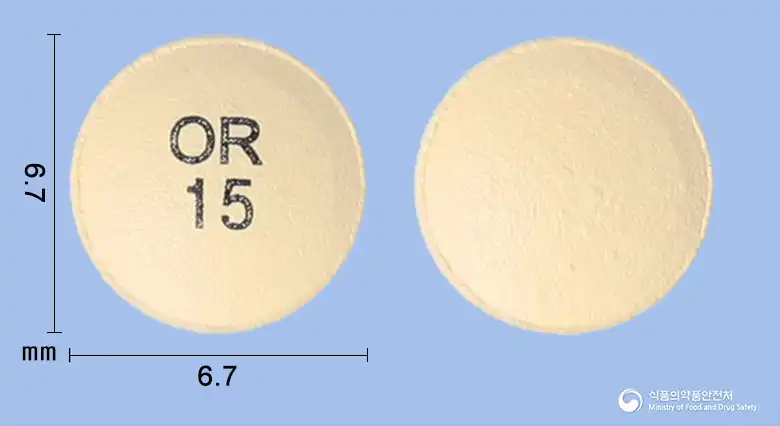 Combination
Rosuvastatin Calcium 5.2mg · Olmesartan Medoxomil 10mg
Tablet · Prescription medication · Combination
(Co., Ltd.) Daewoong Pharmaceutical
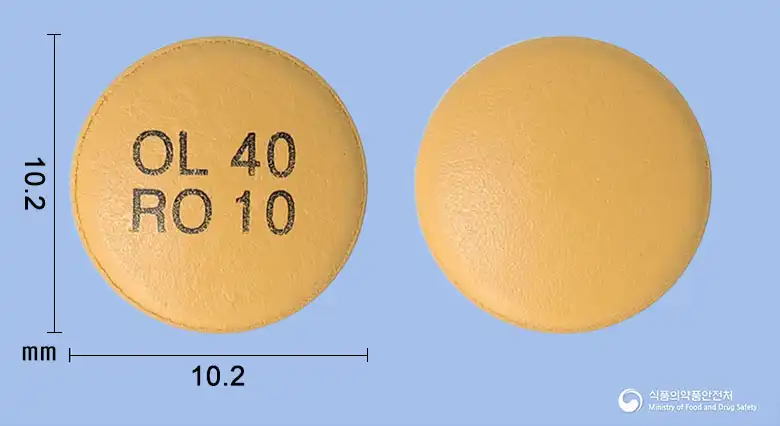 Combination
Rosuvastatin Calcium 10.4mg · Olmesartan Medoxomil 40mg
Tablet · Prescription medication · Combination
Daewoong Pharmaceutical Co., Ltd.
Even with the same ingredient, the dose and directions can differ by strength and dosage form. Talk to a doctor or pharmacist before switching from a medication you are already taking.
No questions yet.
For anything that needs medical judgment, consult a doctor or pharmacist.
This drug information is based on data provided by the Korea Ministry of Food and Drug Safety.
Consult a doctor or pharmacist for accurate dosage, administration, and usage instructions.