
 한국어
한국어 English
 日本語
日本語 中文(简体)
Dosage form image
Viewing nowCombinationOlmesartan Medoxomil and Rosuvastatin Tablets 20/5 mg
Olmesartan Medoxomil 20mg · Rosuvastatin Calcium 5.2mg
Tablet · Prescription medication · Combination
White Biotechnology Co., Ltd.
MFDS item code 202003970 · Approved 2020.05.28
This product's status changed to Expired on 2025.05.28. It may no longer be sold, so consult a doctor or pharmacist before taking it.
Treatment of hypertension and hypercholesterolemia (risk reduction of cardiovascular diseases, etc.)
This medication is used for patients who need to take both olmesartan medoxomil and rosuvastatin simultaneously. Olmesartan medoxomil helps to treat essential hypertension. Rosuvastatin is used as an adjunct therapy when controlling conditions such as hypercholesterolemia and mixed dyslipidemia through diet and exercise is difficult. It is also effective in reducing the risks of stroke, myocardial infarction, and vascular revascularization in patients at high risk for cardiovascular diseases. This medication is used to manage hypertension and hyperlipidemia together to improve cardiovascular health.
Olmesartan Medoxomil: The recommended starting dose is 10 mg once daily, taken regardless of meals. If blood pressure control is insufficient, it may be increased to 20 mg once daily, with a maximum of 40 mg possible. The antihypertensive effect appears within 2 weeks of starting treatment, with maximum effect observed after about 8 weeks. Elderly and patients with mild liver impairment do not need dosage adjustment, while mild and moderate kidney impairment patients should receive appropriate dosage adjustments.
Safety and efficacy in pediatric patients under 18 years have not been established.
This medication can cause serious harm to the fetus and newborn if taken during the second and third trimesters of pregnancy, so it should be discontinued immediately upon confirmation of pregnancy. It should not be used by individuals allergic to its ingredients, pregnant or breastfeeding women, and fertile women not using appropriate contraception. Patients with very poor kidney function or undergoing dialysis, severe liver impairment, and those with certain liver or muscle diseases should not take this medication. Patients with very low blood pressure or low sodium levels may experience hypotensive symptoms when starting this medication, so caution is required, and such symptoms should be reported to a healthcare professional immediately. This medication can affect kidney function; therefore, patients with poor kidney function should periodically check their kidney status through blood tests. Due to the risk of hyperkalemia, it is important to regularly check blood potassium levels. If symptoms of muscle pain or weakness occur, notify a healthcare professional immediately and undergo necessary testing; in severe cases, the medication should be discontinued. This medication may also affect liver function, so liver function tests should be performed regularly, and if signs of liver damage occur, it should be discontinued immediately. Dizziness might occur, so be cautious when engaging in dangerous activities such as high-elevation work or driving. This medication may interact with other drugs, so inform your healthcare professional of any other medications you are taking, especially when taking potassium-sparing diuretics or certain antibiotics, antifungals, and immunosuppressants. Do not take this medication if pregnant or breastfeeding, and women planning pregnancy should use appropriate contraceptive methods. For children and adolescents under 18 years old, it is advisable not to use it as safety and efficacy have not been established. In elderly patients, drug concentration in the body may increase, requiring dosage adjustment and caution. Overdose can cause symptoms such as hypotension or palpitations; in this case, visit a medical institution immediately for appropriate treatment. This medication should be stored out of reach of children and should not be transferred to other containers.
Hives, severe swelling (edema), chest tightness, difficulty breathing, cold sweats, paleness, severe rash with high fever, blisters, peeling skin, pain in mouth/eye mucous membranes, shortness of breath or difficulty breathing, asthma attack, respiratory abnormalities with cough and fever, jaundice (yellowing of skin or eyes), extreme lethargy, sudden and severe headache, thunderclap headache, seizures, confusion, visual disturbances, paralysis, urination issues.
Not everyone experiences these, and they can vary from person to person.
This medication should be stored in a tightly sealed container to prevent exposure to air or moisture. It is recommended to maintain storage temperatures between 1 degree and 30 degrees Celsius. This will help safely preserve the medication's efficacy.
White or light yellow round film-coated tablets
30 tablets (10 tablets/Alu-Alu) × 3
Even with the same ingredient, strength, dosage form and how it is taken can differ.
Olmesartan Medoxomil 20mg · Rosuvastatin Calcium 5.2mg
Tablet · Prescription medication · Combination
White Biotechnology Co., Ltd.
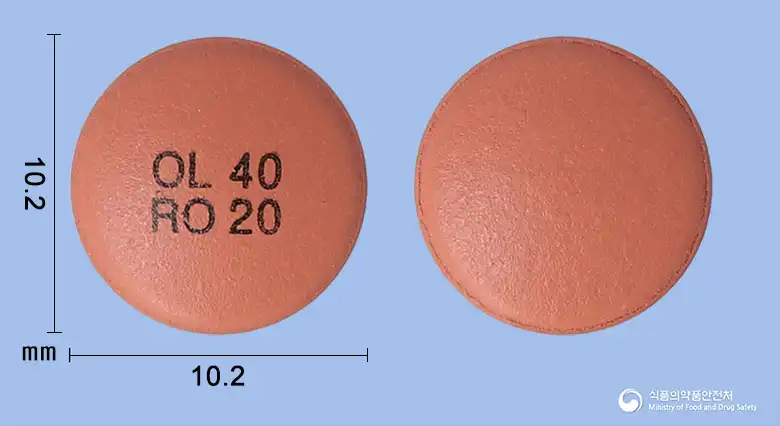 Combination
Rosuvastatin Calcium 20.8mg · Olmesartan Medoxomil 40mg
Tablet · Prescription medication · Combination
Daewoong Pharmaceutical Co., Ltd.
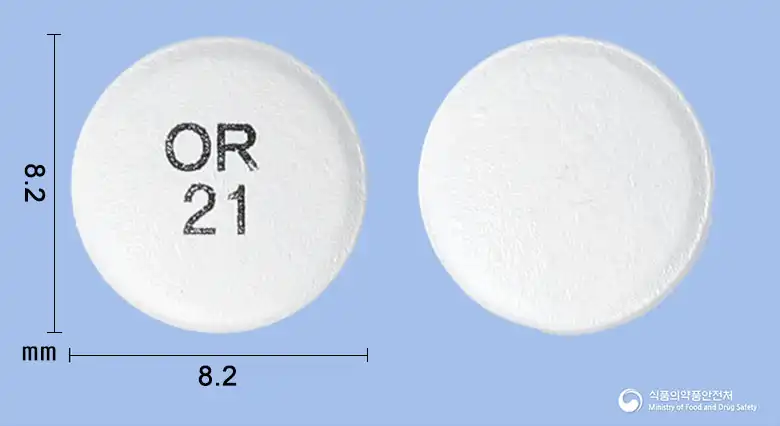 Combination
Rosuvastatin Calcium 10.4mg · Olmesartan Medoxomil 20mg
Tablet · Prescription medication · Combination
Daewoong Pharmaceutical Co., Ltd.
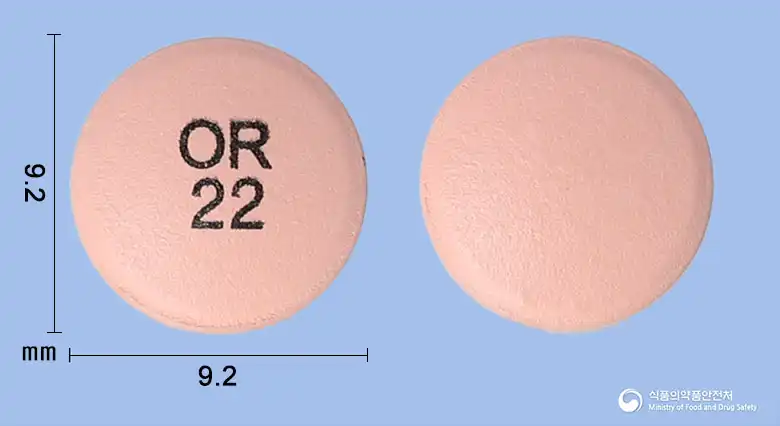 Combination
Rosuvastatin Calcium 20.8mg · Olmesartan Medoxomil 20mg
Tablet · Prescription medication · Combination
Daewoong Pharmaceutical Co., Ltd.
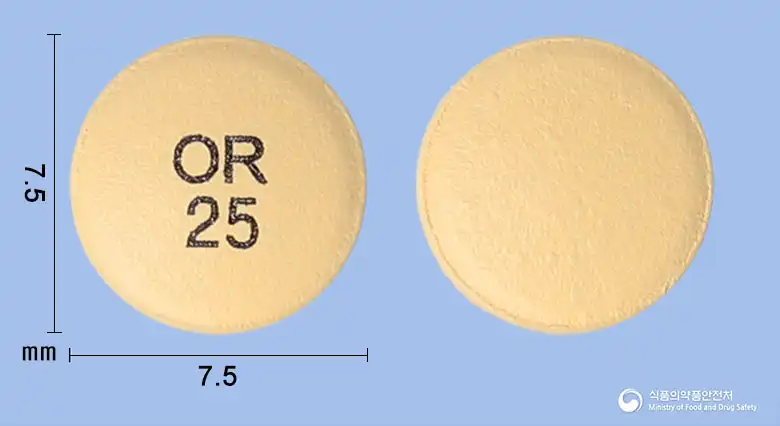 Combination
Rosuvastatin Calcium 5.2mg · Olmesartan Medoxomil 20mg
Tablet · Prescription medication · Combination
Daewoong Pharmaceutical Co., Ltd.
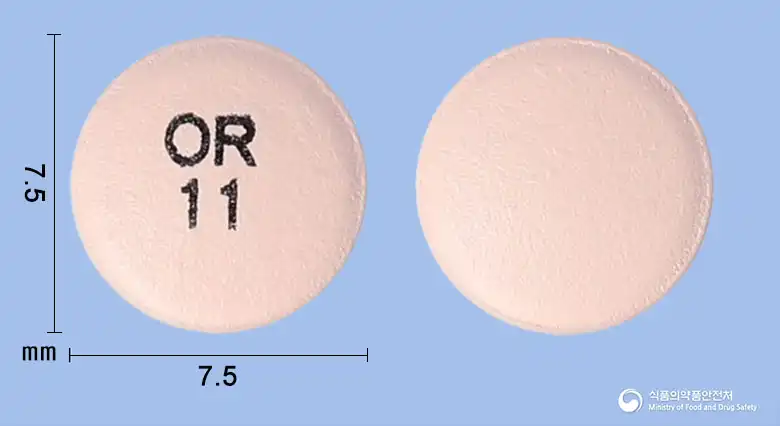 Combination
Rosuvastatin Calcium 10.4mg · Olmesartan Medoxomil 10mg
Tablet · Prescription medication · Combination
(Co., Ltd. Daewoong Pharmaceutical)
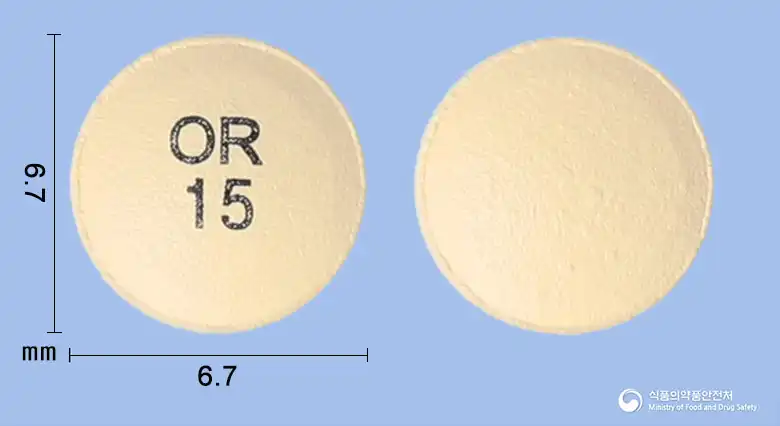 Combination
Rosuvastatin Calcium 5.2mg · Olmesartan Medoxomil 10mg
Tablet · Prescription medication · Combination
(Co., Ltd.) Daewoong Pharmaceutical
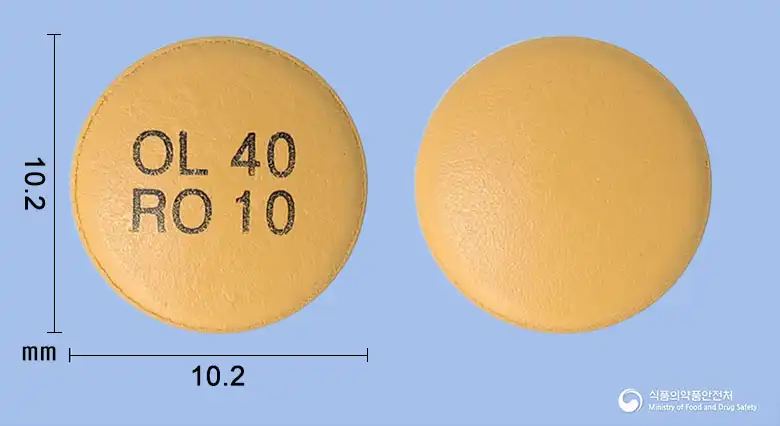 Combination
Rosuvastatin Calcium 10.4mg · Olmesartan Medoxomil 40mg
Tablet · Prescription medication · Combination
Daewoong Pharmaceutical Co., Ltd.
Even with the same ingredient, the dose and directions can differ by strength and dosage form. Talk to a doctor or pharmacist before switching from a medication you are already taking.
No questions yet.
For anything that needs medical judgment, consult a doctor or pharmacist.
This drug information is based on data provided by the Korea Ministry of Food and Drug Safety.
Consult a doctor or pharmacist for accurate dosage, administration, and usage instructions.