
 한국어
한국어 English
 日本語
日本語 中文(简体)
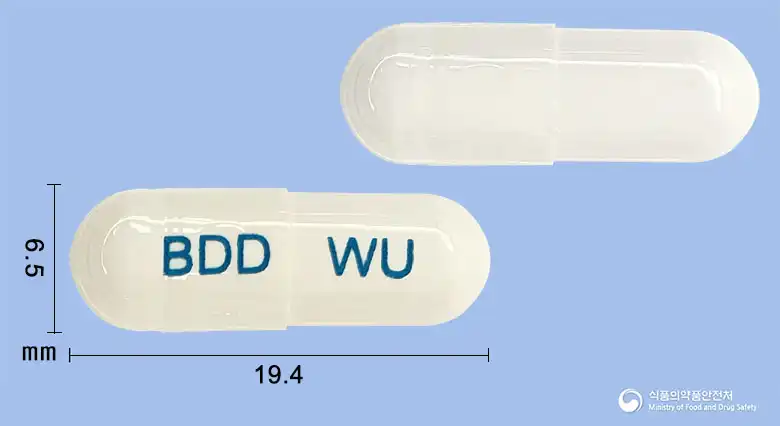 Viewing nowCombination
Uphenyl Capsule
Biphenyl Dimethyl Dicarboxylate 12.5mg · Ursodeoxycholic Acid 50mg
Hard capsule · Prescription medication · Combination
Withus Pharmaceutical Co., Ltd.
MFDS item code 202003924 · Approved 2020.05.27 · Insurance code 660703490
Inhibition of SGPT elevation in chronic persistent hepatitis
Chronic persistent hepatitis is a condition where inflammation occurs continuously in the liver, leading to elevated SGPT levels. This medication helps reduce liver inflammation and improve liver function, inhibiting the elevation of SGPT levels. Therefore, it is effective for the treatment of chronic persistent hepatitis and is used to maintain liver health.
Typically, one adult takes 1 capsule for each dose, 3 times a day after meals.
This medication should not be used in patients with complete biliary obstruction. Additionally, this medication contains lactose and should not be administered to patients with genetic conditions such as galactose intolerance, Lapp lactase deficiency, or glucose-galactose malabsorption. Caution should be exercised when using this medication in patients with chronic active hepatitis, cirrhosis, hypokalemia, severe pancreatic disease, peptic ulcer, or cholelithiasis. Gastrointestinal symptoms such as diarrhea, nausea, and vomiting may occur when taking this medication, and occasionally abdominal pain, constipation, and heartburn may also appear. Allergic reactions such as itching or rash may develop, and in some cases, skin rashes may occur. Transitory jaundice symptoms may appear, but these will disappear with the discontinuation of the medication or the use of jaundice treatments. Occasionally, generalized fatigue or dizziness may also occur. If symptoms do not improve after long-term use of this medication or if unusual symptoms develop, discontinue use and consult a doctor or pharmacist. Store in a safe place out of reach of children. Women who are pregnant or may become pregnant should avoid taking this medication. Caution should be taken when using this medication in combination with oral diabetes medications, as the effect of the diabetes medication may be enhanced.
Not everyone experiences these, and they can vary from person to person.
This medication should be stored in a tightly sealed container to prevent air exposure, at a temperature between 1 degree and 30 degrees Celsius. Proper storage will help maintain the medication's effectiveness for a longer period.
A hard capsule containing white powder with white upper and lower parts
30 capsules/bottle, 300 capsules/bottle
Even with the same ingredient, strength, dosage form and how it is taken can differ.
Viewing nowCombinationBiphenyl Dimethyl Dicarboxylate 12.5mg · Ursodeoxycholic Acid 50mg
Hard capsule · Prescription medication · Combination
Withus Pharmaceutical Co., Ltd.
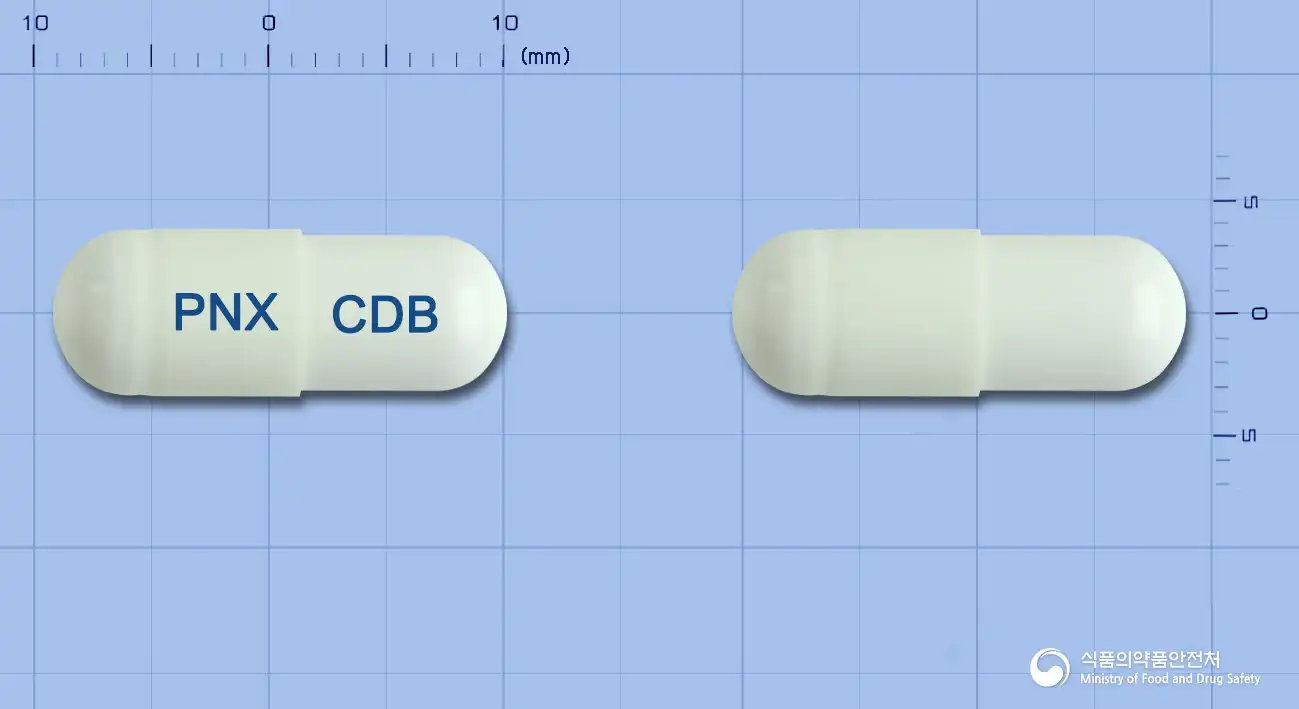 Combination
Biphenyl Dimethyl Dicarboxylate 12.5mg · Ursodeoxycholic Acid 50mg
Hard capsule · Prescription medication · Combination
Korea PMG Pharmaceutical Co., Ltd.
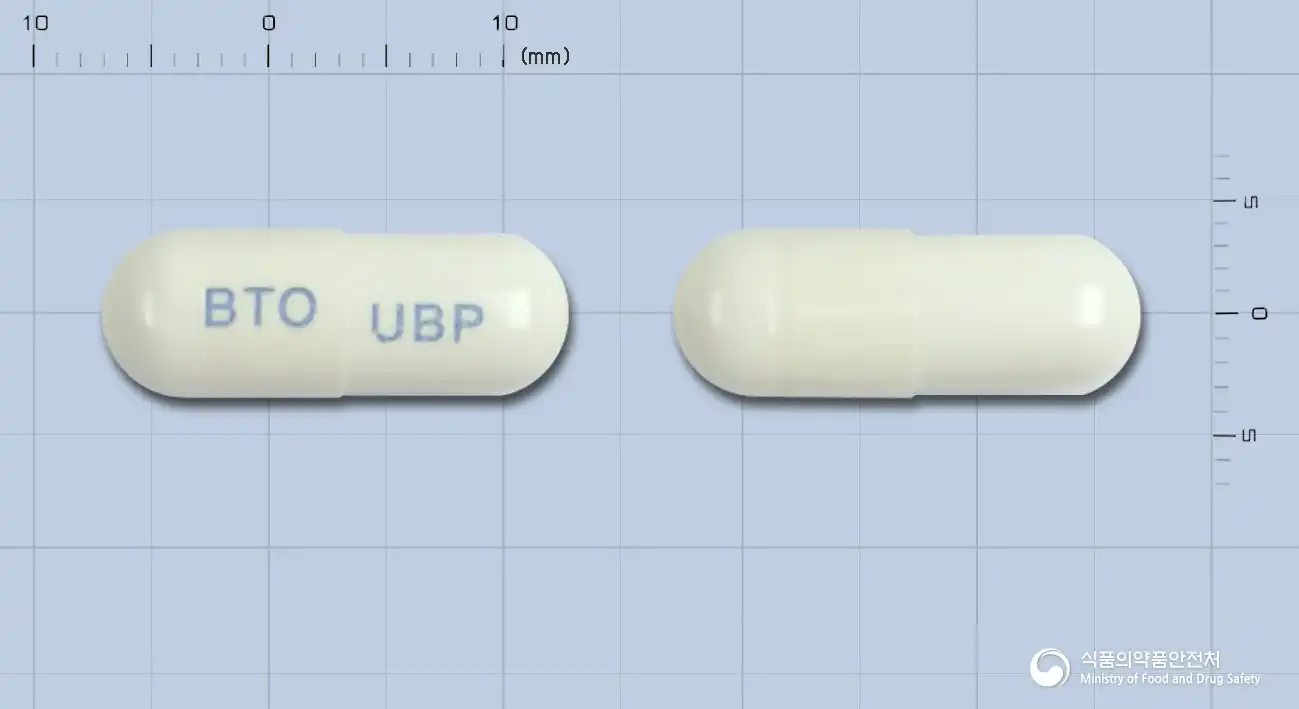 Combination
Biphenyl Dimethyl Dicarboxylate 12.5mg · Ursodeoxycholic Acid 50mg
Hard capsule · Prescription medication · Combination
Huons Life Science Co., Ltd.
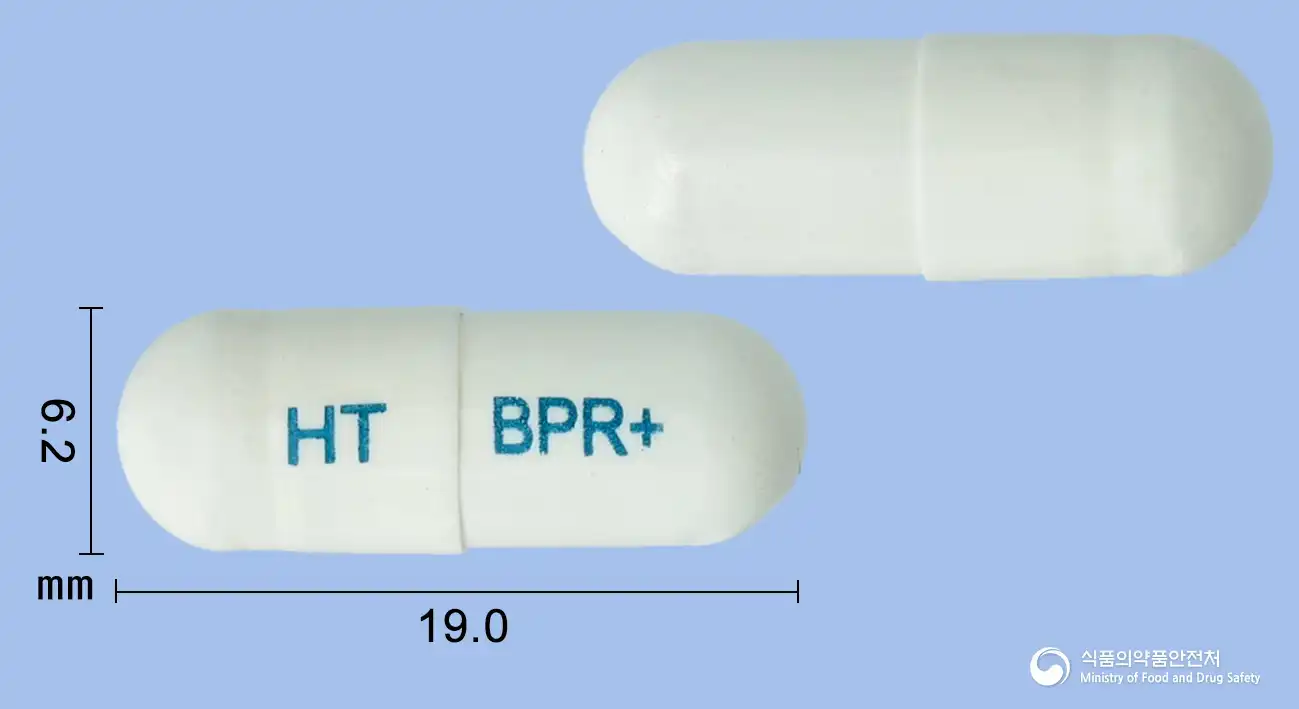 Combination
Biphenyl Dimethyl Dicarboxylate 12.5mg · Ursodeoxycholic Acid 50mg
Hard capsule · Prescription medication · Combination
Korea Hutech Pharmaceutical Co., Ltd.
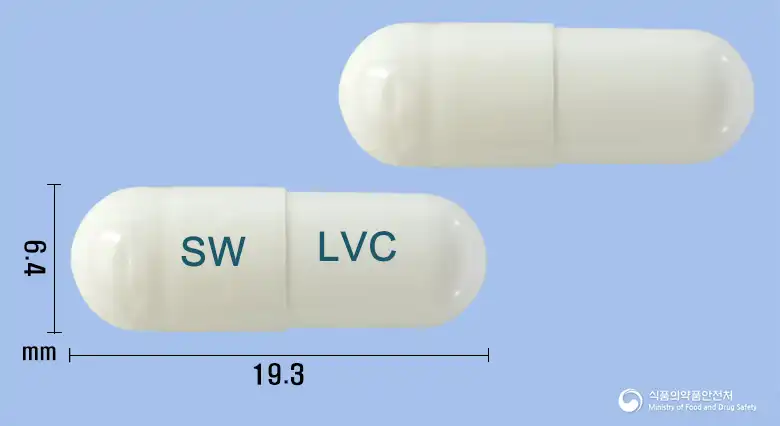 Combination
Biphenyl Dimethyl Dicarboxylate 12.5mg · Ursodeoxycholic Acid 50mg
Hard capsule · Prescription medication · Combination
Seongwon Adcock Pharmaceutical Co., Ltd.
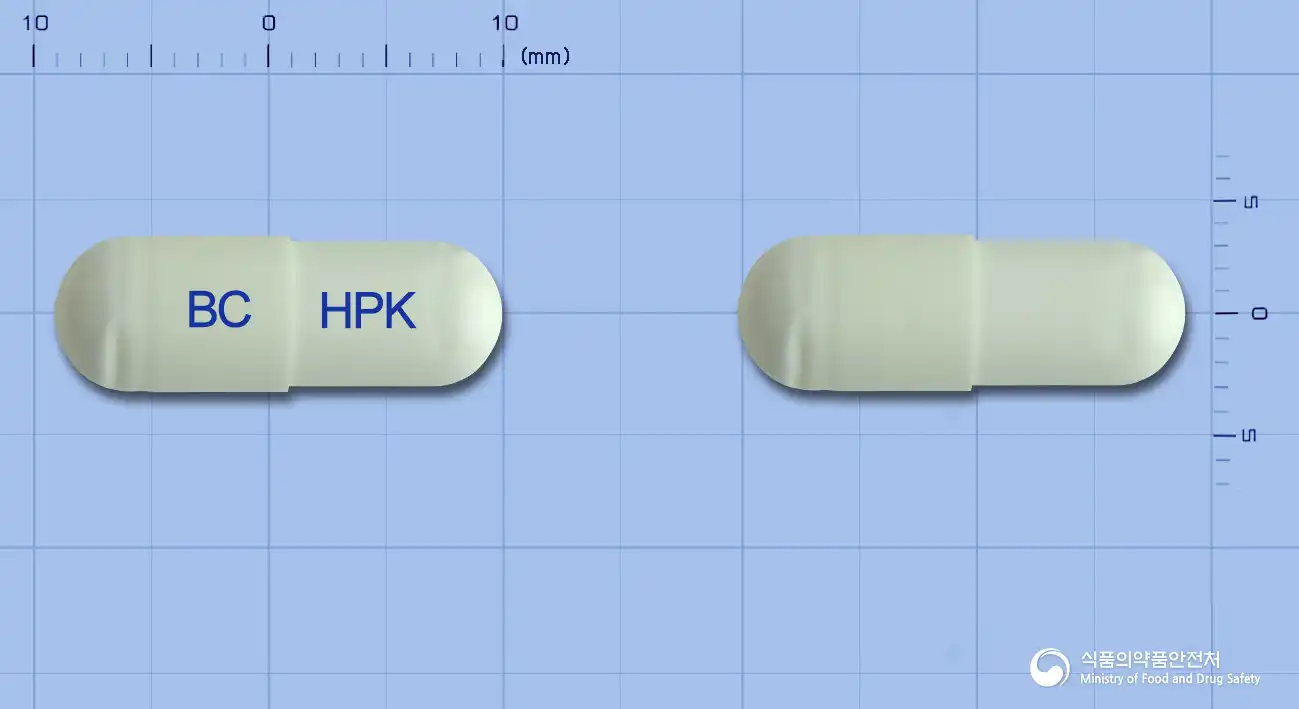 Combination
Biphenyl Dimethyl Dicarboxylate 12.5mg · Ursodeoxycholic Acid 50mg
Hard capsule · Prescription medication · Combination
BC World Pharmaceutical Co., Ltd.
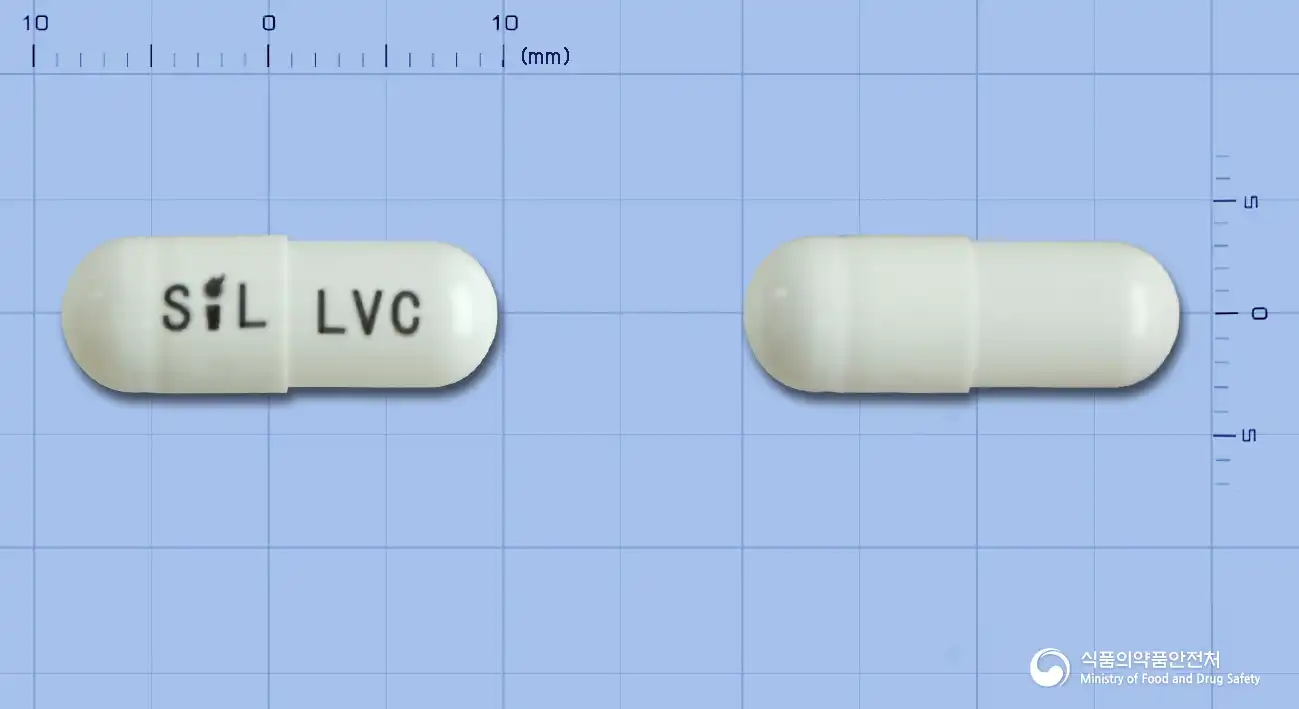 Combination
Biphenyl Dimethyl Dicarboxylate 12.5mg · Ursodeoxycholic Acid 50mg
Hard capsule · Prescription medication · Combination
Samil Pharmaceutical Co., Ltd.
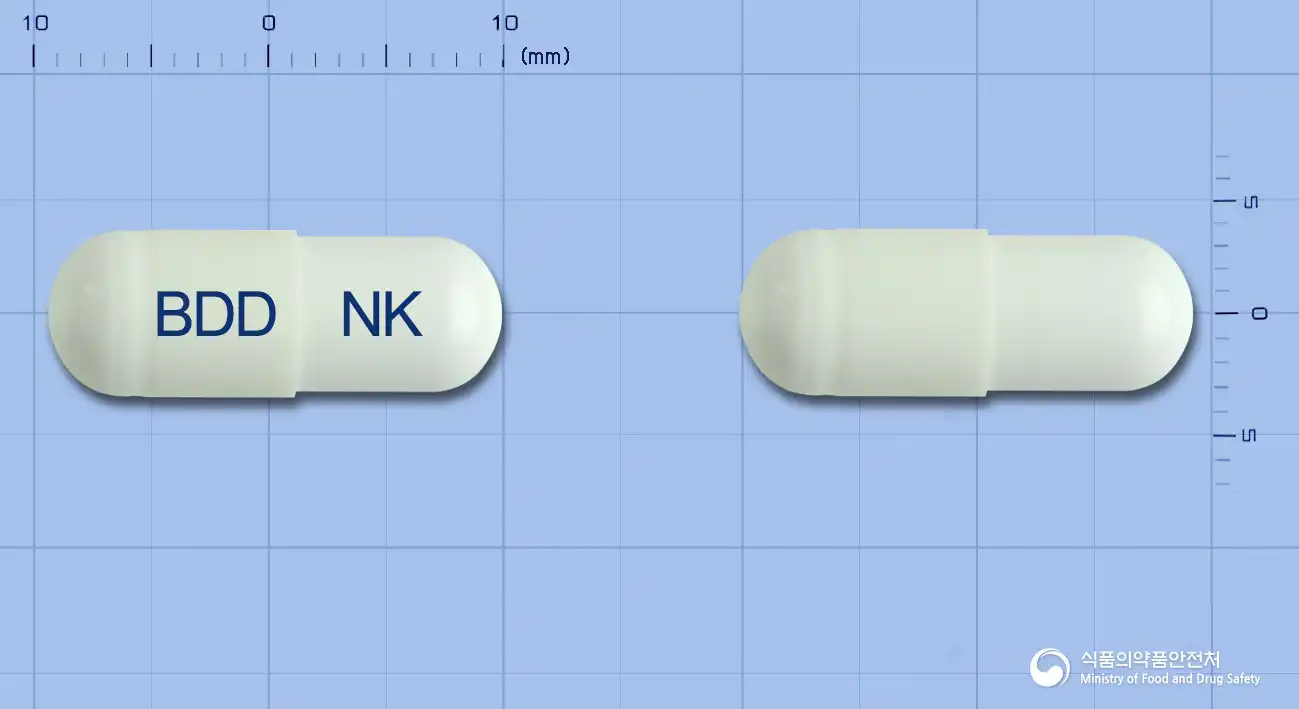 Combination
Biphenyl Dimethyl Dicarboxylate 12.5mg · Ursodeoxycholic Acid 50mg
Hard capsule · Prescription medication · Combination
Nexfarm Korea Co., Ltd.
Even with the same ingredient, the dose and directions can differ by strength and dosage form. Talk to a doctor or pharmacist before switching from a medication you are already taking.
No questions yet.
For anything that needs medical judgment, consult a doctor or pharmacist.
This drug information is based on data provided by the Korea Ministry of Food and Drug Safety.
Consult a doctor or pharmacist for accurate dosage, administration, and usage instructions.