
 한국어
한국어 English
 日本語
日本語 中文(简体)
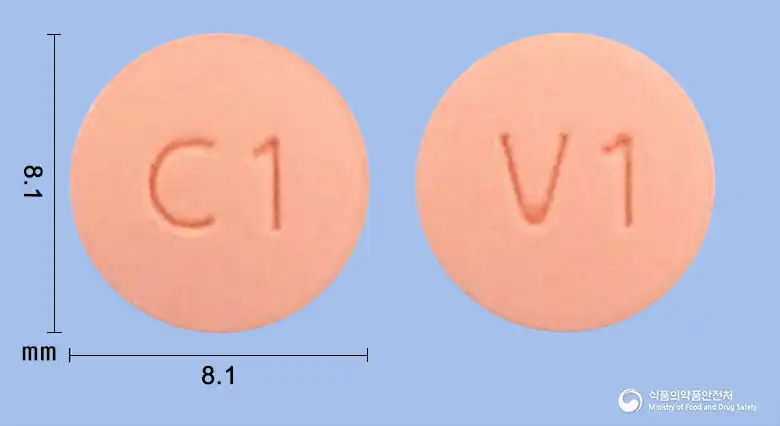 Viewing nowCombination
Kvarban Tablets 10/80mg
Rosuvastatin Calcium 10.4mg · Valsartan 80mg
Tablet · Prescription medication · Combination
Pharmgen Science Co., Ltd.
MFDS item code 202003922 · Approved 2020.05.27
(Hypertension, heart failure) improvement and (hypercholesterolemia) treatment
This medication is used for patients who require simultaneous treatment with Valsartan and Rosuvastatin. Valsartan helps to reduce the risk of death in patients with hypertension, heart failure, and those with impaired cardiac function after myocardial infarction. It can be particularly used in heart failure patients who have side effects from ACE inhibitors. Rosuvastatin is primarily used as an adjunct treatment when dietary measures alone are not sufficient for patients with hypercholesterolemia and hyperlipidemia, and it is also effective for patients with homozygous familial hypercholesterolemia. This medication also helps slow the progression of atherosclerosis and contribute to reducing the risk of cardiovascular diseases and strokes, myocardial infarctions, and after vascular interventions. Therefore, it is used to improve the prevention and treatment of cardiovascular diseases.
Essential Hypertension: Valsartan is recommended to be taken at 80 mg orally once daily, with the maximum increase to 320 mg per day if blood pressure control is difficult. For elderly patients (75 years or older), the starting dose is 40 mg once daily. Heart Failure: Valsartan is recommended to be taken at 40 mg orally twice a day, and can be increased to 80 mg or 160 mg per dose. Post-Myocardial Infarction: Start with 20 mg once daily.
This medication can cause serious harm to the fetus if taken during pregnancy, especially in the 2nd and 3rd trimesters, so it should be discontinued immediately once pregnancy is confirmed. Women who are pregnant or may become pregnant and women who are breastfeeding should not take this medication, and appropriate contraception should be used if there is a possibility of pregnancy. It is recommended not to use this medication in patients with severely impaired liver function, liver cirrhosis, or bile duct obstruction. Patients with muscle disorders or hereditary angioedema, severe renal insufficiency, certain kidney diseases, and those allergic to any components of this medication should also avoid taking it. Caution is needed for elderly patients, patients with hyperkalemia, those with slightly impaired liver function, and patients with heart diseases, as dosage adjustments and regular checks may be necessary. This medication can cause serious muscle-related side effects such as myalgia or myopathy, and if symptoms such as muscle pain, weakness, or cramps occur, medical personnel should be notified immediately. It is important to regularly check liver function tests and blood tests for kidney function and potassium levels while taking this medication. This medication can interact with other drugs, so it is essential to inform medical personnel of any other medications being taken, especially when used in combination with potassium-sparing diuretics, potassium supplements, certain antibiotics, immunosuppressants, and fibrates. There is no specific antidote in case of overdose, so immediate medical attention should be sought for appropriate treatment, and observation may be necessary for symptoms of hypotension or decreased consciousness. The safety and efficacy for children and adolescents have not been established, so it is advisable not to use it in those under 18 years of age. During storage, keep it out of reach of children and do not transfer to other containers to maintain the quality of the medication. Avoid alcohol while taking this medication, and if there are any health issues related to the liver or kidneys, consult with medical personnel for careful management.
Not everyone experiences these, and they can vary from person to person.
This medication is sensitive to light, so it should be stored in a special container that protects it from light. Additionally, it is safe to store the medication at room temperature, between 1 to 30 degrees Celsius, avoiding excessively hot or cold conditions.
Pink round film-coated tablets
30 tablets/box [10 tablets/PTP x 3]
Even with the same ingredient, strength, dosage form and how it is taken can differ.
Viewing nowCombinationRosuvastatin Calcium 10.4mg · Valsartan 80mg
Tablet · Prescription medication · Combination
Pharmgen Science Co., Ltd.
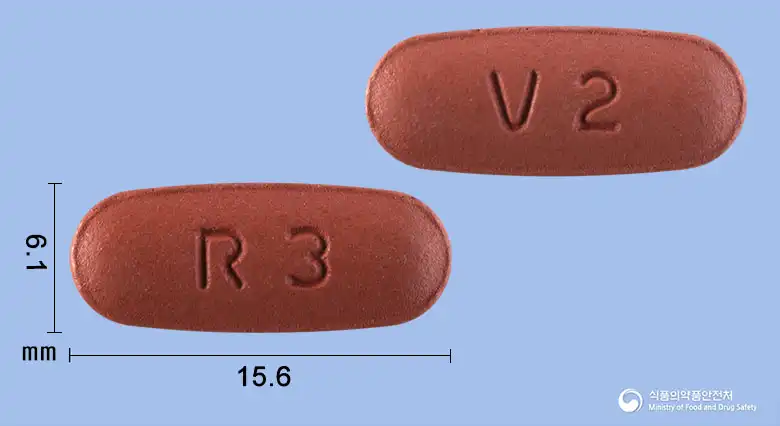 Combination
Rosuvastatin Calcium 20.8mg · Valsartan 160mg
Tablet · Prescription medication · Combination
Dongkwang Pharmaceutical Co., Ltd.
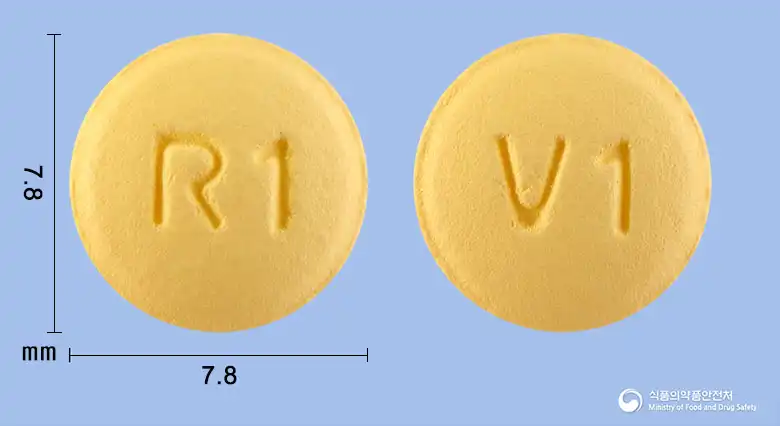 Combination
Rosuvastatin Calcium 5.2mg · Valsartan 80mg
Tablet · Prescription medication · Combination
Dongkwang Pharmaceutical Co., Ltd.
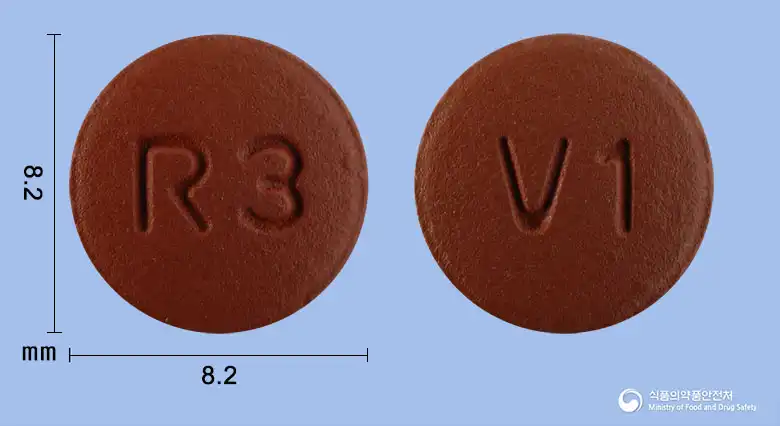 Combination
Rosuvastatin Calcium 20.8mg · Valsartan 80mg
Tablet · Prescription medication · Combination
Dongkwang Pharmaceutical Co., Ltd.
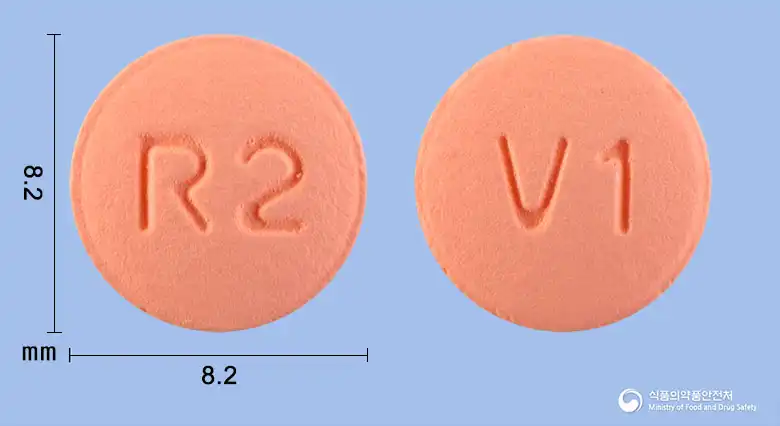 Combination
Rosuvastatin Calcium 10.4mg · Valsartan 80mg
Tablet · Prescription medication · Combination
Dongkwang Pharmaceutical Co., Ltd.
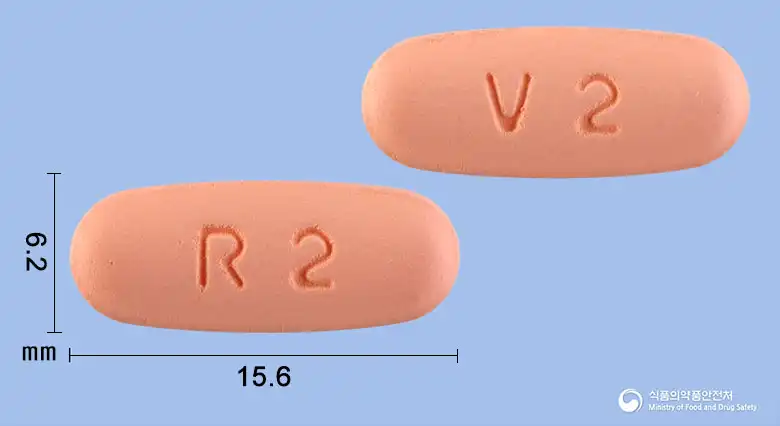 Combination
Rosuvastatin Calcium 10.4mg · Valsartan 160mg
Tablet · Prescription medication · Combination
Dongkwang Pharmaceutical Co., Ltd.
Rosuvastatin Calcium 20.8mg · Valsartan 160mg
Tablet · Prescription medication · Combination
Medika Korea Co., Ltd.
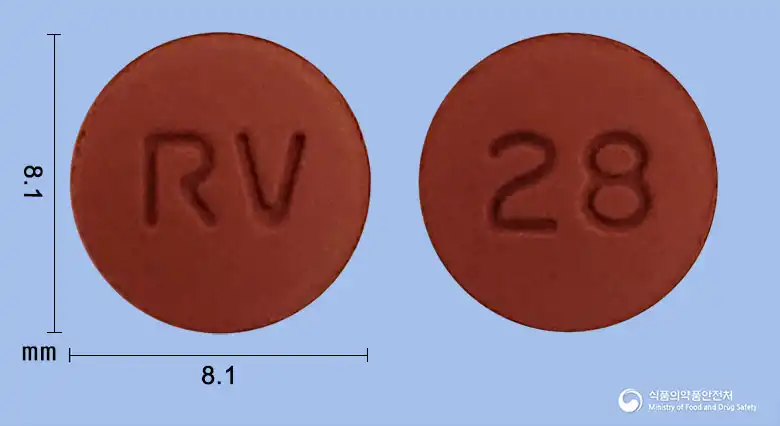 Combination
Rosuvastatin Calcium 20.8mg · Valsartan 80mg
Tablet · Prescription medication · Combination
Medica Korea Co., Ltd.
Even with the same ingredient, the dose and directions can differ by strength and dosage form. Talk to a doctor or pharmacist before switching from a medication you are already taking.
No questions yet.
For anything that needs medical judgment, consult a doctor or pharmacist.
This drug information is based on data provided by the Korea Ministry of Food and Drug Safety.
Consult a doctor or pharmacist for accurate dosage, administration, and usage instructions.