
 한국어
한국어 English
 日本語
日本語 中文(简体)
 Viewing nowCombination
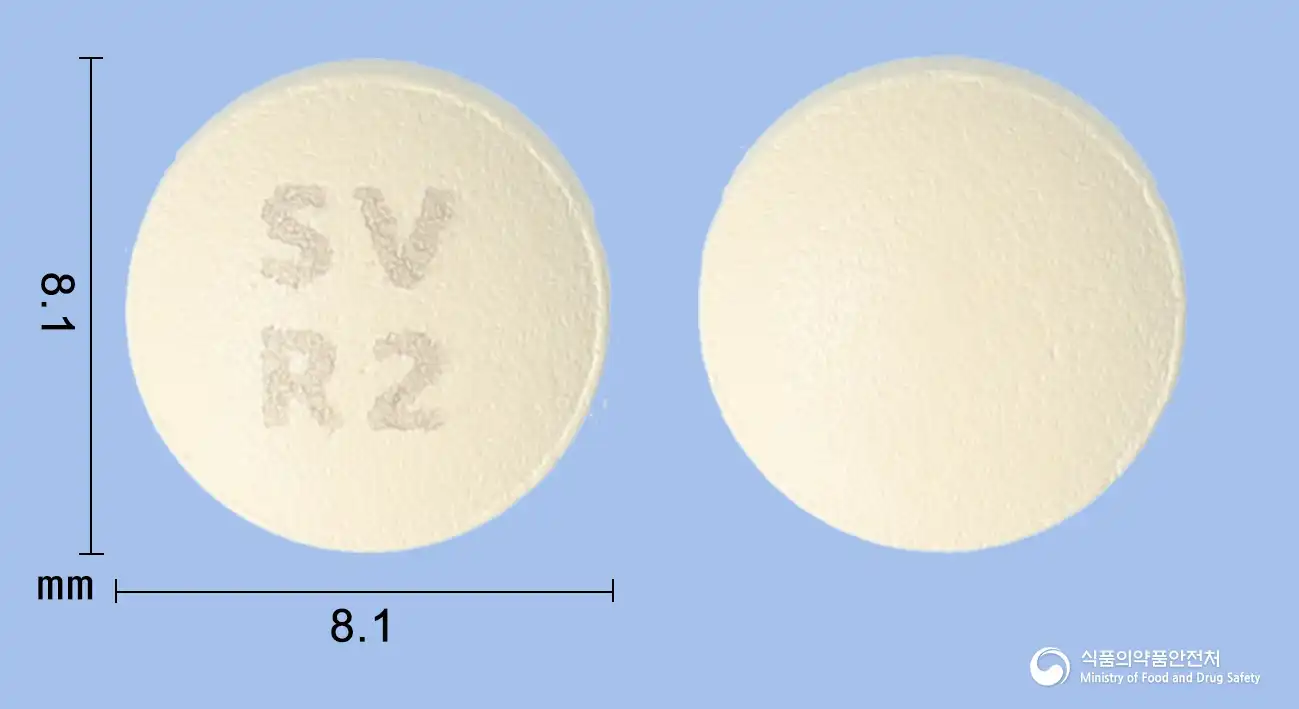
Sevirucca Tablet 5/40 mg (Amlodipine, Olmesartan)
Olmesartan Medoxomil 40mg · Amlodipine Besylate 6.944mg
Tablet · Prescription medication · Combination
Daewoong Bio Co., Ltd.
MFDS item code 202003823 · Approved 2020.05.26 · Insurance code 694004490
Improvement of blood pressure control in essential hypertension
This medication is used to effectively lower and control blood pressure in patients with essential hypertension whose blood pressure is not adequately controlled by monotherapy with Amlodipine or Olmesartan Medoxomil. It helps reduce the risk of cardiovascular complications and improves patient health.
The medication is administered as 1 tablet once daily, with or without food. It is recommended to take it at the same time every day (e.g., in the morning). The recommended dosages are as follows: - 5/20 mg: For patients whose blood pressure is not adequately controlled by monotherapy with Amlodipine 5 mg or Olmesartan Medoxomil 20 mg. - 10/20 mg: For patients not adequately controlled with Olmesartan Medoxomil 20 mg.
Safety and efficacy for pediatric patients under 18 years of age have not been established.
This medication can cause serious harm to the fetus and newborn if taken during the second and third trimester of pregnancy; thus, it must be discontinued immediately upon confirmation of pregnancy. This medication should not be used in patients with hypersensitivity to its active ingredients or in pregnant or nursing women, patients with severe liver impairment, patients with severe valvular heart disease, patients with biliary obstruction, patients undergoing renal dialysis, patients in a state of shock, and certain diabetes patients. Caution should be taken with patients who are deficient in fluids or salt as hypotension may occur; careful monitoring of their condition is required. Patients sensitive to vascular dilation should be cautious as hypotension may occur due to vasodilation. Patients with severe obstructive coronary artery disease must be careful as their symptoms may worsen. Heart failure patients should closely monitor their heart status while using this drug, and patients with impaired renal function should carefully monitor changes in kidney function. For patients with reduced liver function, caution is necessary as drug metabolism may be delayed. During the treatment with this drug, side effects such as dizziness, headache, hypotension, orthostatic hypotension, fatigue, edema, dyspepsia, and rash may occur, and any unusual symptoms should be discussed with a physician. Especially, this drug may increase blood potassium levels, and patients at risk of hyperkalemia should undergo regular blood tests. Taking this medication during pregnancy can result in serious issues such as fetal kidney damage, anuria, and hypotension; thus, alternative treatments should be considered if there are plans for pregnancy or if already pregnant. Nursing mothers are recommended to either discontinue breastfeeding or stop taking this medication, as it may pass into breast milk and affect the baby. This drug is not recommended for children under 18 as its safety and efficacy have not been established in this age group. Elderly patients should be administered with caution, starting from a low dose considering any decline in liver, kidney, or heart function and accompanying diseases. In case of overdose, symptoms such as severe hypotension, vasodilation, and tachycardia may occur, requiring immediate monitoring of heart function and respiration in a hospital with appropriate treatment. Taking this medication with grapefruit juice may excessively enhance blood pressure-lowering effects, so concomitant use should be avoided. This medication may interact with other drugs, so it is essential to inform the doctor or pharmacist about any medications currently being taken. Store this medication securely out of reach of children, avoiding exposure to direct sunlight and moisture.
Not everyone experiences these, and they can vary from person to person.
This medication should be stored in a tightly sealed container to prevent exposure to air and moisture. It is also best stored at room temperature between 1 degree and 30 degrees Celsius. Proper storage maintains the medication's effectiveness.
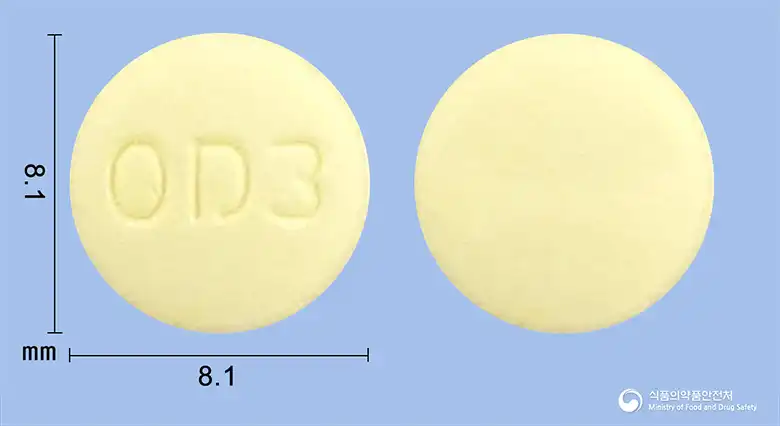
Pale yellow circular film-coated tablets
28 tablets (14 tablets/PTP x 2)
Even with the same ingredient, strength, dosage form and how it is taken can differ.
Viewing nowCombinationOlmesartan Medoxomil 40mg · Amlodipine Besylate 6.944mg
Tablet · Prescription medication · Combination
Daewoong Bio Co., Ltd.
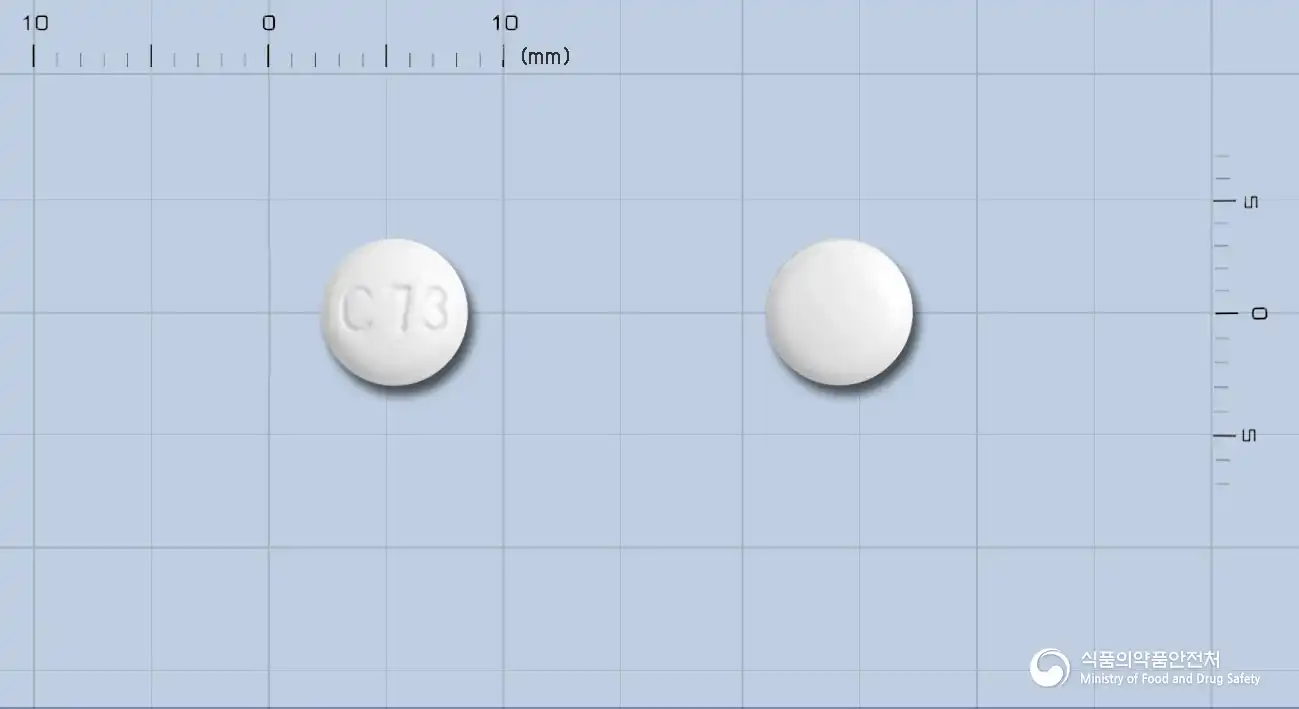 Combination
Olmesartan Medoxomil 20mg · Amlodipine Besylate 6.944mg
Tablet · Prescription medication · Combination
Korea Daiichi Sankyo Co., Ltd.
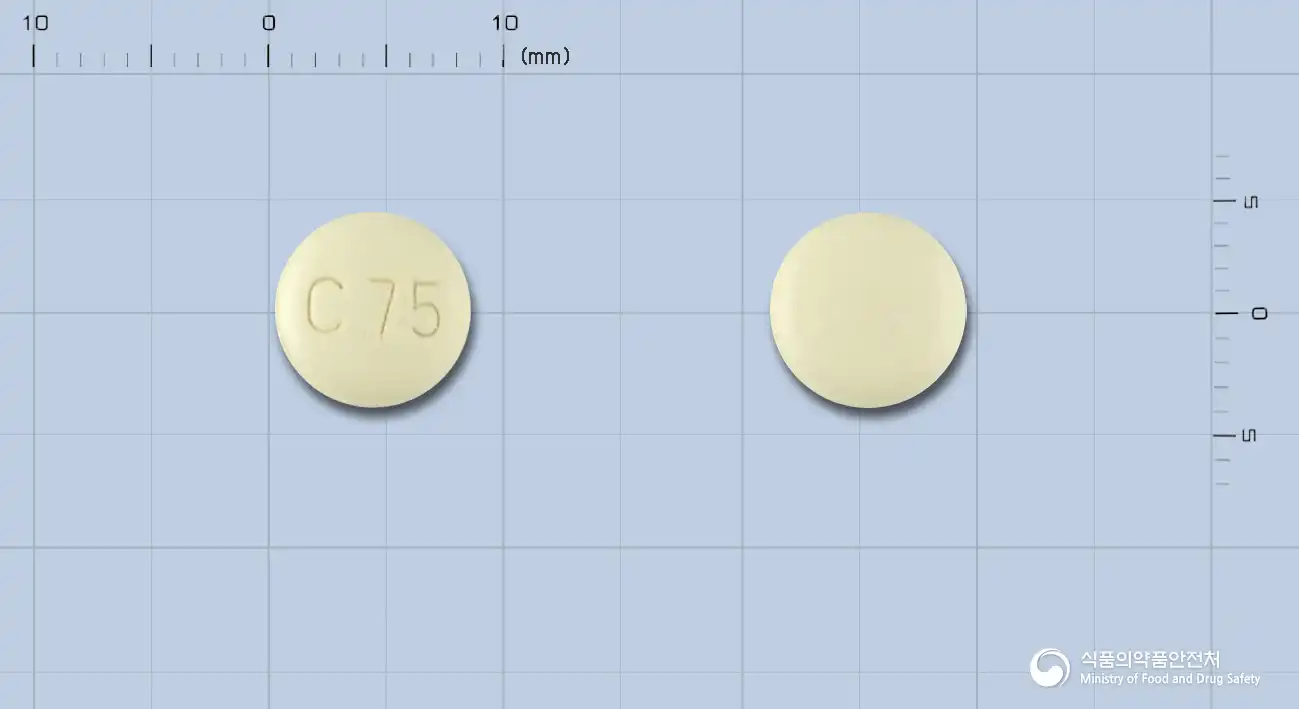 Combination
Olmesartan Medoxomil 40mg · Amlodipine Besylate 6.944mg
Tablet · Prescription medication · Combination
Korea Daiichi Sankyo Co., Ltd.
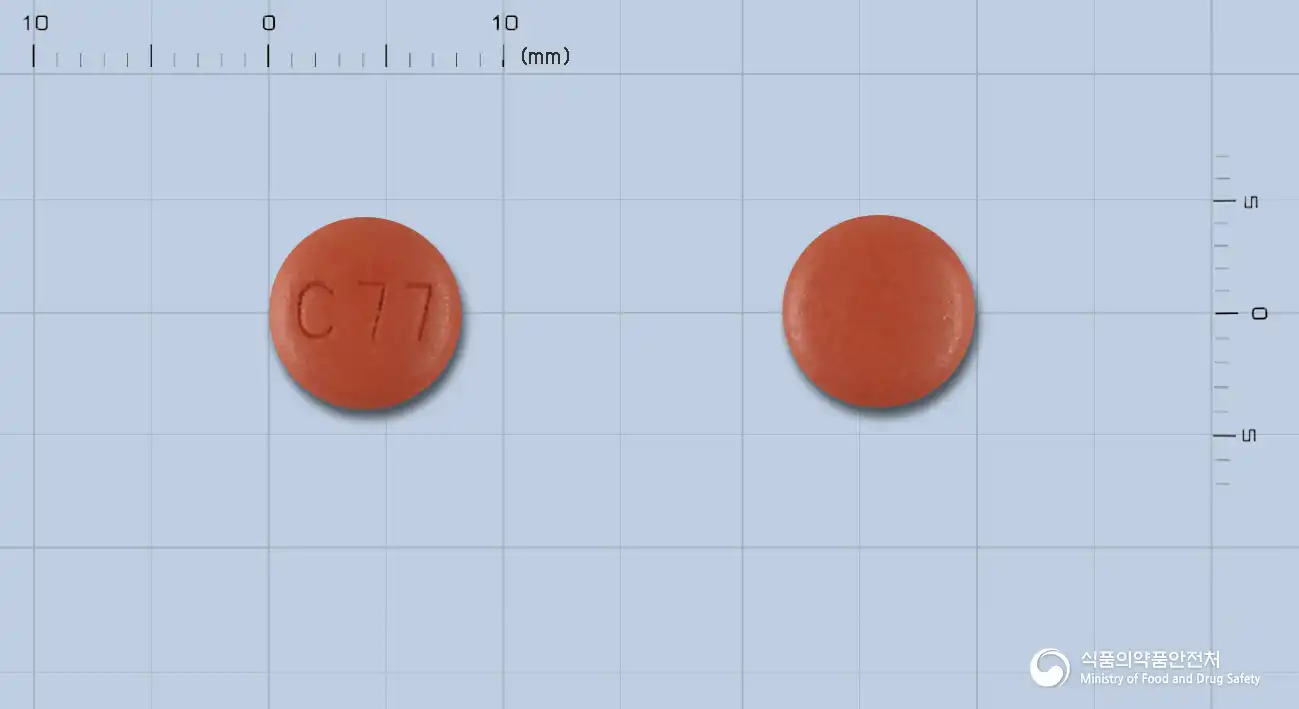 Combination
Olmesartan Medoxomil 40mg · Amlodipine Besylate 13.888mg
Tablet · Prescription medication · Combination
Hanmi Daiichi Sankyo Co., Ltd.
Olmesartan Medoxomil · Amlodipine Besylate
Prescription medication · Combination
SYNEX Co., Ltd.
Olmesartan Medoxomil · Amlodipine Besylate
Prescription medication · Combination
Co., Ltd. Sainex
Olmesartan Medoxomil · Amlodipine Besylate
Prescription medication · Combination
SYNEX Co., Ltd.
 Combination
Amlodipine Besylate 6.944mg · Olmesartan Medoxomil 40mg
Tablet · Prescription medication · Combination
Huons Co., Ltd.
Even with the same ingredient, the dose and directions can differ by strength and dosage form. Talk to a doctor or pharmacist before switching from a medication you are already taking.
No questions yet.
For anything that needs medical judgment, consult a doctor or pharmacist.
This drug information is based on data provided by the Korea Ministry of Food and Drug Safety.
Consult a doctor or pharmacist for accurate dosage, administration, and usage instructions.