
 한국어
 English
 日本語
 中文(简体)
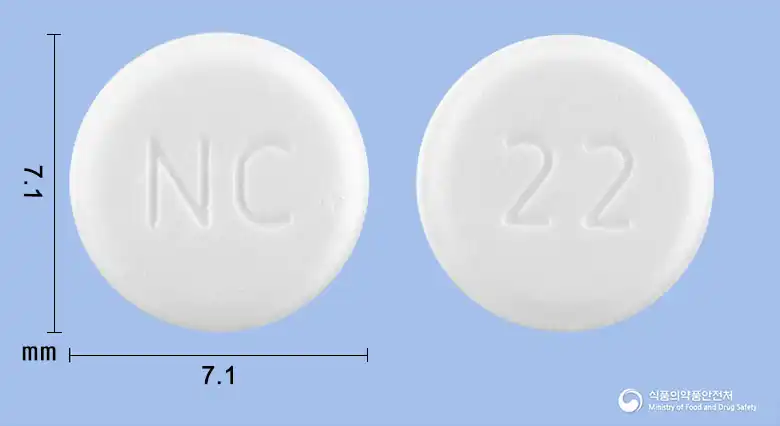 Viewing now
Dieno Tablet (Dienogest)
Dienogest Micronized 2mg
Tablet · Prescription medication
Hanwha Pharmaceuticals Co., Ltd.
MFDS item code 202003691 · Approved 2020.05.21 · Insurance code 651602720
Treatment of endometriosis
Endometriosis is a condition where tissue similar to the lining inside the uterus starts to grow outside the uterus. This medication helps relieve pain and inflammation resulting from endometriosis. It is used to reduce chronic pelvic pain and menstrual pain caused by endometriosis.
Take 1 tablet daily without a break in treatment. If possible, take it at the same time each day with a small amount of water; it may be taken with or without food. Continue taking the tablets consecutively regardless of vaginal bleeding, and start the next pack without a break after finishing the current pack. There is no experience with treatment of patients with endometriosis for longer than 15 months. Treatment may be started on any day of the menstrual cycle. If you forget to take a dose, or vomit or have diarrhea within 3-4 hours after taking this medication, its effectiveness may be reduced. If you have forgotten 1 tablet or more, take 1 tablet as soon as you remember and continue taking it the next day at the usual time. If a dose was not absorbed due to vomiting or diarrhea, take 1 additional tablet in the same way. Patients with renal impairment: No dose adjustment is necessary.
This medication should not be used by women who are pregnant or may be pregnant. Patients with venous thromboembolism, cardiovascular disease, or liver dysfunction should not take this medication. Patients with diabetes accompanied by vascular lesions or a history of liver tumors should also avoid this medication. Patients with hormone-dependent malignancies, unexplained vaginal bleeding, or allergies to this medication or its excipients should not use it. Patients with genetic issues like lactose intolerance should also not take this medication. Caution should be exercised in cases of significant uterine bleeding, as this medication may worsen the bleeding. Patients with circulatory disorders or a high risk of thrombosis should consult a doctor before taking this medication. Patients with conditions like breast cancer or liver tumors should report any unusual symptoms immediately while taking this medication. Patients at risk for osteoporosis should have their bone density and risk evaluated before taking this medication. Patients with a history of depression should be monitored closely for worsening depressive symptoms during use. Diabetic patients should closely monitor their blood glucose control. Women with a history of ectopic pregnancy or tubal dysfunction should carefully evaluate the risks and benefits before taking this medication. In the early stages of taking this medication, side effects such as headaches, breast discomfort, depression, and acne may occur. There may be changes in menstrual patterns, including irregular bleeding or amenorrhea. This medication may interact with other drugs, so patients should inform their doctor or pharmacist about any other medications they are taking. It is not used during pregnancy and is also not recommended while breastfeeding. Non-hormonal contraceptive methods are recommended while taking this medication. This medication should not be administered to children or the elderly. When storing the medication, it should be kept out of the reach of children and protected from light in its original container.
Not everyone experiences these, and they can vary from person to person.
This medication may be sensitive to air or moisture and should be stored in a tightly closed container. It is also recommended to store it at a cool temperature below 25 degrees Celsius to maintain its effectiveness.
White or nearly white round tablet
28 tablets (14 tablets/PTP X 2)
Even with the same ingredient, strength, dosage form and how it is taken can differ.
Viewing nowDienogest Micronized 2mg
Tablet · Prescription medication
Hanwha Pharmaceuticals Co., Ltd.
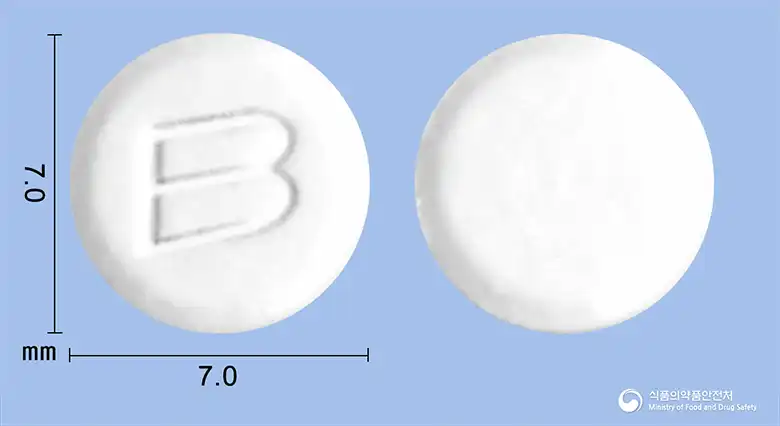
Dienogest Micronized 2mg
Tablet · Prescription medication
Bayer Korea Co., Ltd.
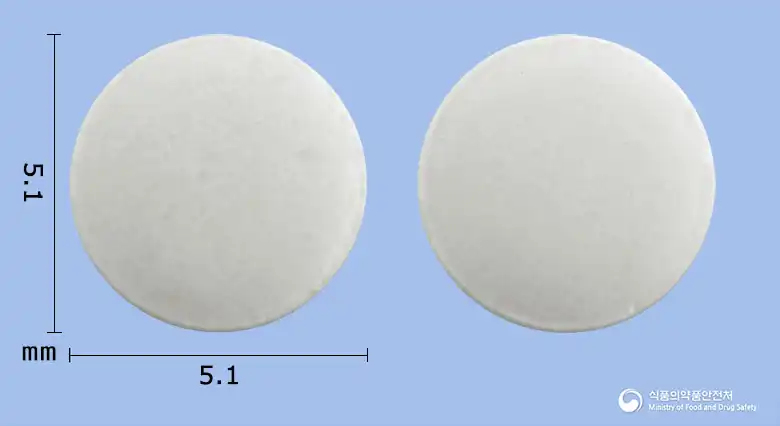
Dienogest Micronized 2mg
Tablet · Prescription medication
Korea Pharma Bio Co., Ltd.
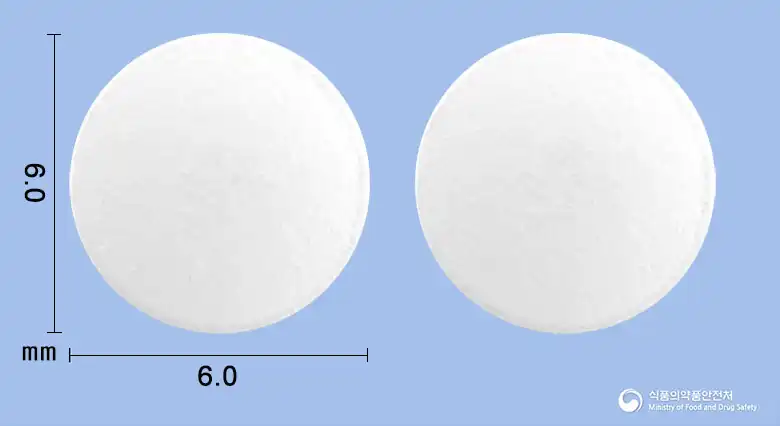
Dienogest Micronized 2mg
Tablet · Prescription medication
Shinpoong Pharmaceutical Co., Ltd.
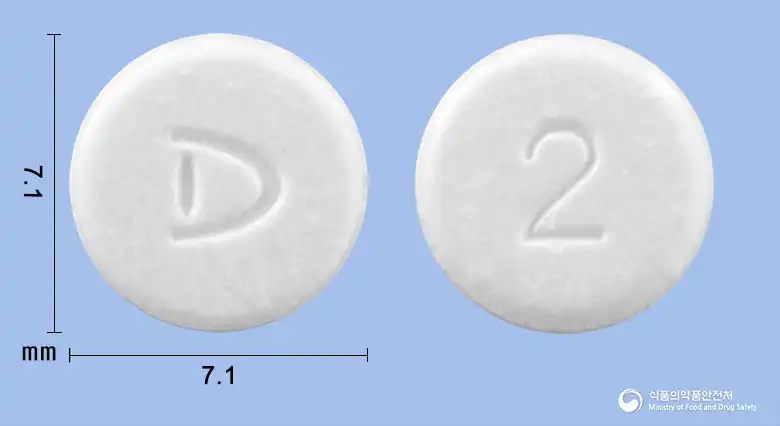
Dienogest Micronized 2mg
Tablet · Prescription medication
Darim Biotech Co., Ltd.
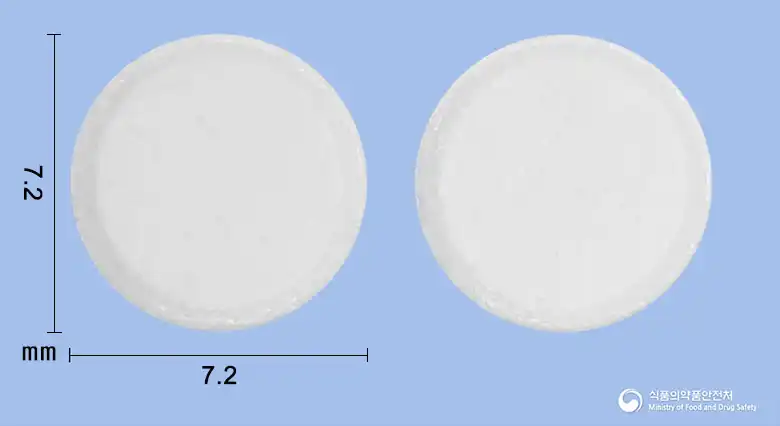
Dienogest Micronized 2mg
Tablet · Prescription medication
Pharmist Co., Ltd.
Even with the same ingredient, the dose and directions can differ by strength and dosage form. Talk to a doctor or pharmacist before switching from a medication you are already taking.
No questions yet.
For anything that needs medical judgment, consult a doctor or pharmacist.
This drug information is based on data provided by the Korea Ministry of Food and Drug Safety.
Consult a doctor or pharmacist for accurate dosage, administration, and usage instructions.