
 한국어
한국어 English
 日本語
日本語 中文(简体)
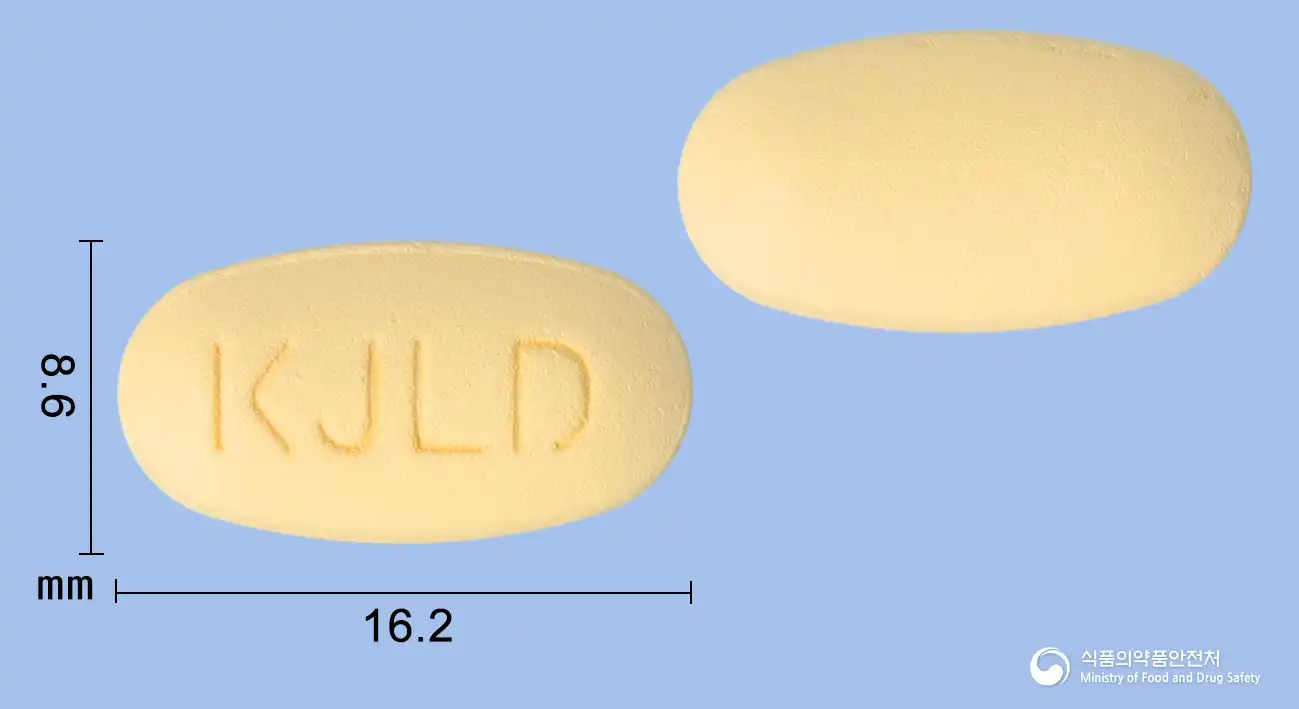
Dosage form image
Viewing nowCombinationLinaglipton Duo Tablet 2.5/500 mg
Linagliptin 2.5mg · Metformin Hydrochloride 500mg
Tablet · Prescription medication · Combination
Jinyang Pharmaceutical Co., Ltd.
MFDS item code 202003653 · Approved 2020.05.19
This product's status changed to Expired on 2025.05.19. It may no longer be sold, so consult a doctor or pharmacist before taking it.
Improvement of blood sugar control in adult type 2 diabetes
This medication is used to help control blood sugar levels in patients with adult type 2 diabetes. It can be administered when controlling blood sugar is difficult despite dietary and exercise therapy. It is effective even when administered alone to patients with no prior experience of diabetes medication therapy. Additionally, this medication can be used in combination with linagliptin and metformin or when insulin and metformin are not adequately controlling blood sugar. When blood sugar control is difficult with combination therapy of metformin and empagliflozin, this medication can be administered alongside empagliflozin to enhance effectiveness. It is used to improve blood sugar control in various treatment situations.
The dosage of this medication is determined based on the patient's treatment regimen, efficacy, and tolerability, without exceeding the maximum recommended doses of 2.5 mg of linagliptin and 1000 mg of metformin, up to 2 times a day. This medication is administered twice a day with meals. 1. If there is no prior experience of metformin treatment: An initial dose of 2.5/500 mg is taken twice a day, 1 tablet per dose, increasing up to 2.5/1000 mg as needed, taken twice a day, 1 tablet per dose.
This medication may cause a serious side effect called lactic acidosis, so it should not be used in patients with impaired kidney function or liver function issues. It should also be avoided in patients with type 1 diabetes or patients with acute diseases such as acute myocardial infarction and severe infections. It should not be used in individuals allergic to any of the components included in this medication. There is a risk of hypoglycemia; therefore, caution is required when using this medication in conjunction with other blood sugar-lowering agents like insulin or sulfonylureas, and dosage adjustments might be necessary. During treatment, kidney function should be tested regularly, and immediate consultation with a doctor is necessary if kidney function declines. If an iodine contrast agent used in radiological examinations is administered, the use of this medication should be suspended before and after the examination, and kidney function should be verified. Women who are pregnant or breastfeeding are advised not to use this medication, and those planning to become pregnant should consult their doctor. Safety and efficacy have not been established in children and adolescents, so it is not recommended. Elderly patients should have their dosage adjusted and kidney function checked frequently due to the possibility of declining kidney function. If symptoms such as sudden abdominal pain, muscle weakness, or difficulty breathing occur during treatment, patients should immediately report to their doctor and seek treatment. This medication can be taken regardless of meals, but to minimize gastrointestinal discomfort, it may be beneficial to take it during or after meals. Overdosing on this medication increases the risk of lactic acidosis, so the prescribed dosage must be strictly adhered to. Alcohol consumption should be avoided while taking this medication, and any new medications started or stopped before or after this medication should be discussed with a healthcare professional.
Urticaria, angioedema, lactic acidosis, pancreatitis, blistering dermatitis, severe swelling (edema), chest tightness, difficulty in breathing, severe rash with fever, blistering, skin peeling, mucosal pain in the mouth/eyes, dyspnea or difficulty breathing, asthma attacks, respiratory abnormalities accompanied by cough and fever, jaundice (yellowing of skin or eyes), extreme fatigue, sudden and severe headaches, lightning headaches, seizures, unconsciousness.
Not everyone experiences these, and they can vary from person to person.
This medication is sensitive to air and moisture, so it should be stored in a tightly closed container. Additionally, it is important to store it at room temperature between 1 degree and 30 degrees Celsius to maintain its effectiveness.
Bright yellow oval film-coated tablet
60 tablets/box [(10 tablets/PTPX6)]
Even with the same ingredient, strength, dosage form and how it is taken can differ.
Linagliptin 2.5mg · Metformin Hydrochloride 500mg
Tablet · Prescription medication · Combination
Jinyang Pharmaceutical Co., Ltd.
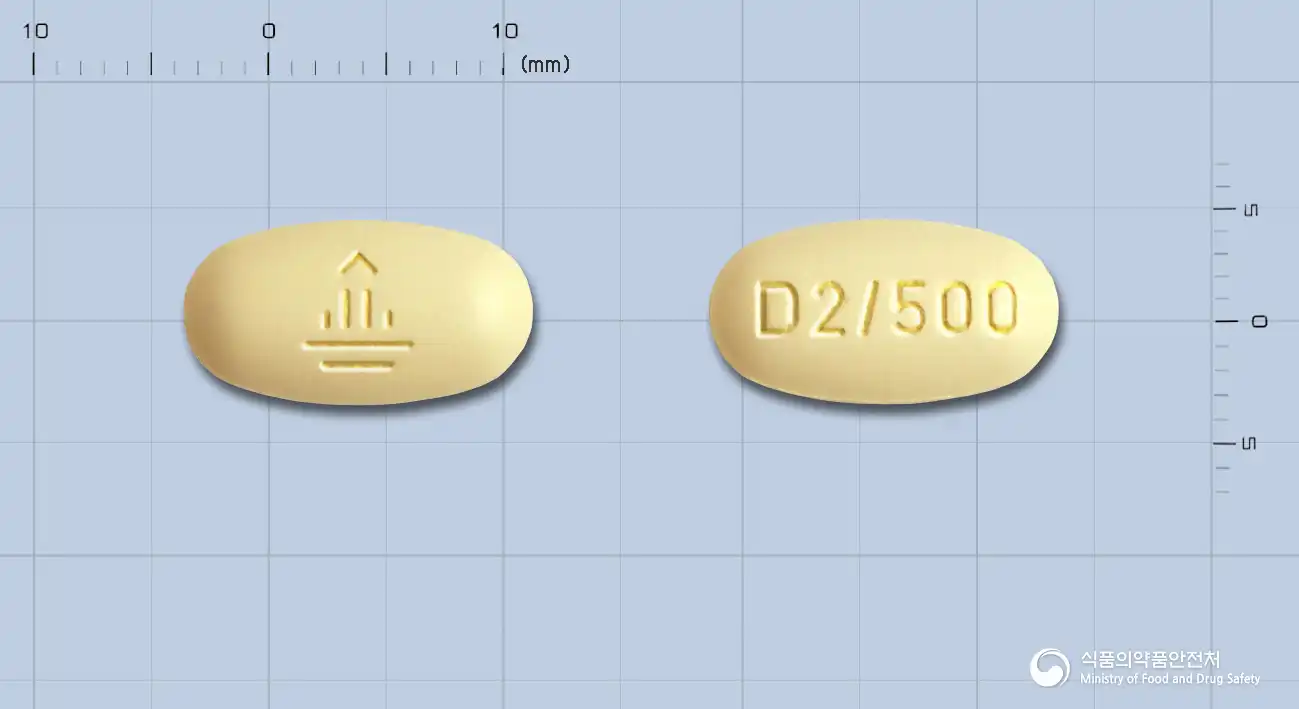 Combination
Linagliptin 2.5mg · Metformin Hydrochloride 500mg
Tablet · Prescription medication · Combination
Boehringer Ingelheim Korea Co., Ltd.
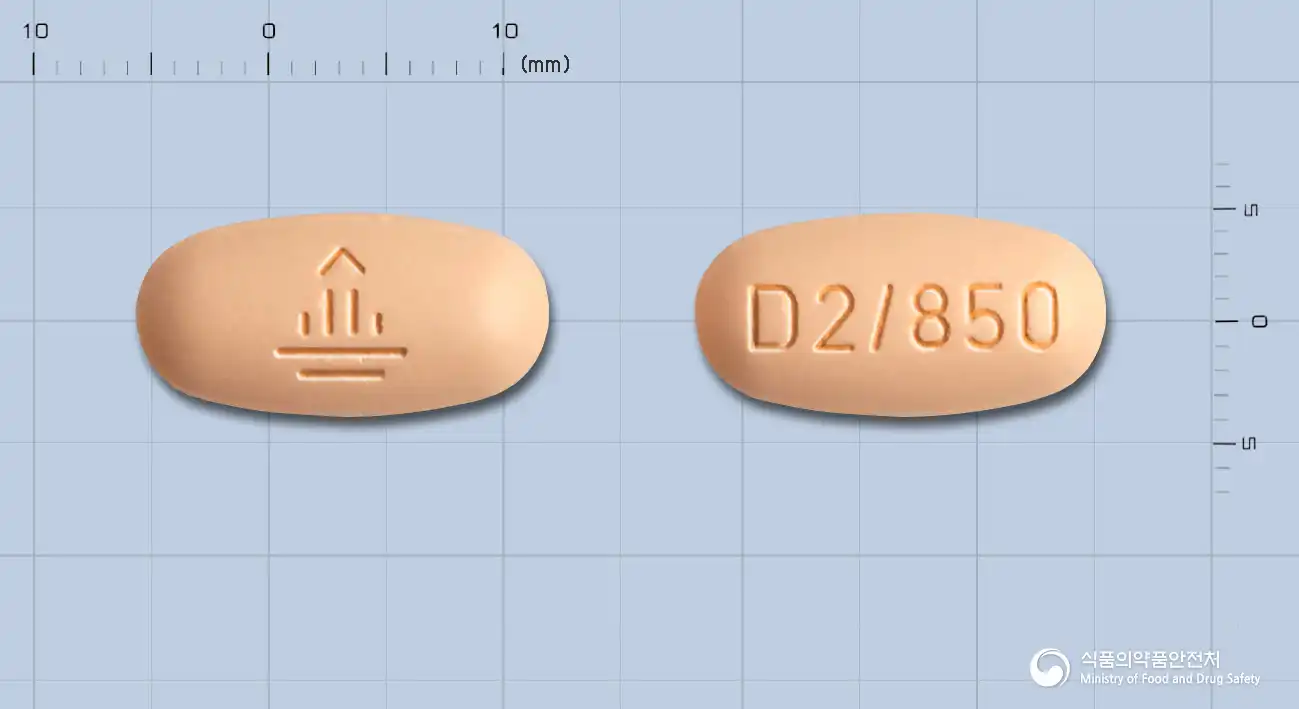 Combination
Linagliptin 2.5mg · Metformin Hydrochloride 850mg
Tablet · Prescription medication · Combination
Boehringer Ingelheim Korea Co., Ltd.
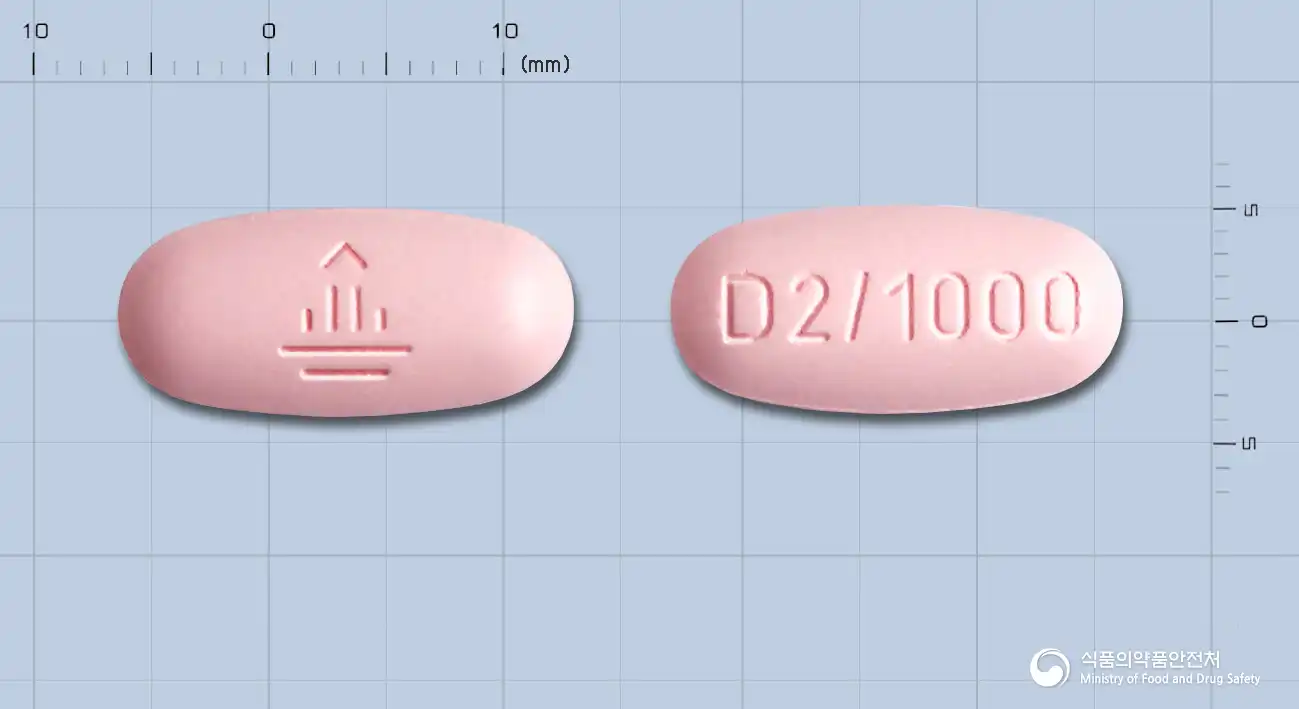 Combination
Linagliptin 2.5mg · Metformin Hydrochloride 1000mg
Tablet · Prescription medication · Combination
Boehringer Ingelheim Korea Co., Ltd.
Linagliptin 2.5mg · Metformin Hydrochloride 1000mg
Tablet · Prescription medication · Combination
Anguk Pharm Co., Ltd.
Linagliptin 2.5mg · Metformin Hydrochloride 1000mg
Prescription medication · Combination
Hanmi Pharmaceutical Co., Ltd.
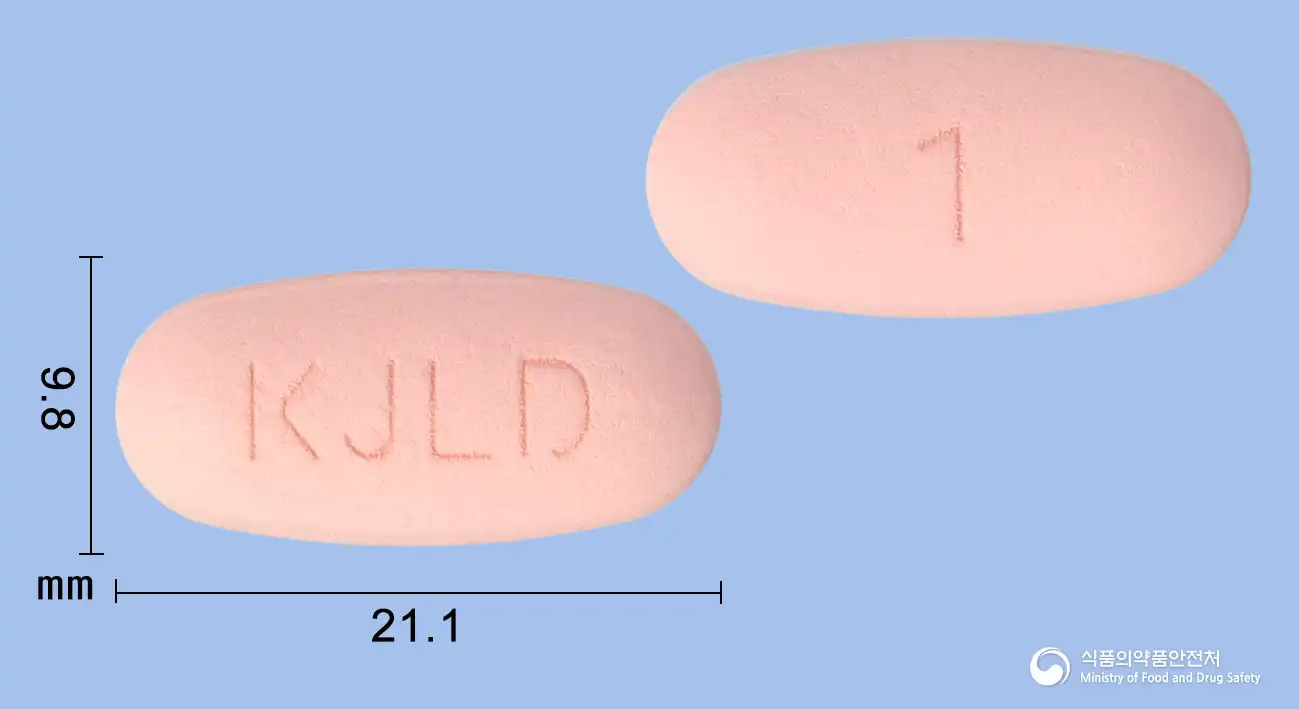 Combination
Linagliptin 2.5mg · Metformin Hydrochloride 1000mg
Tablet · Prescription medication · Combination
Kukje Pharmaceutical Co., Ltd.
 Combination
Linagliptin 2.5mg · Metformin Hydrochloride 500mg
Tablet · Prescription medication · Combination
International Pharmaceutical Co., Ltd.
Even with the same ingredient, the dose and directions can differ by strength and dosage form. Talk to a doctor or pharmacist before switching from a medication you are already taking.
No questions yet.
For anything that needs medical judgment, consult a doctor or pharmacist.
This drug information is based on data provided by the Korea Ministry of Food and Drug Safety.
Consult a doctor or pharmacist for accurate dosage, administration, and usage instructions.