
 한국어
한국어 English
 日本語
日本語 中文(简体)
Dosage form image
Viewing nowCombinationIlyang Zenta Duo Tablet 2.5/850 mg
Linagliptin 2.5mg · Metformin Hydrochloride 850mg
Tablet · Prescription medication · Combination
Ilyang Pharmaceutical Co., Ltd.
MFDS item code 202003644 · Approved 2020.05.19
This product's status changed to Expired on 2025.05.19. It may no longer be sold, so consult a doctor or pharmacist before taking it.
Improvement in blood glucose control in type 2 diabetes
This medication is developed to assist patients with type 2 diabetes in controlling blood glucose levels by combining linagliptin and metformin. Taking this medication alongside dietary management and exercise can help manage blood glucose more effectively. Therefore, it is used as an important adjunct in diabetes treatment.
This medication is administered twice a day with meals. 1. For patients currently not being treated with metformin: Take one tablet of this medication 2.5/500 mg twice daily, and it can be increased to one tablet of 2.5/1000 mg twice daily. 2. If sufficient blood glucose control cannot be achieved with metformin alone: Take 2.5 mg of linagliptin twice daily and continue the existing metformin dosing.
This medication may cause a serious side effect known as lactic acidosis, so it should not be used in patients with severely impaired kidney function, hepatic dysfunction, acute infections, or heart disease. Patients who are allergic to any of the active ingredients, those with type 1 diabetes, and pregnant or nursing women should also refrain from taking this medication. Due to the risk of hypoglycemia, blood glucose should be carefully monitored when used in conjunction with insulin or sulfonylureas. To reduce the risk of lactic acidosis, this medication should be temporarily discontinued in cases of dehydration, severe vomiting, or diarrhea, and symptoms should be reported to a physician immediately. In cases of diminished kidney function, kidney function should be regularly monitored through blood tests, and the medication should be discontinued if there is concern about acute kidney failure. This medication should be discontinued before and after surgeries or when undergoing radiographic iodine contrast examinations, and resuming the medication should occur only after renal function has returned to normal. Long-term use of this medication may reduce vitamin B12 levels; therefore, if anemia or neurological symptoms occur, vitamin B12 testing should be conducted. If symptoms of acute pancreatitis or blistering dermatosis appear, discontinue the medication and consult a physician. In the elderly, decreased kidney function is common, so dose adjustments and regular monitoring of renal function should be performed. Pregnant women or those planning to become pregnant should preferably avoid this medication, and breastfeeding women should also avoid use. This medication may interact with other drugs; thus, it is crucial to inform the healthcare provider or pharmacist of any other medications being taken. In the event of an overdose, the risk of lactic acidosis is present, and immediate hospital treatment is necessary, which may include hemodialysis. Store out of reach of children and protect from moisture.
Not everyone experiences these, and they can vary from person to person.
This medication is sensitive to air and moisture and must be stored in a tightly sealed container. Additionally, it should be stored at room temperature between 1 and 30 degrees Celsius to maintain its effectiveness.
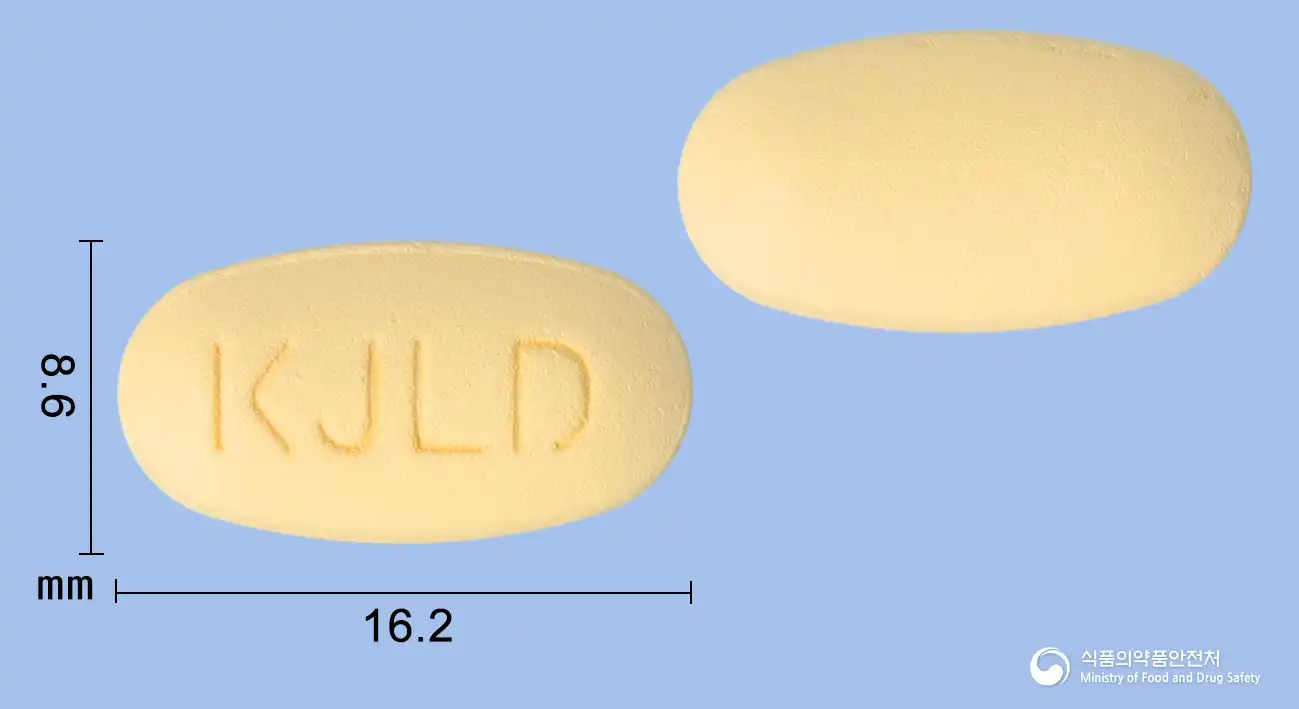
Bright orange, biconvex, oval film-coated tablet
30 tablets/box [6 tablets/PTP x 5]
Even with the same ingredient, strength, dosage form and how it is taken can differ.
Linagliptin 2.5mg · Metformin Hydrochloride 850mg
Tablet · Prescription medication · Combination
Ilyang Pharmaceutical Co., Ltd.
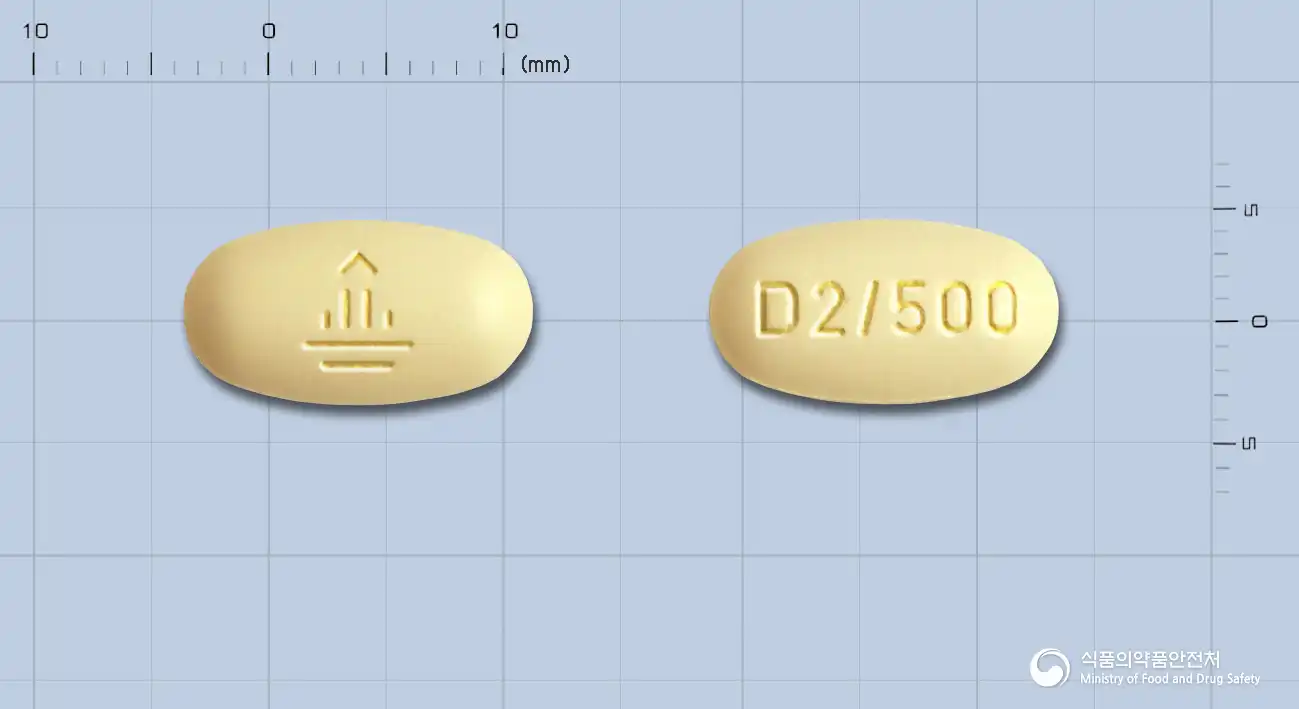 Combination
Linagliptin 2.5mg · Metformin Hydrochloride 500mg
Tablet · Prescription medication · Combination
Boehringer Ingelheim Korea Co., Ltd.
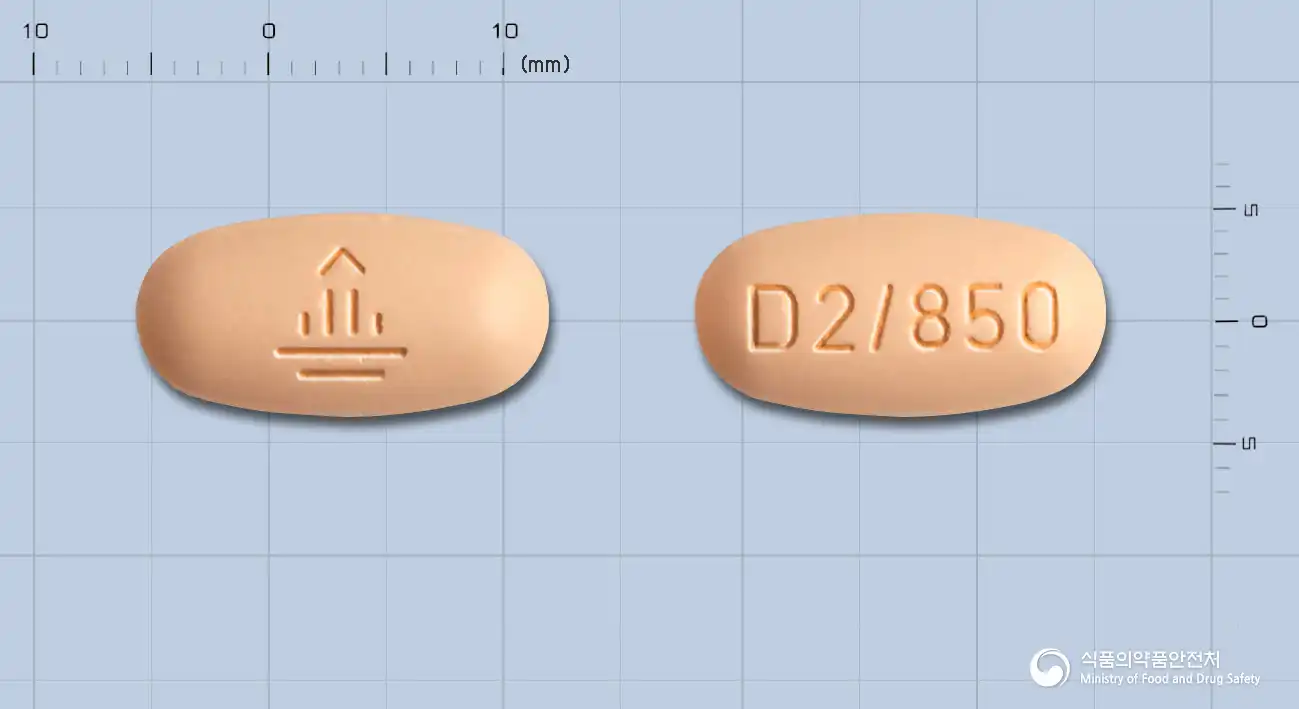 Combination
Linagliptin 2.5mg · Metformin Hydrochloride 850mg
Tablet · Prescription medication · Combination
Boehringer Ingelheim Korea Co., Ltd.
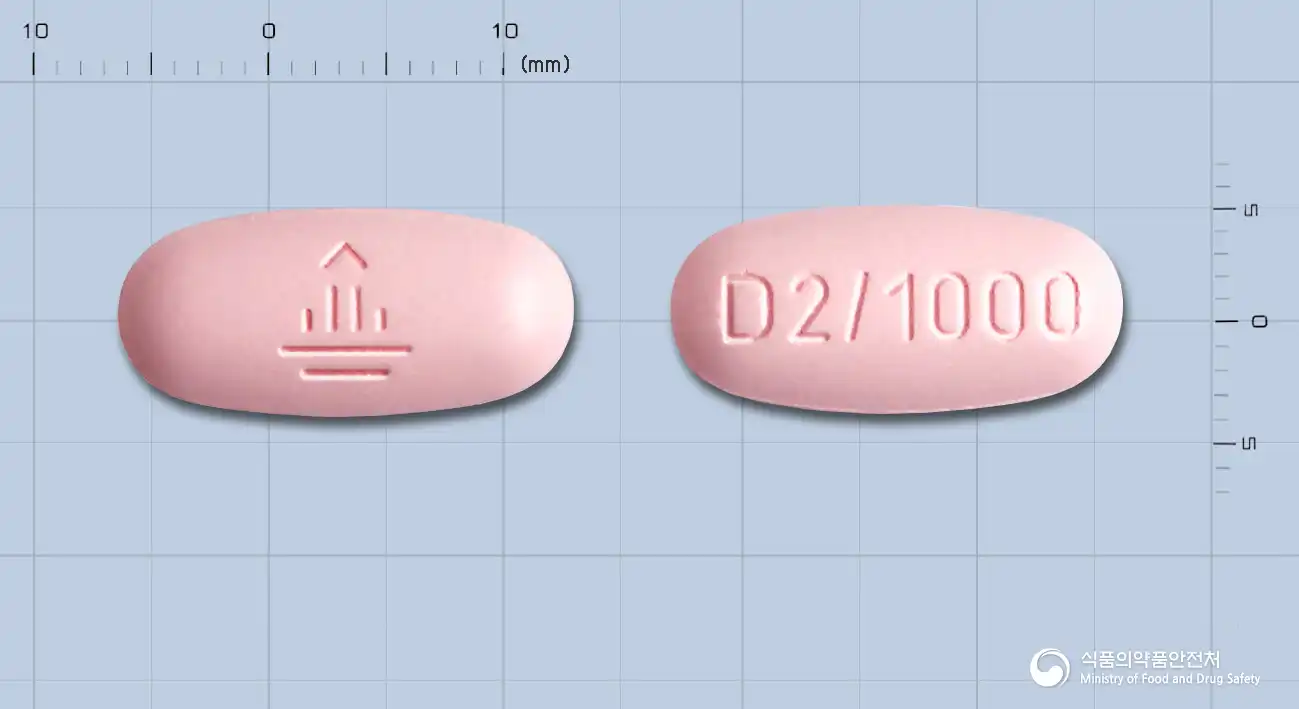 Combination
Linagliptin 2.5mg · Metformin Hydrochloride 1000mg
Tablet · Prescription medication · Combination
Boehringer Ingelheim Korea Co., Ltd.
Linagliptin 2.5mg · Metformin Hydrochloride 1000mg
Tablet · Prescription medication · Combination
Anguk Pharm Co., Ltd.
Linagliptin 2.5mg · Metformin Hydrochloride 1000mg
Prescription medication · Combination
Hanmi Pharmaceutical Co., Ltd.
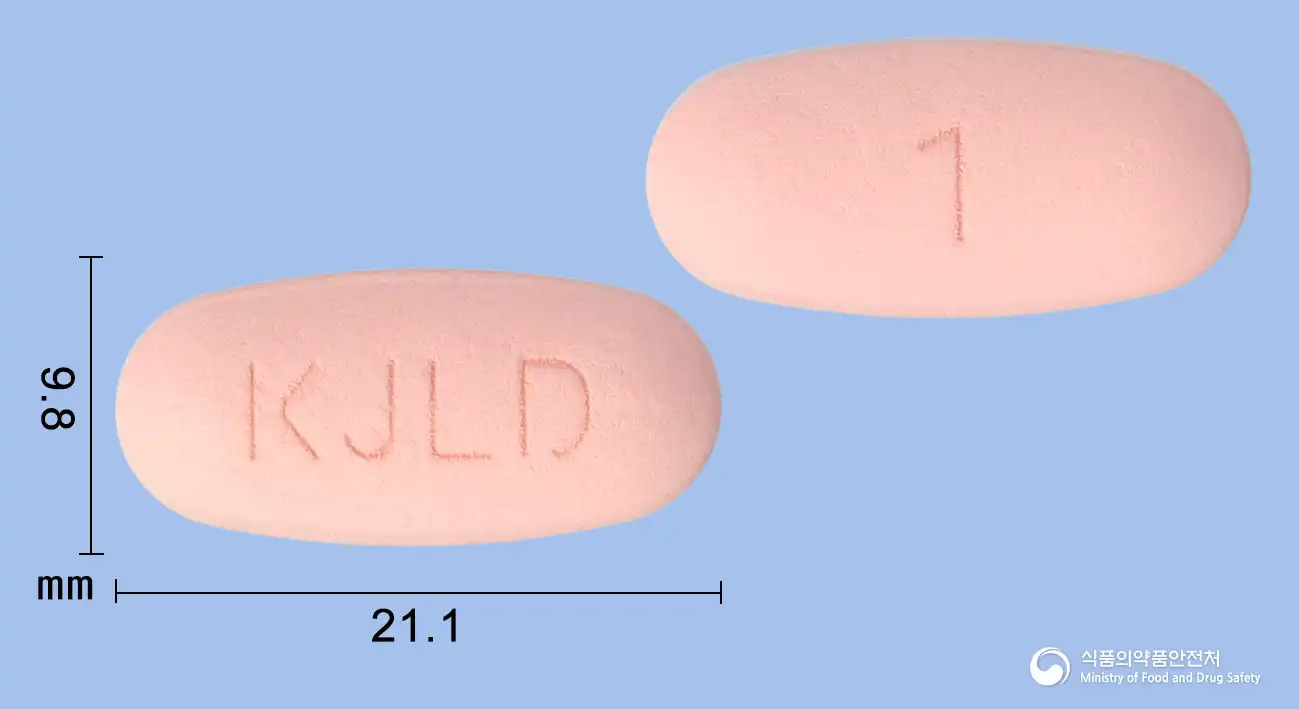 Combination
Linagliptin 2.5mg · Metformin Hydrochloride 1000mg
Tablet · Prescription medication · Combination
Kukje Pharmaceutical Co., Ltd.
 Combination
Linagliptin 2.5mg · Metformin Hydrochloride 500mg
Tablet · Prescription medication · Combination
International Pharmaceutical Co., Ltd.
Even with the same ingredient, the dose and directions can differ by strength and dosage form. Talk to a doctor or pharmacist before switching from a medication you are already taking.
No questions yet.
For anything that needs medical judgment, consult a doctor or pharmacist.
This drug information is based on data provided by the Korea Ministry of Food and Drug Safety.
Consult a doctor or pharmacist for accurate dosage, administration, and usage instructions.