
 한국어
 English
 日本語
 中文(简体)
 Viewing now
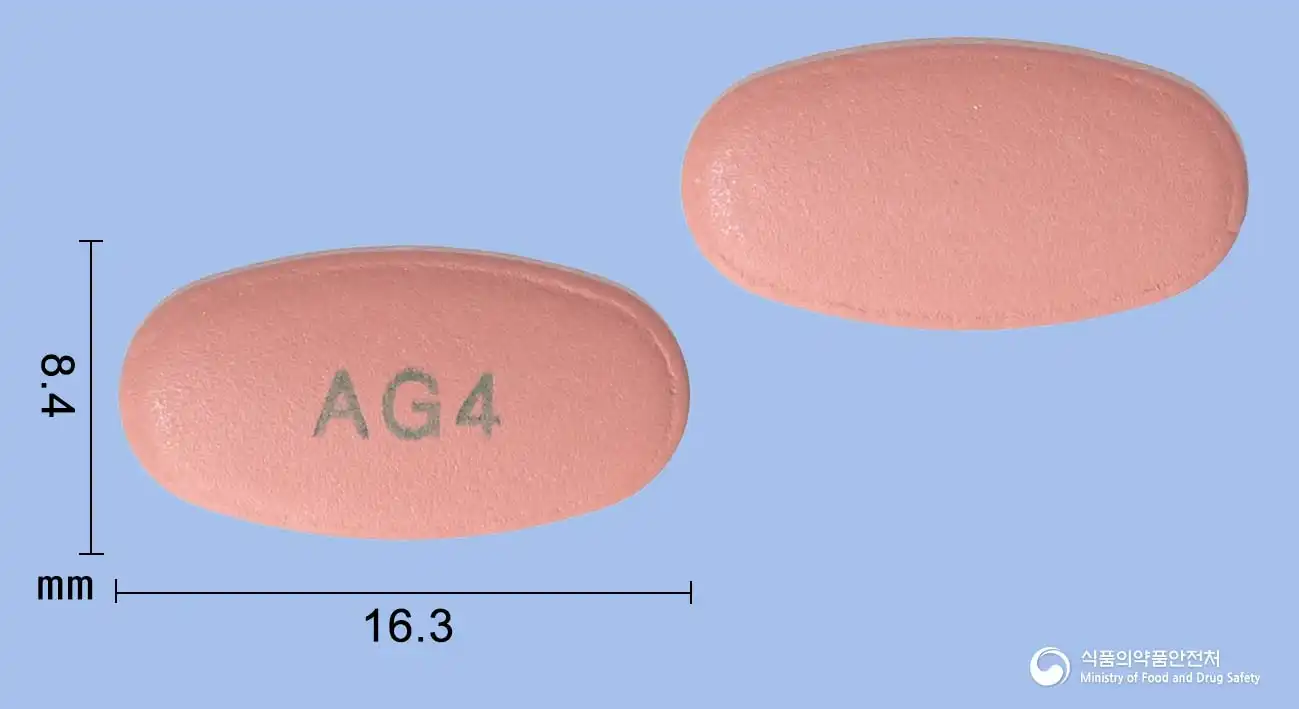
Esopel Tablet 40 mg (Esomeprazole Magnesium Trihydrate)
Esomeprazole Magnesium Trihydrate 44.5mg
Tablet · Prescription medication
Ahn-Guk Pharmaceutical Co., Ltd.
MFDS item code 202003556 · Approved 2020.05.15 · Insurance code 650205540
Treatment of acid-related disorders and prevention of rebleeding; Helicobacter pylori eradication; treatment and prevention of gastrointestinal disorders caused by anti-inflammatory analgesics
This medicine is used for the treatment of gastroesophageal reflux disease, particularly erosive esophagitis, and for long-term maintenance therapy to prevent recurrence in patients with esophagitis. It is also effective in alleviating symptoms of gastroesophageal reflux disease without esophagitis. It is used in combination with antibiotics for the eradication of Helicobacter pylori and helps prevent recurrence in patients with duodenal ulcers and peptic ulcers. It is effective for the treatment and prevention of gastric ulcers associated with the use of non-steroidal anti-inflammatory drugs and is also used in the treatment of Zollinger-Ellison syndrome. It is used as maintenance therapy after preventing rebleeding of gastric or duodenal ulcers via intravenous injection to improve patient conditions.
This medicine should be swallowed with liquid such as water and must not be chewed or crushed. 1. Adults 1) Gastroesophageal reflux disease (GERD). - Treatment of erosive reflux esophagitis: Administer 40 mg once daily for 4 weeks. For patients whose esophagitis has not healed or whose symptoms persist, continue treatment for an additional 4 weeks. - Long-term maintenance therapy to prevent recurrence in patients with esophagitis: 20 mg once daily - Symptomatic treatment of gastroesophageal reflux disease without esophagitis: · 20 mg once daily. If symptoms are not controlled after 4 weeks, further evaluation is required. · Once symptoms have resolved, control subsequent symptoms with 20 mg once daily. · In adults, 20 mg may be taken once daily as needed. As-needed administration is not recommended for controlling recurring symptoms in patients at high risk of gastric and duodenal ulcers due to nonsteroidal anti-inflammatory drug use. 2) Concomitant antibiotic therapy for Helicobacter pylori eradication Administer this medicine 20 mg with amoxicillin 1 g and clarithromycin 500 mg twice daily for 7 days. 3) Short-term treatment of upper gastrointestinal symptoms (pain, discomfort, burning) associated with use of nonsteroidal anti-inflammatory drugs (COX-2 nonselective or selective) - 20 mg once daily. If symptoms are not controlled after 4 weeks, further evaluation is required. Clinical studies longer than 4 weeks have not been conducted. 4) Patients requiring continuous nonsteroidal anti-inflammatory drug therapy - Treatment of gastric ulcers associated with nonsteroidal anti-inflammatory drug use: 20 mg once daily. The treatment duration is 4∼8 weeks. - Prevention of gastric and duodenal ulcers associated with nonsteroidal anti-inflammatory drug use: 20 mg once daily. 5) Treatment of Zollinger-Ellison syndrome The recommended initial dose is 40 mg twice daily. The dose should then be adjusted for each patient, and treatment should continue while clinical symptoms are present. Clinical data indicate that most patients can be controlled with doses of 80 ∼ 160 mg per day. Doses above 80 mg per day should be divided into 2 doses. 6) Maintenance therapy following intravenous induction to prevent rebleeding due to gastric or duodenal ulcers Administer 40 mg once daily for 4 weeks following intravenous induction to prevent rebleeding due to gastric or duodenal ulcers. 4. Renal impairment No dose adjustment is necessary. Use with caution because there is limited experience in patients with severe renal impairment. 5. Hepatic impairment No dose adjustment is necessary in patients with mild to moderate hepatic impairment. In patients with severe hepatic impairment, the dose of this medicine should not exceed 20 mg. 6. Elderly patients No dose adjustment is necessary.
Adolescents 12 years of age and older — Treatment of erosive reflux esophagitis: Administer 40 mg once daily for 4 weeks. For patients whose esophagitis has not healed or whose symptoms persist, continue treatment for an additional 4 weeks. Adolescents 12 years of age and older — Symptomatic treatment of gastroesophageal reflux disease without esophagitis: 20 mg once daily. If symptoms are not controlled after 4 weeks, further evaluation is required. Adolescents 12 years of age and older — Once symptoms have resolved, control subsequent symptoms with 20 mg once daily. Adolescents 12 years of age and older — In adults, 20 mg may be taken once daily as needed. As-needed administration is not recommended for controlling recurring symptoms in patients at high risk of gastric and duodenal ulcers due to nonsteroidal anti-inflammatory drug use. Children under 12 years of age — There is no experience with the administration of this medicine to children under 12 years of age.
This drug should not be used in certain patients. For example, individuals who have allergies to this drug or its components, or have experienced such reactions in the past, should not take it. Additionally, this drug should not be used in those who have allergies to certain antibiotics used in combination for the eradication of Helicobacter pylori. Patients with specific heart conditions or breastfeeding women should also avoid this medication. Various side effects can occur, with common symptoms including headache, abdominal pain, diarrhea, and nausea. Rarely, blood disorders, allergic reactions, and liver dysfunction have been reported. Long-term use requires regular check-ups, including blood tests, and patients should immediately consult a doctor if symptoms worsen or new symptoms appear. This drug may interact with other medications, so it is essential to inform healthcare professionals of any medications currently being taken. Caution is particularly needed when taken with certain antiviral drugs, antibiotics, or anticoagulants, as dosage adjustments or monitoring may be required. Safety during pregnancy has not been fully established, and pregnant women should use it cautiously under a doctor's guidance. Breastfeeding mothers should avoid taking this medication due to the possibility of it being passed to breast milk. In cases of overdose, there is no specific antidote, so it is crucial to visit a medical facility immediately for appropriate treatment. Finally, this medication should be kept out of the reach of children and should not be transferred to another container.
Leukopenia, thrombocytopenia, agranulocytosis, pancytopenia, fever, angioedema, anaphylactic reaction, shock, peripheral edema, hyponatremia, hypomagnesemia, insomnia, anxiety, confusion, depression, aggression, hallucinations, headache, dizziness, paresthesia, drowsiness, dysgeusia, blurred vision, bronchospasm, pancreatitis, abdominal pain, constipation, diarrhea, abdominal bloating, nausea, vomiting, dry mouth, stomatitis, gastrointestinal candidiasis, microscopic colitis, elevated liver enzymes, hepatitis, liver failure, encephalopathy, dermatitis, itching, rash, urticaria, hair loss, photosensitivity, erythema multiforme, Stevens-Johnson syndrome, toxic epidermal necrolysis, acute generalized exanthematous pustulosis, drug reactions with eosinophilia and systemic symptoms, fracture, arthralgia, myalgia, muscle weakness, interstitial nephritis, gynecomastia, asthenia, increased sweating, Clostridium difficile-associated diarrhea, abdominal distension, allergic reaction, back pain, chest pain, sternal pain, facial edema, facial flushing, fatigue, fever, influenza-like illness, generalized edema, leg edema, malaise, pain, stiffness, peripheral edema, flushing, hypertension, tachycardia, thyroid enlargement, irritable bowel syndrome, exacerbation of constipation, dyspepsia, dysphagia, gastrointestinal malformation, epigastric pain, belching, esophageal disorders, frequent bowel movements, gastroenteritis, gastrointestinal bleeding, hiccups, melena, oral disorders, pharyngeal disorders, rectal disorders, gastrointestinal symptoms, elevated blood gastrin levels, lingual disorders, tongue edema, ulcerative stomatitis, vomiting, otitis, tinnitus, anemia, hypopigmented anemia, cervical lymphadenopathy, epistaxis, leukocytosis, leukopenia, thrombocytopenia, hyperbilirubinemia, liver dysfunction, increased ALT, increased AST, diabetes, hyperuricemia, increased ALP, polydipsia, vitamin B12 deficiency, weight gain, weight loss, exacerbation of arthritis, arthropathy, seizures, fibromyalgia syndrome, hernia, polymyositis, arthralgia, loss of appetite, apathy, increased appetite, confusion, exacerbation of depression, hypertonia, anxiety, sensory impairment, erectile dysfunction, insomnia, migraine, exacerbation of migraine, sleep disorders, tremor, dizziness, visual field defects, paresthesia, drowsiness, dysmenorrhea, menstrual disorders, vaginitis, exacerbation of asthma, cough, dyspnea, laryngeal edema, pharyngitis, rhinitis, sinusitis, acne, anal itching, rash, erythematous rash, papular rash, angioedema, dermatitis, itching, urticaria, increased sweating, otitis media, olfactory disturbance, taste loss, taste distortion, urinary abnormalities, albuminuria, cystitis, dysuria, fungal infection, hematuria, frequency of urination, candidiasis, genital candidiasis, polyuria, conjunctivitis, visual disturbances, duodenitis, esophagitis, esophageal stricture, esophageal ulcer, esophageal varices, gastric ulcer, gastritis, benign polyps or nodules, Barrett's esophagus, mucosal discoloration, hernia, systemic lupus erythematosus, cutaneous lupus erythematosus, hypocalcemia, hypokalemia, rhabdomyolysis
Not everyone experiences these, and they can vary from person to person.
This medication should be stored in a tightly sealed container to protect it from air and moisture. The storage temperature should be maintained between 1 degree and 30 degrees Celsius to ensure prolonged effectiveness and safety.
Pink square film-coated tablet
28 tablets/box [(7 tablets/Alu-Alu x 4)]
Even with the same ingredient, strength, dosage form and how it is taken can differ.
Viewing nowEsomeprazole Magnesium Trihydrate 44.5mg
Tablet · Prescription medication
Ahn-Guk Pharmaceutical Co., Ltd.
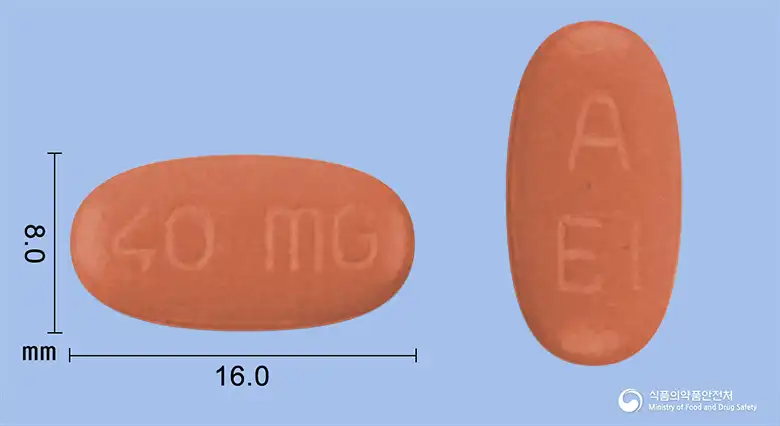
Esomeprazole Magnesium Trihydrate 44.5mg
Tablet · Prescription medication
AstraZeneca Korea Co., Ltd.
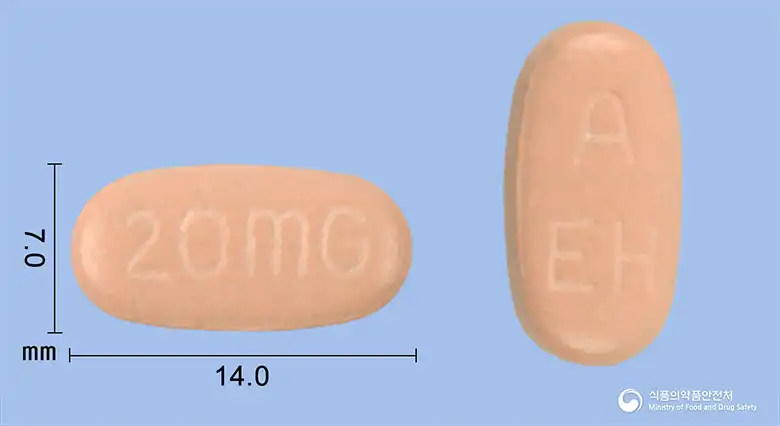
Esomeprazole Magnesium Trihydrate 22.3mg
Tablet · Prescription medication
AstraZeneca Korea Co., Ltd.
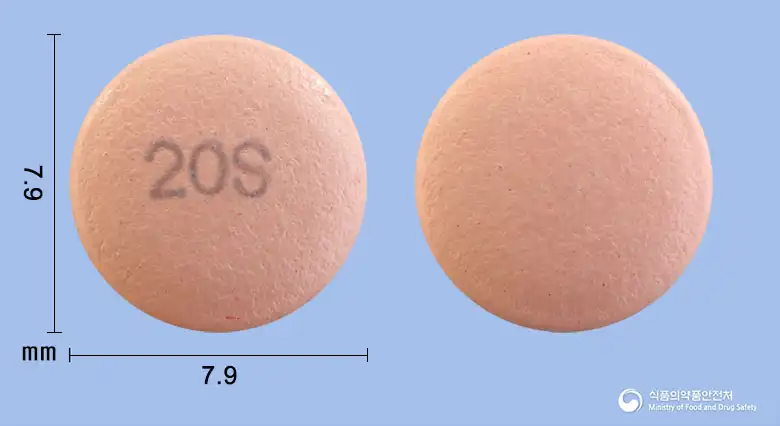
Esomeprazole Magnesium Trihydrate 22.3mg
Tablet · Prescription medication
Daewon Pharmaceutical Co., Ltd.
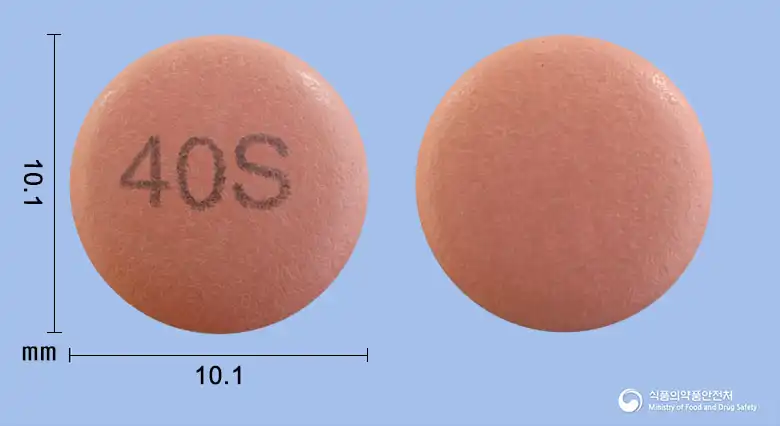
Esomeprazole Magnesium Trihydrate 44.5mg
Tablet · Prescription medication
Daewon Pharmaceutical Co., Ltd.
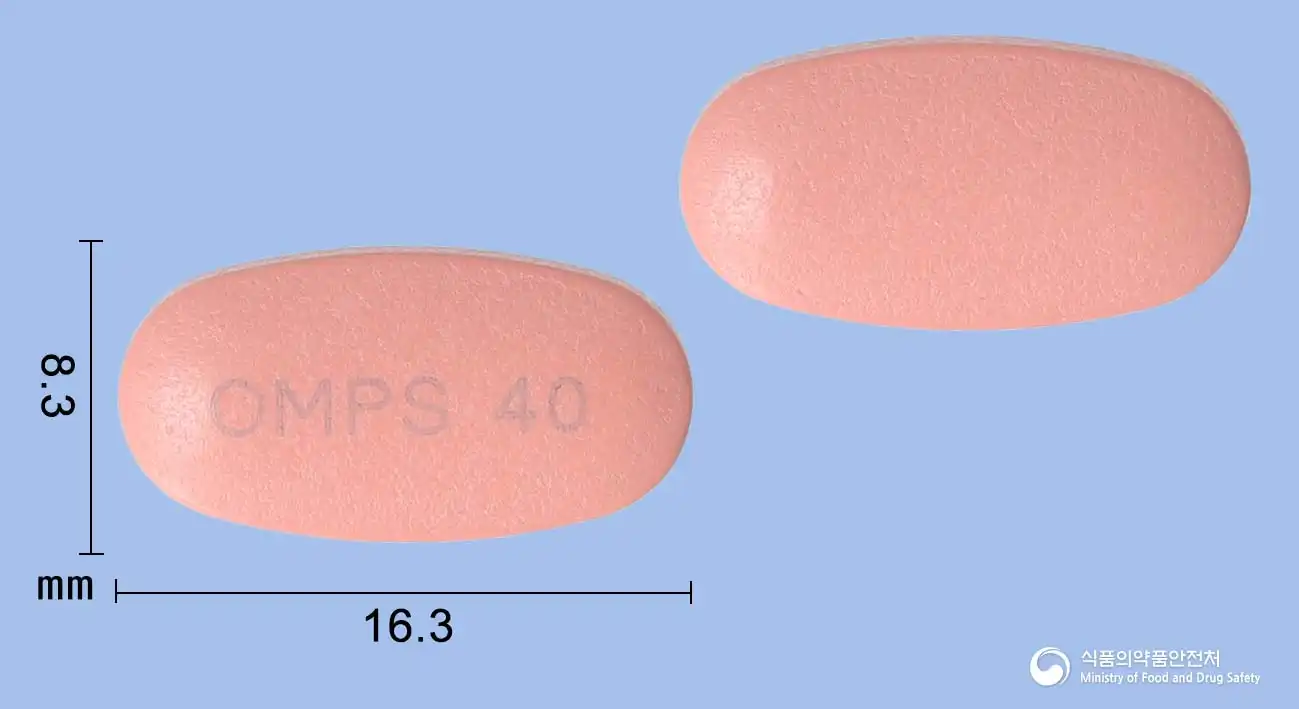
Esomeprazole Magnesium Dihydrate 43.38mg
Tablet · Prescription medication
Jongkundang Co., Ltd.
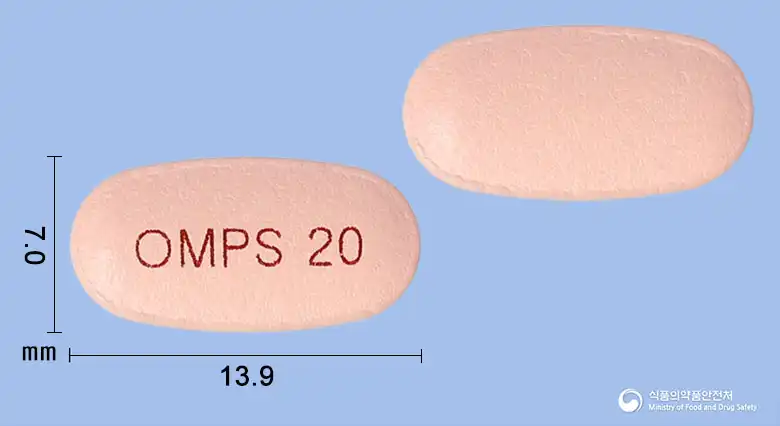
Esomeprazole Magnesium Dihydrate 21.69mg
Tablet · Prescription medication
Chong Kun Dang Pharmaceutical Corp.
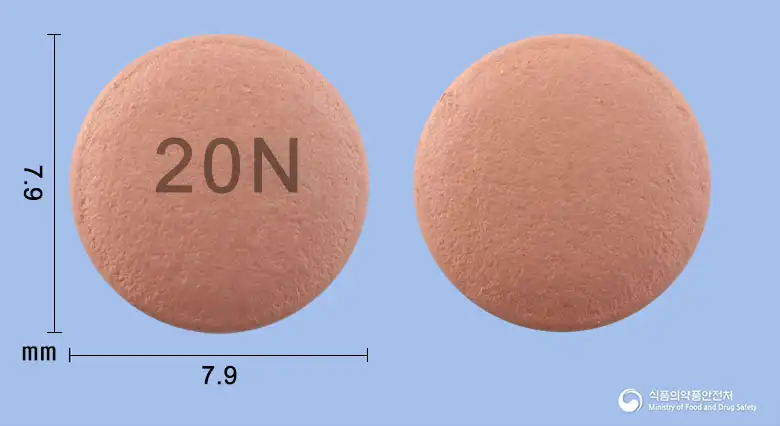
Esomeprazole Magnesium Trihydrate 22.3mg
Tablet · Prescription medication
Samjin Pharmaceutical Co., Ltd.
Even with the same ingredient, the dose and directions can differ by strength and dosage form. Talk to a doctor or pharmacist before switching from a medication you are already taking.
No questions yet.
For anything that needs medical judgment, consult a doctor or pharmacist.
This drug information is based on data provided by the Korea Ministry of Food and Drug Safety.
Consult a doctor or pharmacist for accurate dosage, administration, and usage instructions.