
 한국어
한국어 English
 日本語
日本語 中文(简体)
 Viewing nowCombination
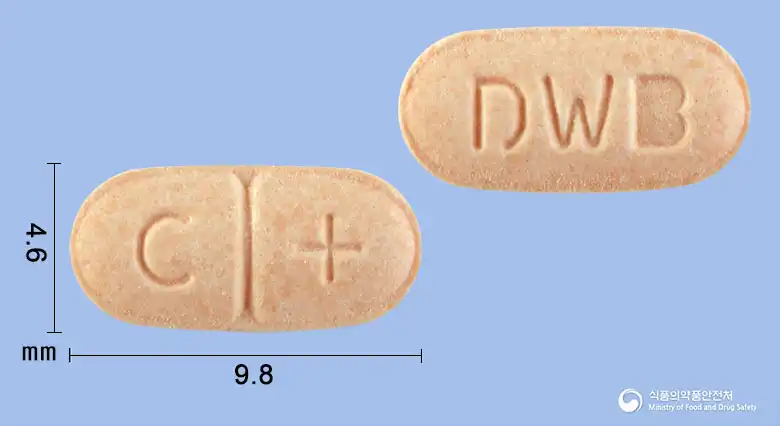
Candesartan Plus 16/12.5 mg Tablet
Candesartan Cilexetil 16mg · Hydrochlorothiazide 12.5mg
Tablet · Prescription medication · Combination
Daewoong Bio Co., Ltd.
MFDS item code 202003552 · Approved 2020.05.15 · Insurance code 694003030
Improvement of essential hypertension
This medication is used for patients with essential hypertension, who may not achieve sufficient effect with single component alone, to effectively control blood pressure and help reduce the risk of cardiovascular complications.
The recommended dosage for this medication is 1 tablet once daily, taken regardless of meals. Adult patients may switch directly to this medication from a regulated dose of Candesartan Cilexetil in monotherapy. Antihypertensive effects typically occur within 4 weeks of starting treatment. Elderly patients do not require special dosage adjustment. For patients with intravascular volume depletion, renal impairment, or liver impairment, adjustment of Candesartan Cilexetil dosage is recommended prior to using this product.
This medication can cause serious harm to the fetus or newborn when taken during pregnancy, especially in the second and third trimesters; therefore, it should be discontinued immediately upon confirmation of pregnancy. Patients allergic to this medication’s ingredients or sulfonamide drugs, those with acute or severe renal disease, severe liver disease, history of certain angioedema, or gout should not take this medication. Patients with depleted blood volume or sodium deficiency, liver disease, severe cardiac valve disease, or hyperkalemia should use this medication with caution, and it is advisable to abstain from use until symptoms improve. This medication may lower blood pressure, leading to side effects such as dizziness, headaches, and fatigue; rare adverse reactions including blood or liver function abnormalities, skin rashes, and myalgia have been reported. This medication may affect kidney function, so patients with kidney disease should undergo regular blood tests and electrolyte checks and be cautious of interactions when with other antihypertensives or diuretics. This medication can be excreted in breast milk, so breastfeeding women should decide on use after consultation with a physician. Elderly patients should be cautious with this medication as too low blood pressure may strain the heart or kidneys. In case of overdose, symptoms such as hypotension, dizziness, and dehydration may occur, necessitating immediate medical assistance. During medication, protect against skin damage from sunlight by taking precautions against ultraviolet exposure, and inform medical staff immediately if skin changes occur. Additionally, caution is necessary when driving or operating machinery as dizziness or lethargy may be experienced.
Not everyone experiences these, and they can vary from person to person.
This medication should be stored in a tightly closed container to prevent air and moisture exposure, preferably at a cool temperature below 30 degrees Celsius. Storing it this way will maintain the drug's efficacy and prevent degradation.
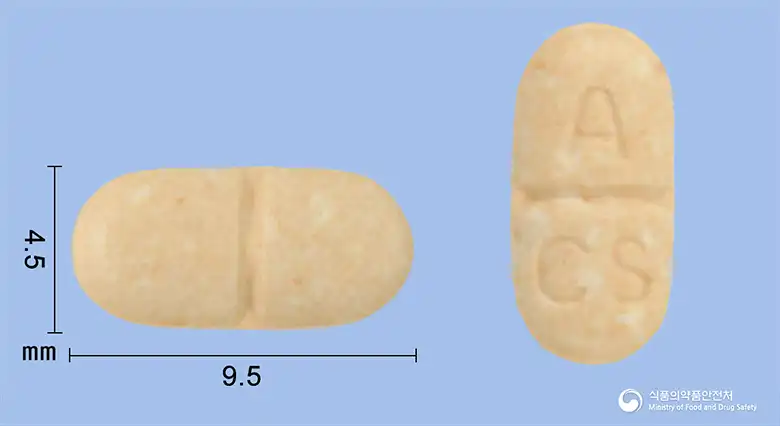
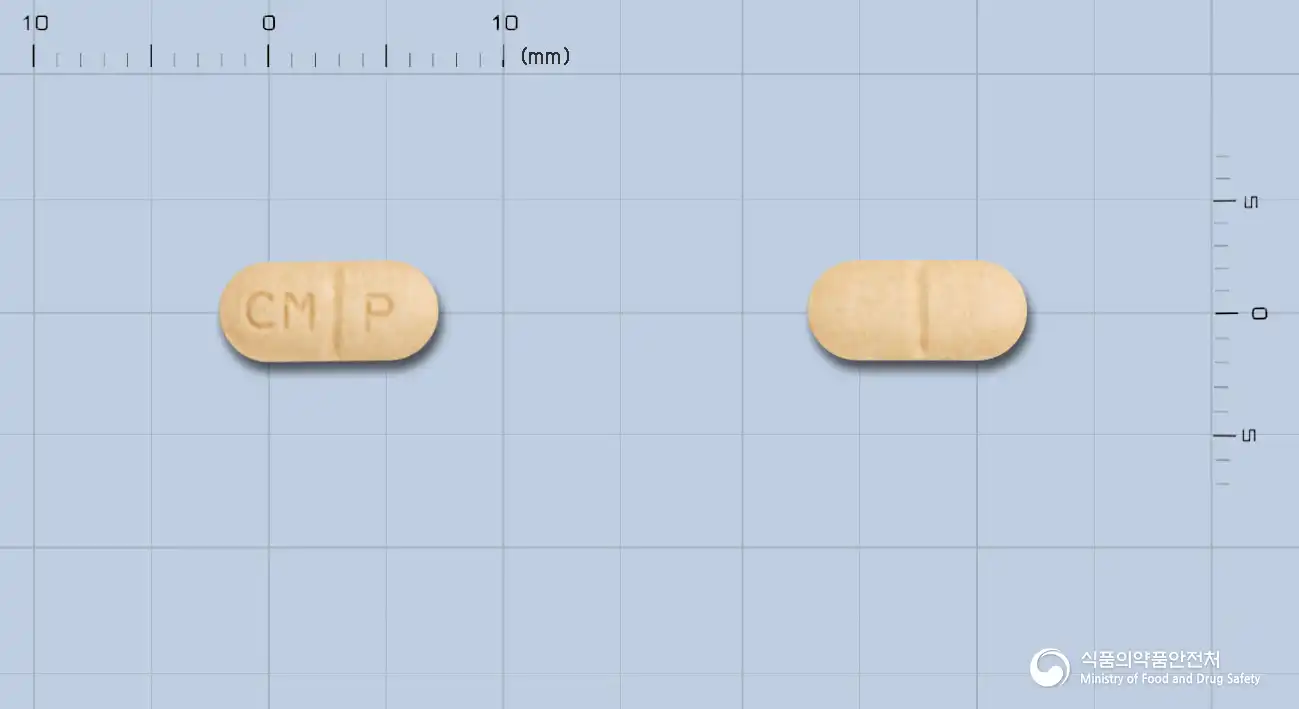
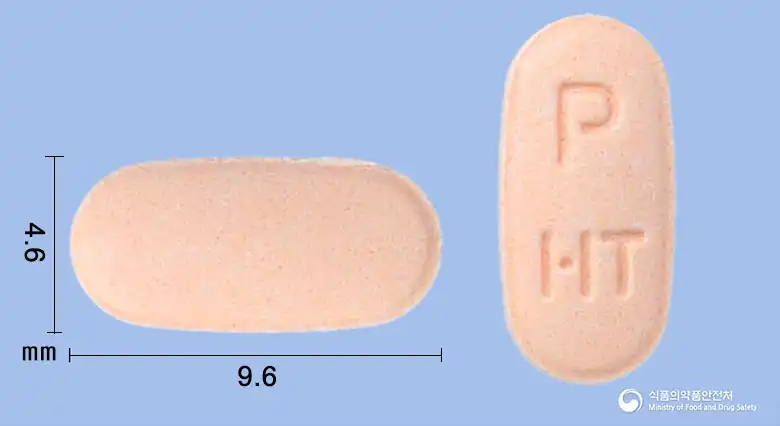
Light orange oval tablet with a score line on one side.
30 tablets/bottle, 100 tablets/bottle
Even with the same ingredient, strength, dosage form and how it is taken can differ.
Viewing nowCombinationCandesartan Cilexetil 16mg · Hydrochlorothiazide 12.5mg
Tablet · Prescription medication · Combination
Daewoong Bio Co., Ltd.
 Combination
Candesartan Cilexetil 16mg · Hydrochlorothiazide 12.5mg
Tablet · Prescription medication · Combination
DKSH Korea Co., Ltd.
 Combination
Candesartan Cilexetil 16mg · Hydrochlorothiazide 12.5mg
Tablet · Prescription medication · Combination
Jongkun Dang Co., Ltd.
 Combination
Candesartan Cilexetil 16mg · Hydrochlorothiazide 12.5mg
Tablet · Prescription medication · Combination
Hankook Hutex Pharmaceutical Co., Ltd.
Candesartan Cilexetil 16mg · Hydrochlorothiazide 12.5mg
Tablet · Prescription medication · Combination
Hanwha Pharmaceutical Co., Ltd.
 Combination
Candesartan Cilexetil 16mg · Hydrochlorothiazide 12.5mg
Tablet · Prescription medication · Combination
MyungMoon Pharmaceutical Co., Ltd.
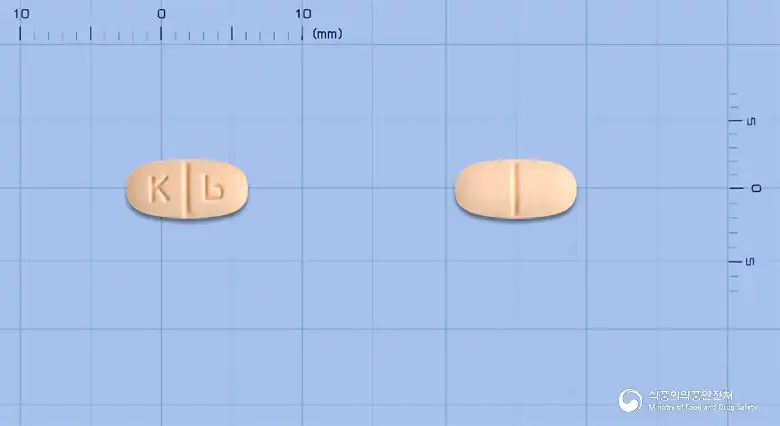 Combination
Candesartan Cilexetil 16mg · Hydrochlorothiazide 12.5mg
Tablet · Prescription medication · Combination
Kyungbo Pharmaceutical Co., Ltd.
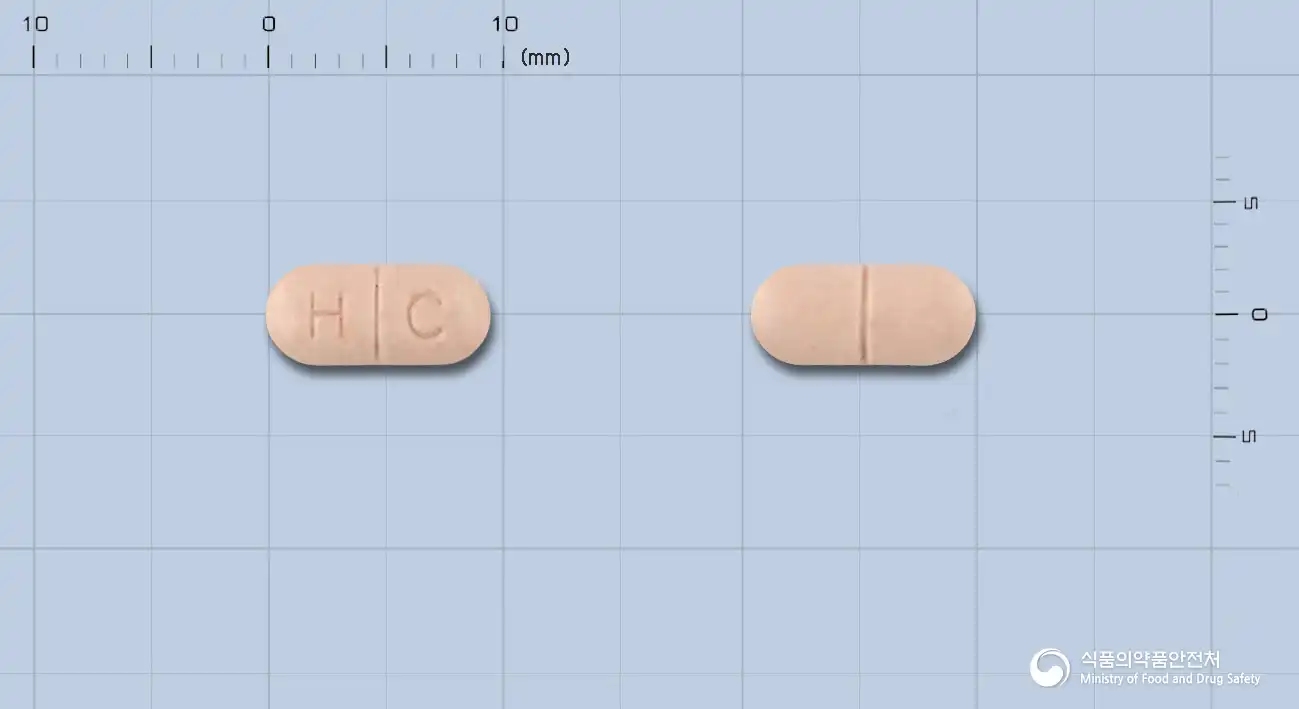 Combination
Candesartan Cilexetil 16mg · Hydrochlorothiazide 12.5mg
Tablet · Prescription medication · Combination
Boryung (Co., Ltd.)
Even with the same ingredient, the dose and directions can differ by strength and dosage form. Talk to a doctor or pharmacist before switching from a medication you are already taking.
No questions yet.
For anything that needs medical judgment, consult a doctor or pharmacist.
This drug information is based on data provided by the Korea Ministry of Food and Drug Safety.
Consult a doctor or pharmacist for accurate dosage, administration, and usage instructions.