
 한국어
 English
 日本語
 中文(简体)
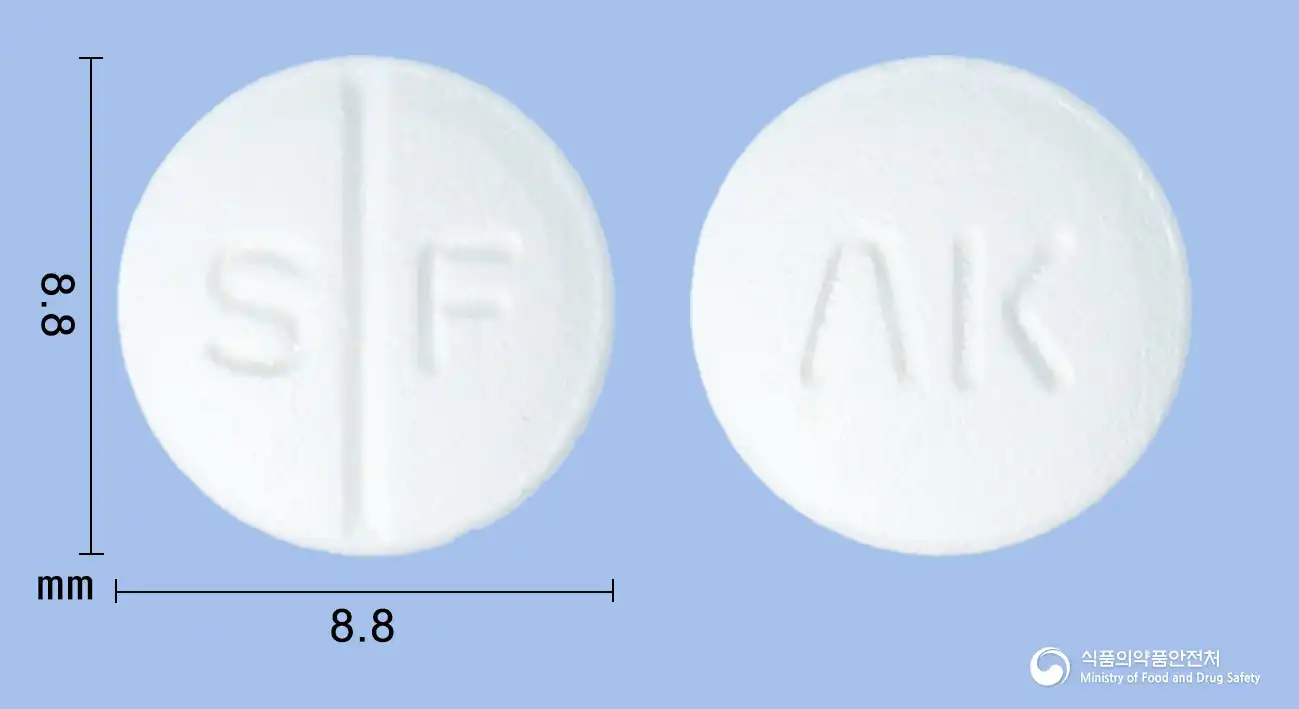 Viewing now
Sapodiphil Tablets (Sarpogrelate Hydrochloride)
Sarpogrelate Hydrochloride 100mg
Tablet · Prescription medication
Alvogen Korea Co., Ltd.
MFDS item code 202003353 · Approved 2020.05.08 · Insurance code 652607300
Improvement of ischemic symptoms (ulcers, pain, coldness, etc.) due to chronic arterial occlusion
This medication is used to improve ischemic symptoms such as ulcers, pain, and coldness due to chronic arterial occlusive disease, Buerger's disease, obstructive arteriosclerosis, and diabetic peripheral vascular disease.
The usual adult dose is 100 mg of sarpogrelate hydrochloride orally 3 times daily after meals. Adjust the dose as appropriate according to age and symptoms.
This medication should not be administered to patients with bleeding, as it may increase the risk of significant hemorrhage. Women who are pregnant or may become pregnant are advised not to use this medication, as it could harm the fetus. Patients who are menstruating or have a tendency to bleed should use this medication cautiously, as the risk of bleeding may be exacerbated. Patients taking anticoagulants or antiplatelet agents may have an increased risk of bleeding when using this medication, so caution is warranted. Patients with severely impaired kidney function and the elderly should exercise more caution when using this medication, as the drug may remain in the body for an extended period and cause side effects. While taking this medication, one should monitor for symptoms of bleeding or liver dysfunction and blood abnormalities, as side effects may arise. Side effects may include vomiting, abdominal pain, skin rash, headache, dizziness, and palpitations; consult a doctor immediately if any unusual symptoms occur. It is important to have regular blood tests to monitor health status while taking this medication. Inform a doctor if taking anticoagulants or antiplatelet agents, as the risk of bleeding may increase. It is preferable for women who are pregnant or breastfeeding to avoid using this medication; if unavoidable, breastfeeding should be avoided. The safety of this medication in children has not been sufficiently established, so it is advisable not to use it in pediatric patients. Elderly patients may have diminished kidney and liver function and should start with a lower dose, closely monitoring their condition. This medication should be stored out of reach of children and should not be transferred to other containers.
Not everyone experiences these, and they can vary from person to person.
This medication should be stored in a tightly sealed container to protect it from air and moisture. It is important to maintain the storage temperature between 1°C and 30°C to safely preserve the drug's efficacy.
White round film-coated tablets with a score line
30 tablets/bottle, 100 tablets/bottle
Even with the same ingredient, strength, dosage form and how it is taken can differ.
Viewing nowSarpogrelate Hydrochloride 100mg
Tablet · Prescription medication
Alvogen Korea Co., Ltd.
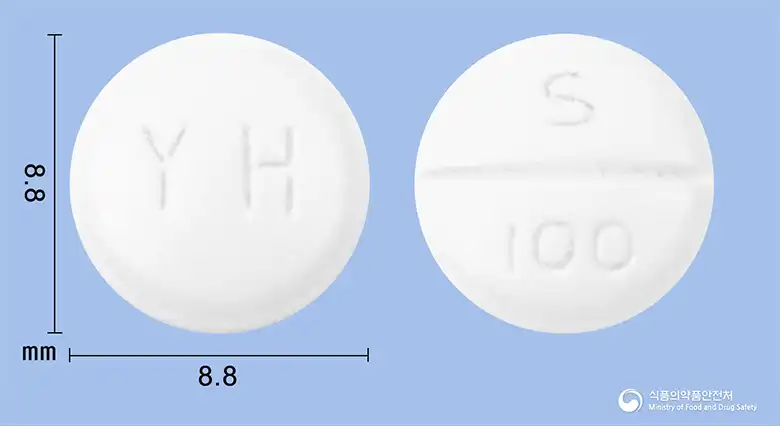
Sarpogrelate Hydrochloride 100mg
Tablet · Prescription medication
Yuhan Corporation
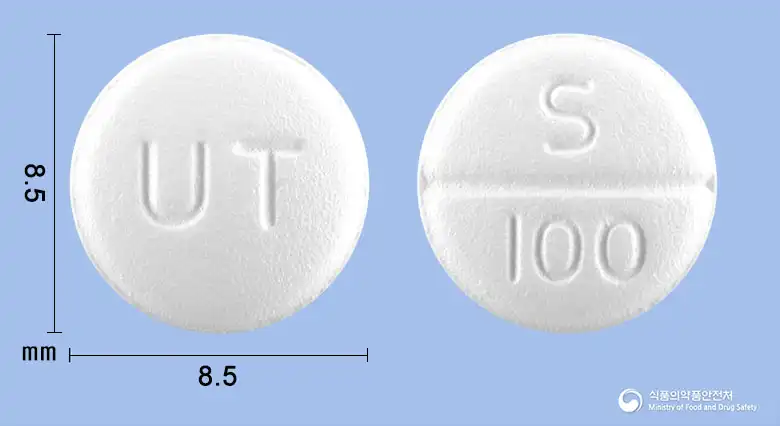
Sarpogrelate Hydrochloride 100mg
Tablet · Prescription medication
Korea United Pharmaceutical Co., Ltd.
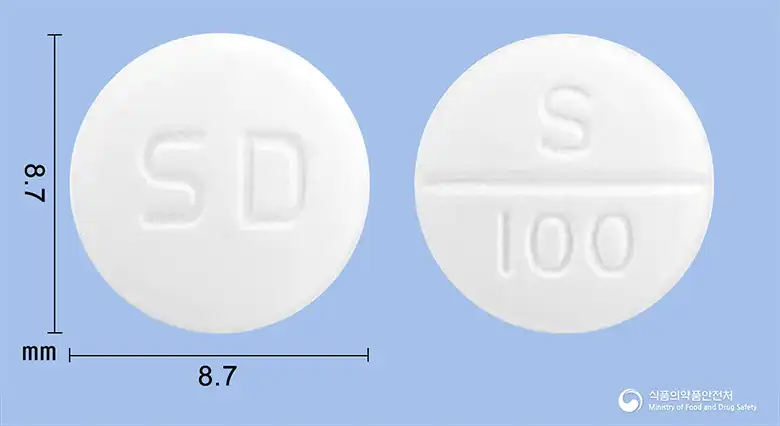
Sarpogrelate Hydrochloride 100mg
Tablet · Prescription medication
(Co., Ltd.) Pharmgen Science
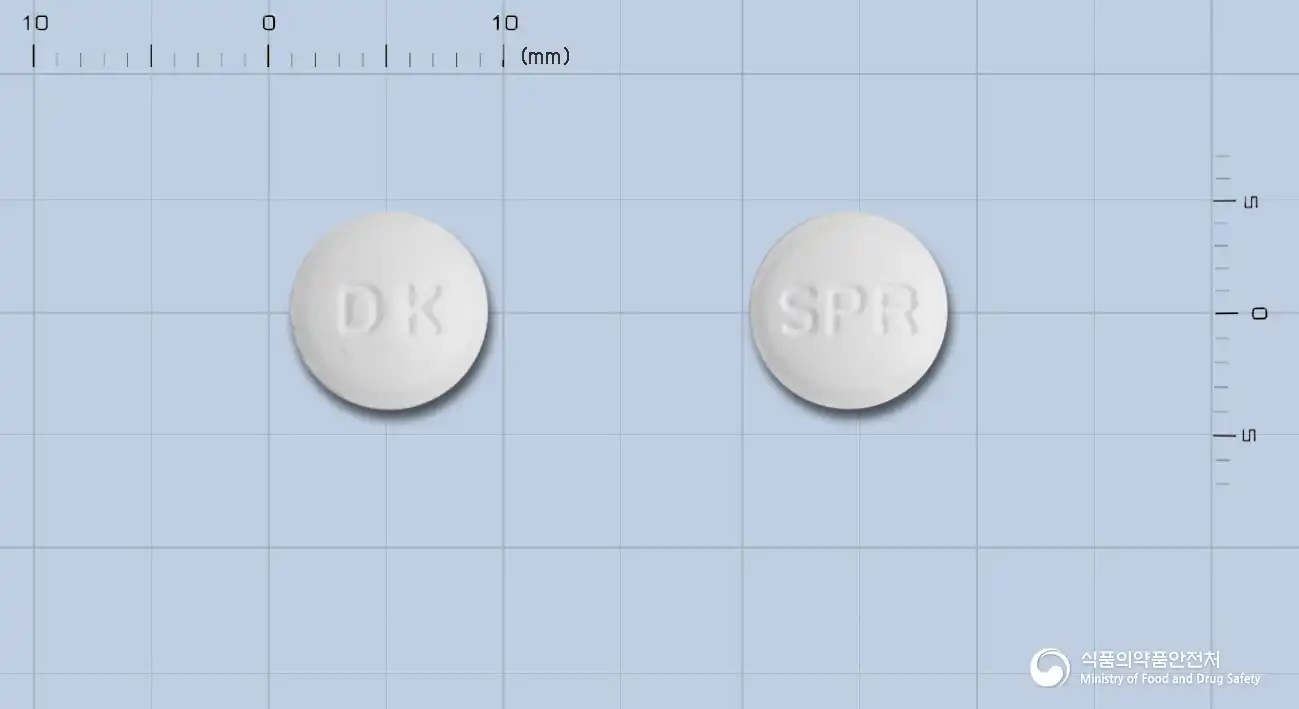
Sarpogrelate Hydrochloride 100mg
Tablet · Prescription medication
Dongkook Pharmaceutical Co., Ltd.
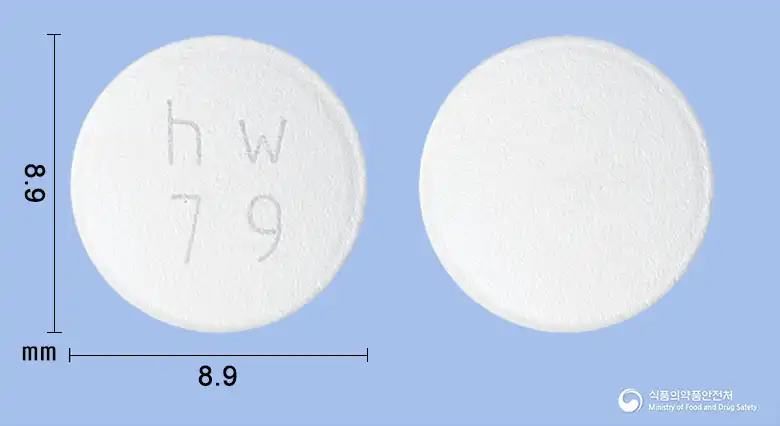
Sarpogrelate Hydrochloride 100mg
Tablet · Prescription medication
Haewon Pharmaceutical Co., Ltd.
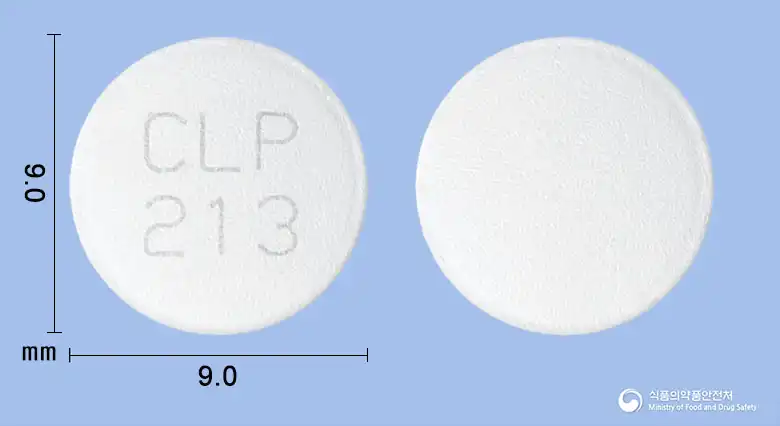
Sarpogrelate Hydrochloride 100mg
Tablet · Prescription medication
Celltrion Pharmaceutical Co., Ltd.
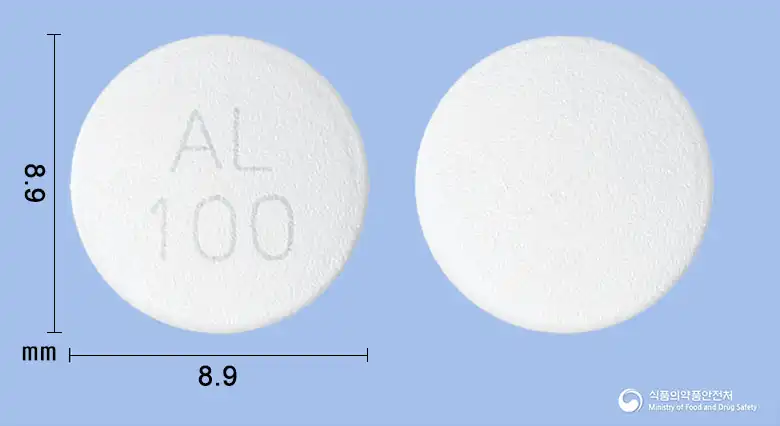
Sarpogrelate Hydrochloride 100mg
Tablet · Prescription medication
Allico Pharmaceuticals Co., Ltd.
Even with the same ingredient, the dose and directions can differ by strength and dosage form. Talk to a doctor or pharmacist before switching from a medication you are already taking.
No questions yet.
For anything that needs medical judgment, consult a doctor or pharmacist.
This drug information is based on data provided by the Korea Ministry of Food and Drug Safety.
Consult a doctor or pharmacist for accurate dosage, administration, and usage instructions.