
 한국어
한국어 English
 日本語
日本語 中文(简体)
Dosage form image
Viewing nowOpsilta Tablet 50 mg (Cilostazol)
Cilostazol 50mg
Tablet · Prescription medication
Lightpharmtech Co., Ltd.
MFDS item code 202003308 · Approved 2020.05.07
This product's status changed to Expired on 2025.05.07. It may no longer be sold, so consult a doctor or pharmacist before taking it.
Improvement of chronic arterial occlusive disease (ulcers, pain, etc.) and prevention of recurrence of cerebral infarction
This medication helps alleviate ischemic symptoms such as ulcers, pain, cold sensation, etc., caused by chronic arterial occlusive disease. It also has a suppressive effect on the recurrence of cerebral infarction after it occurs, playing an important role in maintaining cerebrovascular health. Therefore, it is used to relieve symptoms related to blood circulation disorders and to prevent recurrence.
As cilostazol, the usual adult dosage is 100 mg orally twice a day. Dosage may be adjusted according to age and symptoms.
This medication improves blood circulation and inhibits platelet aggregation. Caution should be exercised as heart rate may increase upon taking this medication, and symptoms of angina may need to be monitored closely. This medication should not be used in patients with bleeding or those at high risk for bleeding. Patients with heart failure should avoid using this medication as symptoms may worsen. Individuals allergic to this medication or its components should not take it. Women who are pregnant, may become pregnant, or are breastfeeding should not take this medication. Patients on anticoagulants, antiplatelet agents, thrombolytics, etc., should be cautious as they may have an increased risk of bleeding. Women during menstruation should use this medication cautiously due to the risk of bleeding. Patients with heart disease, renal failure, liver failure, diabetes, and hypertension should exercise special caution when taking this medication. This medication can cause arrhythmias or impaired heart function; symptoms should be reported to healthcare professionals immediately if they occur. If symptoms such as bleeding, headache, dizziness, dyspepsia, skin rash, or breathing difficulties occur, use should be stopped immediately and a doctor consulted. Caution is needed when driving or operating machinery as dizziness may occur. The blood concentration of this medication may change when taken with certain drugs, so it should be taken after consulting with a physician. Pregnant or breastfeeding women should discontinue breastfeeding while on this medication, and women who may become pregnant should avoid taking it. Children and the elderly may require dosage adjustments and careful monitoring when using this medication. In the case of overdose, severe headache, hypotension, arrhythmias, etc., may occur, requiring immediate medical attention.
Not everyone experiences these, and they can vary from person to person.
Store this medication in a sealed container to prevent air entry and maintain storage temperatures between 1 to 30 degrees Celsius. This will help ensure the medication's efficacy is preserved safely for a long time.
White round tablet
30 tablets/bottle, 100 tablets/bottle
Even with the same ingredient, strength, dosage form and how it is taken can differ.
Cilostazol 50mg
Tablet · Prescription medication
Lightpharmtech Co., Ltd.
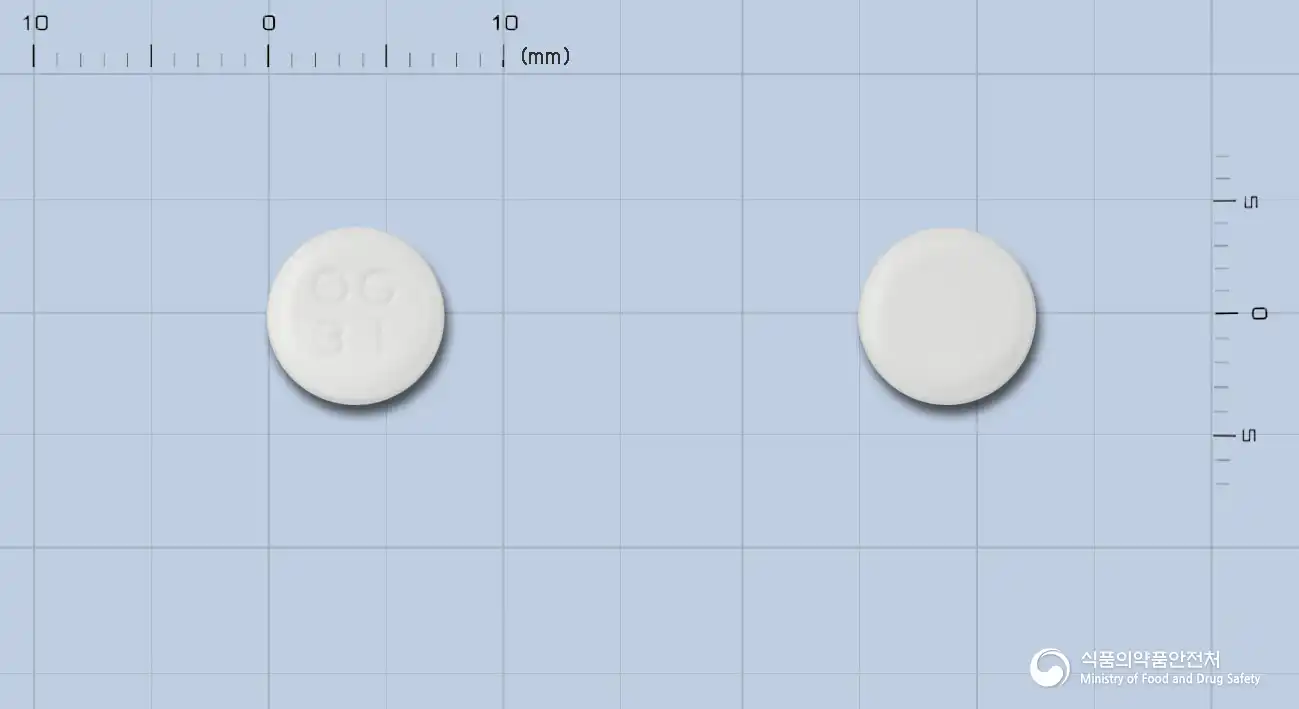
Cilostazol 50mg
Tablet · Prescription medication
Otsuka Pharmaceutical Co., Ltd.
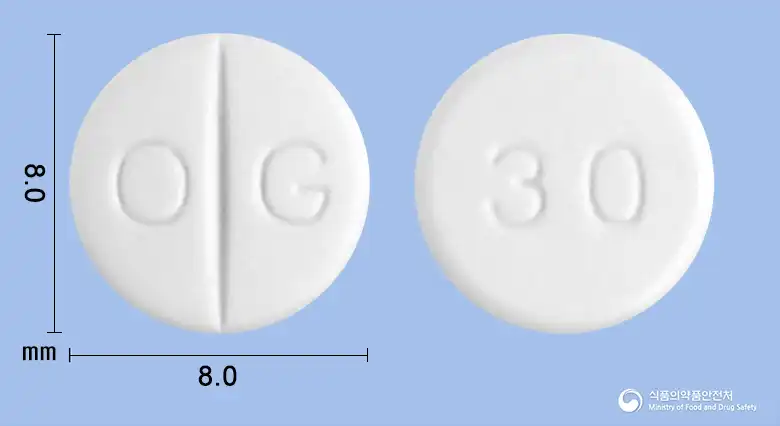
Cilostazol 100mg
Tablet · Prescription medication
Korea Otsuka Pharmaceutical Co., Ltd.
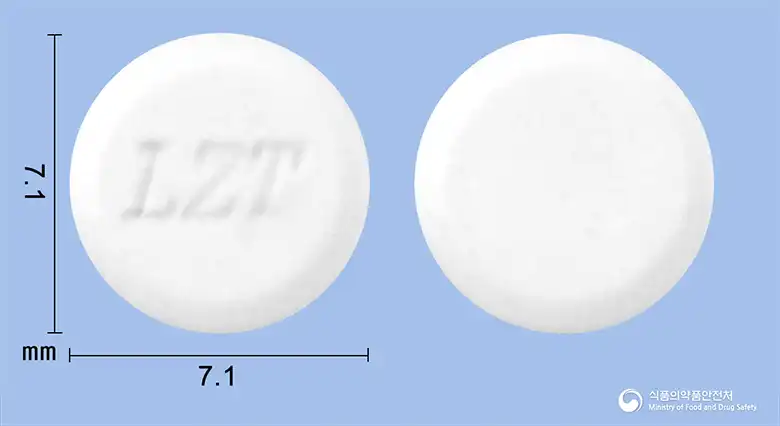
Cilostazol 50mg
Tablet · Prescription medication
Kyungdong Pharmaceutical Co., Ltd.
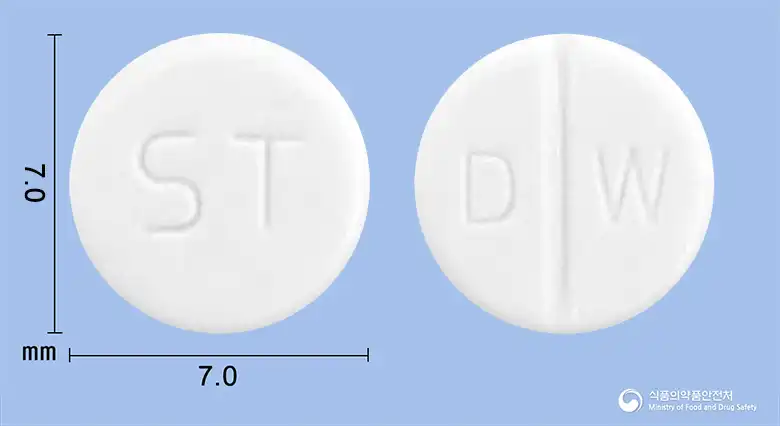
Cilostazol 50mg
Tablet · Prescription medication
Daewon Pharmaceutical Co., Ltd.
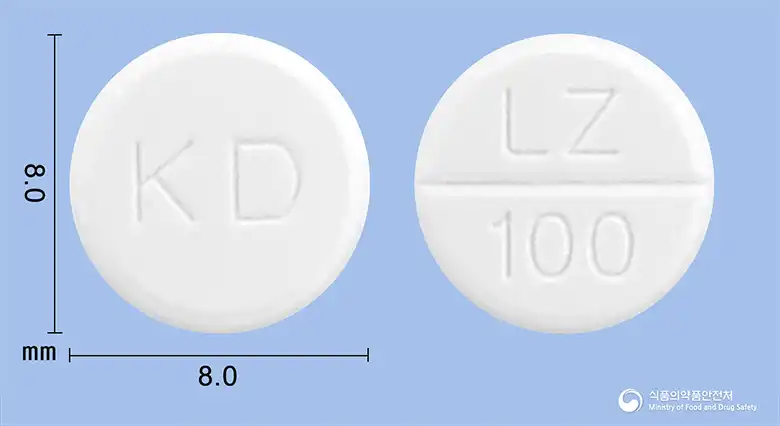
Cilostazol 100mg
Tablet · Prescription medication
Kyungdong Pharmaceutical Co., Ltd.
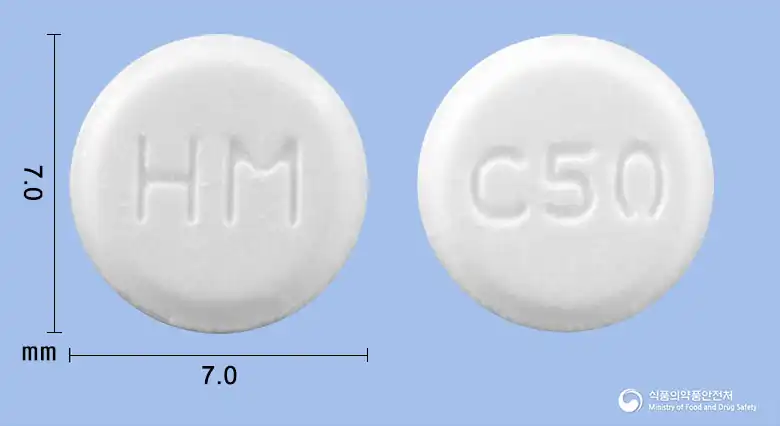
Cilostazol 50mg
Tablet · Prescription medication
Hanmi Pharmaceutical Co., Ltd.
Cilostazol
Prescription medication
Daehan New Pharm Co., Ltd.
Even with the same ingredient, the dose and directions can differ by strength and dosage form. Talk to a doctor or pharmacist before switching from a medication you are already taking.
No questions yet.
For anything that needs medical judgment, consult a doctor or pharmacist.
This drug information is based on data provided by the Korea Ministry of Food and Drug Safety.
Consult a doctor or pharmacist for accurate dosage, administration, and usage instructions.