
 한국어
한국어 English
 日本語
日本語 中文(简体)
Dosage form image
Viewing nowCombinationOrobijca HCT Tablet 5/20/12.5 mg
Amlodipine Besylate 6.944mg · Olmesartan Medoxomil 20mg +1 more
Tablet · Prescription medication · Combination
Jinyang Pharmaceutical Co., Ltd.
MFDS item code 202003284 · Approved 2020.05.06
This product's status changed to Expired on 2025.05.06. It may no longer be sold, so consult a doctor or pharmacist before taking it.
Improvement of blood pressure control in essential hypertension
Combination therapy with amlodipine and olmesartan medoxomil is an effective treatment for the management of blood pressure in patients with essential hypertension. It is particularly used when blood pressure control is difficult with monotherapy, and it helps to reduce the risk of cardiovascular diseases. The two drugs work together to dilate blood vessels and lower blood pressure, thus improving hypertension. Therefore, this combination therapy plays an important role in hypertension management and is used to safeguard the patient's health.
This medication is taken once daily, one tablet with water, regardless of meals. It is recommended to take it at the same time each day (e.g., in the morning). The maximum recommended dose is amlodipine/olmesartan medoxomil/hydrochlorothiazide at 10/40/25 mg. The maximum antihypertensive effect appears within 2 weeks of administration, so dose adjustments should be made at intervals of more than 2 weeks. The recommended dosages are as follows: - 5/20/
The safety and efficacy of this medication in pediatric patients under 18 have not been established; thus, its use is not recommended.
This medication may cause serious harm to the fetus and newborn if taken during the second and third trimester of pregnancy; therefore, it should be discontinued immediately if pregnancy is confirmed. Patients who are allergic to the ingredients in this medication or similar drugs, those who are pregnant or breastfeeding, and patients with severe hypotension, heart valve disease, unstable heart failure after acute myocardial infarction, or severe kidney or liver disease should not take this medication. Patients with low blood volume or reduced salt might experience hypotensive symptoms early in the treatment, so prior status should be thoroughly confirmed and symptoms should be monitored. This medication can affect kidney function, and patients with kidney disease or those who have undergone kidney transplantation should have regular blood tests; patients with severe kidney impairment should avoid taking it. Patients with liver disease or cirrhosis need to be cautious due to the risk of serious side effects like hepatic coma, and it is not recommended for severe liver disease patients. As this medication lowers blood pressure, it should not be taken by patients with excessively low blood pressure or in shock, or those with severe heart disease. During the use of this medication, dizziness or drowsiness may occur, so caution should be exercised when driving or operating hazardous machinery. This medication may interact with other antihypertensives, diuretics, lithium, non-steroidal anti-inflammatory drugs (NSAIDs), so if any other medications are being taken, they should be discussed with a doctor or pharmacist. It can cause electrolyte imbalances in the blood, so regular blood tests should check levels of potassium, sodium, calcium, etc., with symptoms potentially including dry mouth, muscle cramps, fatigue, and hypotension. Elderly patients, those with diabetes, or a history of gout need to exercise extra caution when taking this medication. The skin may become sensitive to sunlight, leading to photosensitivity; therefore, sunscreen precautions should be taken when going outdoors, and any rashes or skin changes should be reported to a doctor immediately. Overdose may cause severe hypotension, tachycardia, cardiac arrhythmias, so if these symptoms occur, medical attention should be sought immediately. The safety and efficacy of this medication in children have not been established; therefore, it is not recommended for use in individuals under the age of 18. In breastfeeding, the components of this medication can pass into breast milk, so discontinuation of nursing or this medication is advised.
Hives, severe swelling (edema), chest tightness, difficulty breathing, cold sweat, pallor, severe rash with fever, blisters, skin peeling, pain in mucous membranes of mouth/eyes, shortness of breath or difficulty breathing, asthma attacks, cough with fever, yellowing of skin or eyes (jaundice), extreme fatigue, sudden and severe headache, thunderclap headache, seizure, confusion, visual disturbances, paralysis, urination
Not everyone experiences these, and they can vary from person to person.
This medication should be stored in a tightly closed container to prevent exposure to air or moisture. It is best to maintain a storage temperature of 1 to 30 degrees Celsius at room temperature.
White and orange round film-coated tablets
30 tablets/box [10 tablets/Alu-Alu×3]
Even with the same ingredient, strength, dosage form and how it is taken can differ.
Amlodipine Besylate 6.944mg · Olmesartan Medoxomil 20mg +1 more
Tablet · Prescription medication · Combination
Jinyang Pharmaceutical Co., Ltd.
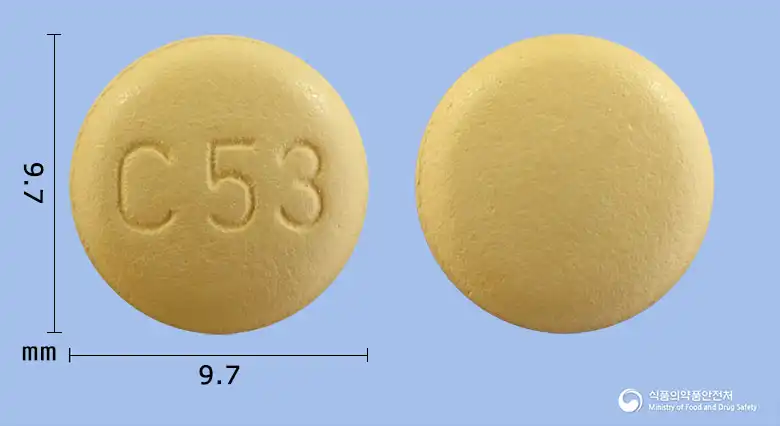 Combination
Olmesartan Medoxomil 40mg · Amlodipine Besylate 6.944mg +1 more
Tablet · Prescription medication · Combination
Hanmi Daiichi Sankyo Co., Ltd.
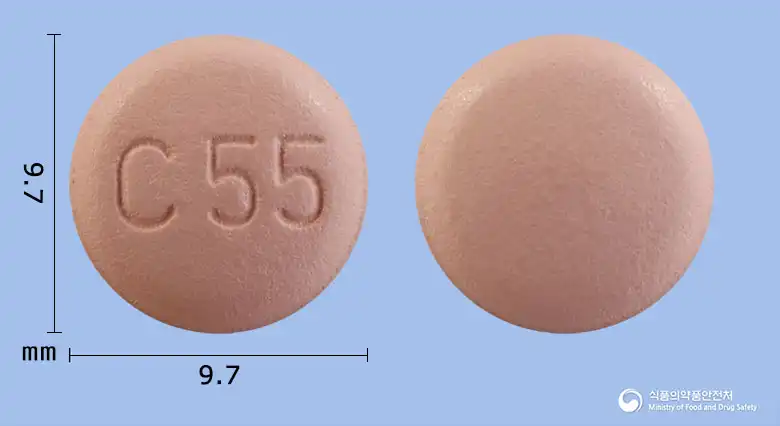 Combination
Olmesartan Medoxomil 40mg · Amlodipine Besylate 13.888mg +1 more
Tablet · Prescription medication · Combination
Daicel Corporation (Co., Ltd.)
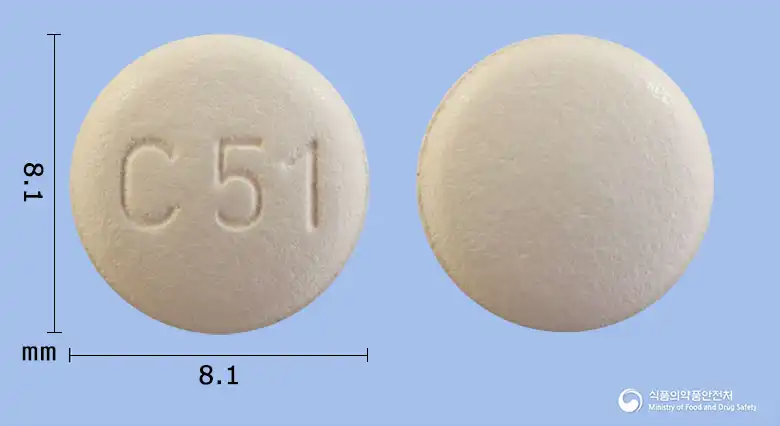 Combination
Olmesartan Medoxomil 20mg · Amlodipine Besylate 6.944mg +1 more
Tablet · Prescription medication · Combination
HanKook Daiichi Sankyo Co., Ltd.
Olmesartan Medoxomil · Amlodipine Besylate +1 more
Prescription medication · Combination
SYNEX Co., Ltd.
Olmesartan Medoxomil · Amlodipine Besylate +1 more
Prescription medication · Combination
SYNEX Co., Ltd.
Olmesartan Medoxomil · Amlodipine Besylate +1 more
Prescription medication · Combination
SYNEX Co., Ltd.
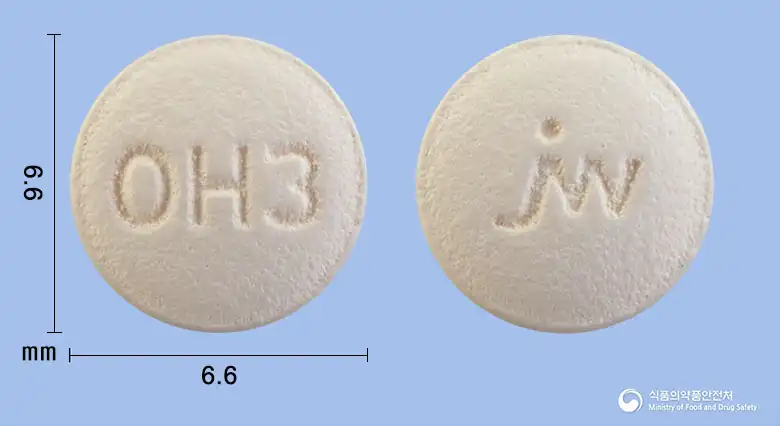 Combination
Amlodipine Besylate 6.944mg · Olmesartan Medoxomil 20mg +1 more
Tablet · Prescription medication · Combination
JW Pharmaceutical Corporation
Even with the same ingredient, the dose and directions can differ by strength and dosage form. Talk to a doctor or pharmacist before switching from a medication you are already taking.
No questions yet.
For anything that needs medical judgment, consult a doctor or pharmacist.
This drug information is based on data provided by the Korea Ministry of Food and Drug Safety.
Consult a doctor or pharmacist for accurate dosage, administration, and usage instructions.