
 한국어
한국어 English
 日本語
日本語 中文(简体)
Dosage form image
Viewing nowHyrevo Eye Drops (Levofloxacin Hydrate)
Levofloxacin Hydrate 5mg
Solution · Prescription medication
Huons Co., Ltd.
MFDS item code 202003279 · Notified 2020.05.06 · Insurance code 670608481
Treatment for eye infections (blepharitis, conjunctivitis, etc.) and surgical sterilization.
This medication is effective against various bacteria such as Staphylococcus, Streptococcus, and Pneumococcus, and is used to treat several ophthalmic diseases including blepharitis, chalazion, dacryocystitis, conjunctivitis, keratitis, and corneal ulcers. It is also utilized in sterilization therapy to prevent infection during ophthalmic surgery. This medication improves the treatment of eye diseases caused by various bacterial infections.
1 drop at a time, 3 times a day
This medication should not be used in patients who are hypersensitive to quinolone antibiotics. Rarely, shock symptoms such as nausea, coldness of limbs, and difficulty breathing may occur. If any abnormal symptoms appear, administration should be stopped immediately and appropriate treatment should be sought. Hypersensitivity reactions can cause cardiovascular collapse, loss of consciousness, angioedema, airway obstruction, difficulty breathing, rash, urticaria, itching, redness and swelling of the eyes and skin, so administration should be discontinued if these symptoms appear. Temporary burning sensation, irritation, discomfort, pain, redness, itching, conjunctivitis, keratitis, periocular swelling, foreign body sensation, photophobia, blurred vision, watering, dryness, and eye pain may occur. Rarely, dizziness or corneal disorders may occur, and in severe cases, serious skin reactions similar to Stevens-Johnson Syndrome may occur, requiring immediate cessation of use if these symptoms arise. Hearing loss or irritation symptoms may occasionally appear. Long-term use of this medication may lead to excessive growth of fungi or resistant bacteria, so prolonged use should be avoided. If a superinfection is suspected, use should be discontinued and alternative treatments should be considered. In particular, elderly patients or patients under significant strain on tendons, and those using corticosteroids in combination face an increased risk of tendon inflammation or rupture, so administration should be stopped immediately if pain or inflammation occurs. Safety during pregnancy has not been established; therefore, it should only be used in women who are pregnant or may become pregnant if the benefits outweigh the risks. Nursing mothers should discontinue breastfeeding or stop using the medication during administration. Safety and efficacy in infants under one year have not been established, so it is better to avoid use in this age group. This medication is to be used only for eye drops, and care should be taken not to let the opening of the container touch the eye directly. To prevent contamination, it is advisable not to share this with others. When storing, keep out of reach of children, avoid direct sunlight, and store in a cool place. To maintain quality, do not transfer to another container.
Urticaria, angioedema (throat, larynx, face), airway obstruction, difficulty breathing, shock-like symptoms (including difficulty breathing), Stevens-Johnson syndrome, tendon rupture, tendonitis, severe allergic reactions, severe swelling or urinary abnormalities
Not everyone experiences these, and they can vary from person to person.
This medication can deteriorate due to air or light, so it must be stored in a tightly sealed container. Additionally, it is important to store it at room temperature between 1°C and 30°C, avoiding direct sunlight.
A transparent solution that is pale yellow to light yellow in a plastic bottle.
6 milliliters/bottle, 5 milliliters/bottle
Even with the same ingredient, strength, dosage form and how it is taken can differ.
Levofloxacin Hydrate 5mg
Solution · Prescription medication
Huons Co., Ltd.
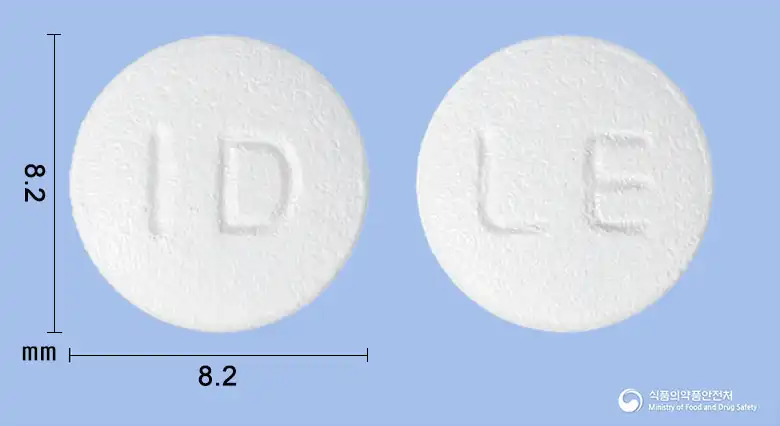
Levofloxacin Hydrate 100mg
Tablet · Prescription medication
Ildong Pharmaceutical Co., Ltd.
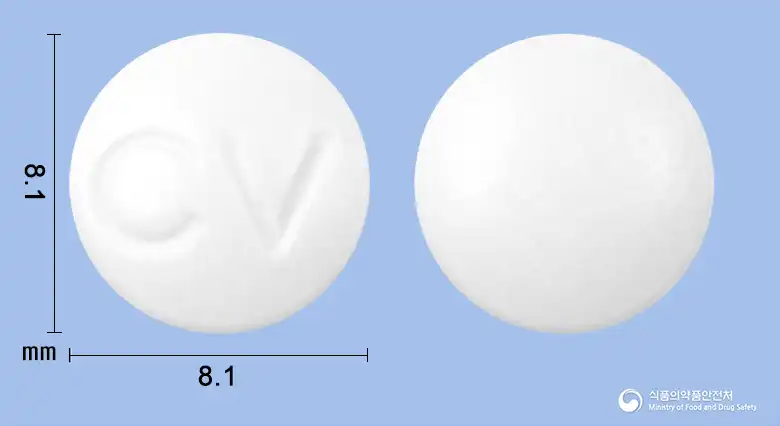
Levofloxacin 100mg
Tablet · Prescription medication
Jeil Pharmaceutical Co., Ltd.
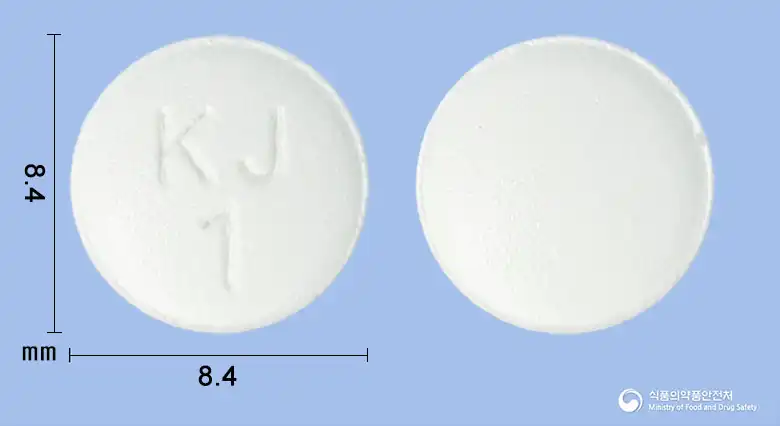
Levofloxacin Hydrate 100mg
Tablet · Prescription medication
International Pharmaceuticals Co., Ltd.
Levofloxacin 5.1246mg
Prescription medication
Jeil Pharmaceutical Co., Ltd.
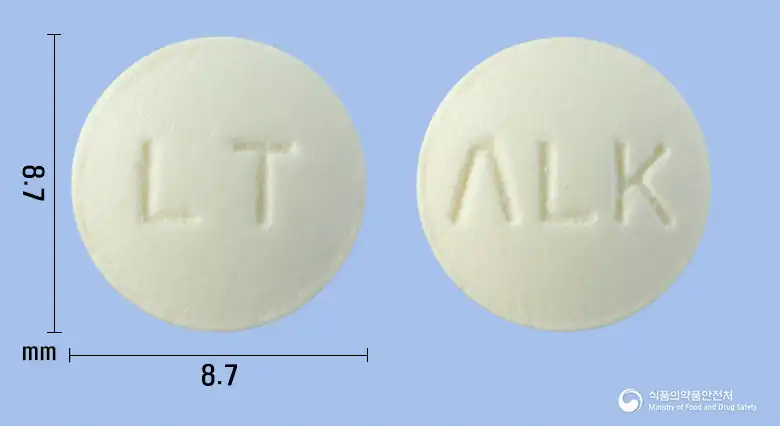
Levofloxacin Hydrate 100mg
Tablet · Prescription medication
SS Pharm Co., Ltd.
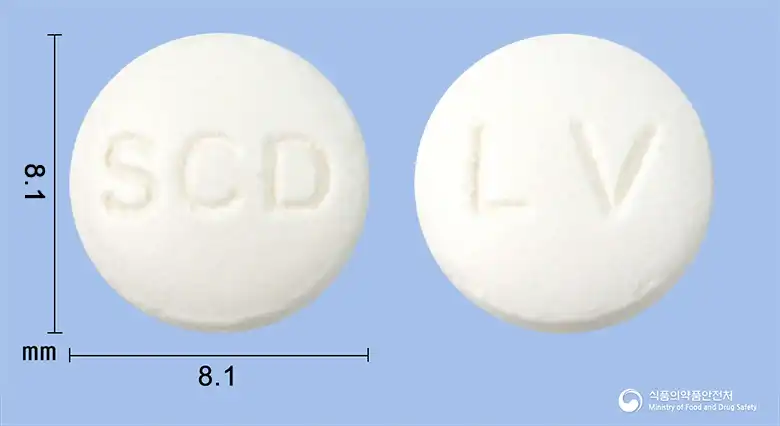
Levofloxacin Hydrate 102.49mg
Tablet · Prescription medication
Samchundang Pharmaceutical Co., Ltd.
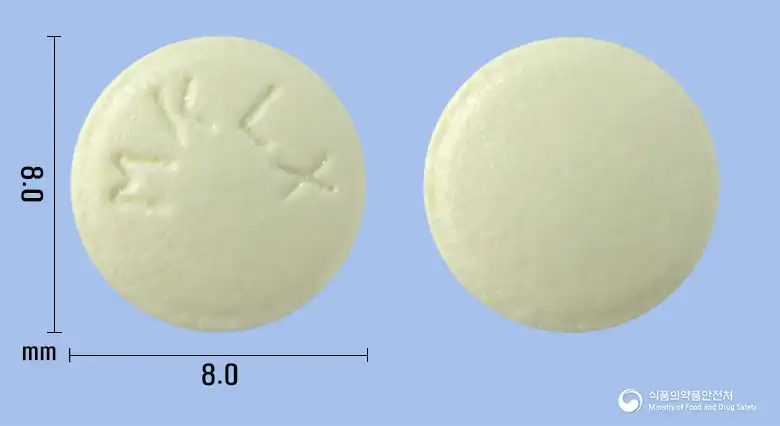
Levofloxacin Hydrate 100mg
Tablet · Prescription medication
Medica Korea Co., Ltd.
Even with the same ingredient, the dose and directions can differ by strength and dosage form. Talk to a doctor or pharmacist before switching from a medication you are already taking.
No questions yet.
For anything that needs medical judgment, consult a doctor or pharmacist.
This drug information is based on data provided by the Korea Ministry of Food and Drug Safety.
Consult a doctor or pharmacist for accurate dosage, administration, and usage instructions.