
 한국어
한국어 English
 日本語
日本語 中文(简体)
 Viewing nowCombination
Acarb Tablets 30/10 milligrams
Fimasartan Potassium Trihydrate Granules 75mg · Atorvastatin Calcium Trihydrate 10.4mg
Tablet · Prescription medication · Combination
Boryung Pharmaceutical Co., Ltd.
MFDS item code 202003220 · Approved 2020.04.29 · Insurance code 641907640
Reduction of hypertension and cardiovascular disease risk, improvement of hyperlipidemia
This medication is used for patients who require both fimasartan and atorvastatin. First, fimasartan helps treat essential hypertension. Atorvastatin is used to lower the risk of various cardiovascular diseases, especially reducing the risk of myocardial infarction, stroke, revascularization, and chronic stable angina. This medication is effective in reducing the incidence of cardiovascular events in adults with multiple risk factors for coronary artery disease or patients with type 2 diabetes. Additionally, atorvastatin helps lower total cholesterol, LDL-cholesterol, and triglyceride levels while increasing HDL-cholesterol levels in patients with hyperlipidemia. The combination of these two medications is used to effectively lower the risk of cardiovascular diseases by improving blood pressure and blood lipids.
This medication is taken one tablet once daily with water regardless of meals. It is recommended to take it at the same time every day (e.g., morning). The recommended dosage of fimasartan is 30 to 60 milligrams once daily, taken without regard to meals. If blood pressure is not adequately controlled, the dose may be increased to 120 milligrams once daily. Patients with renal impairment (except severe cases) do not require dose adjustment, however, severe...
This medication should not be taken during pregnancy, especially in the 2nd and 3rd trimesters, as it can cause serious harm to the fetus and newborn. If pregnancy is confirmed, discontinue use immediately. This medication should not be used in patients with impaired liver function, muscle diseases, or certain genetic disorders. If symptoms such as muscle pain or weakness occur, consult a physician immediately, and treatment should be discontinued in severe cases. Be cautious as blood pressure might drop too low, leading to symptoms like dizziness and headaches. This medication may interact with other drugs, so inform your doctor or pharmacist of any medications you are currently taking. Regular liver function tests and blood tests should be done, and any unusual symptoms should be reported immediately. This medication has not established safety in children and should not be used in children under 10 years old. Elderly patients may be more sensitive to this medication, so if older, should take it carefully following the doctor's instructions. Patients with a history of alcoholism or liver disease should consult a doctor before taking this medication. This medication is not recommended for breastfeeding women, and if necessary, either breastfeeding or medication should be discontinued. In the case of overdose, symptoms such as hypotension, palpitations, and bradycardia may occur; consult a physician for appropriate treatment. This medication should be stored out of reach of children and kept sealed in its original container.
Hives, severe swelling (edema), chest tightness, difficulty breathing, cold sweats, pallor, severe rash accompanied by high fever, blisters, skin peeling, pain in the oral/eye mucosa, difficulty breathing or shortness of breath, asthma attack, respiratory issues with cough and fever, yellowing of the skin or eyes (jaundice), severe lethargy, sudden and severe headaches, thunderclap headache, seizures, confusion, visual disturbances, paralysis, urine changes
Not everyone experiences these, and they can vary from person to person.
This medication should be stored in a tightly closed container to prevent air or moisture from entering and should be kept at room temperature between 1 and 30 degrees Celsius. Storing it this way helps maintain the effectiveness of the medication for a longer period.
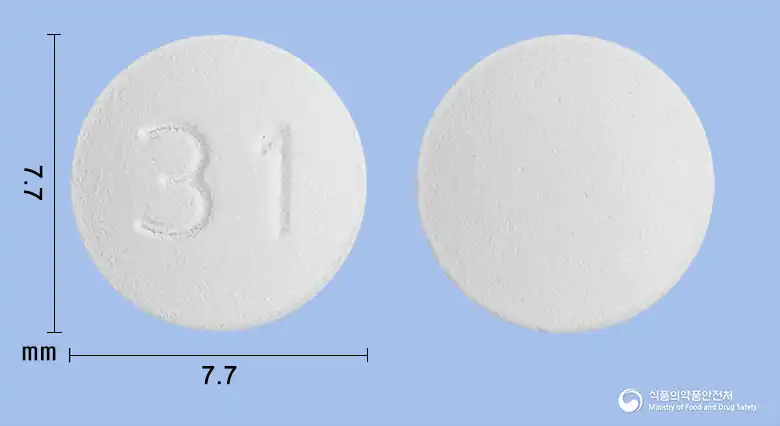
White round film-coated tablet
30 tablets / box [10 tablets PTP * 3]
Even with the same ingredient, strength, dosage form and how it is taken can differ.
Viewing nowCombinationFimasartan Potassium Trihydrate Granules 75mg · Atorvastatin Calcium Trihydrate 10.4mg
Tablet · Prescription medication · Combination
Boryung Pharmaceutical Co., Ltd.
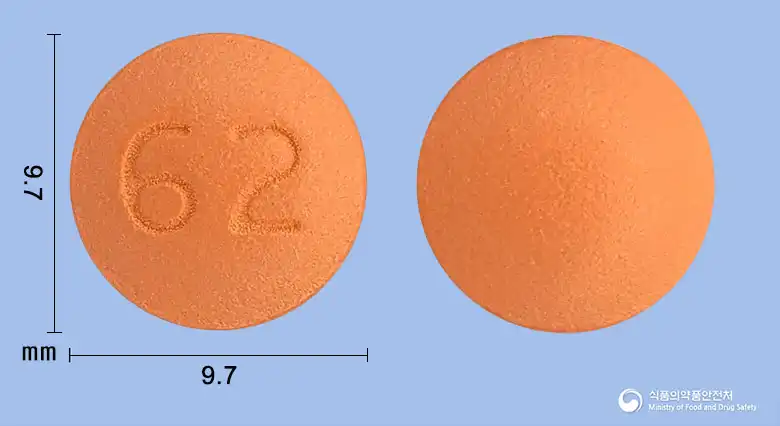 Combination
Fimasartan Potassium Trihydrate Granules 150mg · Atorvastatin Calcium Trihydrate 10.4mg
Tablet · Prescription medication · Combination
Boryung Pharmaceutical Co., Ltd.
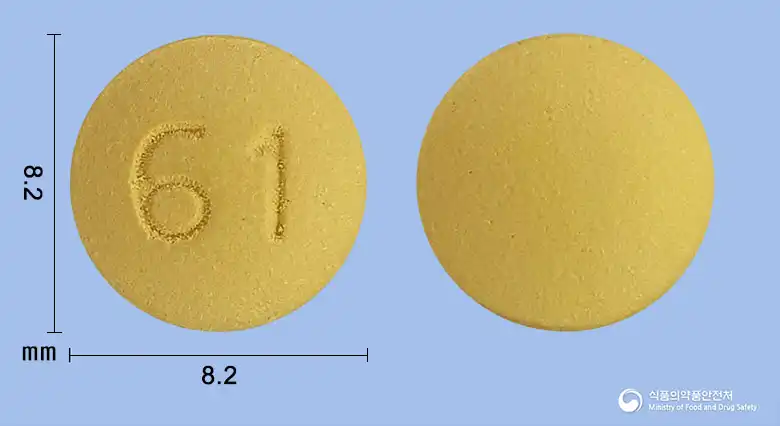 Combination
Fimasartan Potassium Trihydrate Granules 150mg · Atorvastatin Calcium Trihydrate 10.4mg
Tablet · Prescription medication · Combination
Boryung Pharmaceutical Co., Ltd.
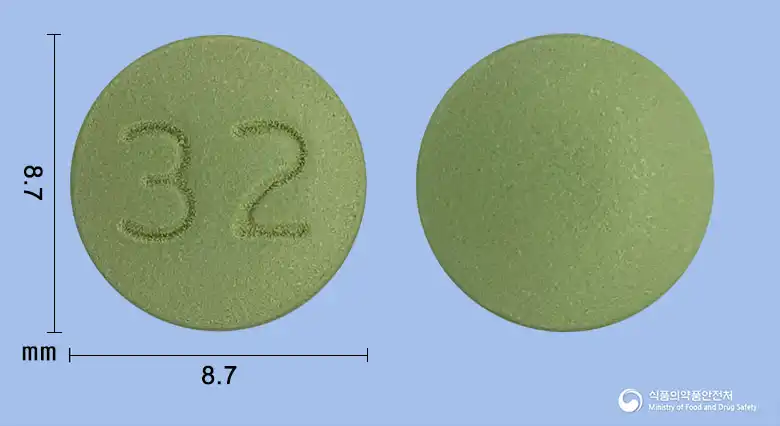 Combination
Fimasartan Potassium Trihydrate Granules 75mg · Atorvastatin Calcium Trihydrate 10.4mg
Tablet · Prescription medication · Combination
Boryung Pharmaceutical Co., Ltd.
Fimasartan Potassium Trihydrate Granules 300mg · Atorvastatin Calcium Trihydrate 20.8mg
Tablet · Prescription medication · Combination
Boryung Co., Ltd.
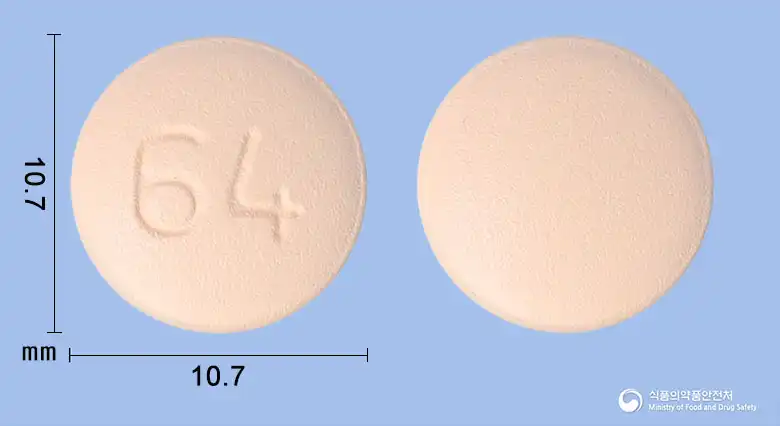 Combination
Fimasartan Potassium Trihydrate Granules 150mg · Atorvastatin Calcium Trihydrate 43.4mg
Tablet · Prescription medication · Combination
Boryung Co., Ltd.
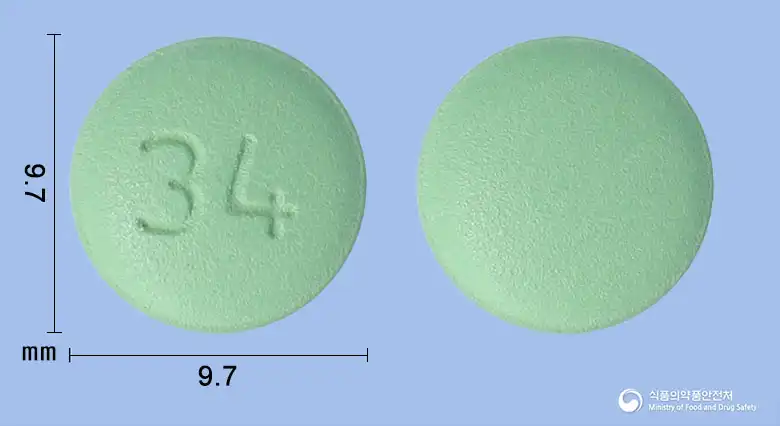 Combination
Fimasartan Potassium Trihydrate Granules 75mg · Atorvastatin Calcium Trihydrate 43.4mg
Tablet · Prescription medication · Combination
Boryung Pharmaceutical Co., Ltd.
Even with the same ingredient, the dose and directions can differ by strength and dosage form. Talk to a doctor or pharmacist before switching from a medication you are already taking.
No questions yet.
For anything that needs medical judgment, consult a doctor or pharmacist.
This drug information is based on data provided by the Korea Ministry of Food and Drug Safety.
Consult a doctor or pharmacist for accurate dosage, administration, and usage instructions.