
 한국어
한국어 English
 日本語
日本語 中文(简体)
 Viewing now
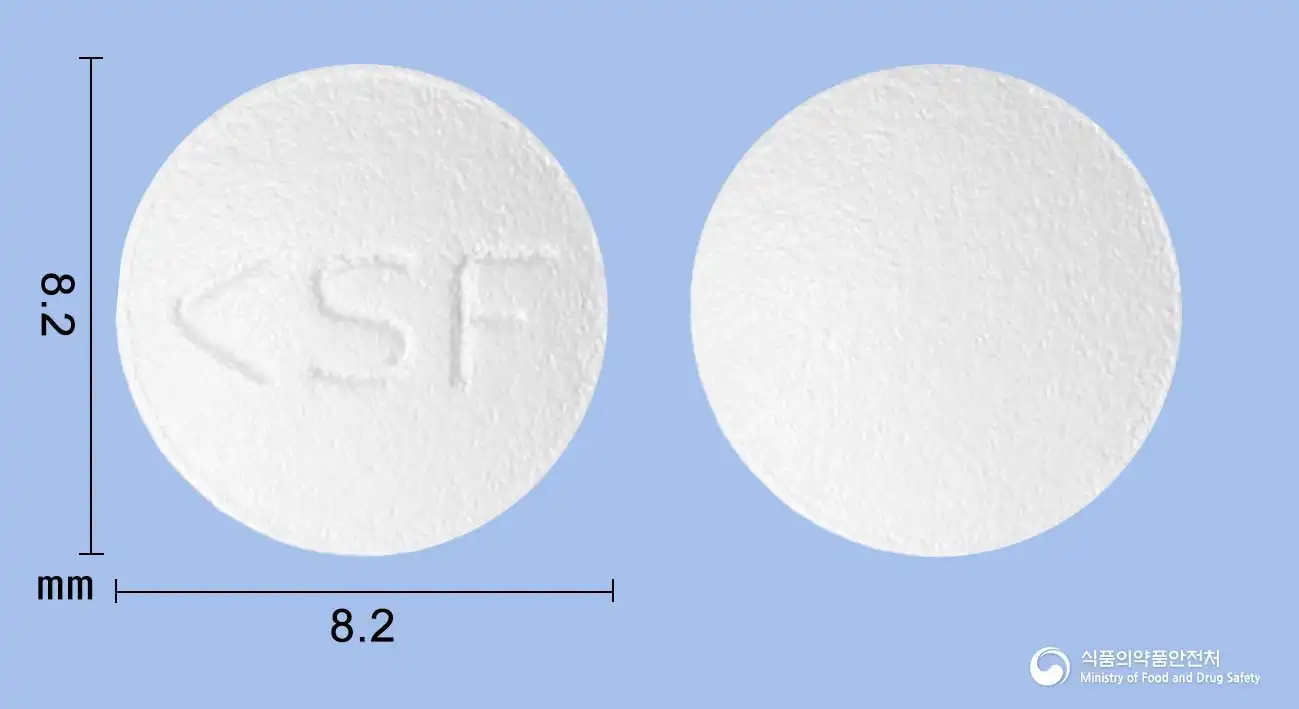
Stovent Tablet (Famotidine)
Famotidine 20mg
Tablet · Prescription medication
KS Pharmaceutical Co., Ltd.
MFDS item code 202003177 · Approved 2020.04.29 · Insurance code 059000770
Improvement of gastric ulcer, upper gastrointestinal bleeding, and gastric mucosal lesions
This medication is effective for various conditions associated with gastric and duodenal ulcers, anastomotic ulcers, and upper gastrointestinal bleeding. Additionally, it is used for conditions characterized by excessive gastric acid secretion, such as gastroesophageal reflux disease and Zollinger-Ellison syndrome. It helps improve gastric mucosal lesions, such as erosion, bleeding, redness, and swelling that occur during acute exacerbations of acute gastritis and chronic gastritis. Through this treatment process, it can improve the health status of the gastrointestinal system and alleviate symptoms. Overall, this medication is used to treat various lesions and inflammatory conditions of the stomach and gastrointestinal tract.
1. Gastric and duodenal ulcer, anastomotic ulcer, upper gastrointestinal bleeding, gastroesophageal reflux disease, Zollinger-Ellison syndrome: Take 20 mg orally twice a day (after breakfast, after dinner, or at bedtime) or 40 mg orally once a day (at bedtime). In cases of upper gastrointestinal bleeding, treatment is usually initiated with injection and switched to oral administration when possible. 2. Acute gastritis and acute exacerbation of chronic gastritis: 1 dose.
This medication should not be used by patients who have had an allergic reaction to any ingredient of this medication or similar medications. Particularly, as it contains lactose, individuals with genetic disorders who cannot effectively digest lactose should refrain from taking it. Patients with a history of allergies, reduced kidney function, heart disease, liver dysfunction, and elderly individuals should exercise greater caution when using this medication. In cases of impaired kidney function, the dosage should be reduced or the interval between doses should be extended. Serious side effects may occur while taking this medication. For instance, severe allergic reactions or shock may occur; if any unusual symptoms arise, discontinue the medication immediately and seek medical attention. Symptoms such as a decrease in blood cell count, anemia, and severe inflammation of the skin and mucous membranes may also occur, so it is essential to undergo regular blood tests. Serious side effects such as liver dysfunction or jaundice, muscle damage, cardiac rhythm abnormalities, consciousness disturbances, kidney problems, and pneumonia can also occur, necessitating careful observation of symptoms. Generally, it is advisable to use only the necessary amount of the medication while confirming the treatment effect, and if there is no effect, it is better to switch to other treatment methods. The medication dissolves in the mouth but is not absorbed through the oral mucosa, so it must be swallowed with water or saliva. Patients undergoing hemodialysis should be cautious as interactions with this medication may reduce effectiveness. Also, this medication may be less effective if taken with certain antifungal or anticancer medications, so consultation with a doctor or pharmacist is recommended if those medications are being used. Elderly individuals may require dosage adjustments as declining kidney function may prolong the presence of the medication in the body. Women who are pregnant or may become pregnant should consider the risks and benefits of this medication carefully before taking it, and breastfeeding women should discontinue nursing as this medication may be passed into breast milk. The safety of this medication has not been sufficiently established for children, and its use is not recommended. For forms of the medication that dissolve in the mouth, place the tablet on the tongue and allow it to dissolve with saliva before swallowing; it should not be taken in a lying position without water. Lastly, this medication may mask symptoms of gastric cancer, so it should only be used after confirming that it is not gastric cancer.
Shock, hypersensitivity (anaphylaxis, respiratory distress, systemic flushing, angioedema, urticaria), pancytopenia, agranulocytosis, aplastic anemia, hemolytic anemia, thrombocytopenia, Stevens-Johnson syndrome, Lyell's syndrome, liver dysfunction, jaundice, rhabdomyolysis, QT prolongation, ventricular tachycardia, ventricular fibrillation, altered consciousness, seizures, interstitial nephritis, acute kidney failure, interstitial pneumonia, heart failure.
Not everyone experiences these, and they can vary from person to person.
This medication should be stored in a sealed container to prevent the ingress of air or moisture and is best kept at room temperature between 1°C and 30°C. Proper storage can maintain the medication's effectiveness and prevent deterioration.
White round film-coated tablet
30 tablets/bottle, 300 tablets/bottle
Even with the same ingredient, strength, dosage form and how it is taken can differ.
Viewing nowFamotidine 20mg
Tablet · Prescription medication
KS Pharmaceutical Co., Ltd.
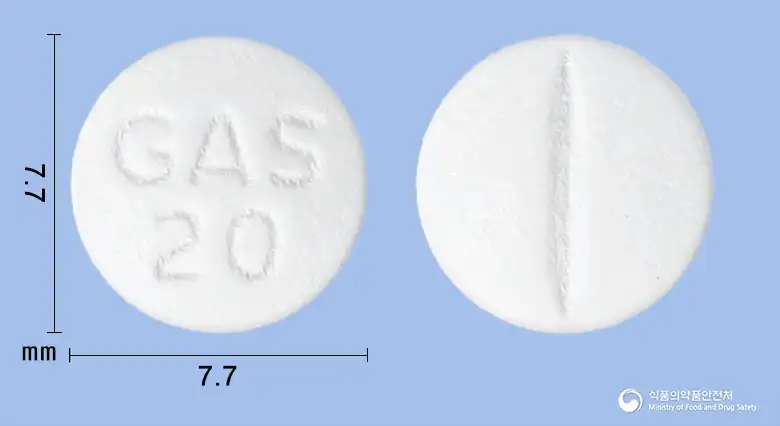
Famotidine 20mg
Prescription medication
Dong-A ST Co., Ltd.
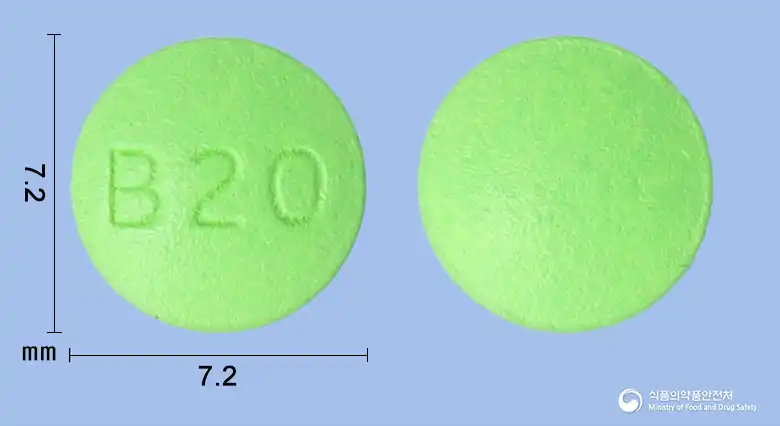
Famotidine 20mg
Tablet · Prescription medication
JW Pharmaceutical Corporation
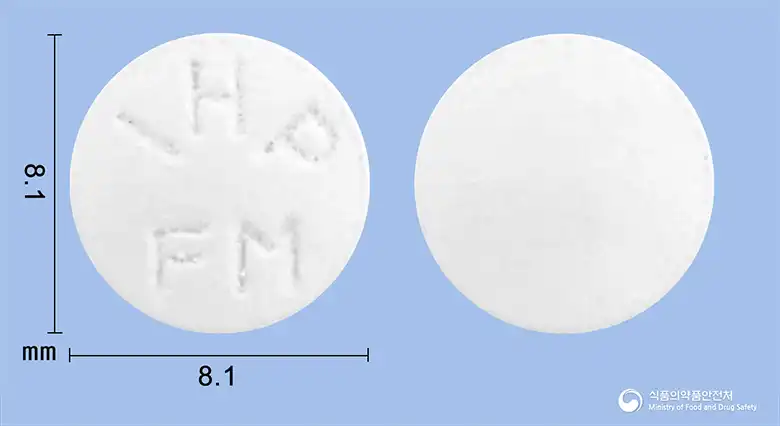
Famotidine 20mg
Tablet · Prescription medication
(Stock Company) Ilhwa

Famotidine 20mg
Prescription medication
Youngpoong Pharmaceutical Co., Ltd.
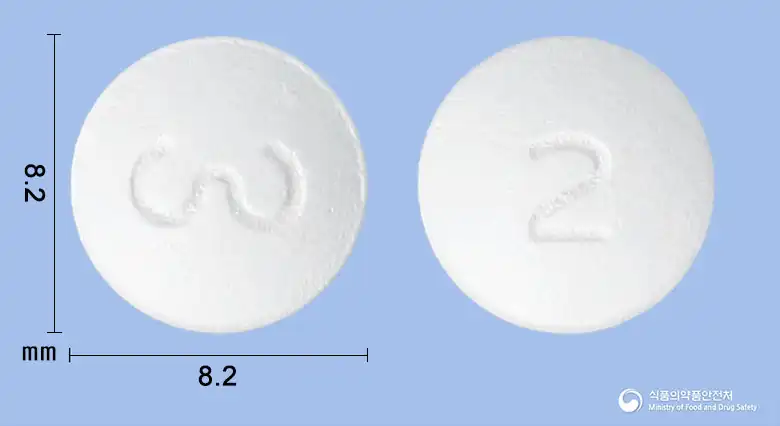
Famotidine 20mg
Tablet · Prescription medication
Withus Pharmaceutical Co., Ltd.
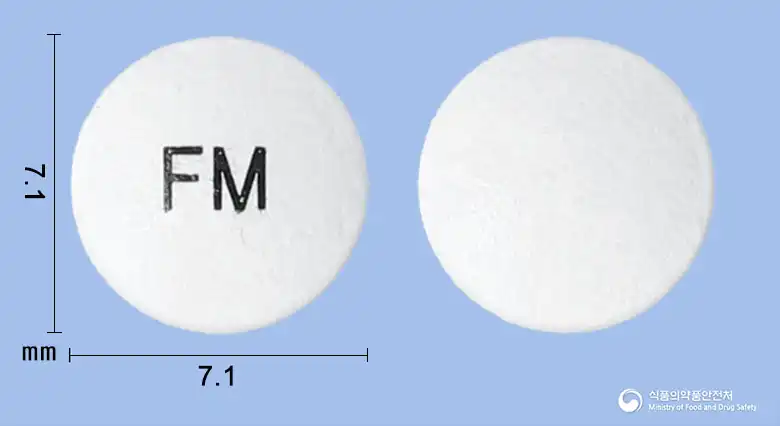
Famotidine 20mg
Prescription medication
(Stock Company) Seoul Pharmaceutical
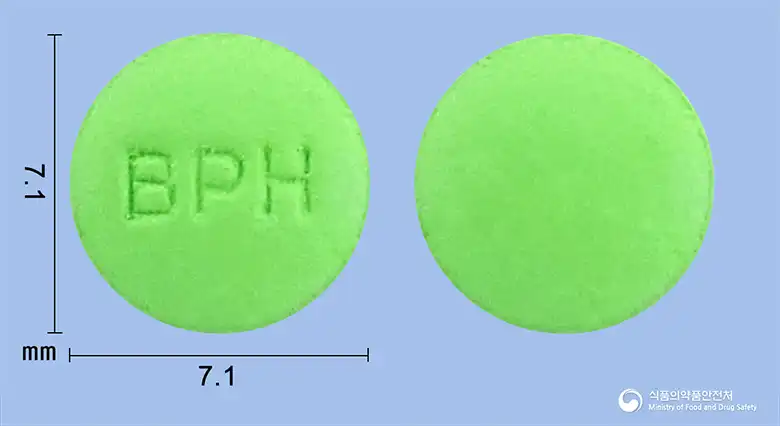
Famotidine 20mg
Tablet · Prescription medication
(Stock Company) Genupharm
Even with the same ingredient, the dose and directions can differ by strength and dosage form. Talk to a doctor or pharmacist before switching from a medication you are already taking.
No questions yet.
For anything that needs medical judgment, consult a doctor or pharmacist.
This drug information is based on data provided by the Korea Ministry of Food and Drug Safety.
Consult a doctor or pharmacist for accurate dosage, administration, and usage instructions.