
 한국어
 English
 日本語
 中文(简体)
 Viewing now
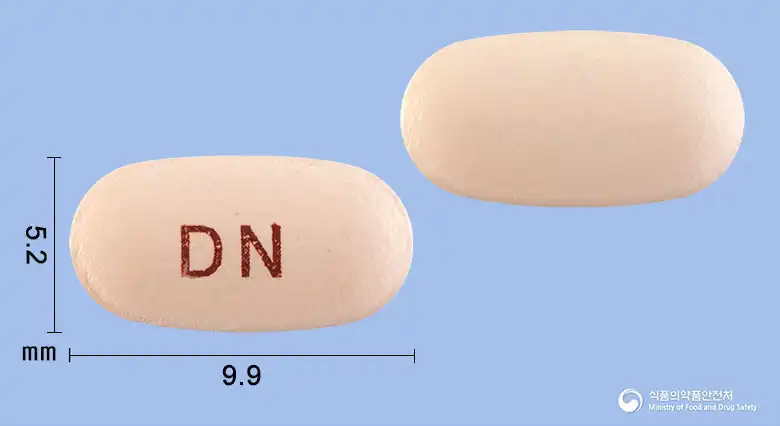
Mosagitine Sustained-Release Tablets 15 mg (Mosapride Citrate Hydrate)
Mosapride Citrate Dihydrate 4.23mg
Tablet · Prescription medication
Daehan New Pharm Co., Ltd.
MFDS item code 202003107 · Approved 2020.04.28
Relief of symptoms of functional dyspepsia (heartburn, nausea, etc.)
This medication is used to alleviate gastrointestinal symptoms such as heartburn, nausea, and vomiting occurring due to functional dyspepsia.
Adults: Administer 15 mg of mosapride citrate anhydrous orally once daily. Take this medicine on an empty stomach, away from meals (see Precautions for Use, “3. General Precautions, item 2)”). As this medicine is an extended-release formulation, do not break, crush, or chew it; swallow the tablet whole.
This medication contains lactose, so it should not be used by patients with a genetic disorder that prevents the digestion of lactose. While taking this medication, gastrointestinal symptoms such as nausea, abdominal discomfort, diarrhea, constipation, and vomiting may occur, so caution is advised. It may affect liver function, so if symptoms of hepatitis or jaundice appear, discontinue use immediately and consult a physician. Since hypersensitive reactions such as skin rashes, hives, and edema may occur, if such symptoms appear, stop taking the medication and inform your healthcare provider. Neurological symptoms such as dizziness, headache, and drowsiness have also been reported, so caution is needed when driving or operating machinery. Pregnant women or women who may become pregnant should use this medication only when the benefits of treatment are deemed greater than the risks, if it is necessary. In cases of breastfeeding, it is advisable to avoid taking this medication, and if it must be taken, it is safe to stop breastfeeding. Safety in children has not been established, so it is preferable not to use it in pediatric patients. Elderly individuals may have impaired kidney and liver function, so if adverse reactions occur while taking the medication, the dosage should be reduced or appropriate measures taken. Taking this medication with food may increase blood concentration, so it is generally recommended to take it on an empty stomach. Taking it with anticholinergic agents may reduce the effectiveness of this medication, so caution is needed such as maintaining intervals when used in combination. Keep out of the reach of children and be careful as transferring it to other containers may change its quality.
Not everyone experiences these, and they can vary from person to person.
This medication should be stored in a tightly sealed container to avoid exposure to air or light and is best kept at room temperature between 1 and 30 degrees Celsius. Storing it in this way can maintain the effectiveness of the medication for a long time.
Pink rectangular sustained-release film-coated tablet
30 tablets/bottle, 300 tablets/bottle
Even with the same ingredient, strength, dosage form and how it is taken can differ.
Viewing nowMosapride Citrate Dihydrate 4.23mg
Tablet · Prescription medication
Daehan New Pharm Co., Ltd.
Mosapride Citrate Dihydrate 5.29mg
Prescription medication
Daewoong Pharmaceutical Co., Ltd.
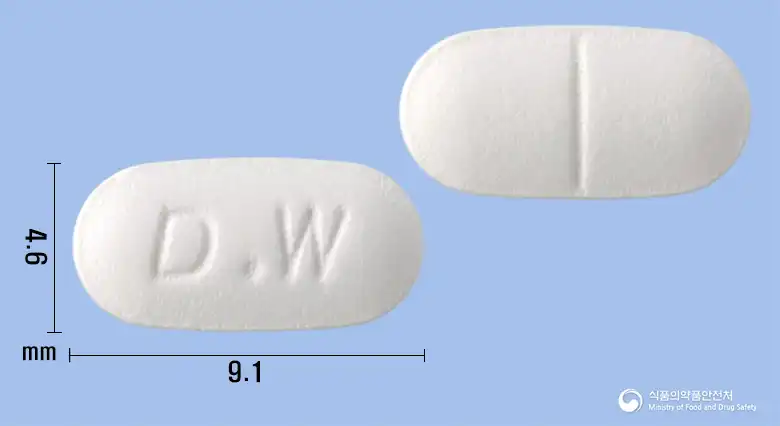
Mosapride Citrate Dihydrate 5.29mg
Tablet · Prescription medication
Daewoong Pharmaceutical Co., Ltd.
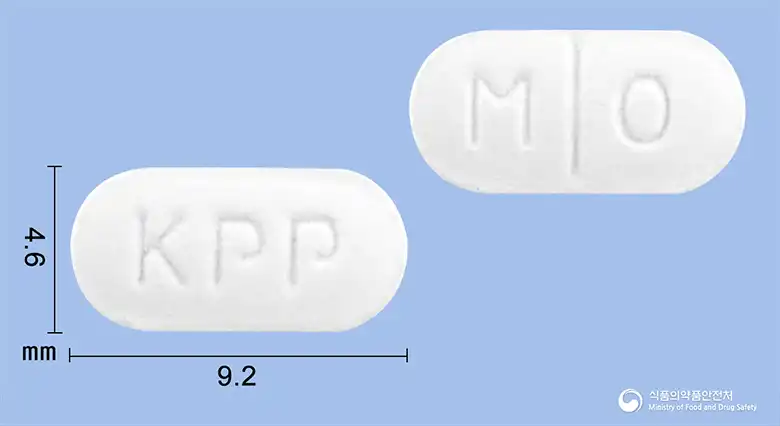
Mosapride Citrate Dihydrate 5.29mg
Tablet · Prescription medication
Korea Prime Pharmaceutical Co., Ltd.
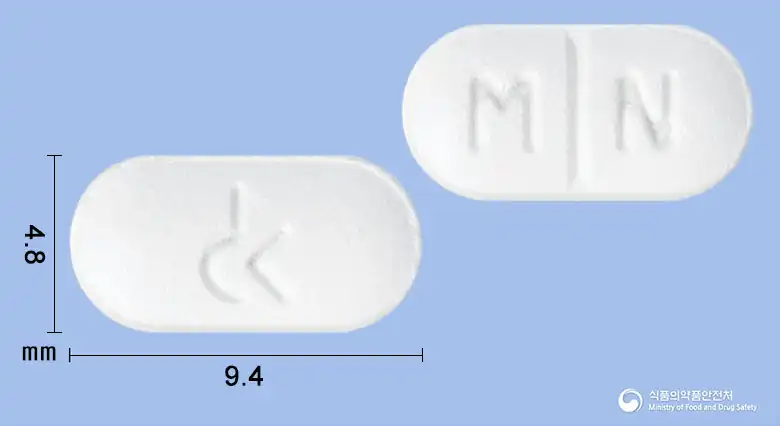
Mosapride Citrate Dihydrate 5.29mg
Tablet · Prescription medication
Dongkuk Pharmaceutical Co., Ltd.
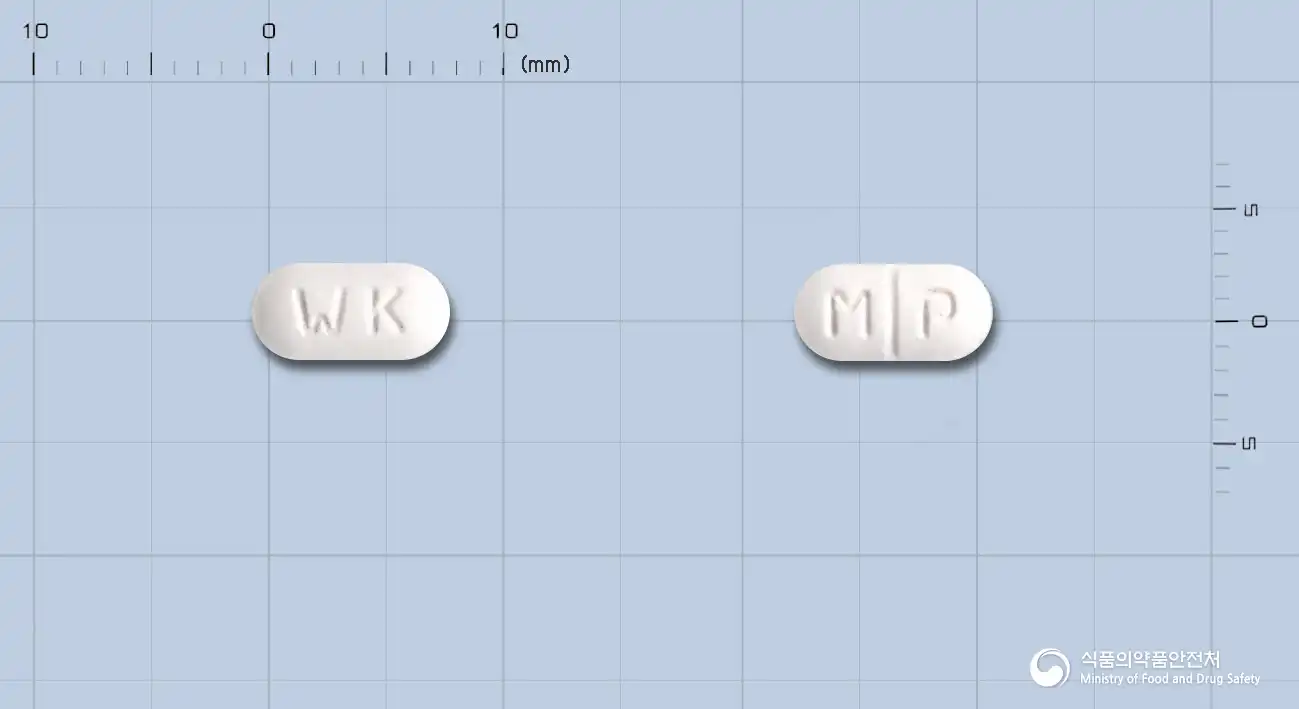
Mosapride Citrate Dihydrate 5.29mg
Tablet · Prescription medication
Austin Pharmaceutical Co., Ltd.
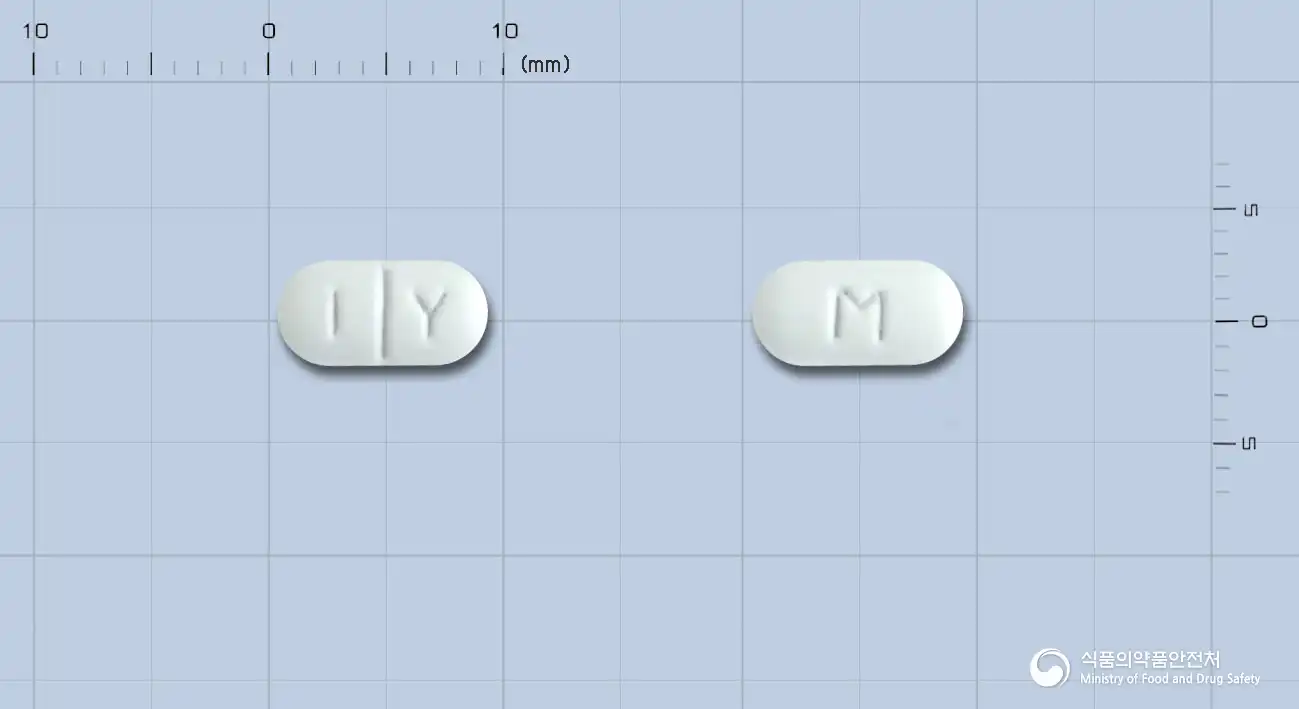
Mosapride Citrate Dihydrate 5.29mg
Tablet · Prescription medication
Il-Yang Pharmaceutical Co., Ltd.
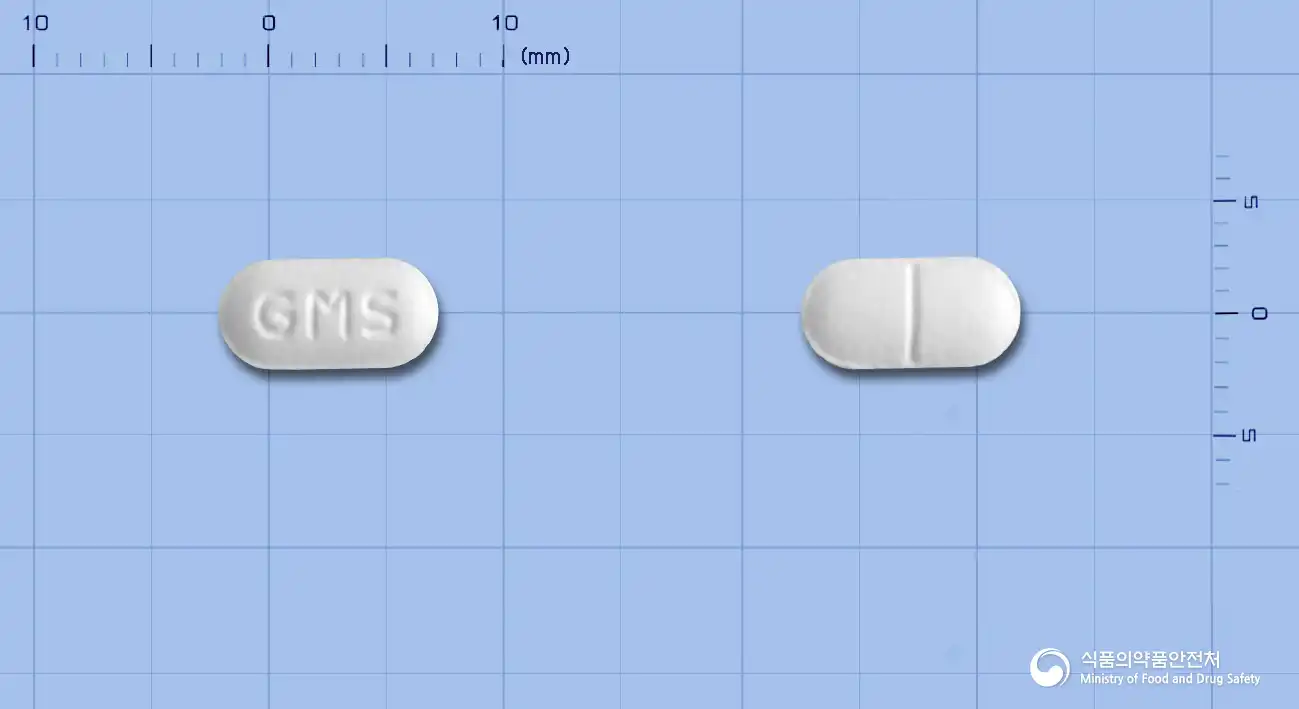
Mosapride Citrate Dihydrate 5.29mg
Tablet · Prescription medication
Kujoo Pharmaceutical Co., Ltd.
Even with the same ingredient, the dose and directions can differ by strength and dosage form. Talk to a doctor or pharmacist before switching from a medication you are already taking.
No questions yet.
For anything that needs medical judgment, consult a doctor or pharmacist.
This drug information is based on data provided by the Korea Ministry of Food and Drug Safety.
Consult a doctor or pharmacist for accurate dosage, administration, and usage instructions.