
 한국어
 English
 日本語
 中文(简体)
 Viewing now
Thioctacid Tablet 480 mg (R-Lipoic Acid Trometamol)
R-Thioctic Acid Tromethamine 480mg
Tablet · Prescription medication
Kunil Biopharm Co., Ltd.
MFDS item code 202003054 · Approved 2020.04.27 · Insurance code 073000040
Relief of diabetic polyneuropathy
This medication helps to alleviate nerve pain and discomfort caused by diabetic polyneuropathy. It is used to improve nerve function and enhance the quality of life for patients.
Adults: Take 480 milligrams of r-thioctic acid tromethamine salt once daily with plenty of water, approximately 30 minutes before breakfast.
This medicine should not be used by anyone allergic to R-Lipoic Acid Trometamol, thioctic acid, or any other ingredients in this medication. While taking this medicine, side effects such as sensory abnormalities, pain, headache, constipation, dry mouth, and cough may occur, and in rare cases, serious side effects like kidney stones or facial swelling may develop. Additionally, some patients taking this medication have reported symptoms such as dry mouth, muscle pain, nausea, decreased appetite, and insomnia. Individuals who frequently consume alcohol may experience reduced efficacy of this medication, so it is advisable to avoid drinking as much as possible, including during the period after stopping the medication. This medicine may be less effective if taken with metallic-containing foods like iron, magnesium preparations, or milk, so if this medication is taken in the morning, it is recommended to take iron or magnesium in the afternoon or evening. Moreover, when taken in conjunction with insulin or oral antidiabetic medications, this drug may cause blood sugar to drop too low, so blood sugar levels should be checked frequently during the initial period of use, and medication dosages should be adjusted as necessary. Women who are pregnant or breastfeeding should consult a physician before taking this medication and should only use it after carefully evaluating its benefits and risks. Use in individuals under the age of 18 is not recommended due to insufficient evidence of safety and efficacy. In cases of overdose, severe toxic symptoms may occur, so immediate medical attention should be sought for appropriate treatment. This medication should be stored in a tightly closed container to prevent exposure to air or moisture and is best kept at room temperature between 1 to 30 degrees Celsius, out of reach of children, and should not be transferred to other containers.
Not everyone experiences these, and they can vary from person to person.
This medication should be stored in a tightly closed container to prevent air or moisture from entering. It is advisable to maintain the storage temperature between 1 to 30 degrees Celsius.
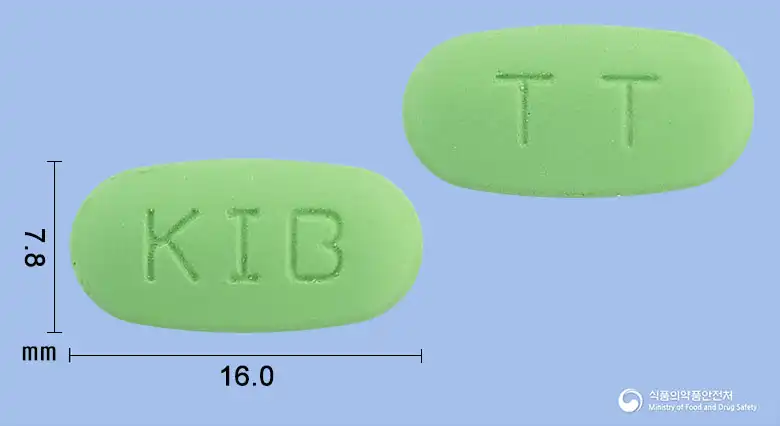
Light green, oblong, film-coated tablet
30 tablets/bottle, 100 tablets/bottle
Even with the same ingredient, strength, dosage form and how it is taken can differ.
Viewing nowR-Thioctic Acid Tromethamine 480mg
Tablet · Prescription medication
Kunil Biopharm Co., Ltd.
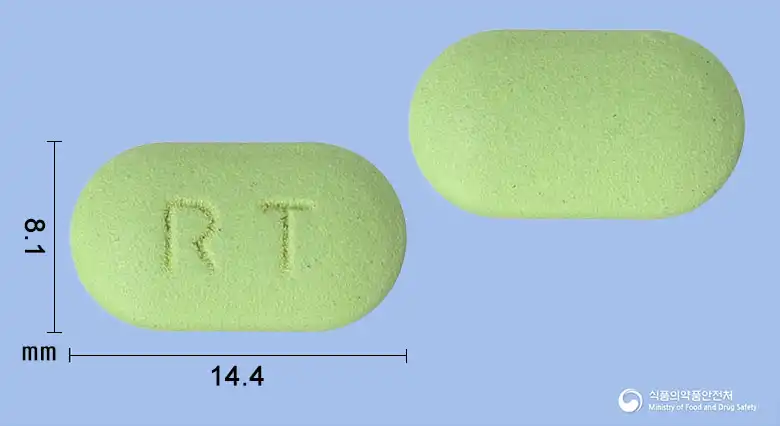
R-Thioctic Acid Tromethamine 480mg
Tablet · Prescription medication
Bukwang Pharmaceutical Co., Ltd.
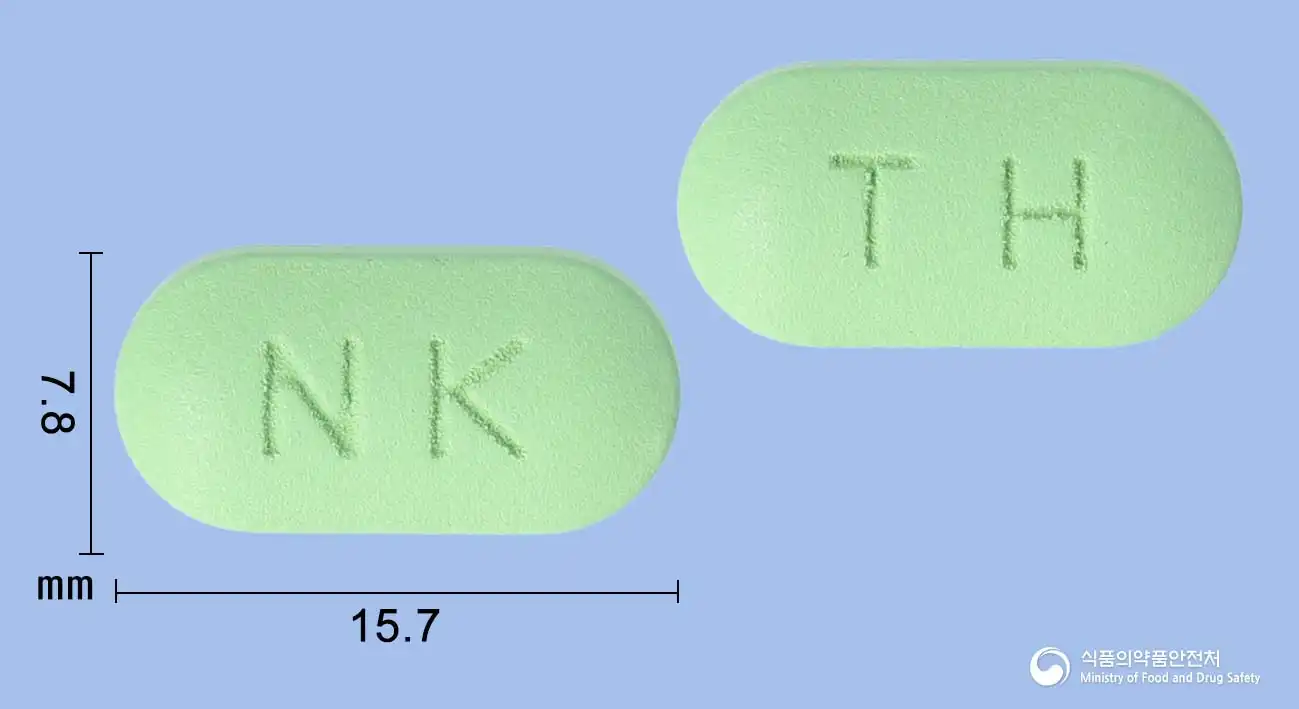
R-Thioctic Acid Tromethamine 480mg
Tablet · Prescription medication
NexPharm Korea Co., Ltd.
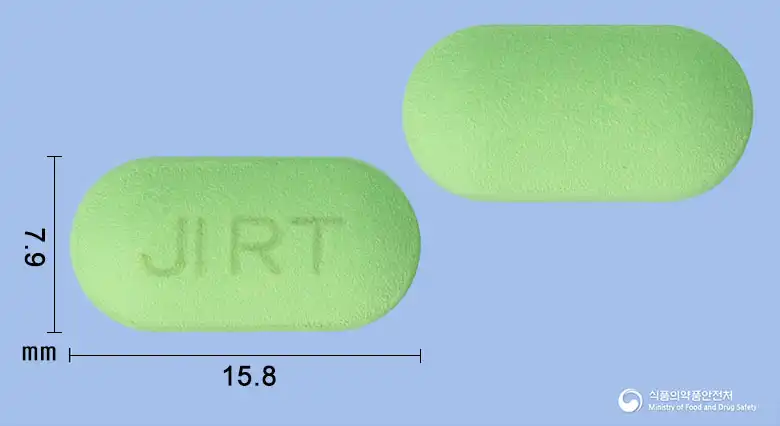
R-Thioctic Acid Tromethamine 480mg
Tablet · Prescription medication
Jeil Pharmaceutical Co., Ltd.
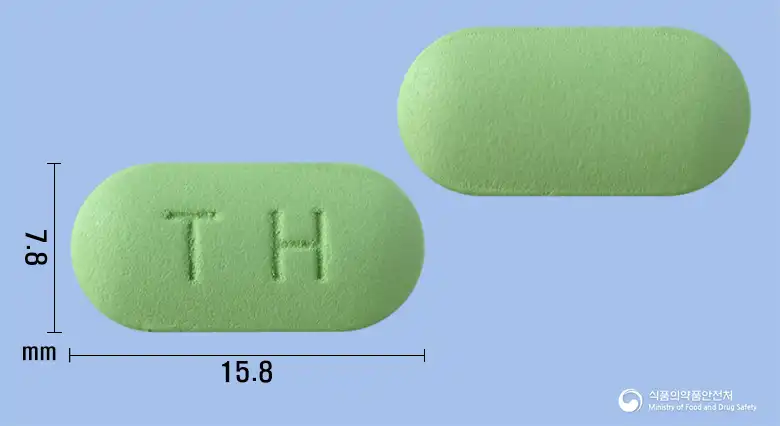
R-Thioctic Acid Tromethamine 480mg
Tablet · Prescription medication
Korea Prime Pharm, Co., Ltd.
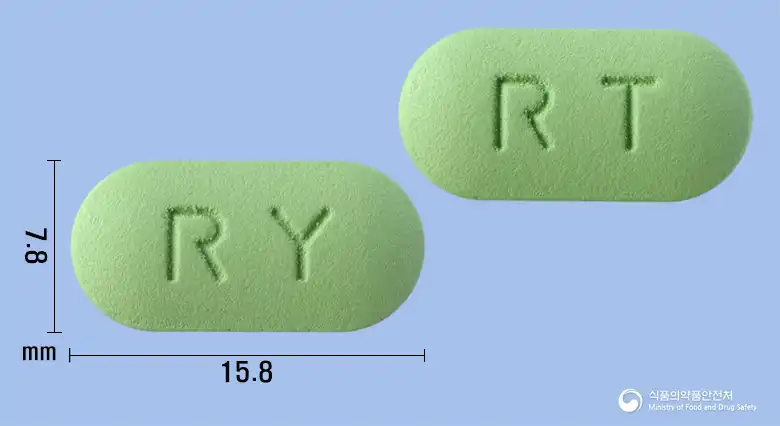
R-Thioctic Acid Tromethamine 480mg
Tablet · Prescription medication
IYON Pharmaceutical Co., Ltd.
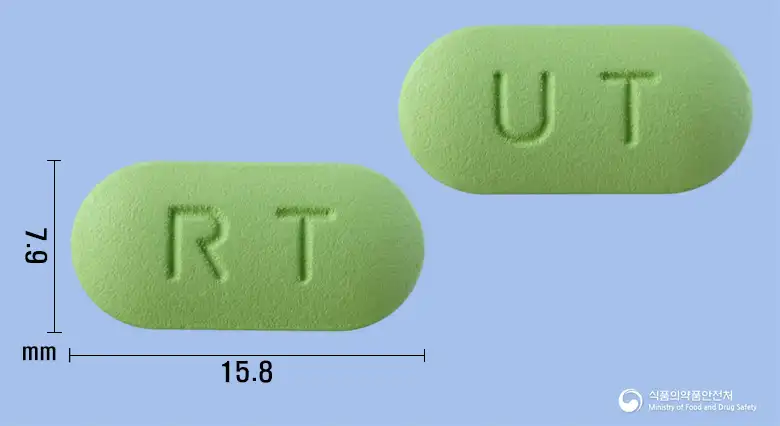
R-Thioctic Acid Tromethamine 480mg
Tablet · Prescription medication
Korea United Pharmaceutical Co., Ltd.
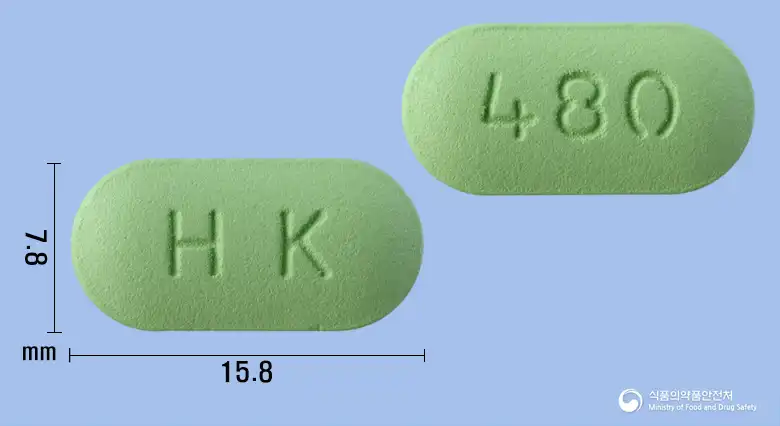
R-Thioctic Acid Tromethamine 480mg
Tablet · Prescription medication
Korea Chorus Co., Ltd.
Even with the same ingredient, the dose and directions can differ by strength and dosage form. Talk to a doctor or pharmacist before switching from a medication you are already taking.
No questions yet.
For anything that needs medical judgment, consult a doctor or pharmacist.
This drug information is based on data provided by the Korea Ministry of Food and Drug Safety.
Consult a doctor or pharmacist for accurate dosage, administration, and usage instructions.