
 한국어
 English
 日本語
 中文(简体)
 Viewing now
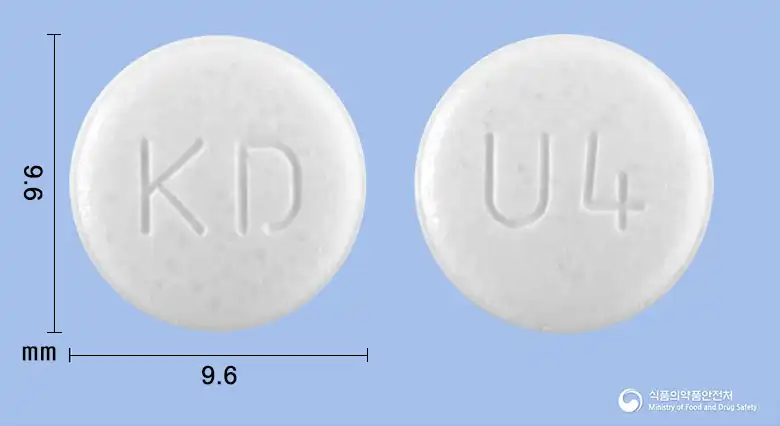
Uronal Sustained Release Tablet 0.4 mg (Tamsulosin Hydrochloride)
Tamsulosin Hydrochloride 0.4mg
Tablet · Prescription medication
Kyung Dong Pharmaceutical Co., Ltd.
MFDS item code 202003007 · Approved 2020.04.24 · Insurance code 648104510
Relief of urinary difficulties associated with benign prostatic hyperplasia
This medication is used to improve urinary disorders caused by benign prostatic hyperplasia, specifically the symptom of difficulty urinating.
Adults: Administer 0.4mg of tamsulosin hydrochloride orally once daily after a meal. Swallow this medicine whole; do not crush or chew it.
This medication should not be used in patients with hypersensitivity to this drug or its components. Caution is required when administering to patients with orthostatic hypotension as symptoms may worsen. Patients with severely impaired liver function should avoid this medication as its blood concentration may increase. This medication should not be used in women who are pregnant or may become pregnant. In patients with severely impaired kidney function, careful administration is required as blood concentration may increase. Elderly patients require special attention, and potential interactions with other drugs should also be considered. Particularly, caution should be exercised when taken together with antihypertensives, PDE5 inhibitors, CYP3A4 inhibitors, and alpha-1 blockers as side effects such as orthostatic hypotension may occur. This medication may cause various side effects including abdominal discomfort, dizziness, headache, diarrhea, dyspepsia, and itching; therefore, if any unusual symptoms occur, consult a physician immediately. In the case of overdose, blood pressure may drop sharply, so the prescribed dosage must be strictly adhered to. Dizziness or drowsiness may occur during the use of this medication, so caution is advised while driving or operating hazardous machinery. Prostate cancer and benign prostatic hyperplasia may present with similar symptoms, making it important to check for prostate cancer before administration. This medication may rarely cause serious side effects such as priapism; if symptoms persist, contact medical personnel immediately. Patients with sulfa drug allergies should use caution when taking this medication. Tablets should be taken out of the PTP packaging for use, and in the case of a sustained release formulation, they should be swallowed whole without chewing. Store out of reach of children, and it is advisable not to transfer to another container.
Not everyone experiences these, and they can vary from person to person.
This medication should be stored in a tightly sealed container to protect it from air and moisture, and it is recommended to keep it at room temperature between 1 degree and 30 degrees Celsius. Proper storage will help maintain the medication's effectiveness and prevent deterioration.
A round sustained release tablet that is white with pale yellow spots.
30 tablets/box [10 tablets/PTP X 3 packs]
Even with the same ingredient, strength, dosage form and how it is taken can differ.
Viewing nowTamsulosin Hydrochloride 0.4mg
Tablet · Prescription medication
Kyung Dong Pharmaceutical Co., Ltd.
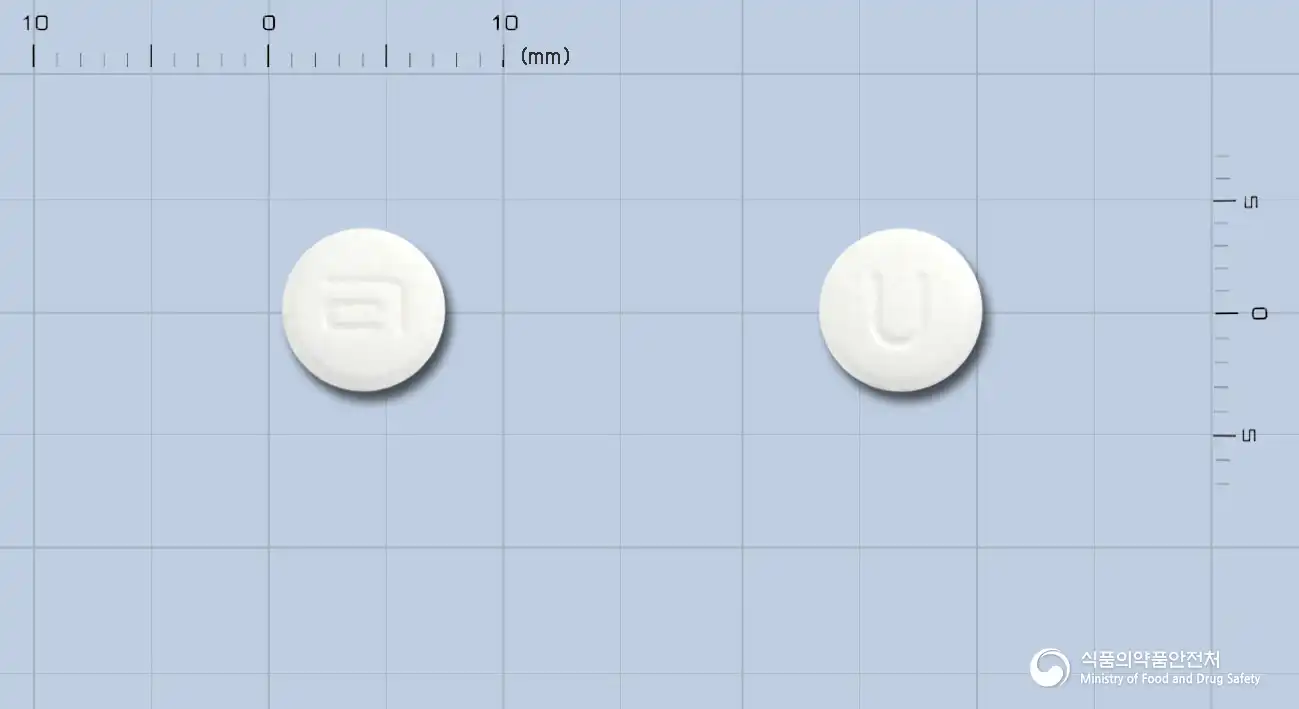
Tamsulosin Hydrochloride 0.2mg
Tablet · Prescription medication
Kyungdong Pharmaceutical Co., Ltd.
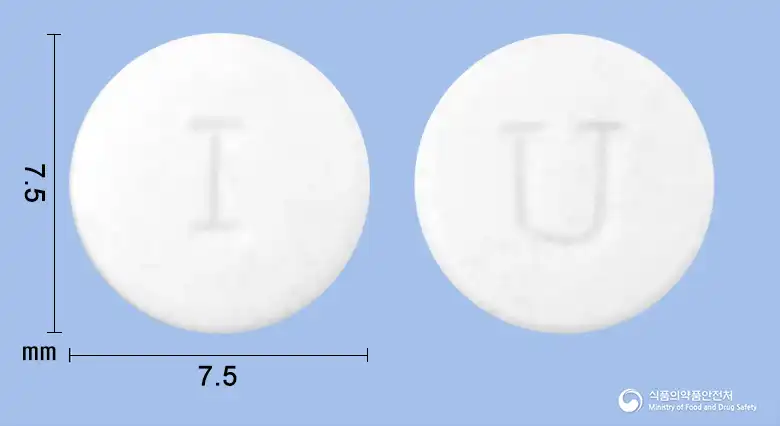
Tamsulosin Hydrochloride 0.2mg
Tablet · Prescription medication
Il Dong Pharmaceutical Co., Ltd.
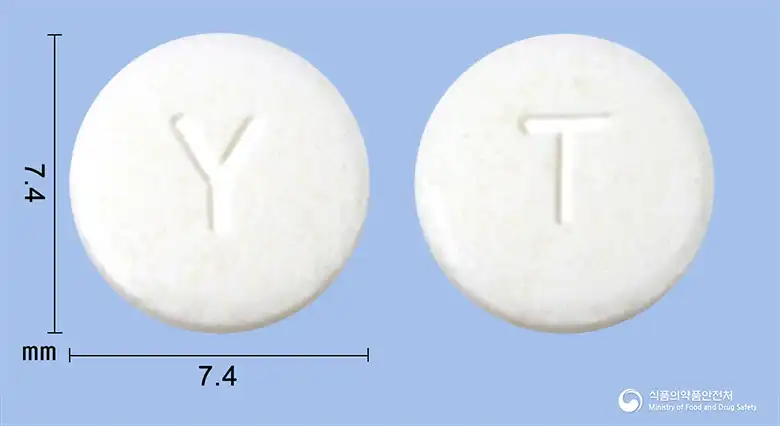
Tamsulosin Hydrochloride 0.2mg
Tablet · Prescription medication
Yuhan Corporation
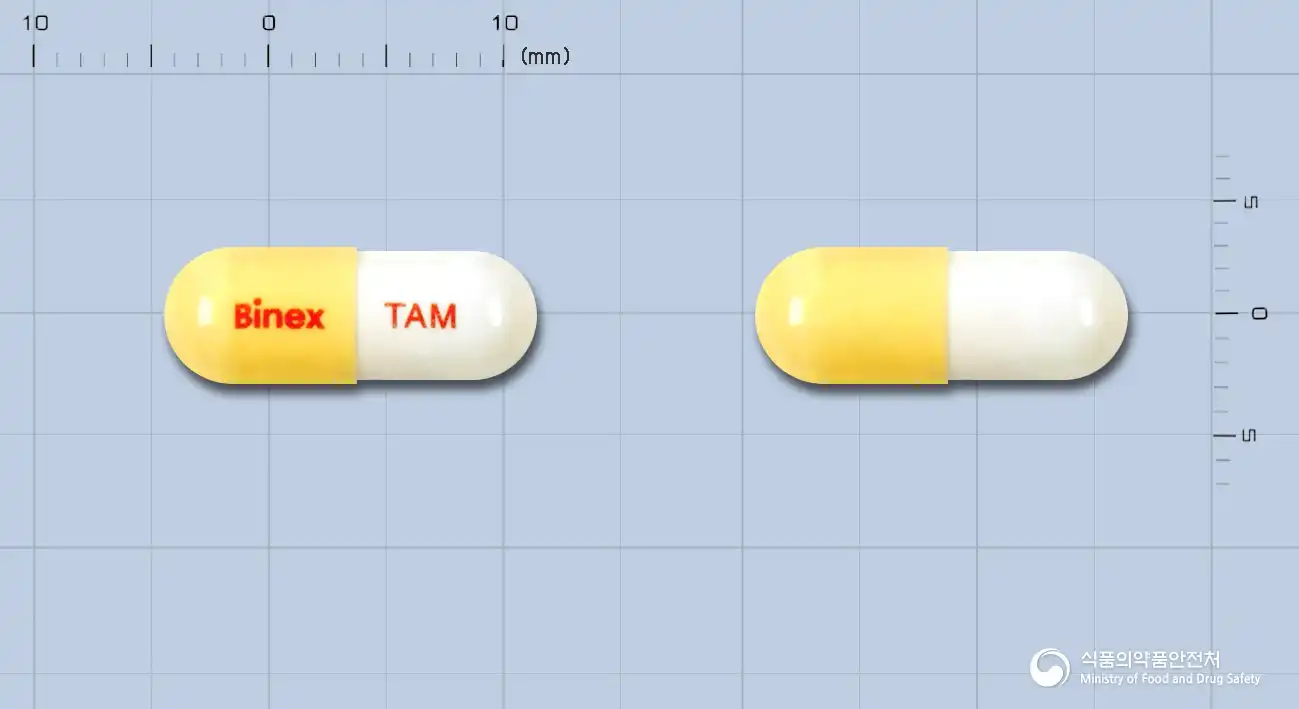
Tamsulosin Hydrochloride 0.2mg
Prescription medication
Bynex Co., Ltd.
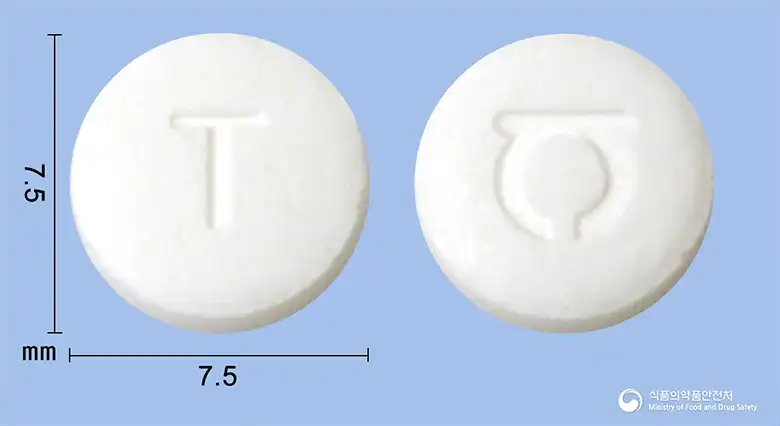
Tamsulosin Hydrochloride 0.2mg
Tablet · Prescription medication
Youngjin Pharmaceutical Co., Ltd.
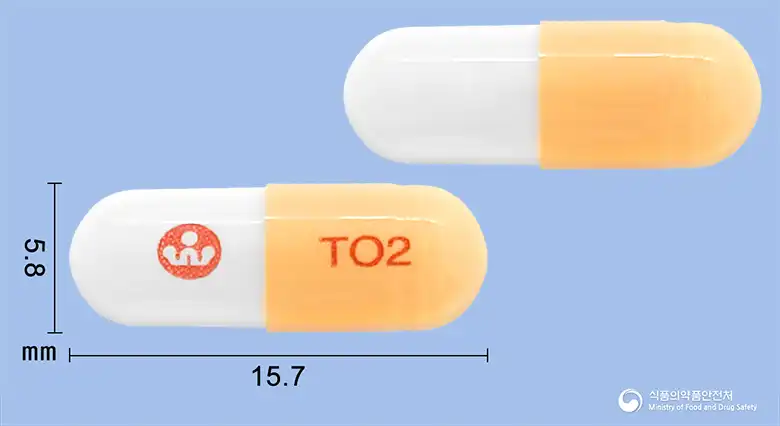
Tamsulosin Hydrochloride 0.2mg
Prescription medication
Han-in Pharmaceutical Co., Ltd.
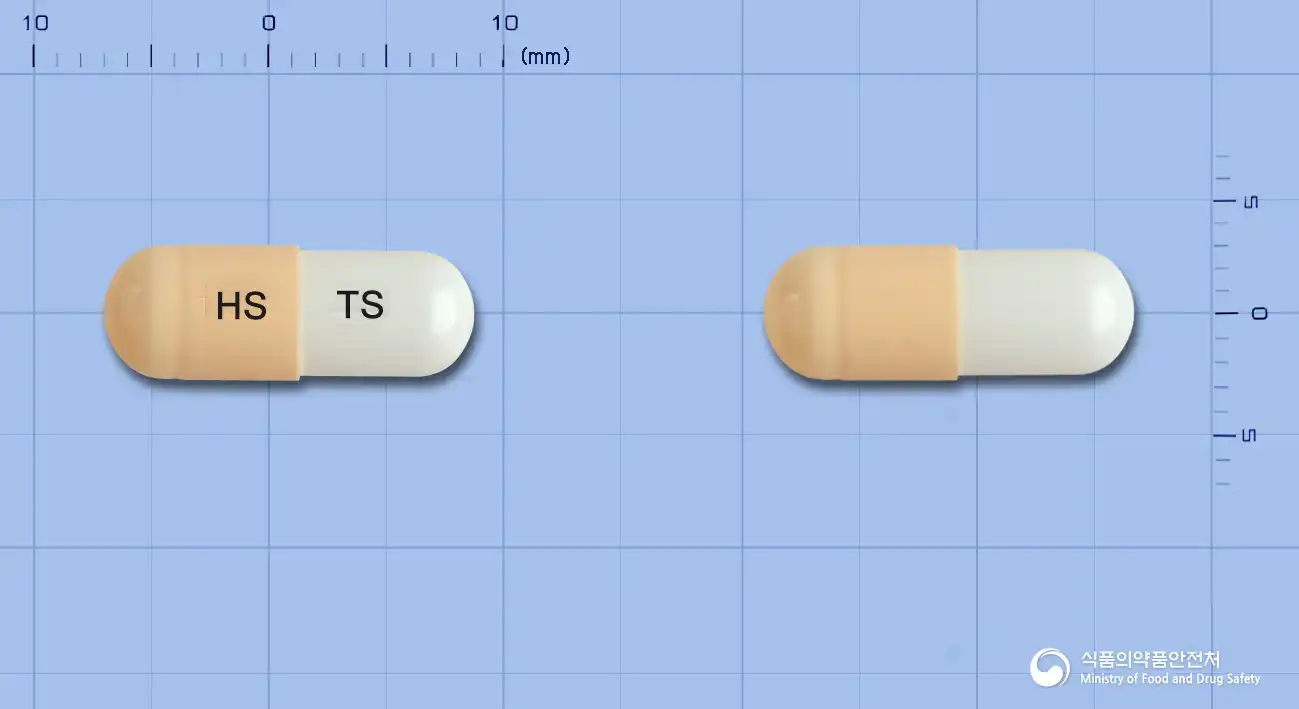
Tamsulosin Hydrochloride 0.2mg
Hard capsule · Prescription medication
Huons Co., Ltd.
Even with the same ingredient, the dose and directions can differ by strength and dosage form. Talk to a doctor or pharmacist before switching from a medication you are already taking.
No questions yet.
For anything that needs medical judgment, consult a doctor or pharmacist.
This drug information is based on data provided by the Korea Ministry of Food and Drug Safety.
Consult a doctor or pharmacist for accurate dosage, administration, and usage instructions.