
 한국어
 English
 日本語
 中文(简体)
 Viewing now
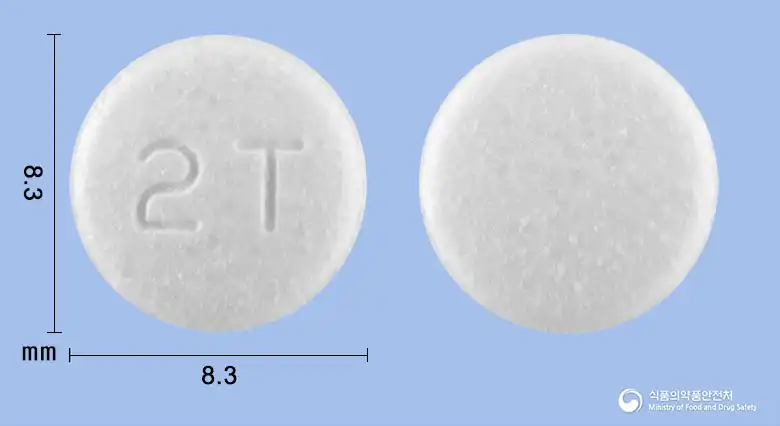
Tamsol Extended-Release Tablet 0.2 mg (Tamsulosin Hydrochloride)
Tamsulosin Hydrochloride 0.2mg
Tablet · Prescription medication
Celltrion Pharmaceutical Co., Ltd.
MFDS item code 202002981 · Approved 2020.04.24 · Insurance code 693903220
Improvement of voiding disorders associated with benign prostatic hyperplasia
This medication is used to improve urination disorders caused by benign prostatic hyperplasia.
Adults: Administer 0.2mg of tamsulosin hydrochloride orally once daily after a meal. Swallow this medicine whole; do not crush or chew it. Adjust the dose appropriately according to symptoms.
This medication should not be administered to specific patients. First, it should not be used in patients who have had allergic reactions to this medication or its components. Additionally, it is not administered to patients with orthostatic hypotension as their symptoms may worsen. Patients with severely impaired liver function should also avoid this medication due to the possibility of increased blood concentration. It is safest for women who are pregnant or may become pregnant to not take this medication. Patients with severely reduced kidney function need to be cautious as this medication may increase blood concentration levels. In the elderly, drug responses may vary due to decreased bodily functions, requiring careful administration. Patients taking other antihypertensive medications or certain cardiovascular drugs should be cautious because interactions with this medication may lead to exacerbated drops in blood pressure. In particular, there is an increased risk of hypotension when taken with PDE5 inhibitors or CYP3A4 inhibitors. Patients already taking alpha-1 blockers primarily should not use this medication, but it may be carefully considered only when necessary with vigilance regarding the risk of orthostatic hypotension. Patients with a history of urination syncope should also exercise caution when using this medication. Taking this medication may cause a sudden drop in blood pressure, leading to fainting or loss of consciousness, so symptoms should be carefully monitored. Dizziness, headache, drowsiness, insomnia, and decreased libido may manifest as neuropsychiatric symptoms. Rapid or irregular heartbeats can occur, alongside symptoms of low blood pressure and orthostatic hypotension. If skin rashes, itching, or hives appear as allergic reactions, administration should be immediately stopped. Gastrointestinal symptoms such as dyspepsia, nausea, vomiting, constipation, and diarrhea have also been reported. There may be evidence of liver function abnormalities or jaundice, so any unusual symptoms should be promptly discussed with medical personnel. Various adverse reactions, including nasal congestion, nosebleeds, swelling, gynecomastia, priapism, and blurred vision, may occur, necessitating caution. Overdosing on this medication may cause blood pressure to drop too low, so prescribed dosages must be strictly adhered to. Blood pressure can drop when standing up or changing position, thus slow movements are recommended. This medication serves as a treatment to alleviate symptoms; if ineffective, other treatment methods such as surgery should be considered. Dizziness or drowsiness may occur, so caution is necessary when driving or operating machinery. As benign prostatic hyperplasia and prostate cancer share similar symptoms, it is essential to verify the presence of prostate cancer before administration. This medication can rarely cause priapism, necessitating swift treatment if this condition persists. Patients scheduled for cataract or glaucoma surgery must inform the doctor of this medication as certain ocular complications may occur during the procedure. Patients with allergies to sulfa drugs should be cautious about the possibility of allergic reactions when administering this medication. This medication may significantly lower blood pressure when taken with other antihypertensives or specific drugs, necessitating caution in drug combinations. Particularly, taking it with PDE5 inhibitors poses risks of excessive blood pressure reduction, so consulting with medical professionals is essential. Interactions may also occur with some antifungals, antibiotics, and antidepressants, so currently taken medications must be disclosed. This medication is not for use in women or children. In the elderly, renal function is often diminished, thus treatment should start at a low dose while monitoring progress. When taking the medication, remove it from the packaging and do not chew or open the capsule. As it is an extended-release formulation designed for slow drug release, chewing may alter its effects. It should be taken with water and not while lying down. Medications should be kept out of reach of children and transferring them to other containers should be avoided.
Not everyone experiences these, and they can vary from person to person.
This medication must be stored in a tightly sealed container to avoid exposure to air or moisture and should be kept at room temperature between 1 to 30 degrees Celsius for safety.
A round extended-release tablet that is white with light yellow specks.
30 tablets/box [10 tablets/PTP x 3]
Even with the same ingredient, strength, dosage form and how it is taken can differ.
Viewing nowTamsulosin Hydrochloride 0.2mg
Tablet · Prescription medication
Celltrion Pharmaceutical Co., Ltd.
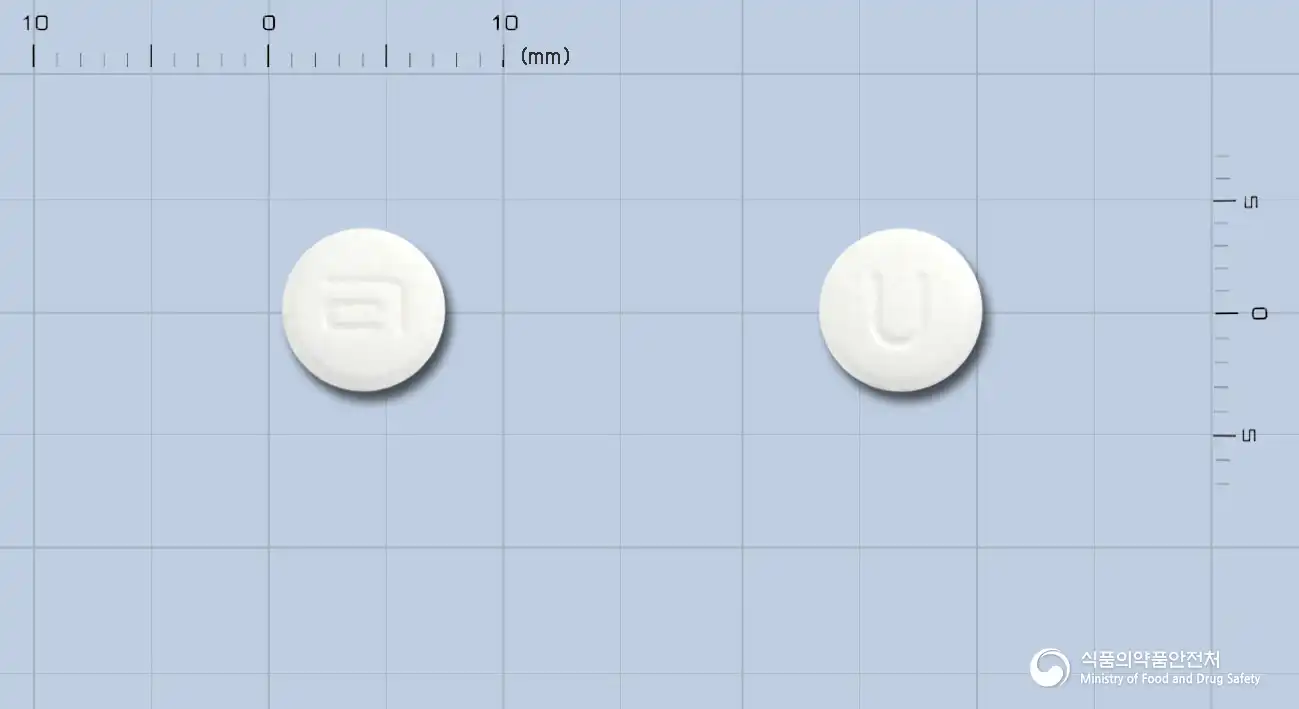
Tamsulosin Hydrochloride 0.2mg
Tablet · Prescription medication
Kyungdong Pharmaceutical Co., Ltd.
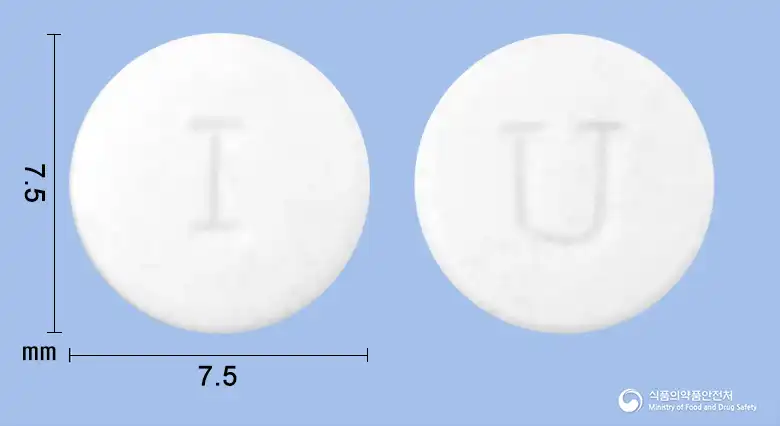
Tamsulosin Hydrochloride 0.2mg
Tablet · Prescription medication
Il Dong Pharmaceutical Co., Ltd.
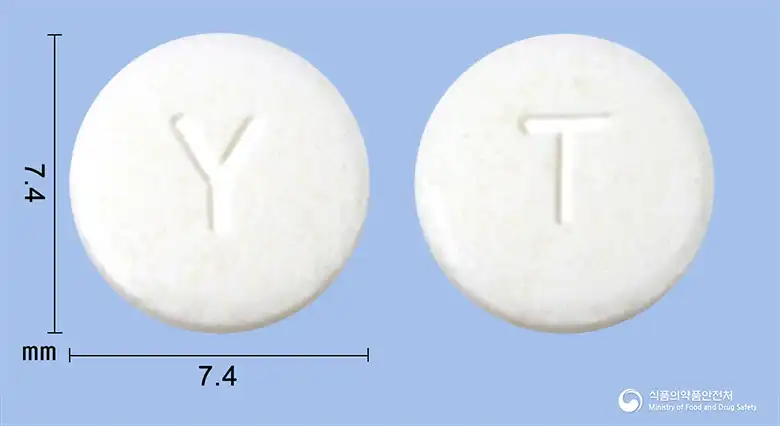
Tamsulosin Hydrochloride 0.2mg
Tablet · Prescription medication
Yuhan Corporation
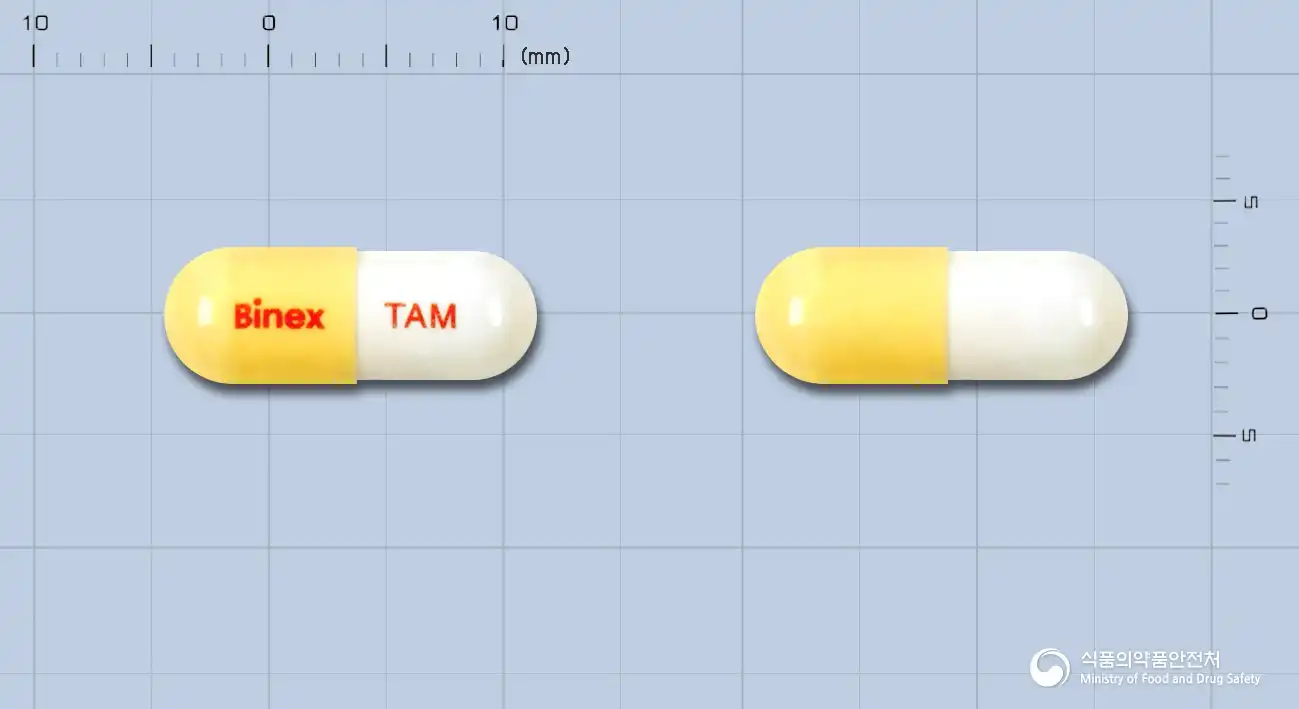
Tamsulosin Hydrochloride 0.2mg
Prescription medication
Bynex Co., Ltd.
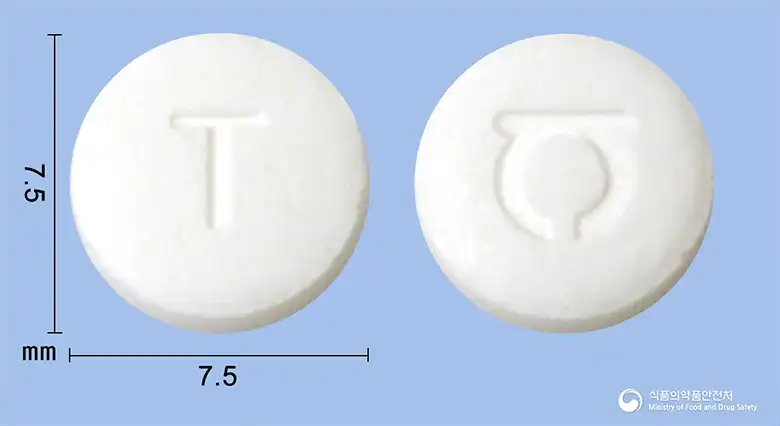
Tamsulosin Hydrochloride 0.2mg
Tablet · Prescription medication
Youngjin Pharmaceutical Co., Ltd.
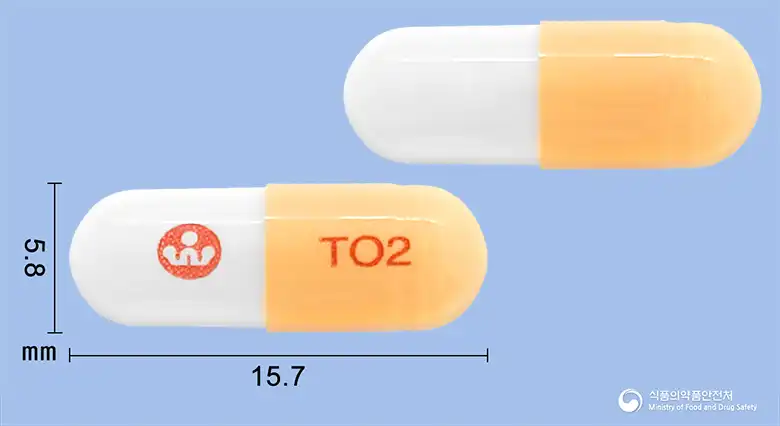
Tamsulosin Hydrochloride 0.2mg
Prescription medication
Han-in Pharmaceutical Co., Ltd.
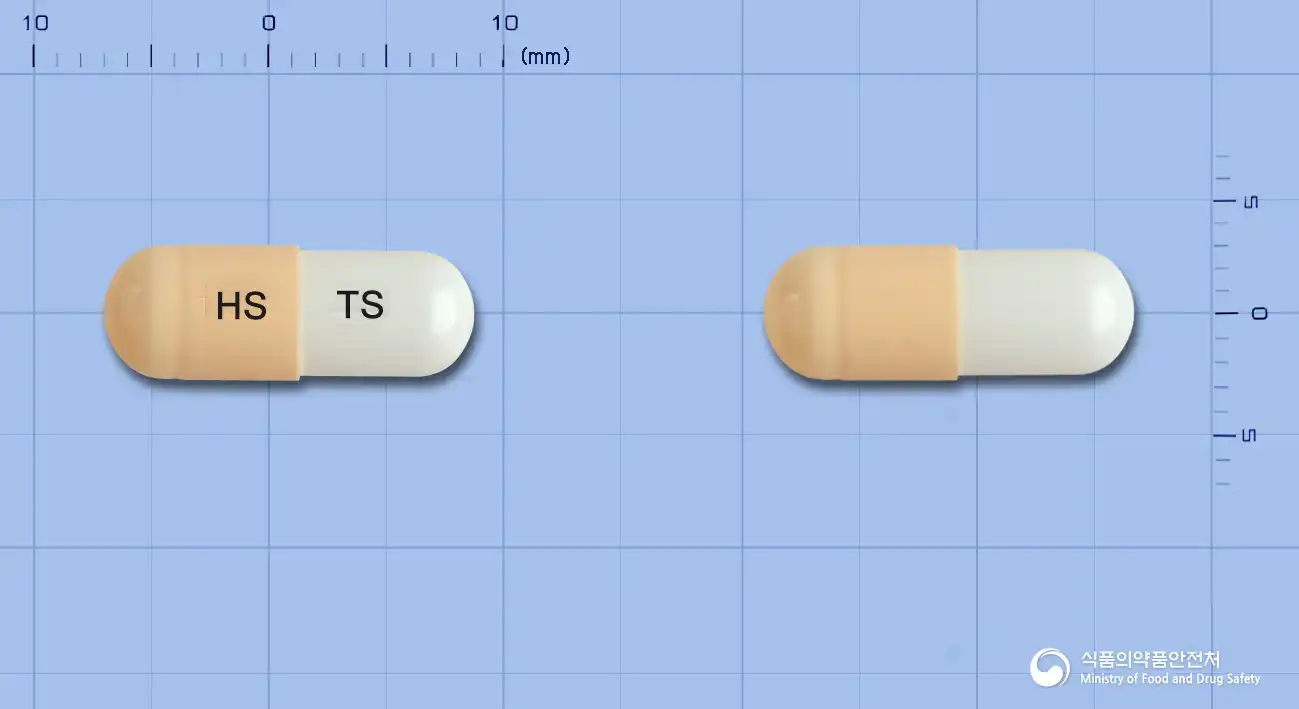
Tamsulosin Hydrochloride 0.2mg
Hard capsule · Prescription medication
Huons Co., Ltd.
Even with the same ingredient, the dose and directions can differ by strength and dosage form. Talk to a doctor or pharmacist before switching from a medication you are already taking.
No questions yet.
For anything that needs medical judgment, consult a doctor or pharmacist.
This drug information is based on data provided by the Korea Ministry of Food and Drug Safety.
Consult a doctor or pharmacist for accurate dosage, administration, and usage instructions.