
 한국어
 English
 日本語
 中文(简体)
 Viewing nowCombination
Olmesartan Medoxomil/Amlodipine Besylate/Hydrochlorothiazide Tablet 10/40/12.5 Milligrams
Olmesartan Medoxomil 40mg · Amlodipine Besylate 13.888mg +1 more
Tablet · Prescription medication · Combination
Medica Korea Co., Ltd.
MFDS item code 202002973 · Approved 2020.04.24 · Insurance code 646005430
Treatment of essential hypertension not controlled with amlodipine and olmesartan combination therapy
For patients with essential hypertension, if blood pressure is not adequately controlled with the combination therapy of amlodipine and olmesartan medoxomil, additional treatment or medication adjustment may be necessary. It is important to manage blood pressure consistently in essential hypertension, and these medications help to lower blood pressure by dilating blood vessels. If the current treatment is insufficient, consulting with a healthcare professional to readjust the treatment plan is advised. The treatment goal is to manage blood pressure consistently to reduce cardiovascular disease risk. This medication is used to improve health status through consistent blood pressure control.
Take 1 tablet once daily with water, with or without food. If possible, it is recommended to take the medicine at the same time every day (e.g., in the morning). Before administering this medicine, it is recommended that the dose be adjusted using the individual components (olmesartan medoxomil and amlodipine as monotherapy or combination therapy). However, if blood pressure is not controlled with combination therapy with amlodipine and olmesartan medoxomil, switching directly to this medicine may be considered as follows. The maximum dose of this medicine is 10/40/25mg as amlodipine/olmesartan medoxomil/hydrochlorothiazide. Since the maximum blood pressure-lowering effect occurs within 2 weeks of administration, adjust the dose at intervals of at least 2 weeks, taking the patient's blood pressure response into consideration. The recommended doses are as follows. - 5/20/12.5mg: Administer to patients whose blood pressure is not adequately controlled with combination therapy of amlodipine/olmesartan medoxomil 5/20mg. - 5/40/12.5mg: Administer to patients whose blood pressure is not adequately controlled with combination therapy of amlodipine/olmesartan medoxomil 5/40mg or with this medicine 5/20/12.5mg. - 5/40/25mg: Administer to patients whose blood pressure is not adequately controlled with this medicine 5/40/12.5mg. - 10/40/12.5mg: Administer to patients whose blood pressure is not adequately controlled with combination therapy of amlodipine/olmesartan medoxomil 10/40mg or with this medicine 5/40/12.5mg. - 10/40/25mg: Administer to patients whose blood pressure is not adequately controlled with this medicine 5/40/25mg or this medicine 10/40/12.5mg. ※ Refer to the following dose-escalation schedule. (The amounts of each component are listed in the order amlodipine/olmesartan medoxomil/hydrochlorothiazide.) 5/20/0mg → 5/20/12.5mg ↓ 5/40/0mg → 5/40/12.5mg → 5/40/25mg ↓ ↓ 10/40/0mg → 10/40/12.5mg → 10/40/25mg Patients with renal impairment The maximum dose of this medicine in patients with mild or moderate renal impairment (creatinine clearance 30-60mL/min) is 20/5/12.5 milligrams once daily. For patients with moderate renal impairment, monitoring of potassium and creatinine levels is recommended. This medicine should not be administered to patients with severe renal impairment (creatinine clearance < 30mL/min). Patients with hepatic impairment Use with caution in patients with mild or moderate hepatic impairment. The maximum dose of this medicine in patients with moderate hepatic impairment is 5/20/12.5 milligrams once daily. Blood pressure and renal function should be closely monitored in patients with hepatic impairment. This medicine should not be administered to patients with severe hepatic impairment. Elderly patients (65 years and older) In general, treatment should be initiated at a low dose. When adjusting the dose, the patient's renal or cardiac function and comorbidities should be considered. Blood pressure should be monitored closely and more frequently in elderly patients. Since there is very limited experience with the use of this medicine in elderly patients 75 years of age and older, patients in this age group should be monitored very carefully during treatment.
The safety and efficacy of this medicine in pediatric patients under 18 years of age have not been established; therefore, its use is not recommended.
This medication can cause serious harm to the fetus and newborn in the second and third trimesters of pregnancy, so it must be discontinued immediately if pregnancy is confirmed. Patients with allergies to this medication or related drugs, or who have certain heart, kidney, or liver diseases should not take this medication. This medication is not suitable for patients with very low blood pressure or acute heart failure, severe kidney, or liver impairments. Patients with reduced blood volume or impaired kidney function, as well as those with certain heart valve diseases, should be cautious as this medication may cause hypotension or worsen kidney function. As this medication lowers blood pressure, it may cause dizziness or drowsiness, so caution should be taken when driving or operating dangerous machinery. During the use of this medication, regular checks of electrolyte levels and kidney function are necessary to ensure there are no abnormalities. Especially, patients with diabetes or impaired kidney function should not take this medication with certain others and should closely monitor blood pressure and kidney function while on this medication. This medication may cause sensitive skin reactions or photosensitivity in some patients, therefore protection from sun exposure is necessary, and any abnormal symptoms should be discussed with a physician. Elderly patients may be more sensitive to this medication, so starting with a low dose and using it cautiously is recommended. In cases of overdose, cardiovascular abnormalities such as hypotension and palpitations may occur, necessitating an immediate visit to a medical institution for appropriate treatment. The safety and efficacy of this medication has not been established in children, so its use is not recommended. Breastfeeding women should discontinue breastfeeding or stop taking this medication as its components may be transferred into breast milk. This medication should be stored in a location that avoids humidity, heat, and direct sunlight, out of reach of children.
Peripheral edema, headache, dizziness, upper respiratory tract infection, nasopharyngitis, urinary tract infection, sialadenitis, leukopenia, thrombocytopenia, bone marrow suppression, neutropenia, agranulocytosis, hemolytic anemia, aplastic anemia, anaphylactic reaction, drug hypersensitivity, hyperkalemia, hypokalemia, anorexia, diabetes, hypercalcemia, hyperglycemia, hypomagnesemia, hyponatremia, hypochloremia, hypertriglyceridemia, hypercholesterolemia, hyperuricemia, hypochloremic alkalosis, hyperamylasemia, confusional state, depression, apathy, sensitivity to stimulation, restlessness, mood changes, sleep disorders, hypertonicity, sensory loss, paresthesia, peripheral neuropathy, drowsiness, fainting, convulsions, loss of appetite, tremor, visual disturbances, decreased tear production, worsening of myopia, jaundice, dizziness, tinnitus, palpitations, tachycardia, myocardial infarction, arrhythmia, angina pectoris, hypotension, flushing, orthostatic hypotension, vasculitis, thrombosis, embolism, cough, bronchitis, dyspnea, pharyngitis, rhinitis, acute interstitial pneumonia, respiratory distress syndrome, pulmonary edema, diarrhea, nausea, constipation, dry mouth, abdominal pain, change in bowel habits, distension, dyspepsia, gastritis, gastric discomfort, gastroenteritis, gingival hyperplasia, paralytic ileus, pancreatitis, vomiting, hepatitis, jaundice, acute cholecystitis, autoimmune hepatitis, hair loss, angioedema, allergic dermatitis, erythema multiforme, erythema, lupus erythematosus-like skin reaction, pustular rash, exfoliative dermatitis, hyperhidrosis, photosensitivity reaction, pruritus, purpura, Quincke's edema, rash, recurrence of lupus erythematosus erythema, toxic skin necrosis, skin discoloration, Stevens-Johnson syndrome, urticaria, muscle cramping, joint swelling, muscle weakness, ankle edema, arthralgia, arthritis, low back pain, paresis, myalgia, bone pain, frequent urination, acute renal failure, hematuria, urinary dysfunction, nocturia, interstitial nephritis, renal failure, erectile dysfunction, gynecomastia, asthenia, fatigue, chest pain, fever, influenza-like symptoms, lethargy, malaise, edema, pain, facial swelling, elevated blood creatinine, elevated blood urea nitrogen, elevated blood uric acid, decreased blood potassium, elevated gamma-glutamyl transferase, elevated alanine aminotransferase, elevated aspartate aminotransferase, elevated liver enzymes, elevated blood creatine phosphokinase, weight loss, weight gain, rhabdomyolysis, chronic malabsorption, intestinal vascular edema, altered consciousness, drug hypersensitivity, epigastric pain, decreased libido, parched edema, asthenia, loss of consciousness, eczema, limb pain, slight decrease in average hemoglobin and hematocrit levels, dizziness, benign prostatic hyperplasia, benign salivary gland neoplasm, cerebral infarction, renal failure, abdominal distension, facial flushing, epistaxis, prostatic hyperplasia, prostatitis, dysphagia, papular rash, renal cell dysplasia, acute hearing loss, lymphadenitis, acute respiratory distress syndrome
Not everyone experiences these, and they can vary from person to person.
This medication may be sensitive to air or moisture, so it should be stored in a tightly sealed container. A storage temperature between 1 degree and 30 degrees Celsius is advisable. Storing it this way helps to maintain the medication's efficacy over time.
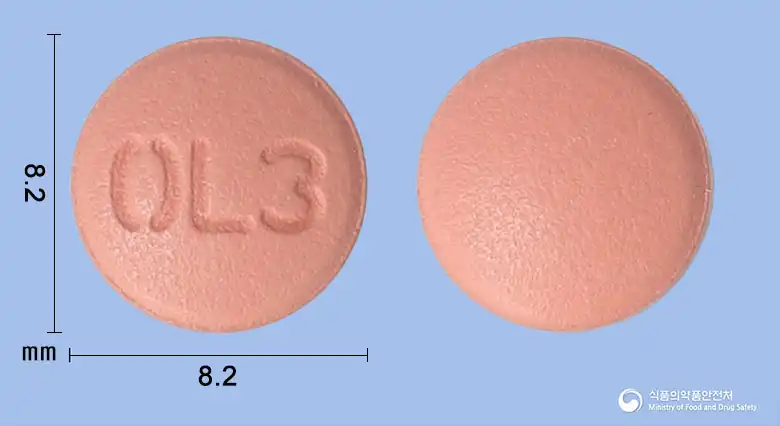
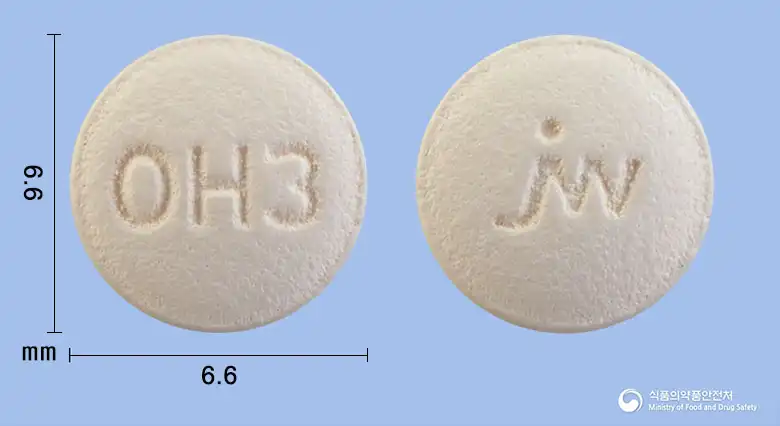
Round film-coated tablet of grayish red color
30 tablets/Alu-Alu [(10 tablets/Alu-Alu × 3)]
Even with the same ingredient, strength, dosage form and how it is taken can differ.
Viewing nowCombinationOlmesartan Medoxomil 40mg · Amlodipine Besylate 13.888mg +1 more
Tablet · Prescription medication · Combination
Medica Korea Co., Ltd.
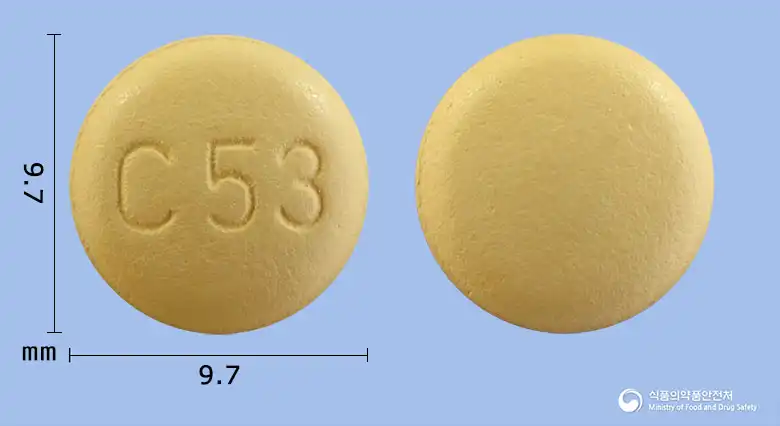 Combination
Olmesartan Medoxomil 40mg · Amlodipine Besylate 6.944mg +1 more
Tablet · Prescription medication · Combination
Hanmi Daiichi Sankyo Co., Ltd.
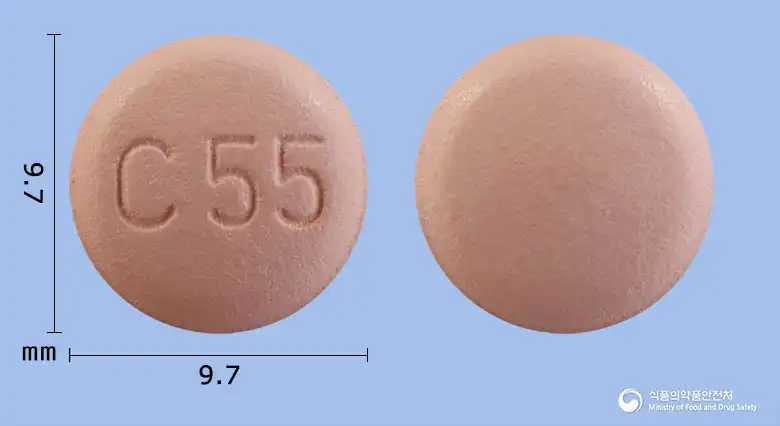 Combination
Olmesartan Medoxomil 40mg · Amlodipine Besylate 13.888mg +1 more
Tablet · Prescription medication · Combination
Daicel Corporation (Co., Ltd.)
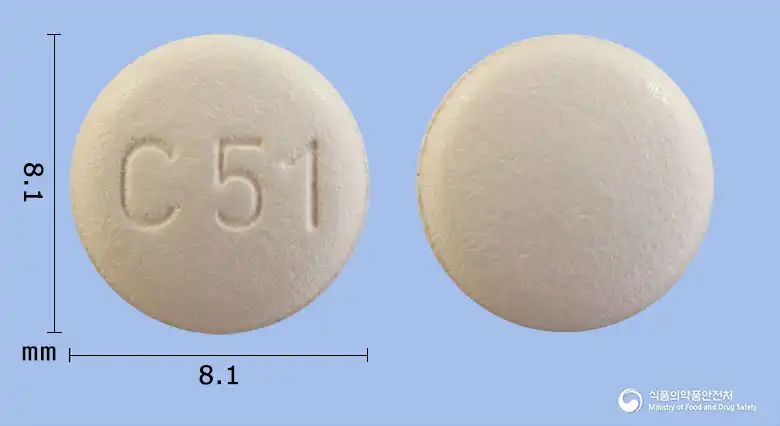 Combination
Olmesartan Medoxomil 20mg · Amlodipine Besylate 6.944mg +1 more
Tablet · Prescription medication · Combination
HanKook Daiichi Sankyo Co., Ltd.
Olmesartan Medoxomil · Amlodipine Besylate +1 more
Prescription medication · Combination
SYNEX Co., Ltd.
Olmesartan Medoxomil · Amlodipine Besylate +1 more
Prescription medication · Combination
SYNEX Co., Ltd.
Olmesartan Medoxomil · Amlodipine Besylate +1 more
Prescription medication · Combination
SYNEX Co., Ltd.
 Combination
Amlodipine Besylate 6.944mg · Olmesartan Medoxomil 20mg +1 more
Tablet · Prescription medication · Combination
JW Pharmaceutical Corporation
Even with the same ingredient, the dose and directions can differ by strength and dosage form. Talk to a doctor or pharmacist before switching from a medication you are already taking.
No questions yet.
For anything that needs medical judgment, consult a doctor or pharmacist.
This drug information is based on data provided by the Korea Ministry of Food and Drug Safety.
Consult a doctor or pharmacist for accurate dosage, administration, and usage instructions.