
 한국어
한국어 English
 日本語
日本語 中文(简体)
 Viewing now
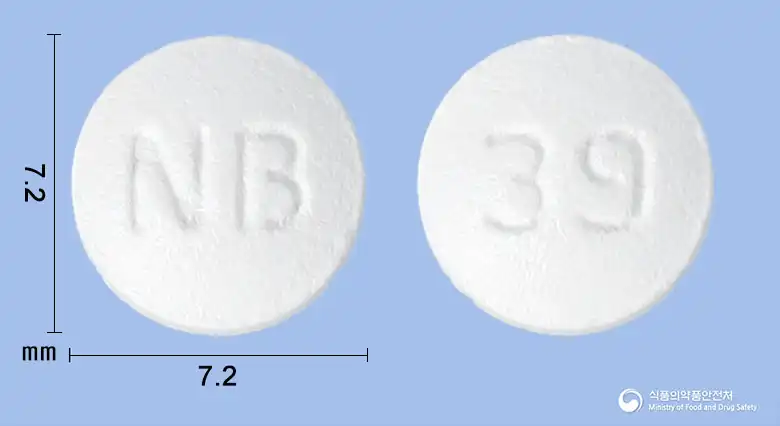
Femodin Tablet (Famotidine)
Famotidine 20mg
Tablet · Prescription medication
NBK Pharmaceutical Co., Ltd.
MFDS item code 202002906 · Approved 2020.04.23 · Insurance code 054800980
Improvement of gastric ulcers and upper gastrointestinal bleeding, treatment of gastroesophageal reflux disease
This medication is used to treat ulcers in the stomach and duodenum, ulcers occurring at the surgical anastomosis site, and upper gastrointestinal bleeding caused by peptic ulcers. It also helps improve bleeding caused by acute stress ulcers and hemorrhagic gastritis. It is effective for gastroesophageal reflux disease and Zollinger-Ellison syndrome, and it improves erosion, bleeding, redness, and edema of the gastric mucosa occurring during acute exacerbations of acute and chronic gastritis. Overall, this drug is used to heal lesions related to various gastrointestinal disorders and relieve symptoms.
1. Gastric and duodenal ulcers, anastomotic ulcers, upper gastrointestinal bleeding, gastroesophageal reflux disease, Zollinger-Ellison syndrome: 20mg orally, twice a day (after breakfast, after dinner or at bedtime) or 40mg orally, once a day (at bedtime). In cases of upper gastrointestinal bleeding, treatment usually begins with injection, then switches to oral administration when possible. 2. Acute exacerbation of acute and chronic gastritis.
This medication should not be used by patients who are allergic to specific ingredients or have genetic issues such as lactose intolerance. Caution is required for patients with a history of drug allergies, kidney, liver, heart diseases, and the elderly when using this drug. During the use of this medicine, serious allergic reactions, blood abnormalities, skin disorders, liver dysfunction, muscle damage, cardiac arrhythmias, consciousness disorders, nephritis, and pneumonia may rarely occur, so if any abnormal symptoms arise, immediately stop administration and consult a healthcare professional. Additionally, although this medication dissolves in the mouth, it should be swallowed with water or saliva as it is not absorbed in the mouth. Blood tests and regular liver and kidney function tests should be performed, and if there is no therapeutic effect, alternative treatment methods may be considered. This medication may interact with certain antifungal or anticancer agents when taken together, potentially decreasing its effectiveness, so patients should inform healthcare professionals of any medications they are taking. Elderly patients may have decreased kidney function, so the dose should be reduced or dosing intervals increased, and used with caution. Pregnant women or those who could become pregnant should use this medication only when its benefits outweigh the risks, and nursing mothers should consider stopping breastfeeding as the drug may be transmitted through breast milk. Safety in children has not been adequately established, so caution is advised in its use. Finally, this medication may obscure symptoms of stomach cancer, so it should be used only after confirming whether malignancy is present.
Shock, hypersensitivity (anaphylaxis, difficulty breathing, general flushing, angioedema [facial swelling, pharyngeal edema, etc.], urticaria), pancytopenia, agranulocytosis, aplastic anemia, hemolytic anemia, thrombocytopenia, Stevens-Johnson syndrome, Lyell's syndrome, liver dysfunction, jaundice, rhabdomyolysis, QT prolongation, ventricular tachycardia, ventricular fibrillation, consciousness disorder, seizures, interstitial nephritis, acute renal failure, interstitial pneumonia, heart failure
Not everyone experiences these, and they can vary from person to person.
This medication should be stored in a tightly sealed container to prevent air from entering and kept at a temperature between 1 and 30 degrees Celsius at room temperature. Storing it this way will maintain the effectiveness of the medication and prevent deterioration.
White round film-coated tablet
30 tablets/bottle, 500 tablets/bottle
Even with the same ingredient, strength, dosage form and how it is taken can differ.
Viewing nowFamotidine 20mg
Tablet · Prescription medication
NBK Pharmaceutical Co., Ltd.
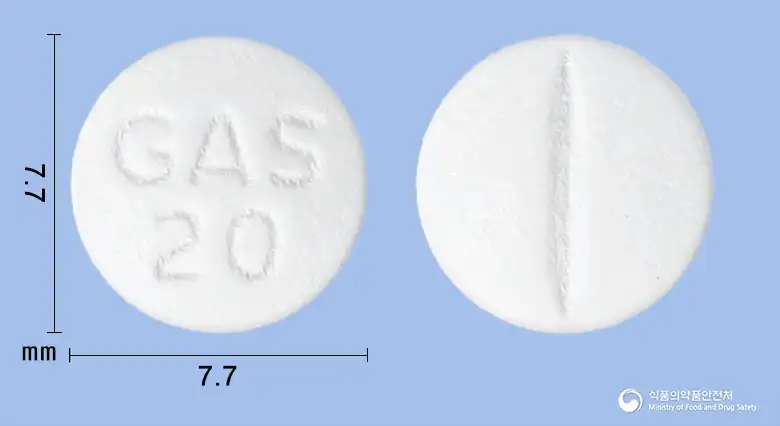
Famotidine 20mg
Prescription medication
Dong-A ST Co., Ltd.
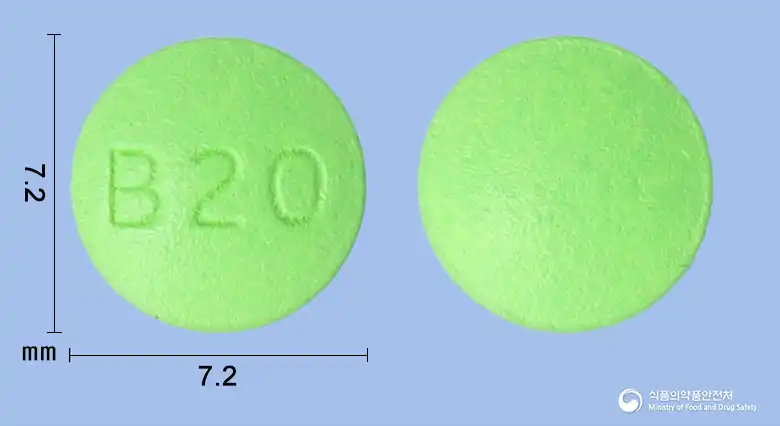
Famotidine 20mg
Tablet · Prescription medication
JW Pharmaceutical Corporation
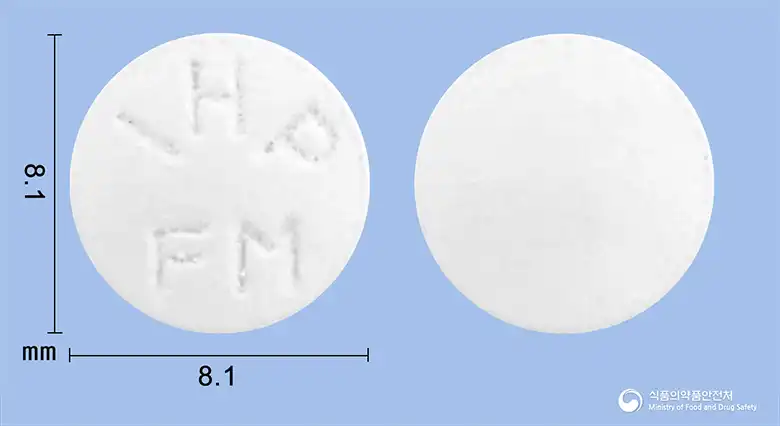
Famotidine 20mg
Tablet · Prescription medication
(Stock Company) Ilhwa
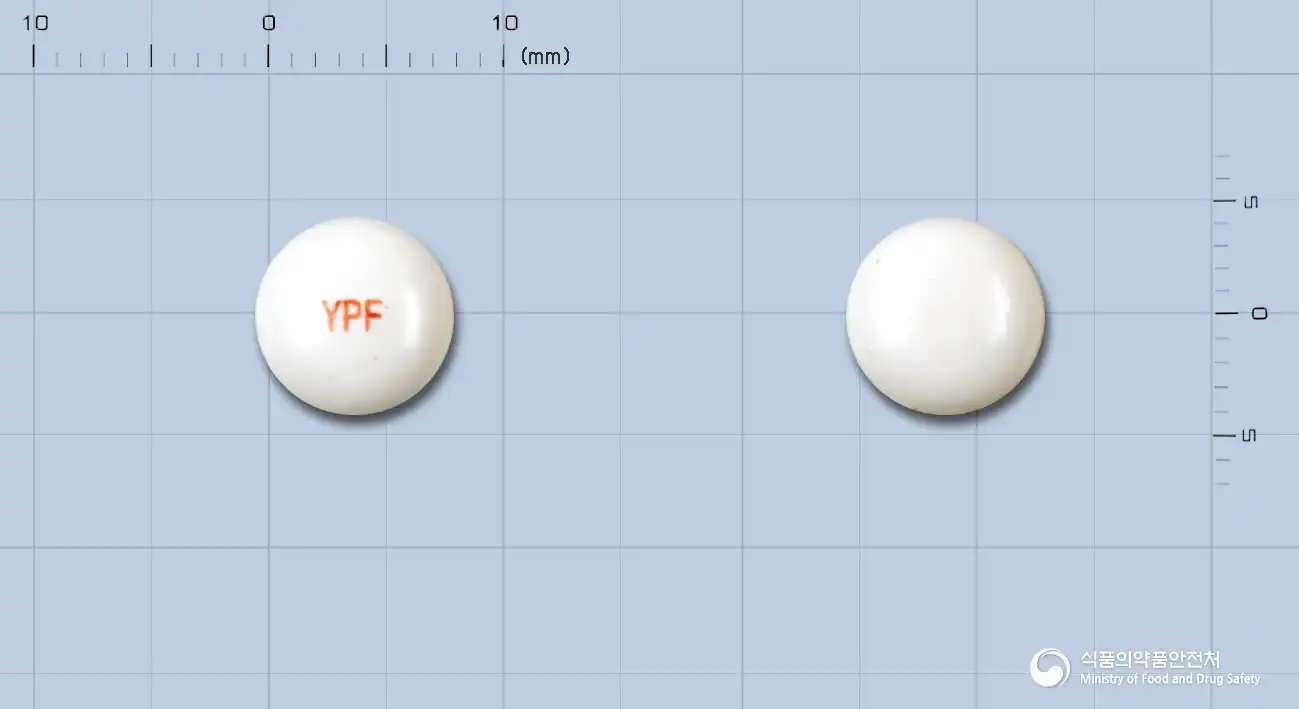
Famotidine 20mg
Prescription medication
Youngpoong Pharmaceutical Co., Ltd.
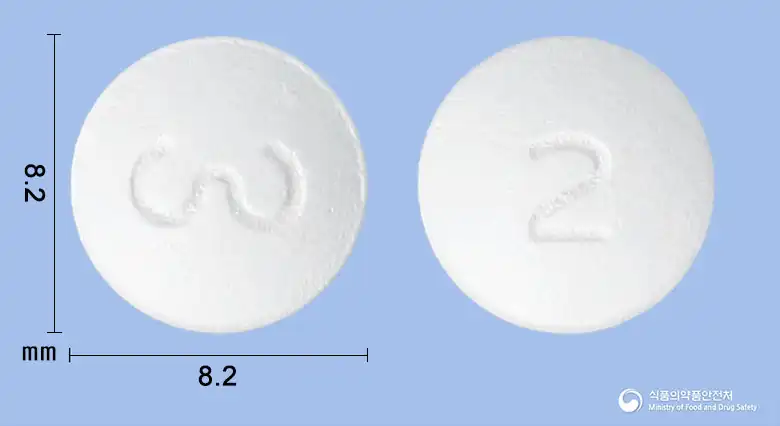
Famotidine 20mg
Tablet · Prescription medication
Withus Pharmaceutical Co., Ltd.
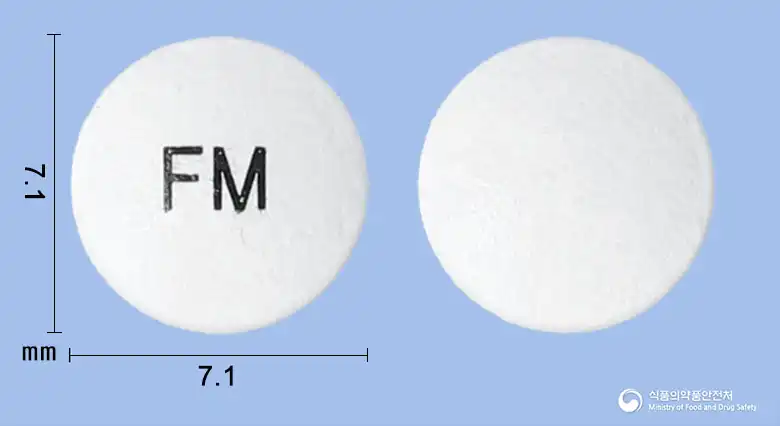
Famotidine 20mg
Prescription medication
(Stock Company) Seoul Pharmaceutical
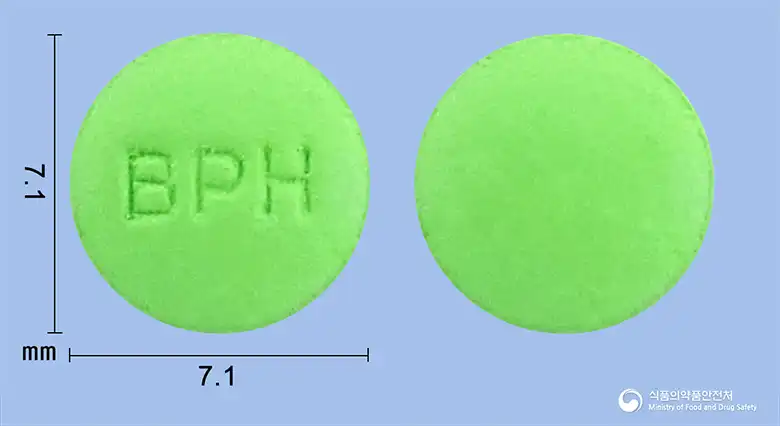
Famotidine 20mg
Tablet · Prescription medication
(Stock Company) Genupharm
Even with the same ingredient, the dose and directions can differ by strength and dosage form. Talk to a doctor or pharmacist before switching from a medication you are already taking.
No questions yet.
For anything that needs medical judgment, consult a doctor or pharmacist.
This drug information is based on data provided by the Korea Ministry of Food and Drug Safety.
Consult a doctor or pharmacist for accurate dosage, administration, and usage instructions.