
 한국어
 English
 日本語
 中文(简体)
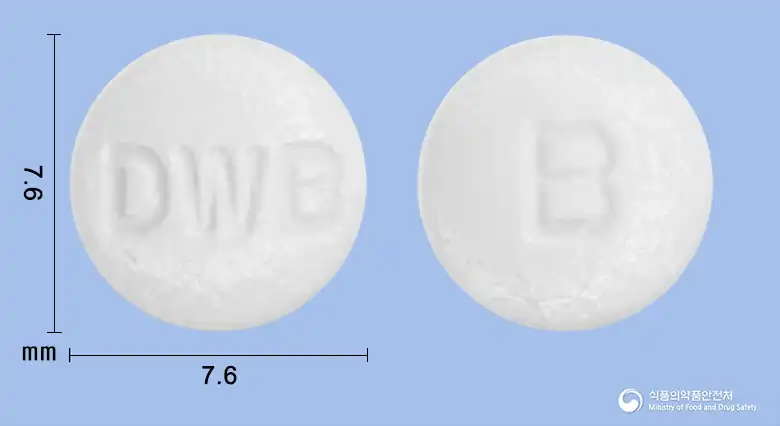 Viewing now
BeaMax Tablet (Polaprezinc)
Polaprezinc 75mg
Tablet · Prescription medication
Daewoong Bio Co., Ltd.
MFDS item code 202002760 · Approved 2020.04.20 · Insurance code 694003050
Treatment of gastric ulcers and improvement of gastric mucosal lesions during acute gastritis and exacerbations of chronic gastritis
This medication is used for the treatment of gastric ulcers. It is also effective in improving gastric mucosal lesions such as erosions, bleeding, redness, and swelling that occur during acute exacerbations of acute gastritis and chronic gastritis. Therefore, it helps alleviate symptoms related to gastric diseases and restores gastric mucosal health.
Adults: The usual dose is 75 mg (1 tablet) of polaprezinc per dose, taken orally twice daily after breakfast and at bedtime.
This medication may affect liver function; therefore, if liver function test results worsen, discontinue immediately and seek appropriate treatment. This medication contains zinc, which can interfere with copper absorption, potentially leading to anemia or reduced blood cell counts due to copper deficiency. Treatment may be necessary if symptoms occur. Occasionally, allergic reactions such as skin rashes, itching, or hives may occur, and discontinuation is necessary if such symptoms arise. Adverse reactions such as decreased blood cell counts or elevated liver enzymes have also been reported; thus, monitor body condition closely. Gastrointestinal symptoms may include nausea, dyspepsia, constipation, abdominal bloating, vomiting, heartburn, and diarrhea. If any abnormal symptoms occur during treatment with this medication, consult a physician immediately. When taken with other medications, particularly penicillamine or levothyroxine sodium, efficacy may be reduced, so caution should be exercised to avoid concurrent use. Women who are pregnant or may become pregnant should only use this medication when the therapeutic benefits are determined to outweigh the risks. This medication may also be transmitted through breast milk, so breastfeeding women are advised to avoid using it. Safety has not been established in children, and there is limited experience, therefore caution is advised. Elderly patients may have impaired digestive function, so dosage should be reduced, and careful monitoring of their condition is necessary. This medication should be kept out of reach of children, and should not be transferred to other containers to maintain quality.
Not everyone experiences these, and they can vary from person to person.
This medication may be sensitive to air or moisture, so it should be stored in a tightly closed container. It is advisable to keep the storage temperature between 1°C and 30°C at room temperature. This will help maintain the effectiveness of the medication for a longer duration.
Round white tablet
30 tablets/bottle, 300 tablets/bottle
Even with the same ingredient, strength, dosage form and how it is taken can differ.
Viewing nowPolaprezinc 75mg
Tablet · Prescription medication
Daewoong Bio Co., Ltd.
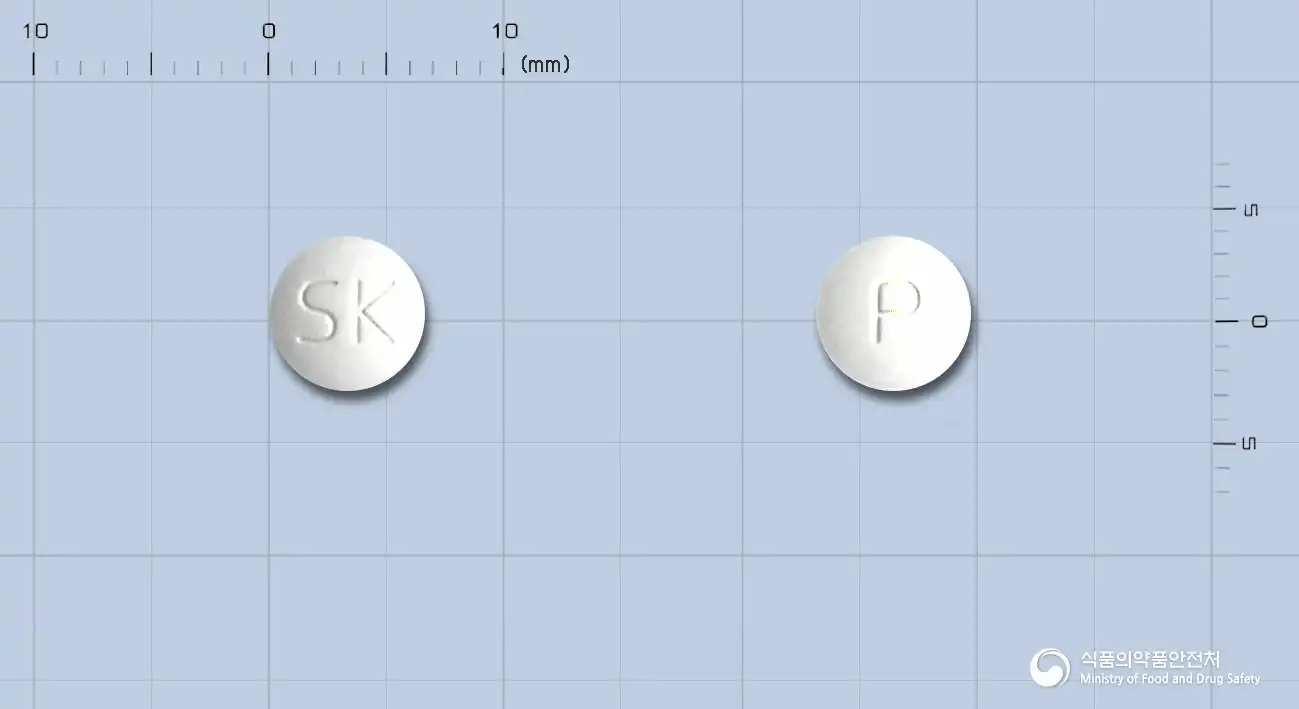
Polaprezinc 75mg
Tablet · Prescription medication
SK Chemicals Co., Ltd.
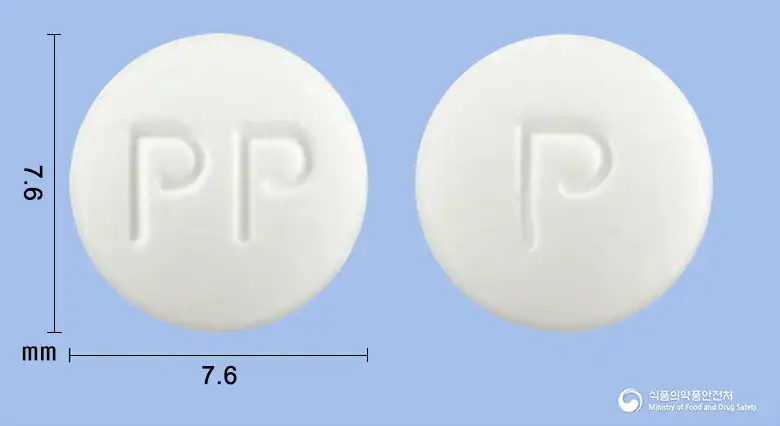
Polaprezinc 75mg
Tablet · Prescription medication
Korea Prime Pharmaceutical Co., Ltd.
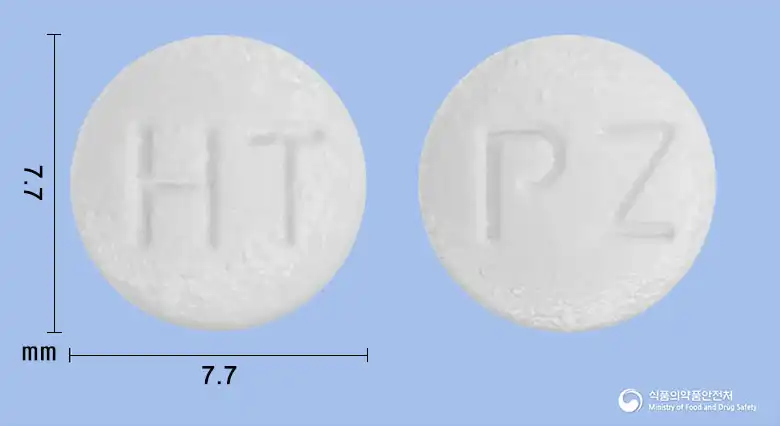
Polaprezinc 75mg
Tablet · Prescription medication
Hanmi Pharmaceutical Co., Ltd.
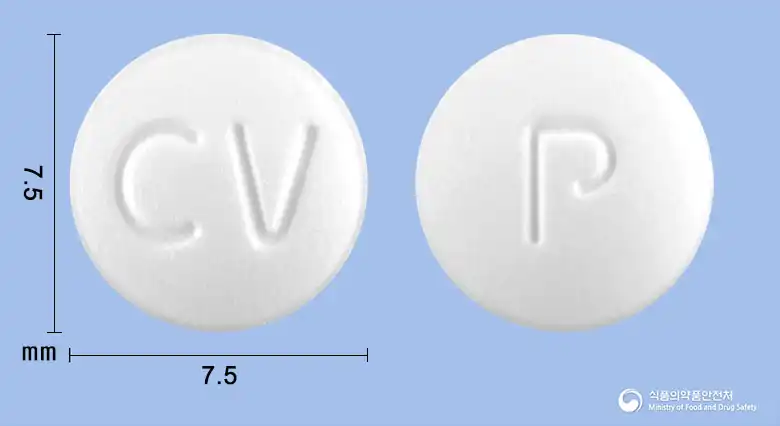
Polaprezinc 75mg
Tablet · Prescription medication
Korea Paviz Pharmaceutical Co., Ltd.
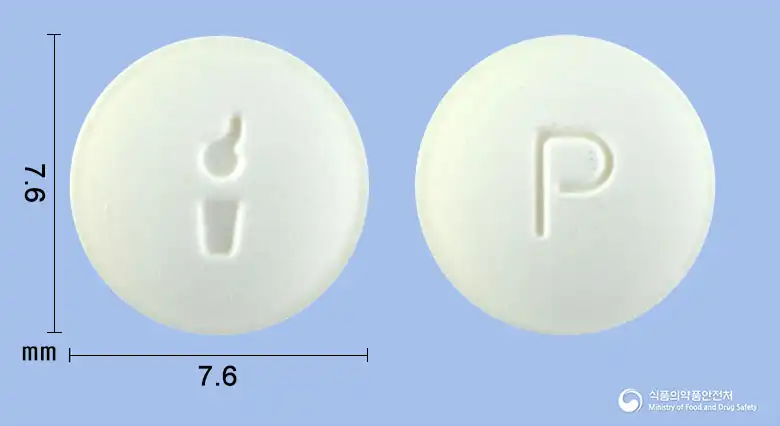
Polaprezinc 75mg
Tablet · Prescription medication
Sam-il Pharmaceutical Co., Ltd.
Polaprezinc 75mg
Tablet · Prescription medication
International Pharmaceutical Co., Ltd.
Polaprezinc 75mg
Tablet · Prescription medication
Medix Pharmaceutical Co., Ltd.
Even with the same ingredient, the dose and directions can differ by strength and dosage form. Talk to a doctor or pharmacist before switching from a medication you are already taking.
No questions yet.
For anything that needs medical judgment, consult a doctor or pharmacist.
This drug information is based on data provided by the Korea Ministry of Food and Drug Safety.
Consult a doctor or pharmacist for accurate dosage, administration, and usage instructions.