
 한국어
 English
 日本語
 中文(简体)
 Viewing now
Gasparan SR Tablets 15 mg (Mosapride Citrate Hydrate)
Mosapride Citrate Dihydrate 4.23mg
Tablet · Prescription medication
Youngjin Pharmaceutical Co., Ltd.
MFDS item code 202002748 · Approved 2020.04.17 · Insurance code 642404810
Relief of functional dyspepsia symptoms (heartburn, nausea, etc.)
This medication is used to relieve gastrointestinal symptoms such as heartburn, nausea, and vomiting caused by functional dyspepsia.
Adults: The usual dosage is 15 mg of anhydrous mosapride citrate orally once daily. Take this medicine on an empty stomach, away from meals. (See “3. General Precautions, item 2)” under Precautions for Use.) As this is an extended-release formulation, do not break, crush, or chew it. Swallow the tablet whole.
This medicine contains lactose, so it should not be used in patients with genetic conditions such as galactose intolerance, lactase deficiency, or glucose-galactose malabsorption. While taking this medication, adverse reactions such as diarrhea, dry mouth, and lethargy may occur, and serious side effects such as liver dysfunction, hepatitis, or jaundice may arise; thus, if symptoms appear, the medication should be immediately discontinued and a doctor consulted. Moreover, hypersensitivity reactions such as rash, urticaria, and edema, as well as changes in blood counts, gastrointestinal symptoms, dizziness, and headaches have also been reported, so caution is necessary. If abnormal symptoms persist or worsen after taking the medication, it is essential to inform healthcare professionals, and long-term use should be avoided if symptoms do not improve even after 2 weeks of treatment. Taking this medication with food may increase its concentration in the blood, therefore it is recommended to take it on an empty stomach. This medication may have reduced efficacy when taken with anticholinergics, so a sufficient interval between doses should be maintained in such cases. Women who are pregnant or have the possibility of pregnancy should use this medication cautiously when necessary, and breastfeeding women should either avoid administration or discontinue breastfeeding. Safety in children has not been established, so it is advised not to use it if there is no prior experience with it. The elderly may have impaired renal and liver function, so they should be monitored closely while taking this medication, and if adverse reactions occur, dosage adjustments should be made. Lastly, this medication should be stored out of reach of children, and care should be taken not to transfer it to other containers, as it may adversely affect the quality.
Not everyone experiences these, and they can vary from person to person.
This medicine should be stored in a tightly sealed container to prevent exposure to air or moisture. The storage temperature should be maintained between 1 degree and 30 degrees Celsius at room temperature. Proper storage will help maintain the medication's efficacy and safety over time.
Pink rectangular sustained-release film-coated tablets
For domestic use - 30 tablets/bottle, For domestic use - 300 tablets/bottle
Even with the same ingredient, strength, dosage form and how it is taken can differ.
Viewing nowMosapride Citrate Dihydrate 4.23mg
Tablet · Prescription medication
Youngjin Pharmaceutical Co., Ltd.
Mosapride Citrate Dihydrate 5.29mg
Prescription medication
Daewoong Pharmaceutical Co., Ltd.
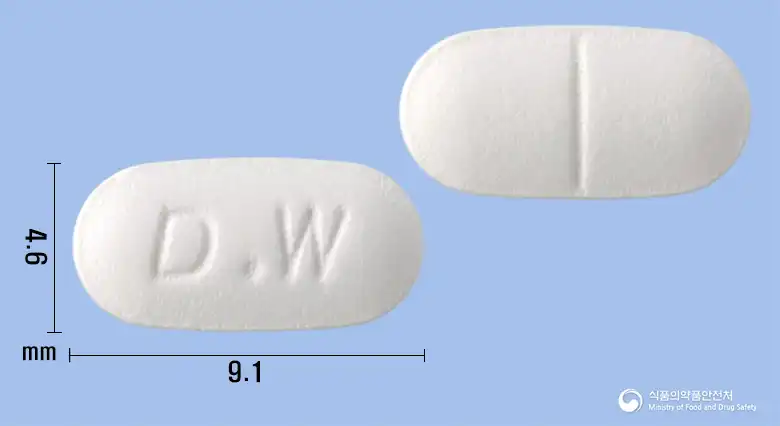
Mosapride Citrate Dihydrate 5.29mg
Tablet · Prescription medication
Daewoong Pharmaceutical Co., Ltd.
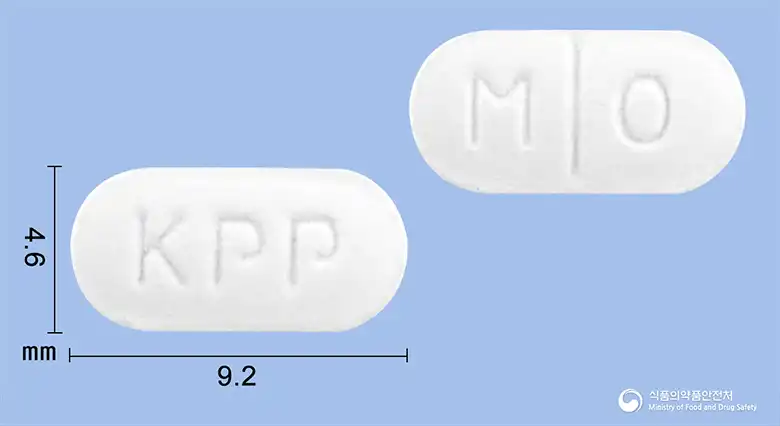
Mosapride Citrate Dihydrate 5.29mg
Tablet · Prescription medication
Korea Prime Pharmaceutical Co., Ltd.
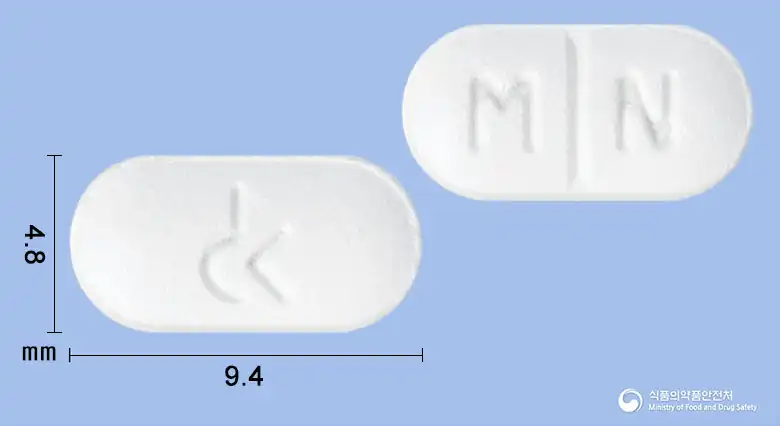
Mosapride Citrate Dihydrate 5.29mg
Tablet · Prescription medication
Dongkuk Pharmaceutical Co., Ltd.
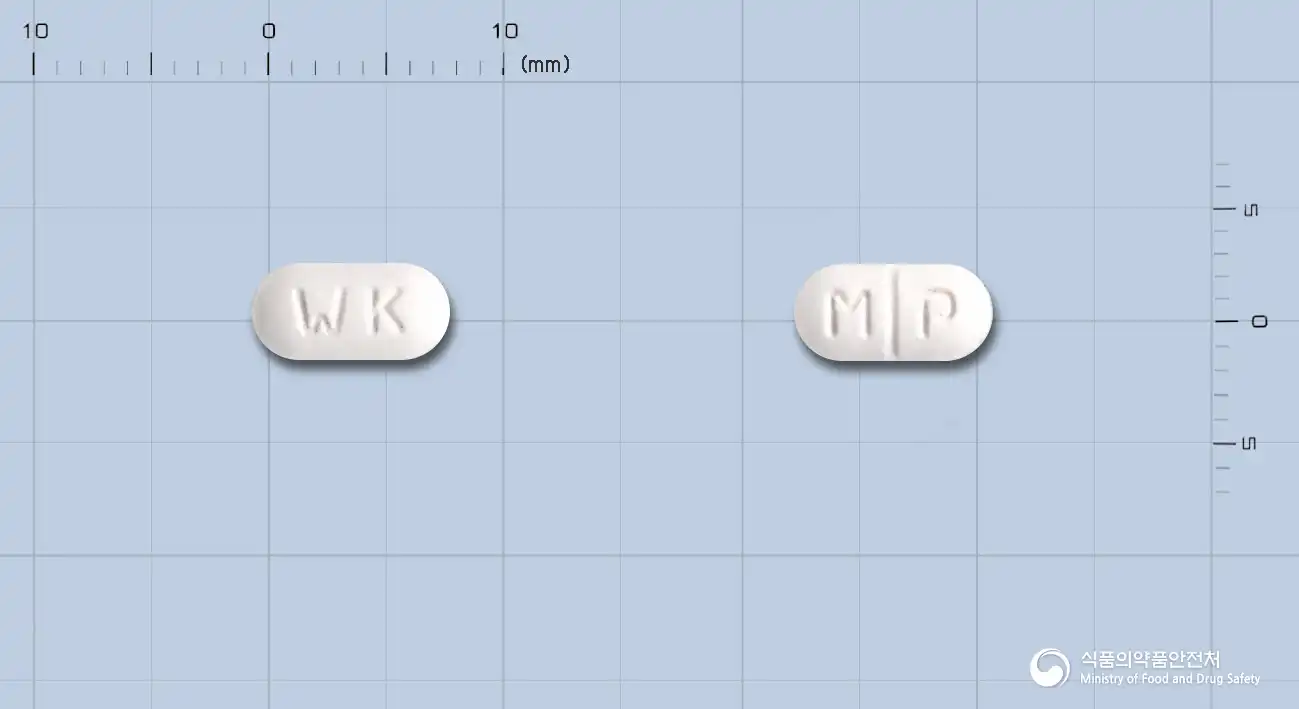
Mosapride Citrate Dihydrate 5.29mg
Tablet · Prescription medication
Austin Pharmaceutical Co., Ltd.
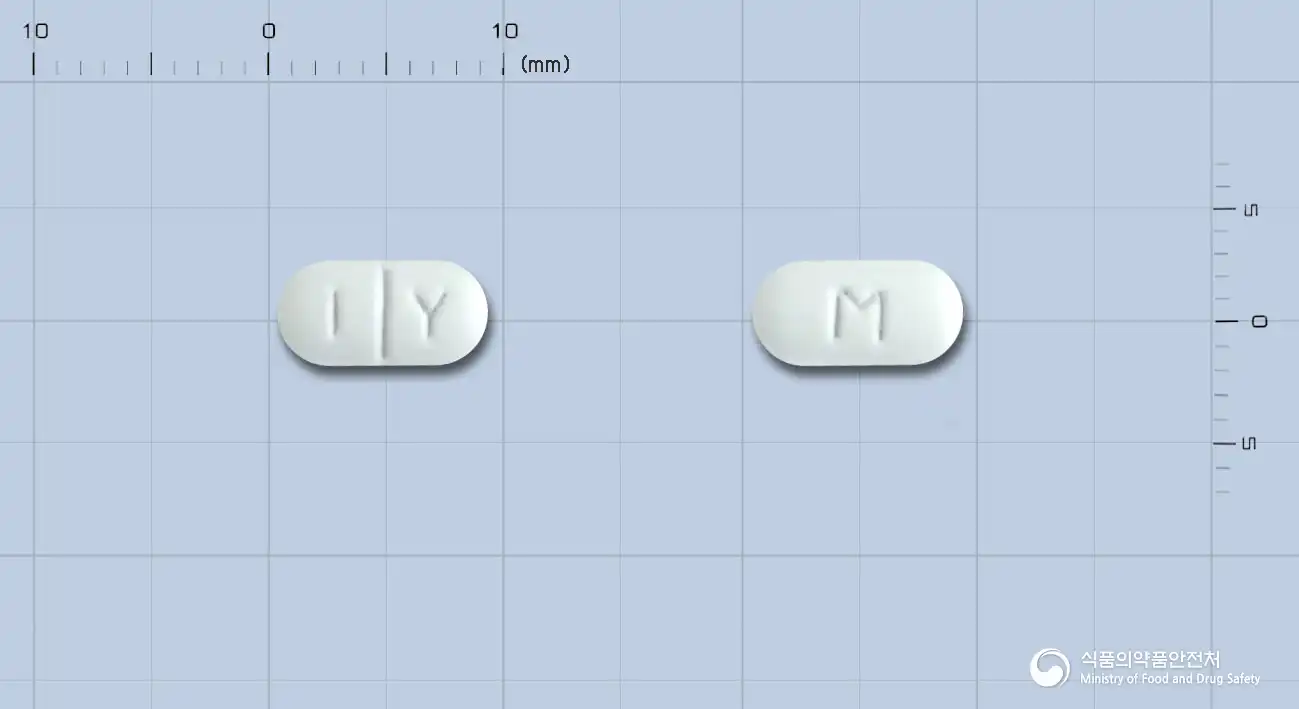
Mosapride Citrate Dihydrate 5.29mg
Tablet · Prescription medication
Il-Yang Pharmaceutical Co., Ltd.
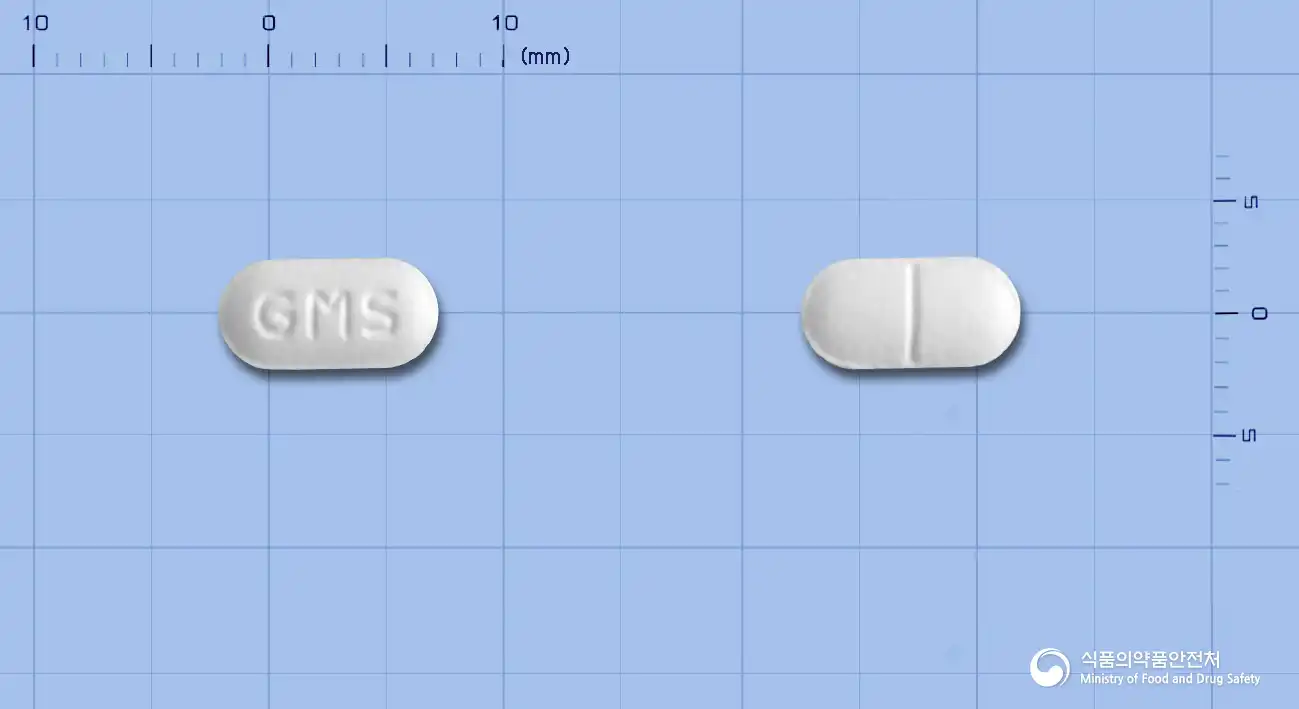
Mosapride Citrate Dihydrate 5.29mg
Tablet · Prescription medication
Kujoo Pharmaceutical Co., Ltd.
Even with the same ingredient, the dose and directions can differ by strength and dosage form. Talk to a doctor or pharmacist before switching from a medication you are already taking.
No questions yet.
For anything that needs medical judgment, consult a doctor or pharmacist.
This drug information is based on data provided by the Korea Ministry of Food and Drug Safety.
Consult a doctor or pharmacist for accurate dosage, administration, and usage instructions.