
 한국어
 English
 日本語
 中文(简体)
 Viewing now
Benex Tamulosin Hydrochloride Sustained Release Tablet 0.4mg
Tamsulosin Hydrochloride 0.4mg
Tablet · Prescription medication
Benex Co., Ltd.
MFDS item code 202002734 · Approved 2020.04.17 · Insurance code 643105380
Improvement of voiding symptoms associated with benign prostatic hyperplasia
Urinary disorders caused by benign prostatic hyperplasia may include frequent urges to urinate, weak urine stream, and a feeling of residual urine after urination. This medication helps alleviate these urinary disorder symptoms and reduces prostate volume, improving urine flow. Therefore, it is used to relieve uncomfortable urinary symptoms caused by prostatic hyperplasia.
Adults: Administer 0.4 mg of tamsulosin hydrochloride orally once daily after a meal. Swallow this medicine whole; do not crush or chew it.
This medication should not be used by certain patients. First, patients who have had an allergic reaction to this drug or its components should not take it. Additionally, patients with orthostatic hypotension should avoid using this product, as the symptoms may worsen. Patients with severely impaired liver function should avoid this medication due to the potential increase in blood concentration. Women who are pregnant or may become pregnant should not take this drug. Since this medication contains lactose, it should not be administered to patients with lactose intolerance or specific genetic issues. Patients with severe renal impairment or elderly individuals should use this medication with caution. In particular, patients taking PDE5 inhibitors, CYP3A4 inhibitors, antihypertensives, and alpha1-blockers should be aware of the risks of interactions and blood pressure reduction. Patients with a history of urinary syncope should also be administered this drug carefully. Side effects such as dizziness, headache, dyspepsia, diarrhea, and abdominal discomfort may appear upon taking this medication. Rarely, fainting due to low blood pressure or allergic reactions, skin rashes, and itching may occur, and immediate consultation with a physician is required if abnormal symptoms occur. Moreover, severe side effects such as priapism have also been reported rarely, necessitating prompt treatment if symptoms appear. Overdosage may lead to a significant drop in blood pressure, so the dosage must be adhered to strictly, and care should be taken as blood pressure may drop sharply when standing up. This drug is a symptomatic treatment for alleviation, so if it is ineffective, other treatment options should be considered. Caution is advised when engaging in heights or driving due to potential dizziness or drowsiness. This medication also requires caution for patients with a specific history of allergies, particularly those with sulfonamide allergies. Furthermore, it is important to inform the medical team if undergoing cataract or glaucoma surgery, as ophthalmic complications may arise during the procedure. This drug may interact with other medications; therefore, patients on antihypertensives, PDE5 inhibitors, CYP3A4 inhibitors, etc., must notify their doctor. Particularly, when combined with strong CYP3A4 inhibitors, the blood concentration of this drug may increase significantly, necessitating caution or prohibition for combination. Women who are pregnant or breastfeeding and children under 18 should not use this medication. Elderly individuals with severe renal impairment should exercise caution due to established safety concerns. When taking this medication, it should be swallowed whole as packaged, and it should not be chewed or broken. Store it out of the reach of children and avoid transferring it to other containers.
Not everyone experiences these, and they can vary from person to person.
This medication should be stored in a tightly sealed container to prevent air or moisture from entering, ideally at room temperature between 1 and 30 degrees Celsius. This storage method helps maintain the effectiveness of the medication and ensures safe use.
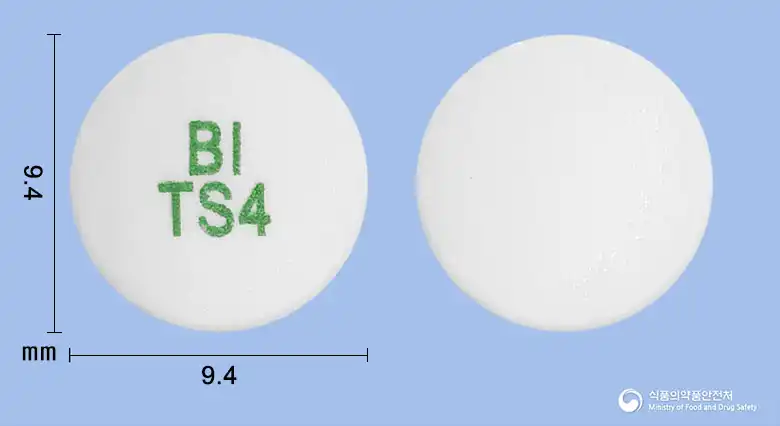
White round sustained release film-coated tablet
30 tablets/bottle, 100 tablets/bottle
Even with the same ingredient, strength, dosage form and how it is taken can differ.
Viewing nowTamsulosin Hydrochloride 0.4mg
Tablet · Prescription medication
Benex Co., Ltd.
Tamsulosin Hydrochloride 0.2mg
Tablet · Prescription medication
Kyungdong Pharmaceutical Co., Ltd.
Tamsulosin Hydrochloride 0.2mg
Tablet · Prescription medication
Il Dong Pharmaceutical Co., Ltd.
Tamsulosin Hydrochloride 0.2mg
Tablet · Prescription medication
Yuhan Corporation
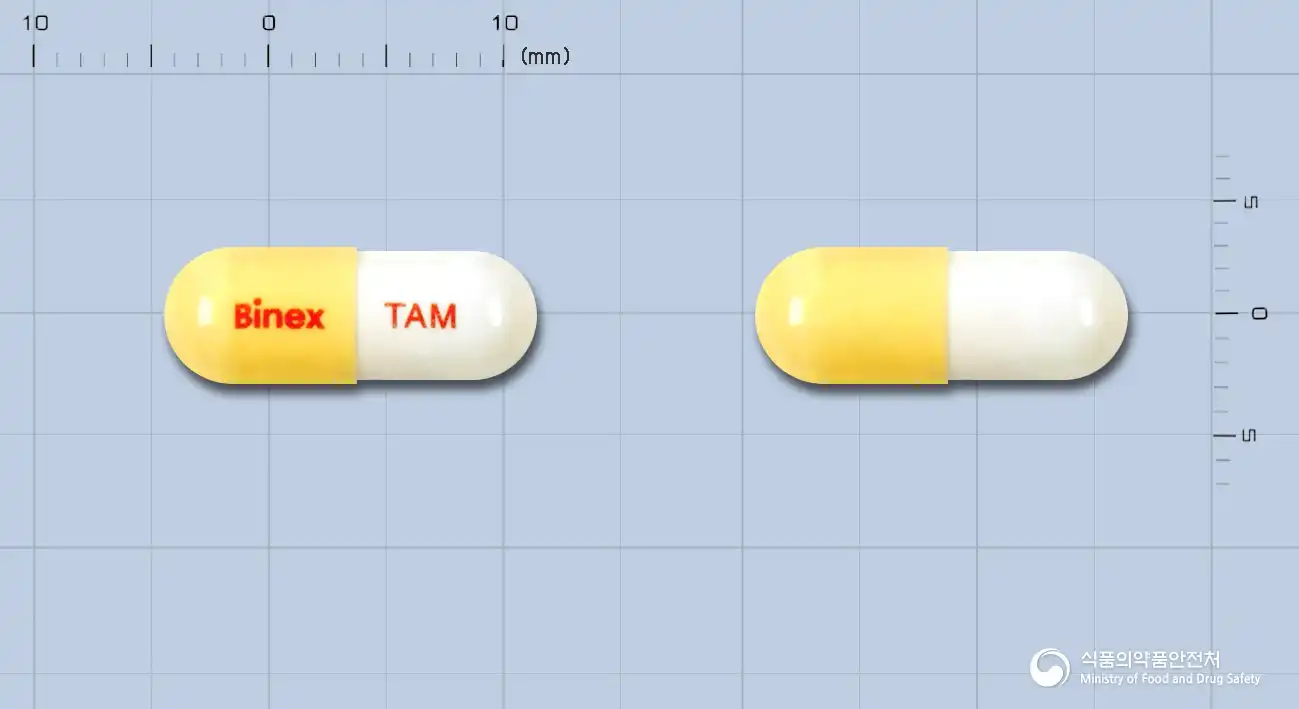
Tamsulosin Hydrochloride 0.2mg
Prescription medication
Bynex Co., Ltd.
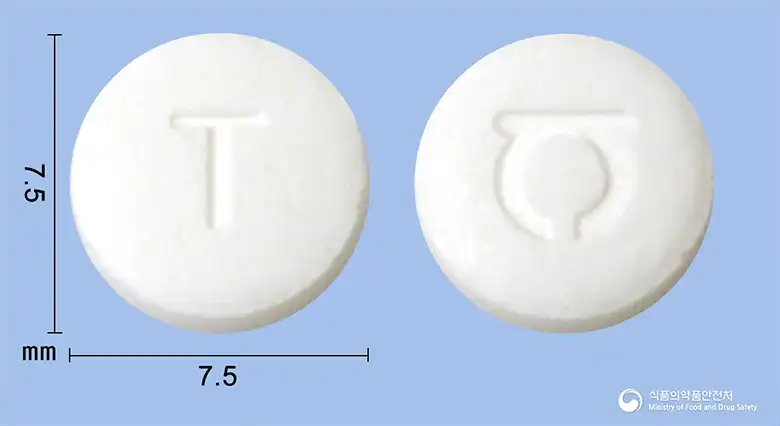
Tamsulosin Hydrochloride 0.2mg
Tablet · Prescription medication
Youngjin Pharmaceutical Co., Ltd.
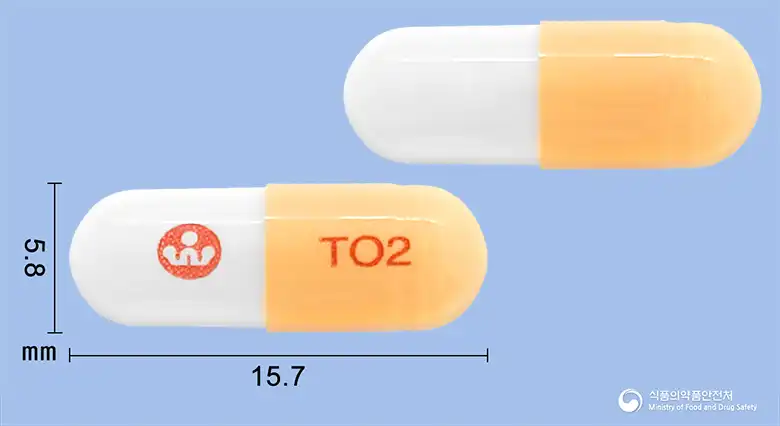
Tamsulosin Hydrochloride 0.2mg
Prescription medication
Han-in Pharmaceutical Co., Ltd.
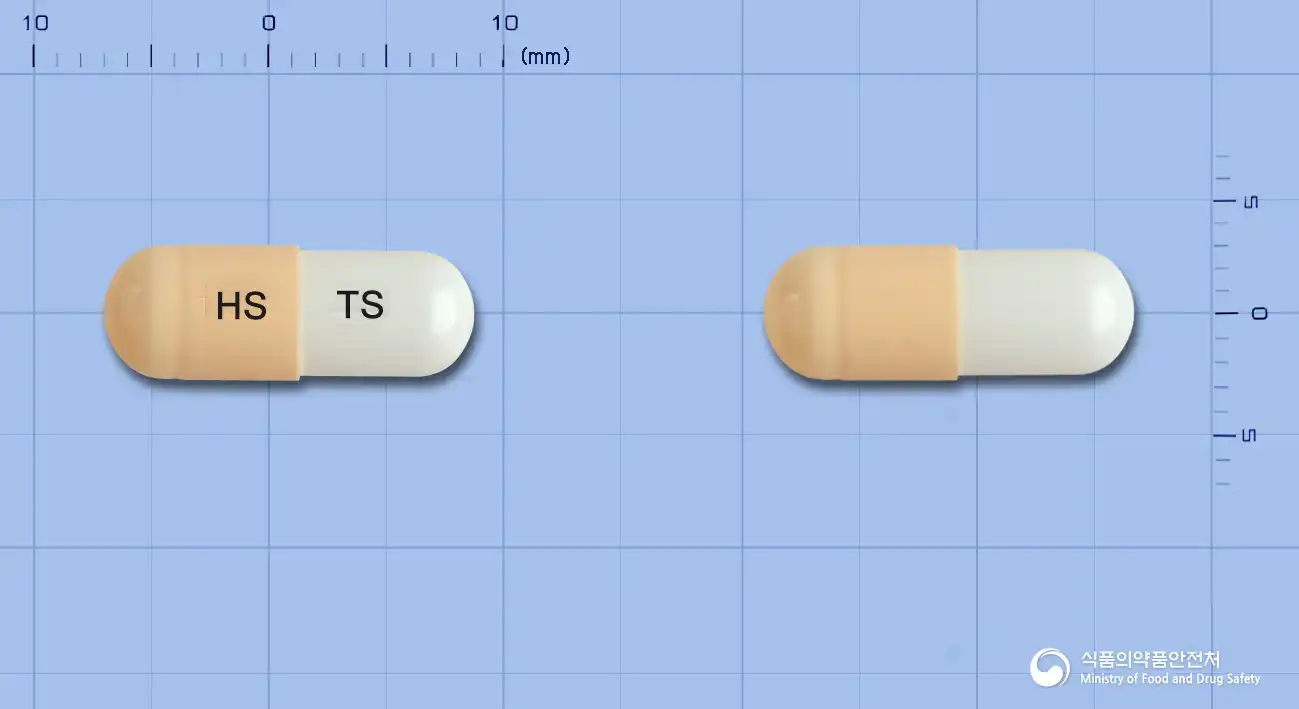
Tamsulosin Hydrochloride 0.2mg
Hard capsule · Prescription medication
Huons Co., Ltd.
Even with the same ingredient, the dose and directions can differ by strength and dosage form. Talk to a doctor or pharmacist before switching from a medication you are already taking.
No questions yet.
For anything that needs medical judgment, consult a doctor or pharmacist.
This drug information is based on data provided by the Korea Ministry of Food and Drug Safety.
Consult a doctor or pharmacist for accurate dosage, administration, and usage instructions.