
 한국어
한국어 English
 日本語
日本語 中文(简体)
 Viewing now
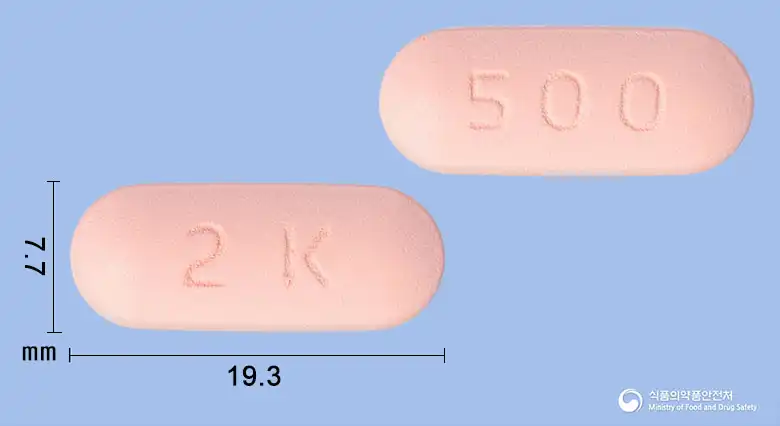
Rifloxacin 500 mg (Levofloxacin Hydrate)
Levofloxacin Hydrate 512.3mg
Tablet · Prescription medication
Kunil Biopharm Co., Ltd.
MFDS item code 202002669 · Approved 2020.04.16 · Insurance code 073000850
Treatment of complicated skin and soft tissue infections, community-acquired pneumonia, etc.
This drug is effective against various bacteria, including Staphylococcus aureus, coagulase-negative staphylococci, and Streptococcus pneumoniae. It is primarily used to treat complicated skin and soft tissue infections, pneumonia occurring in the community, acute bacterial exacerbations of chronic bronchitis, and acute sinusitis. Additionally, it is effective against chronic bacterial prostatitis and various urinary tract infections. However, because the drug is associated with serious adverse reactions, it is recommended to be used only when there are no alternative treatment options for certain conditions. In summary, this drug is used to treat various bacterial infections, especially skin, lung, sinus, bronchial, and urinary tract infections.
For usual adult dosing of levofloxacin, it is administered orally once daily at a dose of 250-750 mg. Based on patients with normal renal function (creatinine clearance exceeding 80 mL per minute), the dosage and duration for respective indications are as follows: - Complicated skin and soft tissue infections: 750 mg every 24 hours for 10-14 days - Community-acquired pneumonia: 500 mg every 24 hours for 7 days - Acute bacterial exacerbation of chronic bronchitis:
This drug is a fluoroquinolone antibiotic used to treat certain bacterial infections. Care should be taken while taking this medication regarding tendon-related issues such as tendinitis or tendon rupture, peripheral neuropathy, and symptoms affecting the central nervous system. If serious side effects occur, the medication should be stopped immediately, especially in patients with myasthenia gravis, as symptoms can worsen with use. Additionally, this drug is recommended to be used only in limited cases when there are no alternative treatments for acute bacterial rhinosinusitis, acute exacerbation of chronic bronchitis, simple urinary tract infections, and acute otitis media. Special caution is warranted in elderly patients, those with impaired renal function, transplant recipients, or patients taking corticosteroids, as the risk of tendon rupture may be increased. This drug can cause hypersensitivity or serious allergic reactions, so if symptoms such as rash, itching, and difficulty breathing occur, it is crucial to stop taking the medication immediately and consult with medical personnel. Moreover, neuropsychiatric symptoms such as insomnia, dizziness, headache, anxiety, depression, hallucinations, and seizures have been reported; any occurrence of these symptoms should be promptly reported to a doctor. Cardiac-related side effects may include palpitations, arrhythmias, and QT interval prolongation, requiring caution in patients with heart conditions. Routine testing is necessary as it can affect kidney and liver function, and blood disorders or gastrointestinal disturbances may occur, so any unusual symptoms should be reported to medical personnel immediately. During the duration of this medication, exposure to strong sunlight or artificial ultraviolet light should be avoided, and caution is advised while driving or operating machinery due to risks of dizziness and drowsiness. Additionally, absorption may be diminished if taken with certain antacids or drugs containing iron or calcium, so dosing intervals should be maintained. Pregnant or potentially pregnant women, nursing mothers, and growing children and adolescents should not use this medication, and dosage adjustments and careful monitoring are essential for elderly patients or those with impaired kidney function. In cases of overdose, central nervous system symptoms and cardiac issues may occur, necessitating immediate medical attention. Notably, this drug is not removed by hemodialysis or peritoneal dialysis, so caution is necessary. Finally, this drug carries a risk of serious side effects and should be used strictly according to a doctor's prescription and instructions; it is important to stop taking the medication and consult medical personnel immediately if any unusual symptoms occur.
Hives, severe swelling (edema), chest tightness, difficulty breathing, cold sweat, pallor, severe rash with high fever, blisters, skin peeling, pain in mucous membranes of mouth/eyes, shortness of breath or difficulty breathing, asthma attacks, respiratory symptoms accompanied by cough and fever, yellowing of skin or eyes (jaundice), profound malaise, sudden severe headache, thunderclap headache, seizures, confusion, visual disturbances, paralysis, urinary issues
Not everyone experiences these, and they can vary from person to person.
This drug should be stored in a tightly closed container to avoid exposure to air or moisture. It is best to keep it at room temperature, between 1 to 30 degrees Celsius. This helps maintain the efficacy and safety of the medication for a longer period.
Pink rectangular film-coated tablet
28 tablets/bottle, 100 tablets/bottle
Even with the same ingredient, strength, dosage form and how it is taken can differ.
Viewing nowLevofloxacin Hydrate 512.3mg
Tablet · Prescription medication
Kunil Biopharm Co., Ltd.
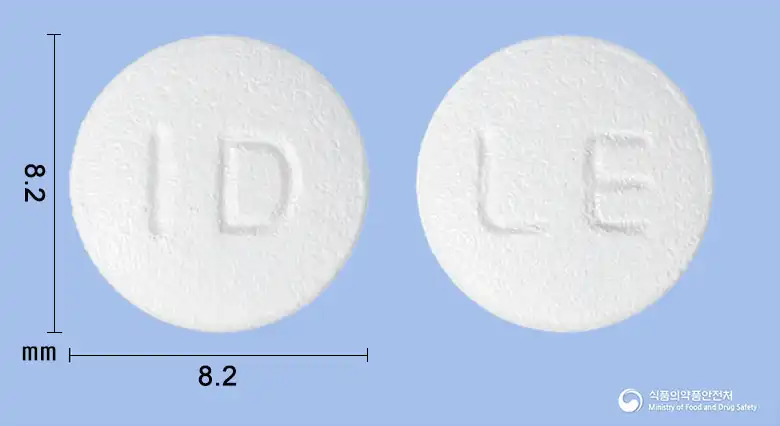
Levofloxacin Hydrate 100mg
Tablet · Prescription medication
Ildong Pharmaceutical Co., Ltd.

Levofloxacin 100mg
Tablet · Prescription medication
Jeil Pharmaceutical Co., Ltd.
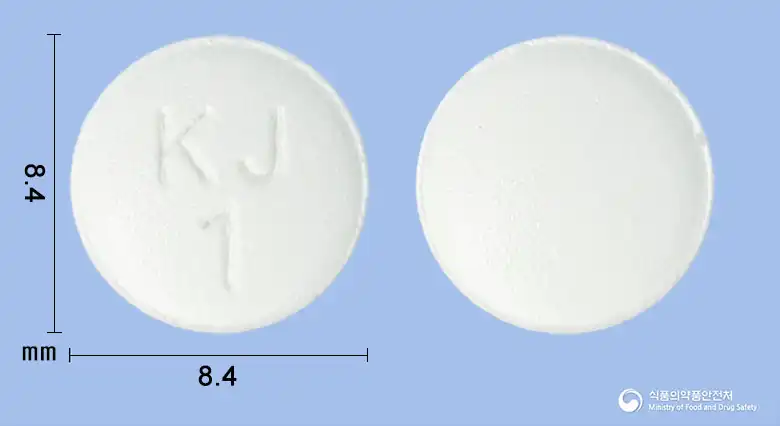
Levofloxacin Hydrate 100mg
Tablet · Prescription medication
International Pharmaceuticals Co., Ltd.
Levofloxacin 5.1246mg
Prescription medication
Jeil Pharmaceutical Co., Ltd.
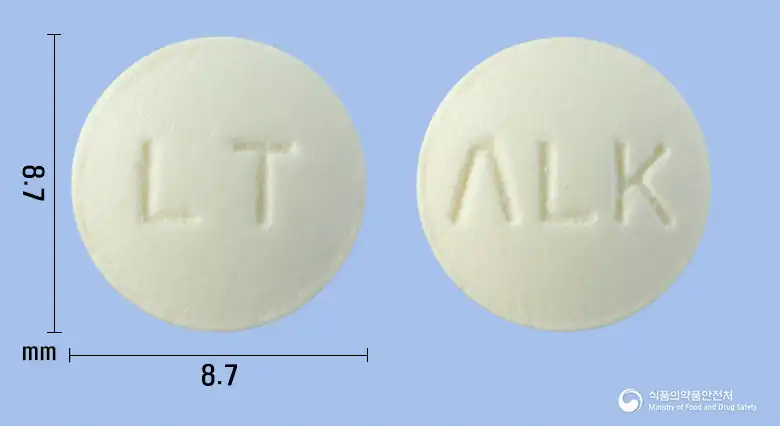
Levofloxacin Hydrate 100mg
Tablet · Prescription medication
SS Pharm Co., Ltd.
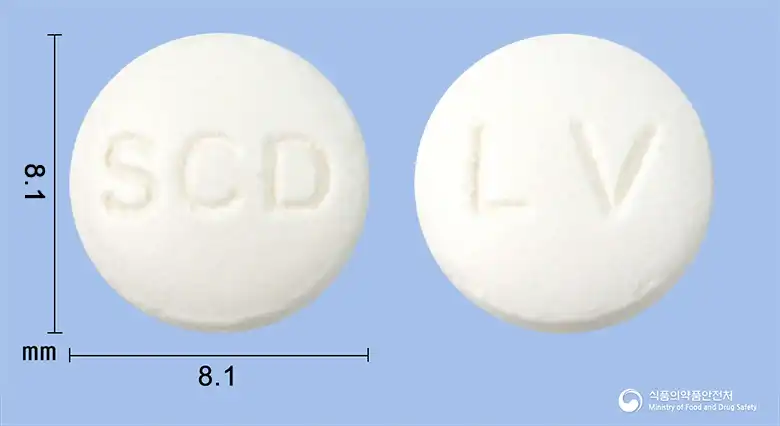
Levofloxacin Hydrate 102.49mg
Tablet · Prescription medication
Samchundang Pharmaceutical Co., Ltd.
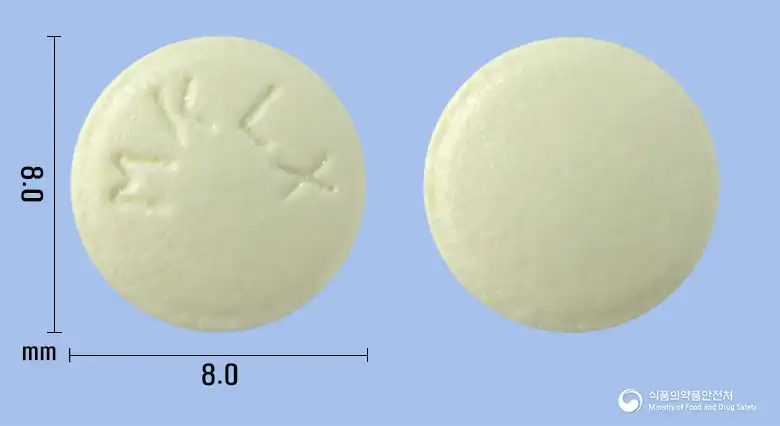
Levofloxacin Hydrate 100mg
Tablet · Prescription medication
Medica Korea Co., Ltd.
Even with the same ingredient, the dose and directions can differ by strength and dosage form. Talk to a doctor or pharmacist before switching from a medication you are already taking.
No questions yet.
For anything that needs medical judgment, consult a doctor or pharmacist.
This drug information is based on data provided by the Korea Ministry of Food and Drug Safety.
Consult a doctor or pharmacist for accurate dosage, administration, and usage instructions.