
 한국어
 English
 日本語
 中文(简体)
 Viewing now
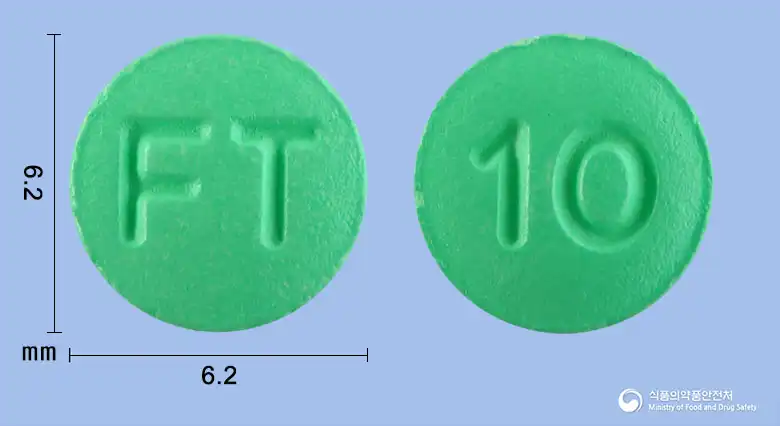
Famotidine 10mg Tablet
Famotidine 10mg
Tablet · OTC medication
Hankook Hyutex Pharmaceutical Co., Ltd.
MFDS item code 202002541 · Notified 2020.04.10
Relief of symptoms of excess stomach acid (heartburn, etc.)
Used to relieve gastrointestinal symptoms such as excessive stomach acid, heartburn, and belching.
For patients aged 16 years and older: Take 1 tablet (10mg) per dose, up to 2 tablets (20mg) per day.
This medication should not be taken by individuals who have experienced an allergic reaction to the ingredients of this medicine or any other H2 receptor antagonists. Additionally, this medication contains lactose, so it should not be taken by individuals with lactose intolerance, galactose intolerance, or genetic lactose enzyme deficiency. Individuals who have difficulty swallowing food, experience pain while swallowing, or have symptoms such as vomiting blood or blood in stool must consult a doctor or pharmacist before taking this medication. If heartburn symptoms persist for more than 3 months or are accompanied by dizziness, drowsiness, or cold sweats, it is important to consult a professional. If there is pain in the chest or shoulders, shortness of breath, or frequent chest pain, advice should be sought before taking this medicine. If unexpected weight loss, nausea, vomiting, or abdominal pain occurs, caution is advised. Individuals taking non-steroidal anti-inflammatory drugs, with a history of drug allergies, or those with kidney or liver problems, heart disease, elderly patients, and pregnant or nursing mothers should consult a professional before taking this medication. If taking certain antifungal medications or tyrosine kinase inhibitors, caution is necessary as this medication may affect the efficacy of other medications. If symptoms worsen or persist during use, discontinue the medication immediately and consult a doctor or pharmacist, and it should not be used for more than 14 days continuously. Also, various adverse symptoms such as allergic reactions or abnormalities in the blood, skin, liver, muscles, heart, neurological, gastrointestinal, urogenital, and respiratory systems may appear after taking this medication; if such symptoms occur, immediate consultation with a professional is necessary. This medication can mask symptoms of stomach cancer and should be used temporarily for symptom relief purposes only, and should not be taken with alcoholic beverages. It is important to consult a doctor or pharmacist if there are changes in body functions after taking this medication. Patients on dialysis taking this medication together with phosphate binders may have a risk of reduced efficacy. Finally, this medication should be kept out of reach of children and stored tightly closed in its original container for safety.
Not everyone experiences these, and they can vary from person to person.
This medication should be used with caution in combination with non-steroidal anti-inflammatory drugs, antifungal medications (such as itraconazole and posaconazole oral suspension), and tyrosine kinase inhibitors (such as dasatinib, erlotinib, gefitinib, pazopanib); it is advisable to consult with a doctor or pharmacist.
Do not consume alcohol while taking this medication.
This medication should be stored in a tightly sealed container to protect it from air and moisture. Additionally, it is best to store the medication at room temperature, preferably between 1°C and 30°C, without exposing it to extreme heat or cold.
Light green round film-coated tablets
20 tablets/box [10 tablets/PTP x 2]
Even with the same ingredient, strength, dosage form and how it is taken can differ.
Viewing nowFamotidine 10mg
Tablet · OTC medication
Hankook Hyutex Pharmaceutical Co., Ltd.
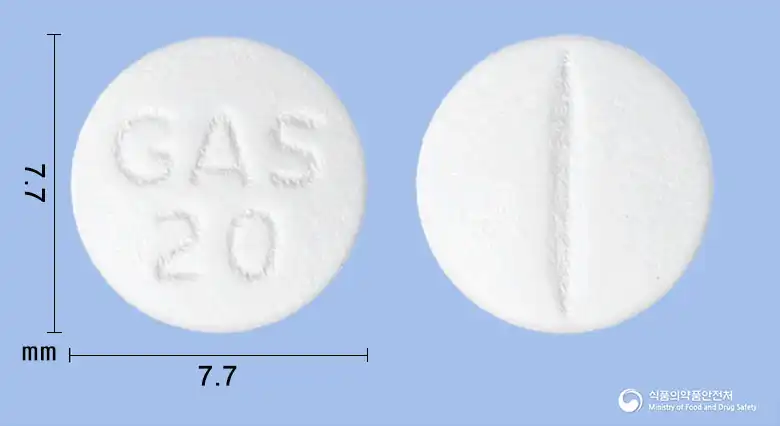
Famotidine 20mg
Prescription medication
Dong-A ST Co., Ltd.
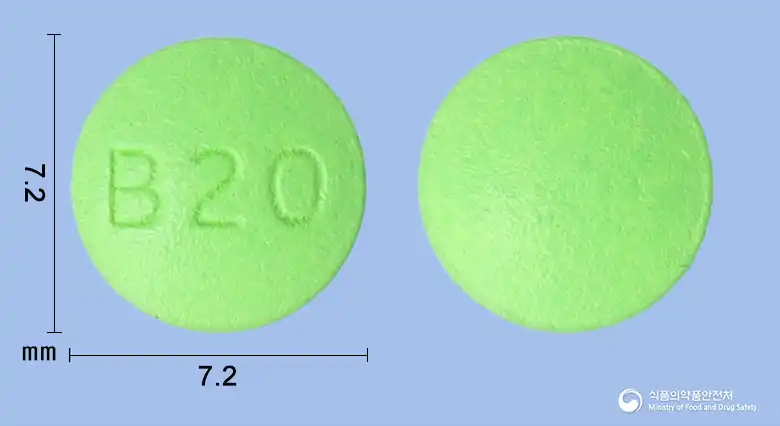
Famotidine 20mg
Tablet · Prescription medication
JW Pharmaceutical Corporation
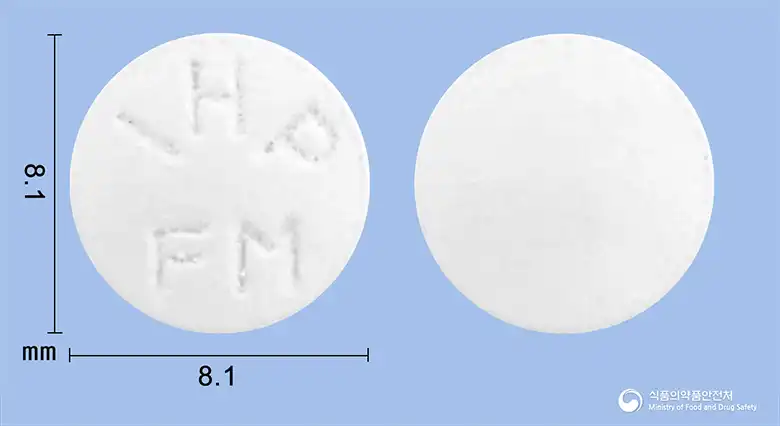
Famotidine 20mg
Tablet · Prescription medication
(Stock Company) Ilhwa
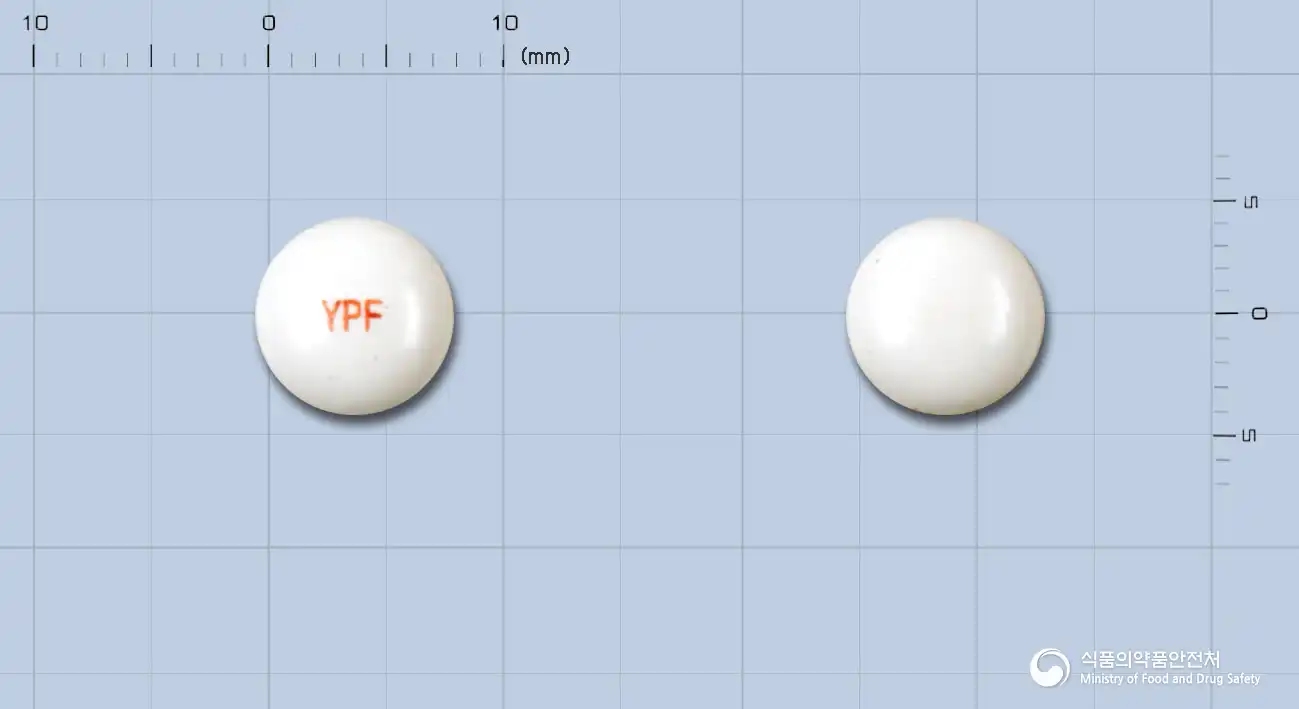
Famotidine 20mg
Prescription medication
Youngpoong Pharmaceutical Co., Ltd.
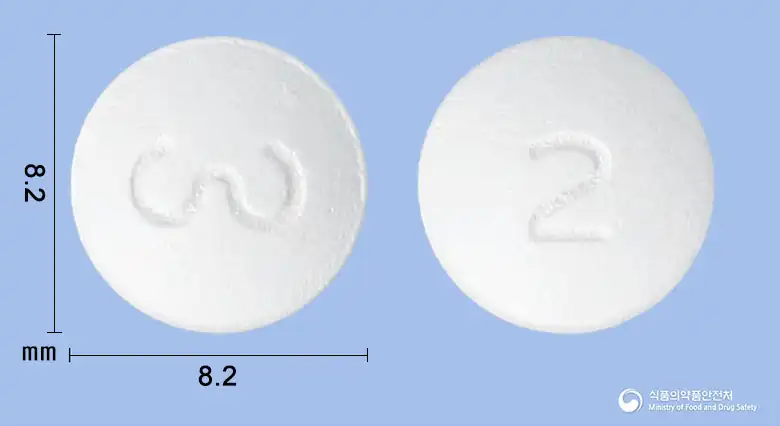
Famotidine 20mg
Tablet · Prescription medication
Withus Pharmaceutical Co., Ltd.
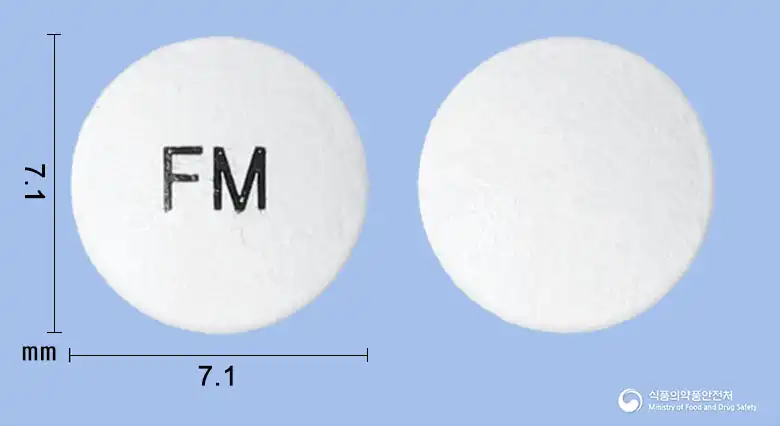
Famotidine 20mg
Prescription medication
(Stock Company) Seoul Pharmaceutical
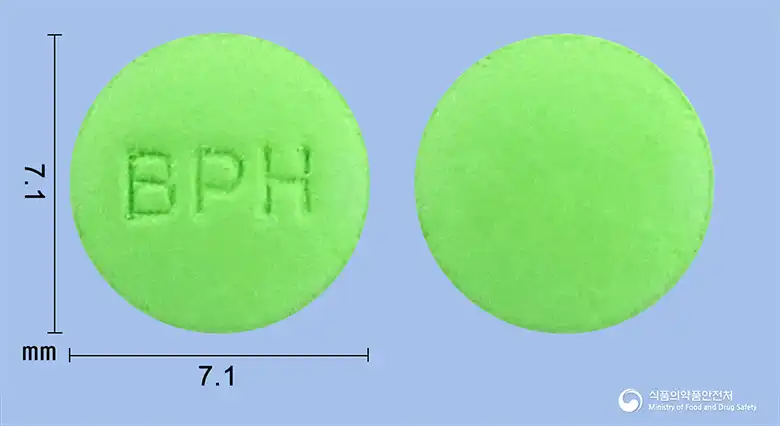
Famotidine 20mg
Tablet · Prescription medication
(Stock Company) Genupharm
Even with the same ingredient, the dose and directions can differ by strength and dosage form. Talk to a doctor or pharmacist before switching from a medication you are already taking.
No questions yet.
For anything that needs medical judgment, consult a doctor or pharmacist.
This drug information is based on data provided by the Korea Ministry of Food and Drug Safety.
Consult a doctor or pharmacist for accurate dosage, administration, and usage instructions.