
 한국어
한국어 English
 日本語
日本語 中文(简体)
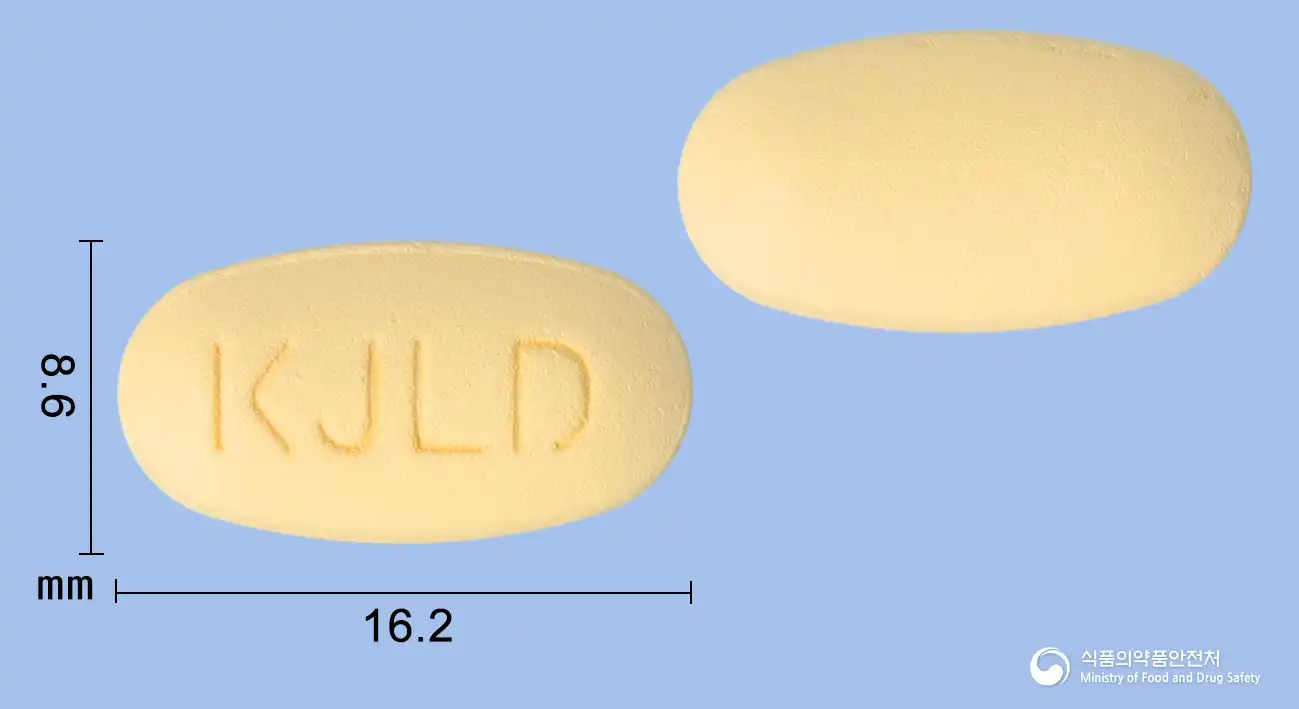
Dosage form image
Viewing nowCombinationLinaglipton 2.5/500 mg Tablet
Linagliptin 2.5mg · Metformin Hydrochloride 500mg
Tablet · Prescription medication · Combination
Korea Prime Pharmaceutical Co., Ltd.
MFDS item code 202002372 · Approved 2020.04.04
This product's status changed to Expired on 2025.04.04. It may no longer be sold, so consult a doctor or pharmacist before taking it.
Improvement of blood sugar control in type 2 diabetes
This medication is prescribed to assist patients with type 2 diabetes in controlling their blood sugar levels. Linagliptin and metformin work together to help effectively manage blood sugar along with dietary and exercise strategies. Therefore, it is used to improve blood sugar levels and support diabetes management.
This medication is administered twice daily with meals. To reduce gastrointestinal side effects related to metformin, dosage increases should be gradual. 1. For those who are not currently receiving metformin treatment: The initial dose is 2.5/500 mg taken as 1 tablet twice daily, which may be increased to 1 tablet twice daily of 2.5/1000 mg. 2. For transitioning from linagliptin and metformin combination therapy: Patients transitioning from the combination of linagliptin and metformin should take the same initial dosage as their previous regimen. 3. For patients who are unable to achieve sufficient blood sugar control with insulin and metformin combination therapy: The initial dose of this medication should be 2.5 mg of linagliptin twice daily (5 mg total daily dose) and a dose similar to the existing metformin dosage should be considered. When this medication is used in combination with insulin, a reduction of insulin dosage may be necessary to reduce the risk of hypoglycemia (refer to safety precautions for further information). Safety and efficacy studies have not been conducted for patients transitioning from other oral antidiabetic medications to this medication. Any changes in the treatment regimen for type 2 diabetes can affect blood sugar control and should be monitored appropriately. In cases of renal impairment, this medication may be used with dose adjustments under careful monitoring provided that no other symptoms that increase the risk of lactic acidosis are present. The starting dose for metformin is either 500mg or 850mg administered once daily and treatment should not start with this medication. The maximum recommended dose of metformin is 500 mg twice daily. Kidney function should be monitored closely every 3-6 months. If CrCl < 45 ml/min or eGFR < 45 ml/min/1.73m2, this medication must be discontinued immediately. For patients with liver dysfunction, this medication should not be administered due to the metformin component (refer to safety precautions for further information).
This medication can cause a serious side effect known as lactic acidosis, so it is important to be well-informed about this condition. Lactic acidosis is a rare but life-threatening condition that may present with symptoms such as abdominal pain, muscle pain, weakness, and difficulty breathing. This medication should not be administered to certain patients, such as those allergic to its ingredients, type 1 diabetes patients, patients with severe renal impairment, patients with acute cardiac problems or severe infections, those with liver dysfunction, patients with acute alcohol intoxication, as well as pregnant or breastfeeding women. There is a risk of hypoglycemia; therefore, blood sugar changes should be carefully monitored, especially when used with sulfonylureas or insulin. Hypoglycemia can also occur with increased physical activity or inadequate food intake. Renal function is critical, as metformin, one of the components of this medication, is excreted via the kidneys; hence, it should be avoided or used cautiously in patients with impaired renal function, and regular renal function tests should be conducted. Patients with compromised heart function should also exercise caution, and those with heart failure should regularly monitor their heart and kidney function under medical guidance. If iodinated contrast agents are used for radiological examinations, the use of this medication should be paused before and after the examination due to the risk of kidney function deterioration and lactic acidosis, and it can be resumed once kidney function is stable. Patients due for surgery should discontinue this medication 48 hours prior to the procedure and resume once kidney function has recovered post-surgery. Skin conditions such as acute pancreatitis or bullous pemphigoid can occur during treatment with this medication, so if persistent or severe abdominal pain or skin blistering occurs, the doctor should be informed immediately, and the medication should be stopped. Long-term use may decrease vitamin B12 levels, so if anemia or neurological symptoms occur, vitamin B12 levels should be checked and supplementation may be necessary. This medication can interact with various drugs, so if taking other medications, it’s essential to inform the doctor or pharmacist, particularly with any drugs affecting renal function. It’s advisable not to use this medication during pregnancy or breastfeeding; if planning for pregnancy, consult a physician to determine the appropriate treatment. Use is not recommended in children under 10 years of age, and elderly patients may require dosage adjustments and regular function tests due to the commonality of renal impairment. In case of overdose, gastrointestinal disturbances or lactic acidosis may occur, requiring immediate hospital treatment; blood dialysis may be necessary in some cases. This medication should be stored in a cool, dry place away from moisture and direct sunlight, and should be kept out of reach of children; it is recommended not to transfer it to another container.
Hives, angioedema, lactic acidosis, pancreatitis, bullous pemphigoid, hepatic dysfunction (abnormal liver function tests, hepatitis), acute pancreatitis, acute myocardial infarction, shock, difficulty breathing, asthma attack, shortness of breath, liver abnormalities (jaundice), severe allergic reactions, severe edema, severe headache, seizures, confusion, visual disturbances, paralysis, elevated blood pressure, significant decrease in urine output, acute kidney injury, end-stage renal disease, seizures,
Not everyone experiences these, and they can vary from person to person.
This medication is sensitive to air and moisture, so it must be stored in a tightly sealed container. It is also advisable to store it at room temperature between 1 to 30 degrees Celsius, avoiding extremes of temperature.
Biconvex oval film-coated tablets of bright yellow color
For domestic use - 30 tablets/PTP [6 tablets/PTP x 5 pieces]
Even with the same ingredient, strength, dosage form and how it is taken can differ.
Linagliptin 2.5mg · Metformin Hydrochloride 500mg
Tablet · Prescription medication · Combination
Korea Prime Pharmaceutical Co., Ltd.
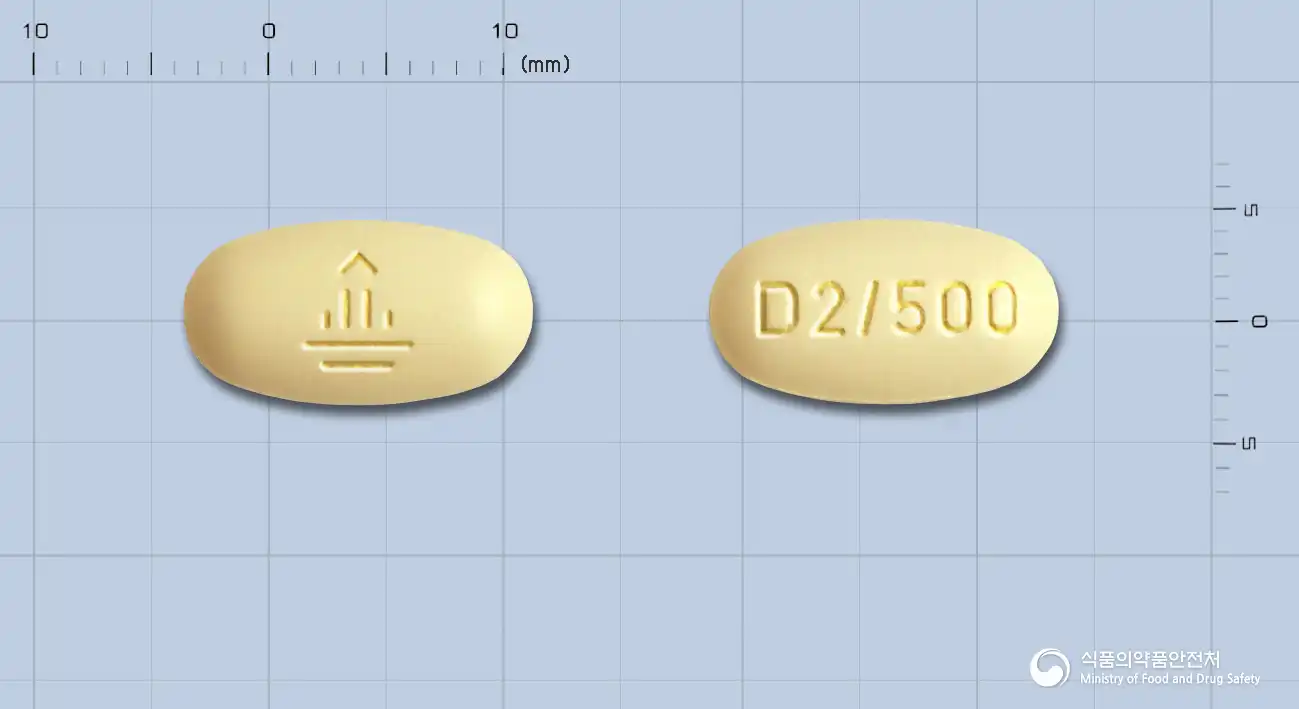 Combination
Linagliptin 2.5mg · Metformin Hydrochloride 500mg
Tablet · Prescription medication · Combination
Boehringer Ingelheim Korea Co., Ltd.
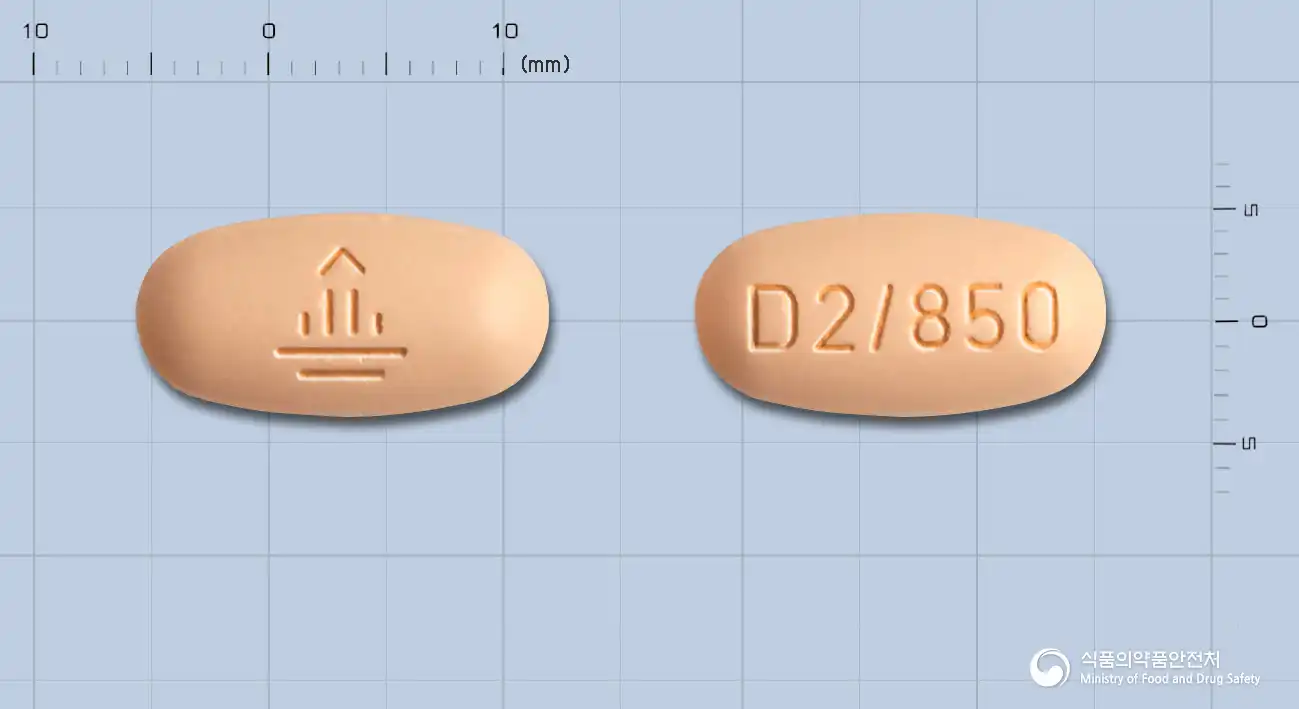 Combination
Linagliptin 2.5mg · Metformin Hydrochloride 850mg
Tablet · Prescription medication · Combination
Boehringer Ingelheim Korea Co., Ltd.
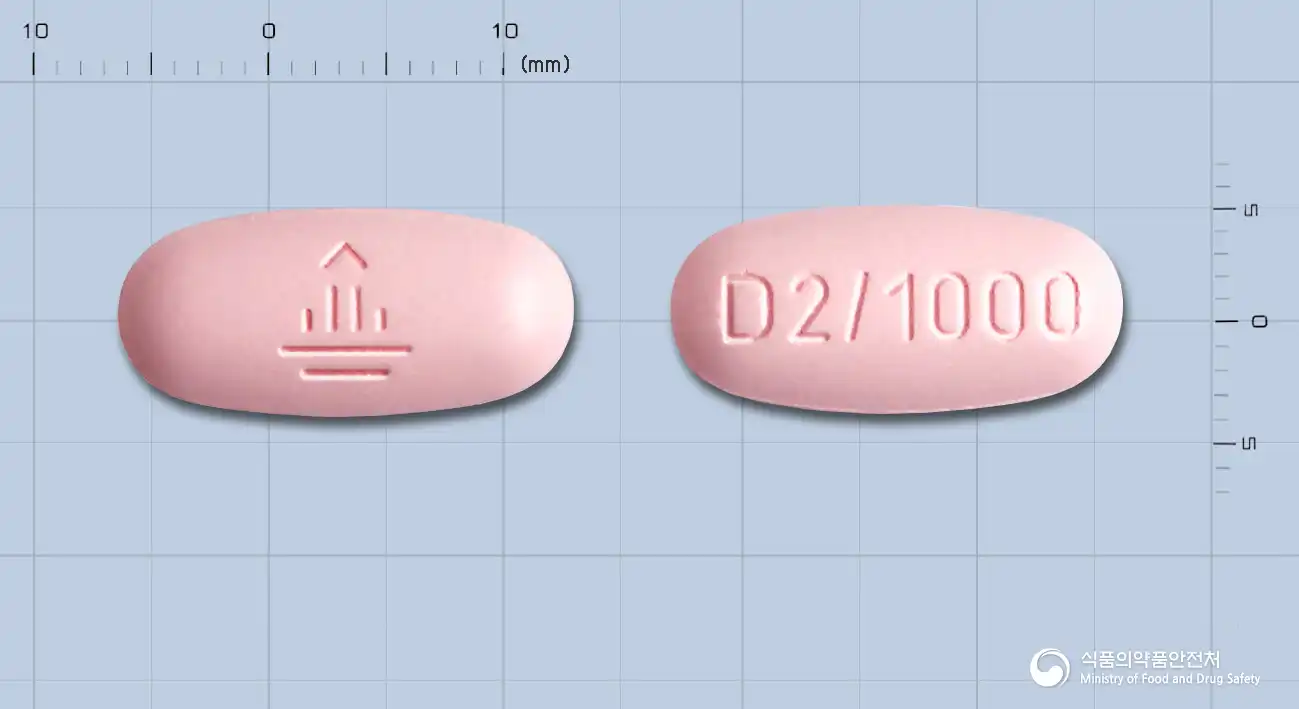 Combination
Linagliptin 2.5mg · Metformin Hydrochloride 1000mg
Tablet · Prescription medication · Combination
Boehringer Ingelheim Korea Co., Ltd.
Linagliptin 2.5mg · Metformin Hydrochloride 1000mg
Tablet · Prescription medication · Combination
Anguk Pharm Co., Ltd.
Linagliptin 2.5mg · Metformin Hydrochloride 1000mg
Prescription medication · Combination
Hanmi Pharmaceutical Co., Ltd.
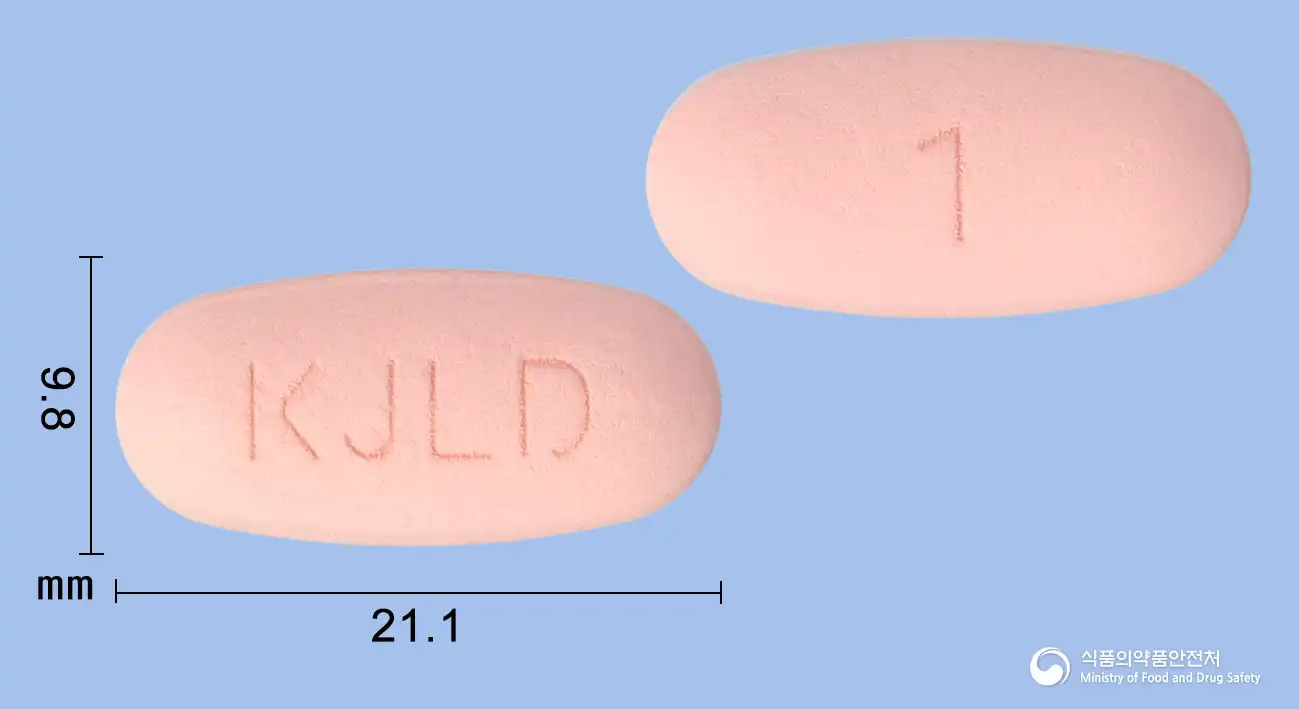 Combination
Linagliptin 2.5mg · Metformin Hydrochloride 1000mg
Tablet · Prescription medication · Combination
Kukje Pharmaceutical Co., Ltd.
 Combination
Linagliptin 2.5mg · Metformin Hydrochloride 500mg
Tablet · Prescription medication · Combination
International Pharmaceutical Co., Ltd.
Even with the same ingredient, the dose and directions can differ by strength and dosage form. Talk to a doctor or pharmacist before switching from a medication you are already taking.
No questions yet.
For anything that needs medical judgment, consult a doctor or pharmacist.
This drug information is based on data provided by the Korea Ministry of Food and Drug Safety.
Consult a doctor or pharmacist for accurate dosage, administration, and usage instructions.