한국어
한국어 English
 日本語
日本語 中文(简体)
 Viewing now
Amodipine Tablets 2.5 mg (Amlodipine Besylate)
Amlodipine Camsylate 3.921mg
Tablet · Prescription medication
Hanmi Pharmaceutical Co., Ltd.
MFDS item code 202002271 · Approved 2020.03.31 · Insurance code 643508230
Effectively treats myocardial ischemia due to hypertension and coronary artery disease (stable and variant angina), and reduces the risk of hospitalization due to angina and coronary vascular procedures.
This medication is used to treat myocardial ischemia such as hypertension and stable angina or variant angina due to vasospasm. Additionally, it is effective in reducing the risk of hospitalization due to angina and coronary vascular procedures in patients with confirmed coronary artery disease without heart failure or with an ejection fraction of over 40%. These effects help maintain cardiovascular health and prevent the occurrence of complications.
Administer 5 mg of amlodipine orally once daily, which may be titrated up to a maximum of 10 mg per day according to the patient's response. Adjust dose according to age and symptoms.
The effective oral dose of amlodipine for blood pressure reduction is 2.5 mg to 5 mg once daily. Doses exceeding 5 mg per day have not been studied in pediatric patients.
This medication should not be administered to certain patients. For example, patients who have had an allergic reaction to this medication or similar class of drugs, nursing women, patients with severe liver dysfunction, patients with severe aortic stenosis, and patients in a state of shock should not receive this medication. Moreover, it should be administered with caution to some patients. Patients with severe hypotension, those requiring dialysis for renal failure, elderly patients, and women who are pregnant or may become pregnant should take care when using this medication. This medication lowers blood pressure and acts on the heart and blood vessels, and common side effects may include flushing, fatigue, edema, palpitations, dizziness, headache, drowsiness, abdominal pain, and nausea. Rarely, symptoms such as significant hypotension, allergic reactions, skin rashes, hair loss, cough, insomnia, and mood changes may occur, so if any unusual symptoms arise, consult a physician immediately. Patients with heart failure or liver impairment may be more sensitive to the effects and side effects of this medication, so dosages should be adjusted according to a physician's instructions and monitored carefully. This medication may interact with other antihypertensives or various medications, so it is crucial to inform your doctor or pharmacist if you are taking any other medications. In particular, grapefruit juice can significantly enhance the effects of this medication, so co-administration should be avoided. Women who are pregnant or nursing should consult a physician before using this medication, and it is recommended to stop breastfeeding while taking this medication. This medication is only approved for use in children aged 6 years and older, and safety and efficacy in children under 6 years have not been established. In case of overdose, severe symptoms may occur due to excessively low blood pressure, prompting immediate medical attention for appropriate treatment. Finally, while this medication is unlikely to significantly impair driving or the ability to operate machinery, caution is advised when first taking it or if side effects occur.
Urticaria, severe swelling (edema), difficulty breathing, jaundice of the skin or eyes, generalized malaise, generalized swelling associated with elevated blood pressure, severe allergic reactions, severe edema or urinary abnormalities, liver abnormalities, jaundice, severe skin reactions, severe rash with fever, blisters, skin peeling, pain in the mucous membranes of the mouth/eyes, severe neurological symptoms, sudden and severe headaches, seizures, confusion, visual disturbances, paralysis.
Not everyone experiences these, and they can vary from person to person.
This medication is sensitive to light, so it should be stored in a container that is not exposed to light. Additionally, store the medication at room temperature, between 1 to 30 degrees Celsius, and not in excessively hot or cold places.
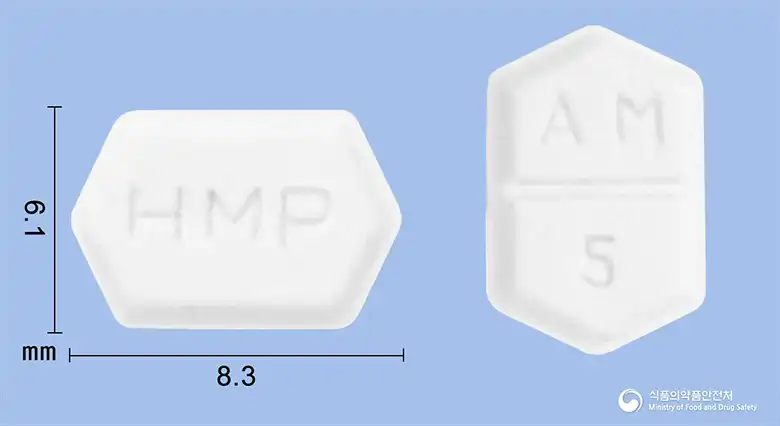
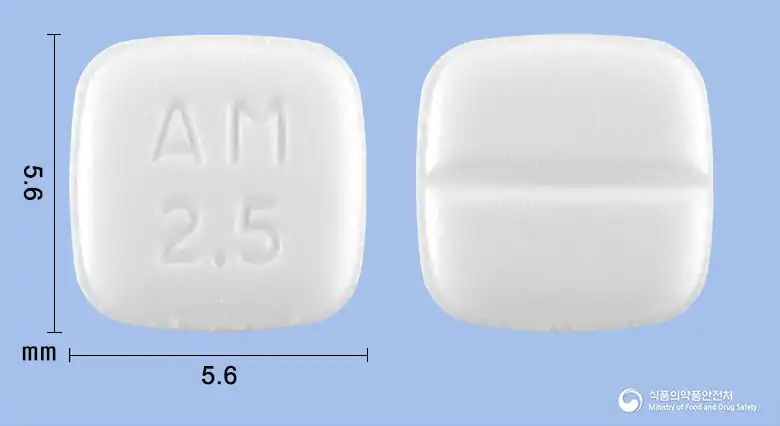
This medication is a white square tablet.
30 tablets/bottle
Even with the same ingredient, strength, dosage form and how it is taken can differ.
Even with the same ingredient, the dose and directions can differ by strength and dosage form. Talk to a doctor or pharmacist before switching from a medication you are already taking.
No questions yet.
For anything that needs medical judgment, consult a doctor or pharmacist.
This drug information is based on data provided by the Korea Ministry of Food and Drug Safety.
Consult a doctor or pharmacist for accurate dosage, administration, and usage instructions.