
 한국어
한국어 English
 日本語
日本語 中文(简体)
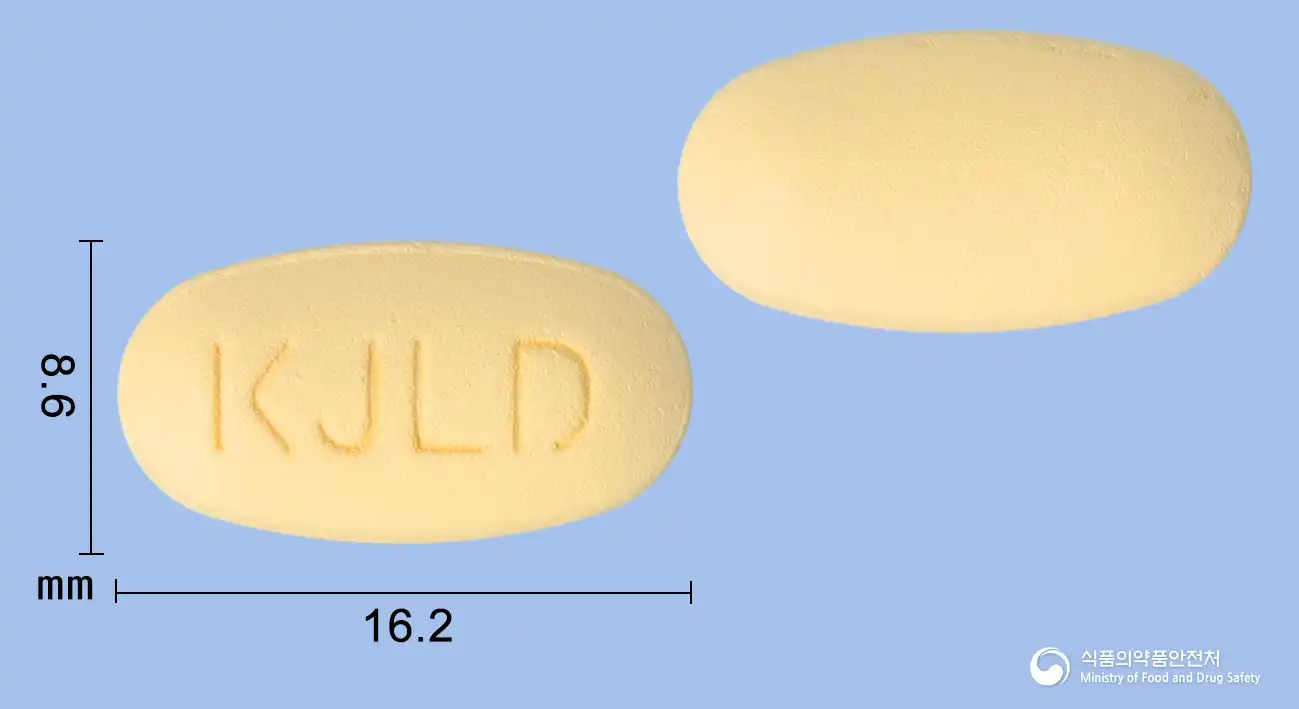
Dosage form image
Viewing nowCombinationLinagliptin Metformin Duo Tablet 2.5/1000 mg
Linagliptin 2.5mg · Metformin Hydrochloride 1000mg
Tablet · Prescription medication · Combination
Guju Pharmaceutical Co., Ltd.
MFDS item code 202002225 · Approved 2020.03.31
This product's status changed to Expired on 2025.03.31. It may no longer be sold, so consult a doctor or pharmacist before taking it.
Improvement of blood sugar control in adults with type 2 diabetes
This medication is used to help control blood sugar in adults with type 2 diabetes. It is particularly administered as an adjunct when blood sugar control is difficult with diet and exercise alone. It is effective for patients who have not previously received diabetic medication or for those who do not achieve adequate blood sugar control with monotherapy using metformin. Additionally, it can be used in combination with metformin, sulfonylureas, insulin, empagliflozin, etc., to improve blood sugar control. Various treatment methods can be administered according to the patient's condition, allowing for appropriate use. This effectively improves blood sugar control.
The dosage of this medication is determined based on the maximum recommended dosage of each component, which is 2.5 mg of linagliptin and 1000 mg of metformin, without exceeding twice daily for each patient based on their current therapy, efficacy, and tolerance. This medication is administered twice daily with meals. 1. If not currently treated with metformin: Take 2.5/500 mg of this medication twice daily, 1 tablet each time. The dosage can be increased to 2.5/1000 mg, 1 tablet twice daily. 2. If sufficient blood sugar control cannot be achieved with metformin monotherapy: Beginning dosage should include linagliptin 2.5 mg twice daily (total daily amount 5 mg) and existing metformin dosage (for example, if a patient is taking 1000 mg of metformin twice daily, they would take linagliptin 2.5 mg/metformin 1000 mg twice daily with meals). 3. When switching from combination therapy of linagliptin and metformin: Patients switching to this medication from a combination therapy of linagliptin and metformin should start with their existing dosing of linagliptin and metformin. 4. If adequate blood sugar control cannot be achieved with the combination therapy of metformin and sulfonylureas: The initial dose of this medication should consider linagliptin 2.5 mg twice daily (total daily amount 5 mg) and a similar amount to the existing metformin dosage. When using this medication with sulfonylureas, a reduction in sulfonylurea dosage may be necessary to reduce the risk of hypoglycemia (refer to precautions, item 2: Should be administered with caution in the following patients). 5. If sufficient blood sugar control cannot be achieved with combination therapy of insulin and metformin: The initial dosage of this medication should consider linagliptin 2.5 mg twice daily (total daily amount 5 mg) and a similar amount to the existing metformin dosage. When using this medication with insulin, a reduction in insulin dosage may be necessary to reduce the risk of hypoglycemia (refer to precautions, item 2: Should be administered with caution in the following patients). No studies have been conducted reviewing the safety and efficacy in patients switching from another oral hypoglycemic agent to this medication. Any changes in treatment for type 2 diabetes may affect blood sugar control, so careful monitoring should be performed. Patients with renal impairment: This medication can be used for patients with moderate renal impairment stage 3a (creatinine clearance [CrCl] 45 ≤ CrCl < 60 ml/min or estimated glomerular filtration rate (eGFR) 45 ≤ eGFR < 60 mL/min/1.73 m²) if there are no accompanying symptoms that could increase the risk of lactic acidosis. The starting dose for metformin is 500 mg or 850 mg once daily, so treatment with this medication should not begin. Maximum recommended dose for metformin is 500 mg twice daily. Renal function should be carefully monitored every 3-6 months. If CrCl < 45 ml/min or eGFR < 45 ml/min/1.73 m², this medication should be discontinued immediately. Patients with liver impairment: This medication should not be administered to patients with liver dysfunction due to the metformin component (refer to precautions, item 1: Should not be administered to the following patients).
This medication helps control blood sugar. However, it can cause serious side effects, such as lactic acidosis. Lactic acidosis can lead to a dangerous condition due to an excessive buildup of lactic acid in the body. This medication should not be administered to certain patients. For example, patients who are allergic to any of the components of this medication, those with type 1 diabetes, patients with severe renal impairment, patients with acute infections or severe dehydration, patients with liver dysfunction, women who are pregnant or breastfeeding should not take this medication. Moreover, this medication may cause hypoglycemia, so monitoring blood glucose levels is essential, especially when taken together with other blood sugar-lowering agents like insulin or sulfonylureas. Symptoms of hypoglycemia include dizziness, cold sweats, and severe fatigue. Patients with impaired renal function must undergo renal function tests before taking this medication and should not take it if their renal function is severely impaired. In situations where acute worsening of renal function is expected, the use of this medication should be temporarily suspended. Patients with heart disease or those with heart failure should undergo regular assessments of heart and kidney function while taking this medication. This medication must be temporarily discontinued before and after administration of iodine contrast agents used in radiological examinations, as well as for certain periods before and after surgery. If symptoms of acute pancreatitis or blistering similar to bullous pemphigoid appear during treatment, immediate consultation with a physician is required. Prolonged use of this medication may lead to decreased vitamin B12 levels; if vitamin B12 deficiency symptoms are suspected, blood tests should be conducted, and supplementation should be provided if necessary. It is advisable to avoid alcohol consumption while taking this medication, particularly during acute alcohol intoxication. Furthermore, there may be interactions with other medications, so it is vital to inform your doctor or pharmacist of any other medications you are taking. Women who are pregnant or planning to become pregnant should not take this medication, and breastfeeding women should also avoid it. This medication is not recommended for children under age 10, and dosage adjustments may be necessary for elderly patients depending on renal function. In case of overdose, gastrointestinal disorders or lactic acidosis may occur, and immediate medical treatment should be sought. Finally, this medication should be stored out of reach of children, in a cool, dry place.
Urticaria, angioedema, lactic acidosis, liver dysfunction (including abnormal liver function tests, jaundice symptoms), pancreatitis, bullous pemphigoid, angina pectoris, acute myocardial infarction, unstable angina pectoris, congestive heart failure, cardiac arrest, acute kidney injury, acute cholangitis, acute cholecystitis, cholangitis, cholelithiasis, fever, pneumonia, respiratory distress, asthma attacks, angioedema, severe allergic reactions (urticaria, severe swelling, chest tightness
Pharyngitis, hypersensitivity, decreased vitamin B12 and deficiency, hypoglycemia (when used with sulfonylureas), taste disturbances, cough, decreased appetite, diarrhea, constipation (when used with insulin), nausea, vomiting, abdominal pain, mouth ulcer formation, abnormal liver function tests, hepatitis, pruritus, erythema, rash, severe and disabling arthralgia, rhabdomyolysis, increased lipase, increased amylase, increased serum triglycerides, decreased hemoglobin, dizziness,
Not everyone experiences these, and they can vary from person to person.
This medication is sensitive to moisture; therefore, it should be stored in a tightly sealed container to prevent air or moisture from entering. It is recommended to maintain storage temperatures between 1 and 30 degrees Celsius.
Light pink, oval, biconvex, film-coated tablet
60 tablets/TP[10 tablets/TP x 6]
Even with the same ingredient, strength, dosage form and how it is taken can differ.
Linagliptin 2.5mg · Metformin Hydrochloride 1000mg
Tablet · Prescription medication · Combination
Guju Pharmaceutical Co., Ltd.
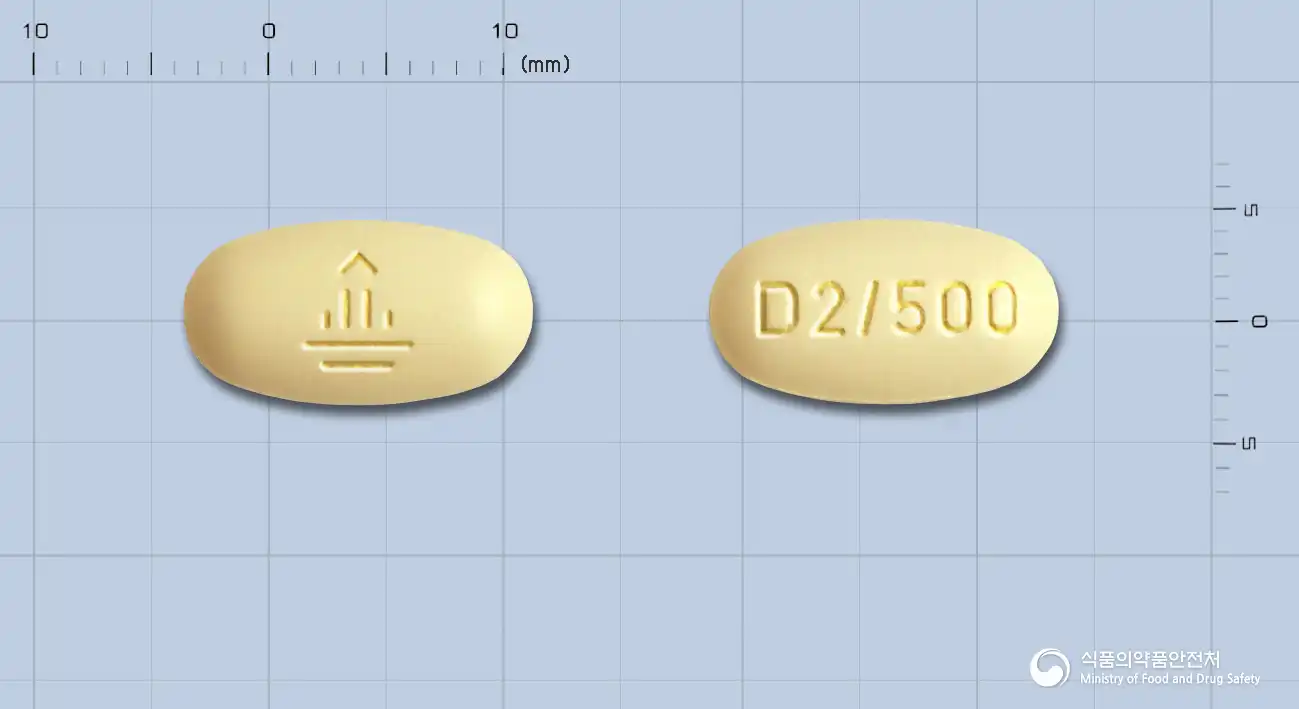 Combination
Linagliptin 2.5mg · Metformin Hydrochloride 500mg
Tablet · Prescription medication · Combination
Boehringer Ingelheim Korea Co., Ltd.
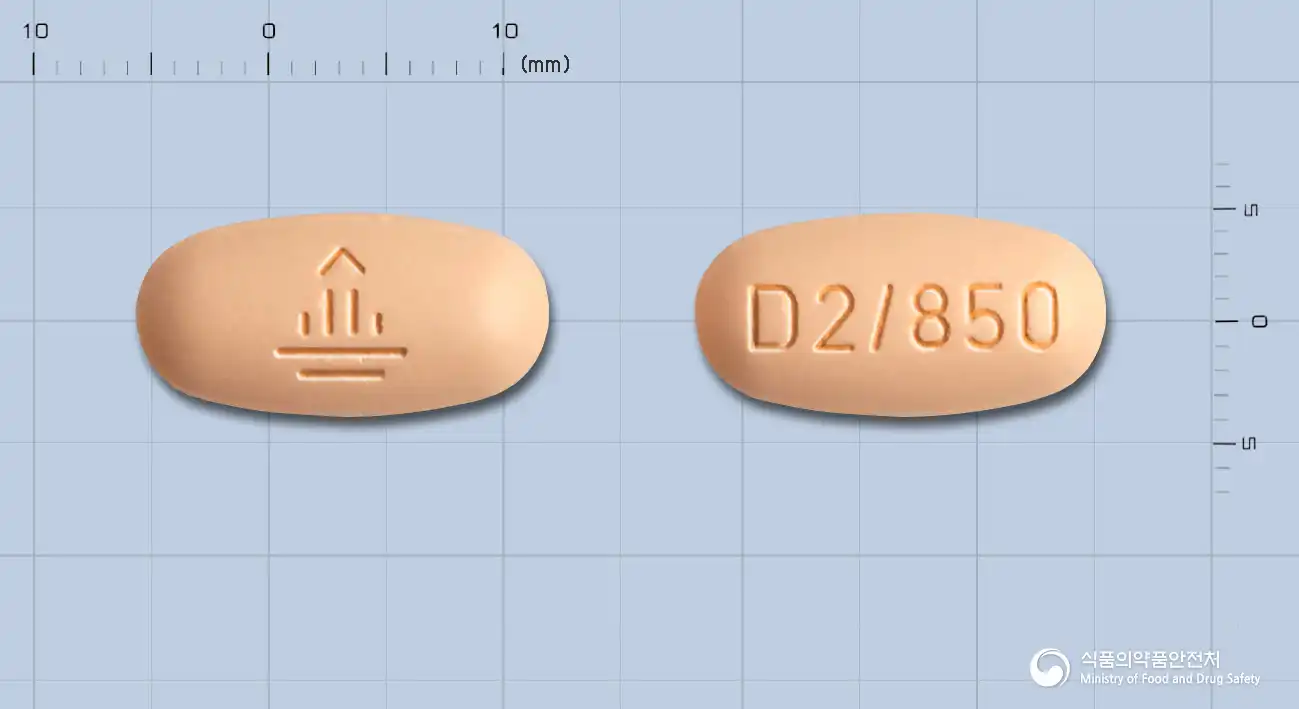 Combination
Linagliptin 2.5mg · Metformin Hydrochloride 850mg
Tablet · Prescription medication · Combination
Boehringer Ingelheim Korea Co., Ltd.
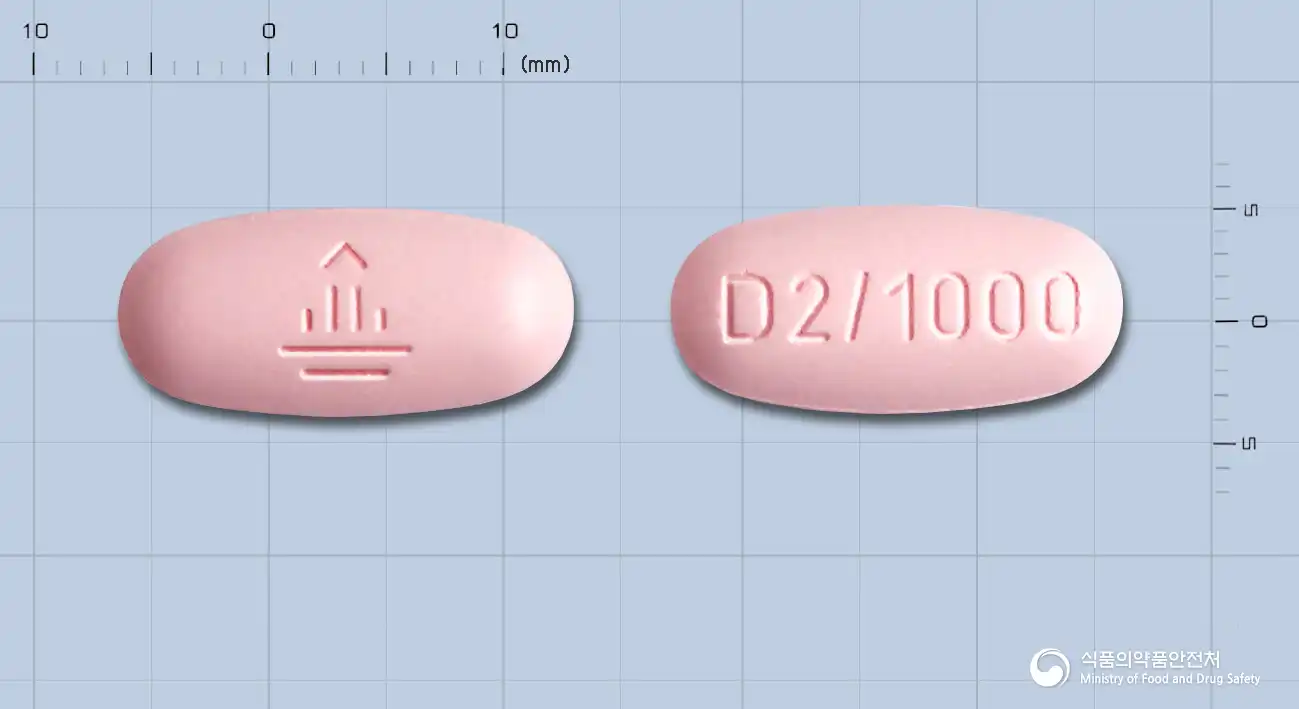 Combination
Linagliptin 2.5mg · Metformin Hydrochloride 1000mg
Tablet · Prescription medication · Combination
Boehringer Ingelheim Korea Co., Ltd.
Linagliptin 2.5mg · Metformin Hydrochloride 1000mg
Tablet · Prescription medication · Combination
Anguk Pharm Co., Ltd.
Linagliptin 2.5mg · Metformin Hydrochloride 1000mg
Prescription medication · Combination
Hanmi Pharmaceutical Co., Ltd.
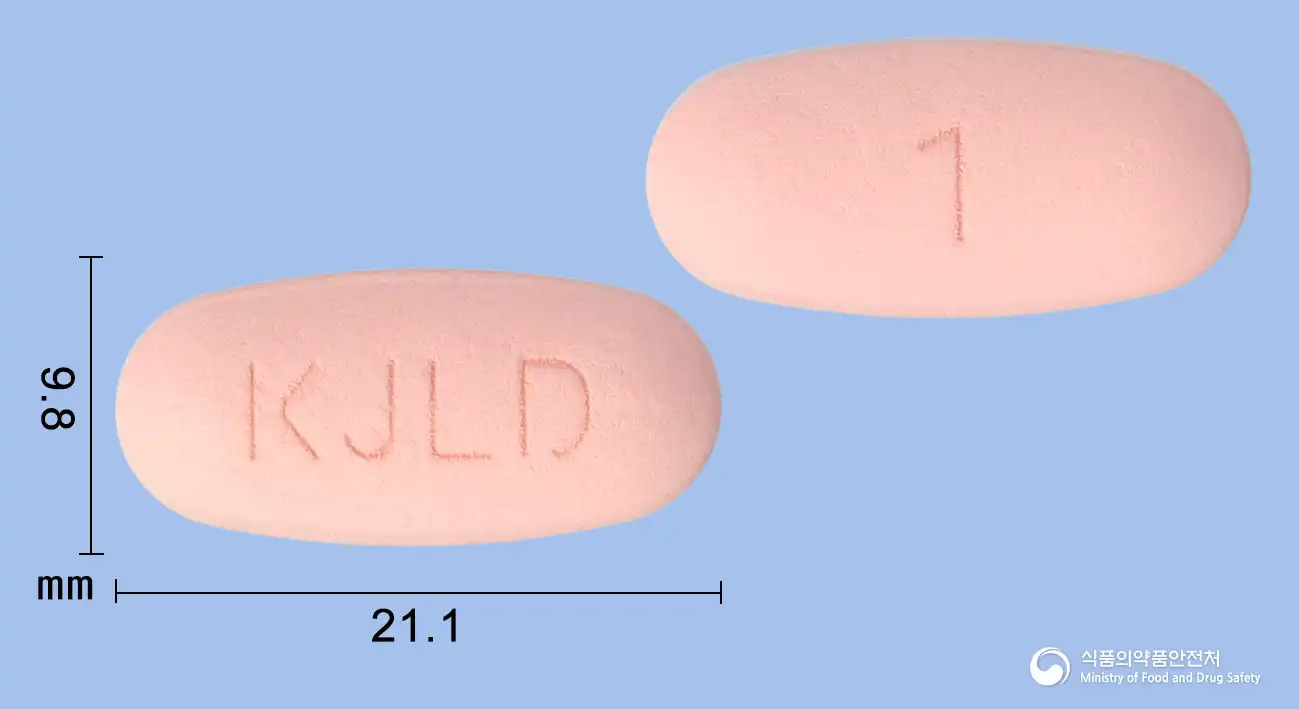 Combination
Linagliptin 2.5mg · Metformin Hydrochloride 1000mg
Tablet · Prescription medication · Combination
Kukje Pharmaceutical Co., Ltd.
 Combination
Linagliptin 2.5mg · Metformin Hydrochloride 500mg
Tablet · Prescription medication · Combination
International Pharmaceutical Co., Ltd.
Even with the same ingredient, the dose and directions can differ by strength and dosage form. Talk to a doctor or pharmacist before switching from a medication you are already taking.
No questions yet.
For anything that needs medical judgment, consult a doctor or pharmacist.
This drug information is based on data provided by the Korea Ministry of Food and Drug Safety.
Consult a doctor or pharmacist for accurate dosage, administration, and usage instructions.