
 한국어
 English
 日本語
 中文(简体)
 Viewing now
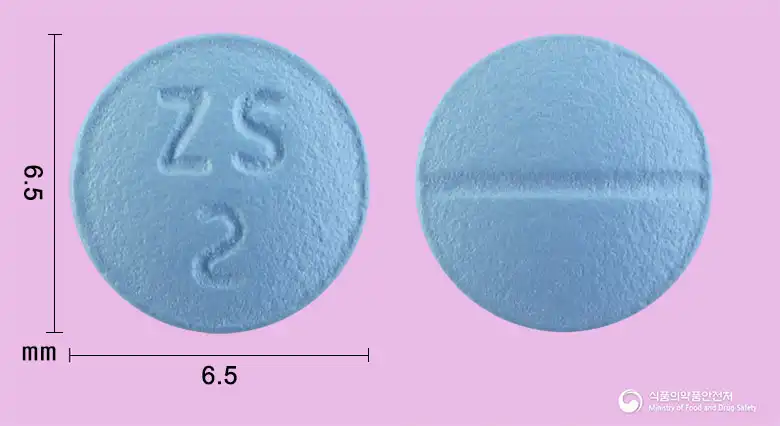
JOS 2 mg (Eszopiclone)
Eszopiclone 2mg
Tablet · Prescription medication
Myungjin Pharmaceutical Co., Ltd.
MFDS item code 202002180 · Approved 2020.03.30 · Insurance code 651904910
Treatment of insomnia
This medication is used for insomnia, specifically for difficulties in falling asleep or maintaining sleep.
Use the lowest effective dose of this medicine. The recommended daily dose for adults is 1mg. If clinically necessary, the dose may be increased to 2-3mg. Since taking this medicine may impair driving or other activities requiring full alertness the following day, take it once immediately before bedtime, allowing at least 7-8 hours between taking the medicine and waking up. Do not exceed the recommended dose of 3mg; take once immediately before bedtime. For elderly or debilitated patients, do not exceed 2mg per day. For patients with severe hepatic impairment or those taking potent CYP3A4 inhibitors, do not exceed 2mg per day (see Interactions). For patients taking central nervous system depressants, dose adjustment may be necessary because of the possibility of additive effects. Taking this medicine with or immediately after a high-fat/high-calorie meal is expected to slow its absorption and reduce its effect on sleep latency.
This medication is a central nervous system depressant, so caution is advised when engaging in risky activities such as driving or operating machinery the next day after taking it. Taking with other central nervous system depressants or alcohol can potentiate the depressant effects, necessitating dosage adjustments. It should only be taken before sleep, as taking it while awake may result in memory loss, hallucinations, dizziness, etc. Elderly or frail patients should be particularly cautious due to the increased risk of falls from drowsiness and decreased consciousness. If insomnia symptoms do not improve after 7-10 days, further evaluation by a physician is necessary to rule out other disorders. Severe allergic reactions may rarely occur in patients taking this medication for the first time or on a continuous basis; if unusual symptoms arise, discontinue use immediately. Abnormal behaviors such as complex sleep behaviors (e.g., driving or eating while asleep) may occur; if such symptoms develop, stop taking the medication and consult a doctor. This medication carries the risk of abuse and dependence, so patients with a history of psychiatric disorders or drug abuse should be monitored closely. Elderly patients or those with impaired liver function should use a reduced dosage, and patients with certain genetic disorders should not be administered this drug. Pregnant or breastfeeding women should consult a doctor before taking this medication, and its safety has not been established in pediatric patients under 18 years of age. Overdose may lead to decreased consciousness, respiratory depression, and requires immediate emergency treatment. This medication should be stored out of reach of children and kept in its original container to maintain its quality.
Not everyone experiences these, and they can vary from person to person.
This medication must be stored in a tightly sealed container to protect it from air and moisture. Additionally, it is advisable to avoid storing the medication in areas that are too hot or too cold, ideally keeping it at room temperature between 1 to 30 degrees Celsius.
Light blue round film-coated tablet
30 tablets/bottle, 100 tablets/bottle
Even with the same ingredient, strength, dosage form and how it is taken can differ.
Viewing nowEszopiclone 2mg
Tablet · Prescription medication
Myungjin Pharmaceutical Co., Ltd.
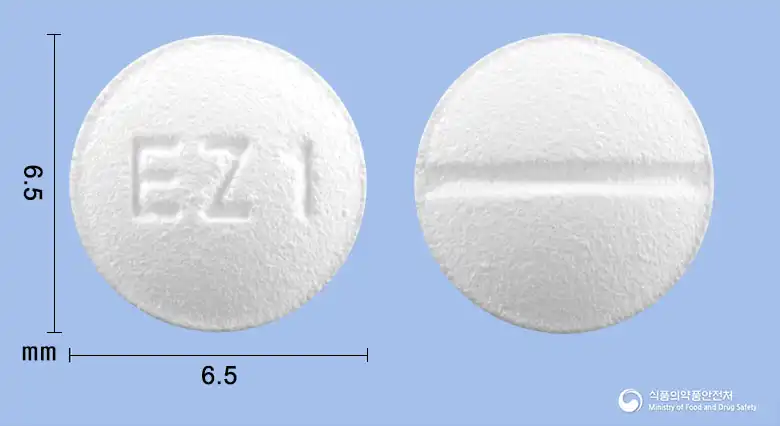
Eszopiclone 1mg
Tablet · Prescription medication
Huons Co., Ltd.
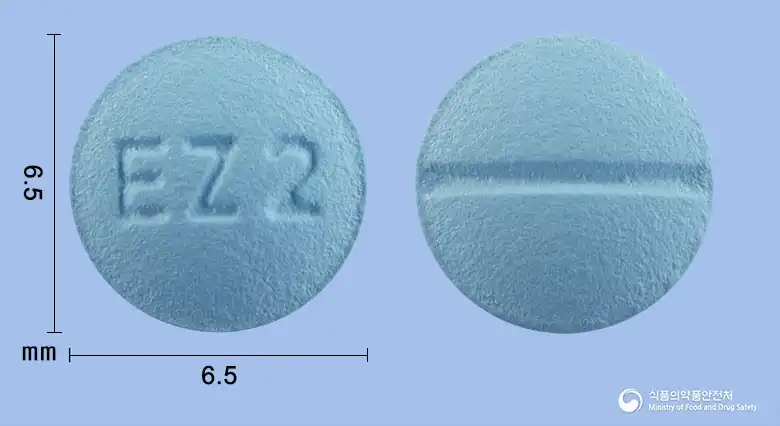
Eszopiclone 2mg
Tablet · Prescription medication
Huons Co., Ltd.
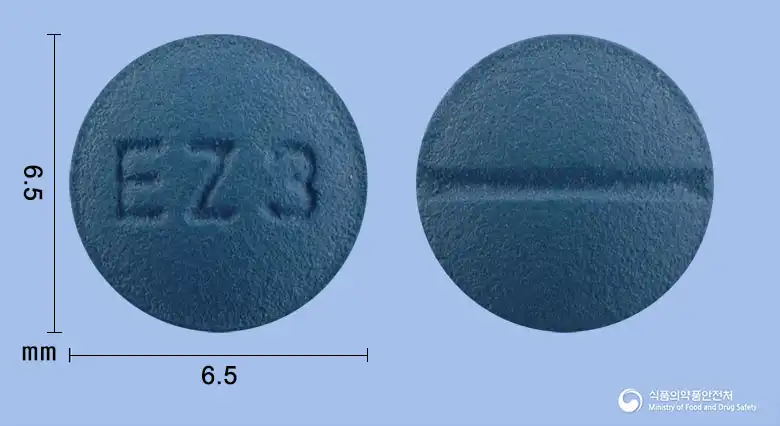
Eszopiclone 3mg
Tablet · Prescription medication
Huons Co., Ltd.
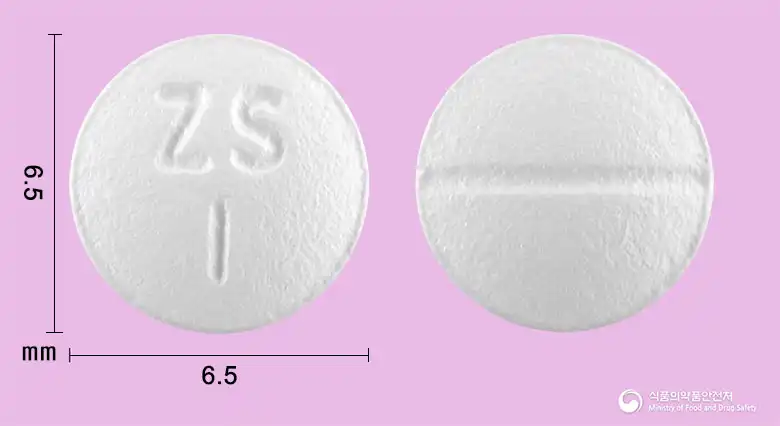
Eszopiclone 1mg
Tablet · Prescription medication
Myongin Pharmaceutical Co., Ltd.
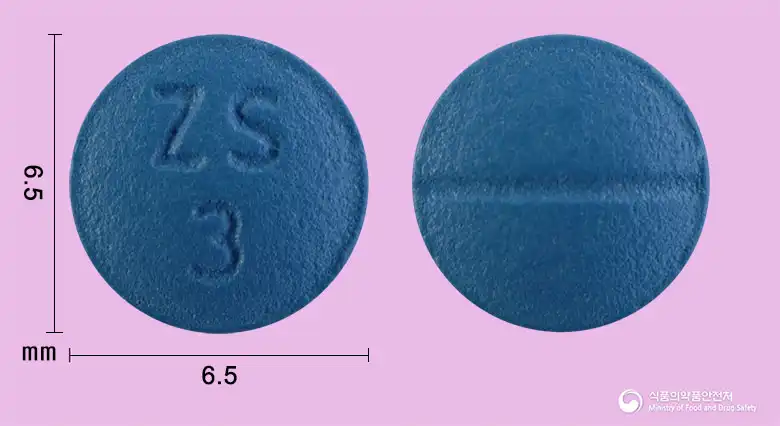
Eszopiclone 3mg
Tablet · Prescription medication
Myungjin Pharmaceutical Co., Ltd.
Eszopiclone 1mg
Tablet · Prescription medication
Hwanin Pharmaceutical Co., Ltd.
Eszopiclone 2mg
Tablet · Prescription medication
Hanin Pharmaceutical Co., Ltd.
Even with the same ingredient, the dose and directions can differ by strength and dosage form. Talk to a doctor or pharmacist before switching from a medication you are already taking.
No questions yet.
For anything that needs medical judgment, consult a doctor or pharmacist.
This drug information is based on data provided by the Korea Ministry of Food and Drug Safety.
Consult a doctor or pharmacist for accurate dosage, administration, and usage instructions.