
 한국어
 English
 日本語
 中文(简体)
 Viewing now
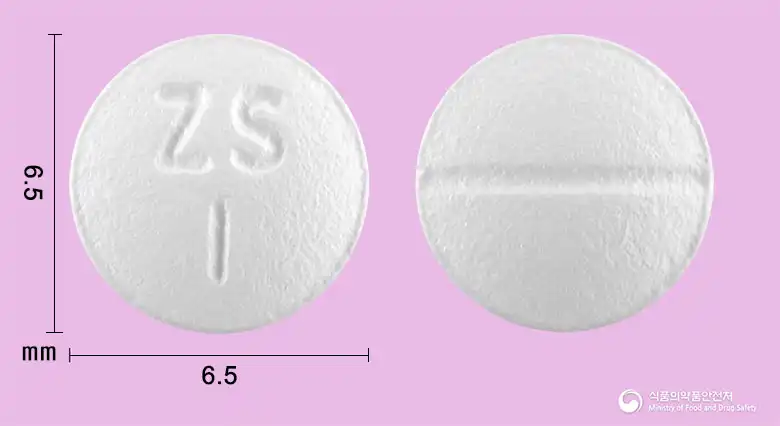
JOS 1 Milligram (Eszopiclone)
Eszopiclone 1mg
Tablet · Prescription medication
Myongin Pharmaceutical Co., Ltd.
MFDS item code 202002178 · Approved 2020.03.30 · Insurance code 651904900
Treatment of insomnia
This drug is used to improve insomnia, which includes difficulty falling asleep or maintaining sleep.
Use the lowest effective dose of this medicine. The recommended daily dose for adults is 1mg. If clinically necessary, the dose may be increased to 2-3mg. Since taking this medicine may impair driving or other activities requiring full alertness the following day, take it once immediately before bedtime, allowing at least 7-8 hours between taking the medicine and waking up. Do not exceed the recommended dose of 3mg; take once immediately before bedtime. For elderly or debilitated patients, do not exceed 2mg per day. For patients with severe hepatic impairment or those taking potent CYP3A4 inhibitors, do not exceed 2mg per day (see Interactions). For patients taking central nervous system depressants, dose adjustment may be necessary because of the possibility of additive effects. Taking this medicine with or immediately after a high-fat/high-calorie meal is expected to slow its absorption and reduce its effect on sleep latency.
This medication acts on the central nervous system to induce sedation and sleep. Drowsiness and impaired consciousness may occur after taking it, so special caution is required when performing hazardous activities such as driving or operating machinery, especially after high doses. In addition, taking this medication with other central nervous system depressants or alcohol can enhance the depressant effects and be dangerous, so co-administration should be avoided. It should be taken just before bedtime, and taking it while awake may cause memory problems, hallucinations, dizziness, etc. This medication is used when sleep disturbances are present; however, if symptoms do not improve after 1 to 2 weeks of treatment, evaluation for other physical or mental disorders is necessary. Serious allergic reactions, such as swelling of the tongue or throat, may occur in some patients, so if these symptoms appear, discontinue use immediately and seek emergency care. Complex sleep behaviors, such as driving or eating while asleep, may occur, and if this happens, the medication should be stopped immediately. This medication has a risk of dependence and abuse; therefore, patients with a history of substance abuse should be closely monitored. Long-term use may reduce efficacy, so it should be taken according to a doctor's instructions. Elderly or frail patients may be more sensitive to this medication, so it should be used carefully without exceeding the recommended dose, and dosage adjustments may be necessary for patients with impaired liver or kidney function. Pregnant or nursing women should consult with a doctor before taking this medication, as its effects on the fetus or infant are not clearly known. This medication is not to be used in children under 18 years of age, and patients with hypersensitivity or respiratory failure should not take it. In case of overdose, severe central nervous system depression and impaired consciousness may occur; therefore, it is essential to adhere strictly to the prescribed dosage, and in case of an overdose, immediate medical treatment is required. Finally, this medication should be stored out of the reach of children and kept in its original container to prevent misuse or deterioration of quality.
Not everyone experiences these, and they can vary from person to person.
This medication should be kept in a sealed container to protect it from air and moisture, maintaining a storage temperature between 1 and 30 degrees Celsius at room temperature. Proper storage will help maintain the effectiveness of the medication for a longer time.
White round film-coated tablet
30 tablets/bottle, 100 tablets/bottle
Even with the same ingredient, strength, dosage form and how it is taken can differ.
Viewing nowEszopiclone 1mg
Tablet · Prescription medication
Myongin Pharmaceutical Co., Ltd.
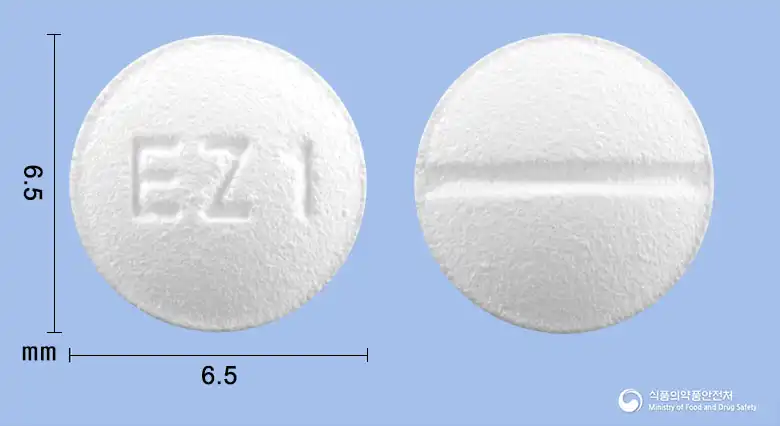
Eszopiclone 1mg
Tablet · Prescription medication
Huons Co., Ltd.
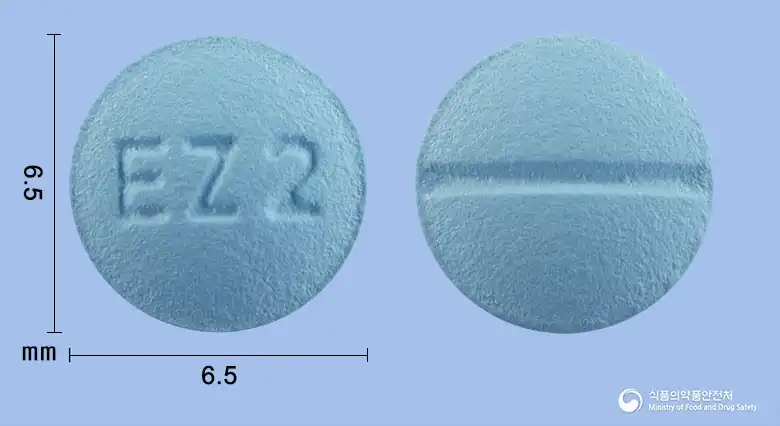
Eszopiclone 2mg
Tablet · Prescription medication
Huons Co., Ltd.
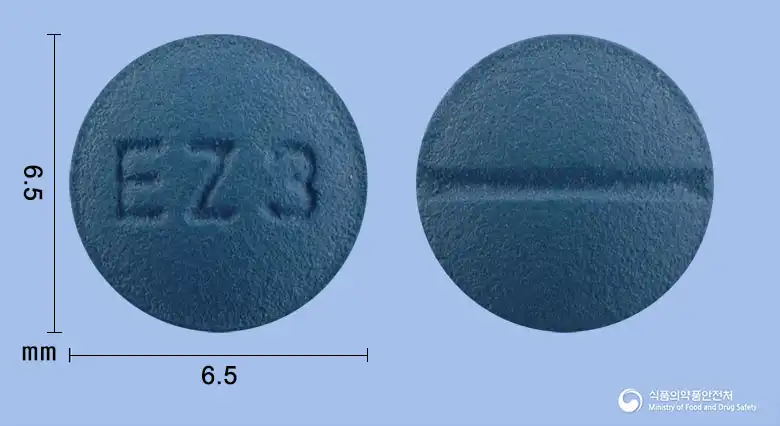
Eszopiclone 3mg
Tablet · Prescription medication
Huons Co., Ltd.
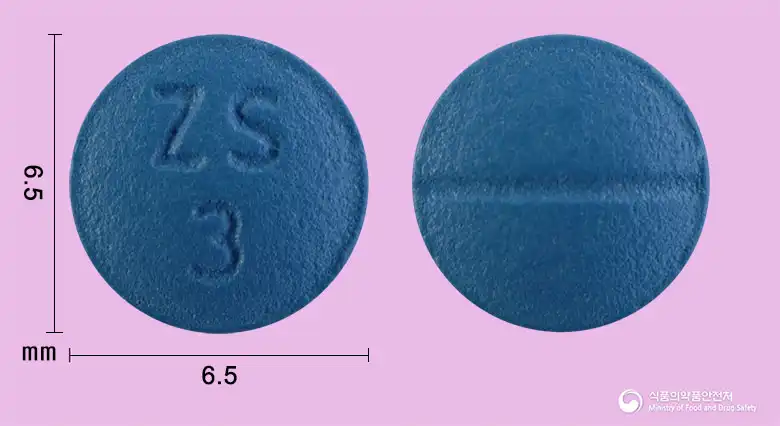
Eszopiclone 3mg
Tablet · Prescription medication
Myungjin Pharmaceutical Co., Ltd.
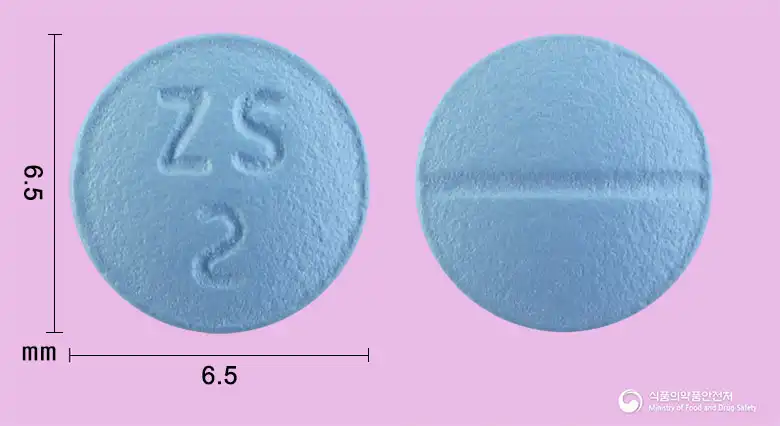
Eszopiclone 2mg
Tablet · Prescription medication
Myungjin Pharmaceutical Co., Ltd.
Eszopiclone 1mg
Tablet · Prescription medication
Hwanin Pharmaceutical Co., Ltd.
Eszopiclone 2mg
Tablet · Prescription medication
Hanin Pharmaceutical Co., Ltd.
Even with the same ingredient, the dose and directions can differ by strength and dosage form. Talk to a doctor or pharmacist before switching from a medication you are already taking.
No questions yet.
For anything that needs medical judgment, consult a doctor or pharmacist.
This drug information is based on data provided by the Korea Ministry of Food and Drug Safety.
Consult a doctor or pharmacist for accurate dosage, administration, and usage instructions.