
 한국어
 English
 日本語
 中文(简体)
 Viewing now
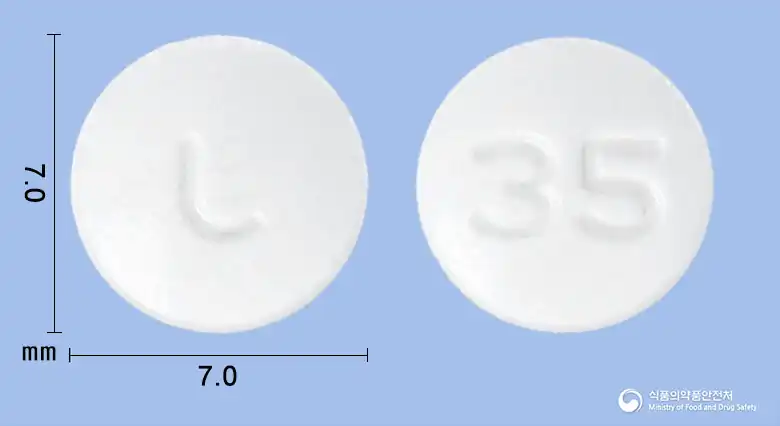
Megapio Tablet 15mg (Pioglitazone Hydrochloride)
Pioglitazone Hydrochloride 16.53mg
Tablet · Prescription medication
LNC Bio Co., Ltd.
MFDS item code 202002149 · Approved 2020.03.27 · Insurance code 060500280
Improvement of glycemic control in type 2 diabetes mellitus
This medication is used as an adjunct to diet and exercise to assist in blood sugar control for patients with type 2 diabetes. It may be administered as a standalone treatment, and in cases where there is insufficient improvement in blood sugar with existing hypoglycemic agents, it can be combined with sulfonylureas, metformin, or insulin. For type 2 diabetes patients, it is important to pursue nutritional counseling, potential weight loss, and regular exercise in addition to medication therapy. This integrated management significantly aids in maintaining initial treatment and treatment efficacy. Therefore, this medication is used to improve blood sugar control.
This drug is administered orally once daily, regardless of meals. Diabetes management should be individualized. Ideally, response to treatment should be assessed by monitoring glycated hemoglobin (HbA1c), a more accurate diagnostic measure than fasting blood glucose (FBG). Glycated hemoglobin reflects blood glucose levels over the previous 2 ~ 3 months. Clinically, this drug should be administered for an adequate period (at least 3 months) to assess changes in glycated hemoglobin, provided the patient's glycemic control does not worsen. 1. Monotherapy This drug may be initiated as monotherapy at 15 mg of pioglitazone once daily in patients whose blood glucose is not adequately controlled by diet and exercise. If an adequate effect is not achieved with the initial dose, this drug may be increased to 30 mg once daily. Combination therapy should be considered for patients who do not respond adequately to monotherapy. 2. Combination therapy 1) Sulfonylureas: This drug may be administered in combination with a sulfonylurea; the initial dose is 15 mg once daily. When used in combination with this drug, the current sulfonylurea may be continued at the same dosage regimen. However, if the patient develops symptoms of hypoglycemia, the sulfonylurea dose should be reduced. 2) Metformin: This drug may be administered in combination with metformin; the initial dose is 15 mg once daily. When used in combination with this drug, the current metformin may be continued at the same dosage regimen. It is unlikely that the metformin dose will need to be adjusted due to hypoglycemia during combination therapy with this drug. 3) Insulin: This drug may be administered in combination with insulin at a dose of 15 mg once daily. The current insulin dose may be continued when starting combination therapy. However, if a patient receiving this drug with insulin develops symptoms of hypoglycemia or the plasma glucose concentration decreases to 100 mg/dL or less, the insulin dose may be reduced by 10 ~ 25 %. Subsequent dose adjustments should be individualized according to glycemic control. • Maximum recommended dose For monotherapy or combination therapy with a sulfonylurea, metformin, or insulin, doses exceeding 30 mg once daily are not recommended. Dose adjustment is not recommended in patients with renal impairment (see the Precautions section, Patients with renal impairment). Treatment with this drug should not be initiated if the patient has clinical evidence of active liver disease or elevated serum aminotransferase levels (at least 2.5 times the upper limit of normal [ALT]) at the time of treatment initiation (see Adverse Reactions and Precautions, Effects on the liver). Monitoring of liver enzymes is recommended in all patients before starting treatment with this drug and periodically thereafter. There are no data on the administration of this drug in combination with other thiazolidinediones.
Use is not recommended in children under 18 years of age because there is no experience with use in this population.
This medication is used for the treatment of type 2 diabetes and acts to improve insulin resistance. It may affect heart function in some patients, so it should not be administered to patients with congestive heart failure or a history of it. If symptoms of heart failure like rapid weight gain, shortness of breath, or swelling occur, a doctor's evaluation should be sought immediately. This medication can cause fluid retention and worsen heart failure, so it should be used with caution in patients with heart disease or edema. Patients with active bladder cancer or a history of bladder cancer should not take this medication, and if hematuria or urinary problems occur, healthcare professionals should be informed immediately. Patients with impaired liver function or severe renal dysfunction need caution with this medication, and regular liver function tests should be conducted during treatment. This medication carries a risk of hypoglycemia, so when used in combination with insulin or other hypoglycemic agents, patients should be well-informed about hypoglycemic symptoms, and dose adjustments of concomitant medications may be necessary. Additionally, this medication may cause weight gain and edema, so patients should periodically monitor weight changes and inform healthcare professionals if edema symptoms worsen. In premenopausal women, this medication may stimulate ovulation, increasing the risk of pregnancy, so appropriate contraceptive measures should be used. Elderly patients or those with compromised renal or liver function require more careful monitoring during use of this medication. Patients receiving this medication should regularly monitor blood sugar and liver function tests, and consult healthcare professionals if any unusual symptoms arise. Drug interactions are possible, so if other medications are being taken, it is essential to inform healthcare professionals, particularly when co-administered with CYP2C8 inhibitors or inducers. Women who are pregnant or may become pregnant should consult with healthcare professionals before using this medication, and breastfeeding women should also decide after consulting experts.
Congestive heart failure, excessive and rapid weight change, shortness of breath, edema, fluid retention, inadequate blood sugar control, upper respiratory infection, headache, sinusitis, myalgia, pharyngitis, edema, abdominal distension, weight gain, hypoglycemia, urinary tract infection, low back pain, dizziness, diarrhea, elevated serum creatine kinase, hypertension, heart failure, limb pain, chest pain, death due to cardiovascular predisposition, exacerbation of congestive heart failure, emergency room visit due to congestive heart failure, cardiovascular anomalies, liver failure, diabetic macular edema accompanied by vision decrease, liver function abnormalities, macular edema, fractures, increased blood sugar, loss of appetite, constipation, upper abdominal pain, chest pain, fatigue, weakness, indigestion, nausea, shortness of breath, itching, chest discomfort, tremors, chills, gastrointestinal disease, abdominal pain, epigastric discomfort, numbness, muscle rigidity, head discomfort, worsening of liver disease, hives, eczema, arthralgia, knee abnormalities, arm weakness, proteinuria, increased serum creatinine, anxiety, insomnia, drowsiness, simple herpes, blurred vision, orthostatic hypotension, palpitations, stroke, sexual dysfunction, myocardial infarction
Not everyone experiences these, and they can vary from person to person.
This medication should be stored in an airtight container that is not exposed to light and kept away from humid places. To maintain the efficacy of the medication, it is best to store it in a cool place between 15 degrees and 30 degrees, especially around 25 degrees.
White to grayish round and convex tablet
30 tablets/bottle, 300 tablets/bottle
Even with the same ingredient, strength, dosage form and how it is taken can differ.
Viewing nowPioglitazone Hydrochloride 16.53mg
Tablet · Prescription medication
LNC Bio Co., Ltd.
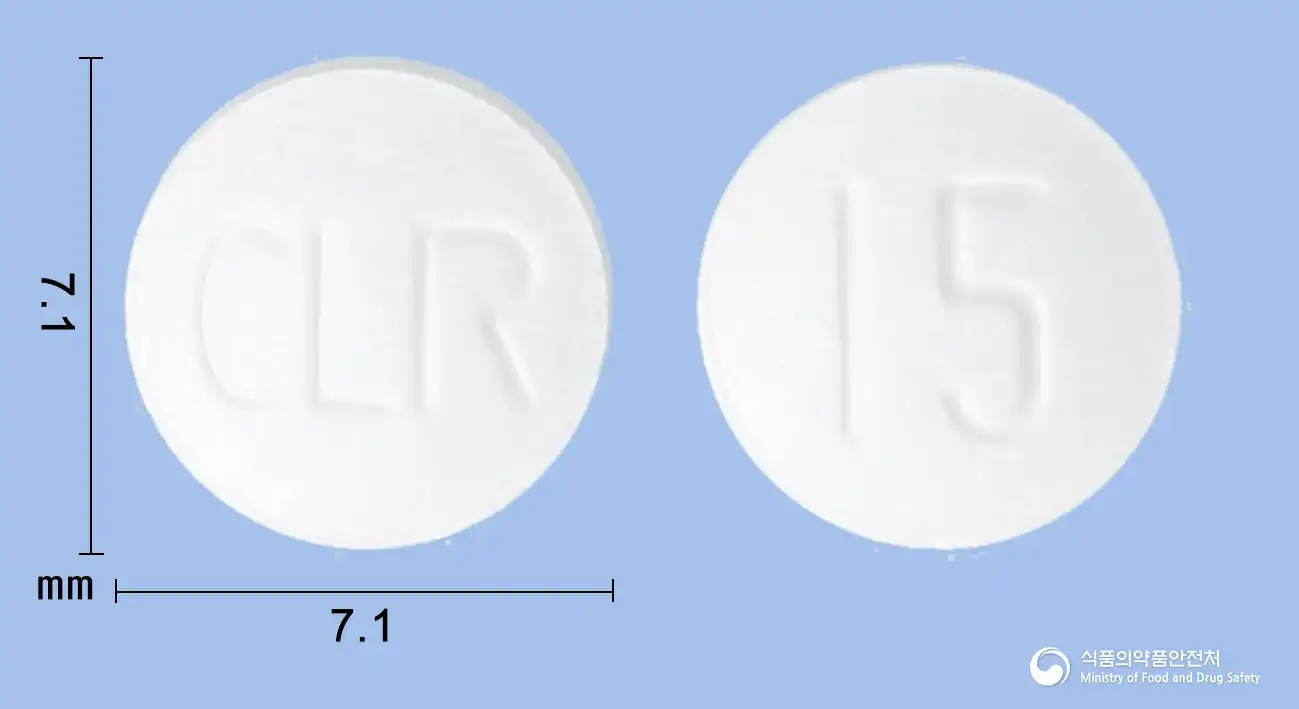
Pioglitazone Hydrochloride 16.53mg
Tablet · Prescription medication
Celltrion Pharmaceutical Co., Ltd.
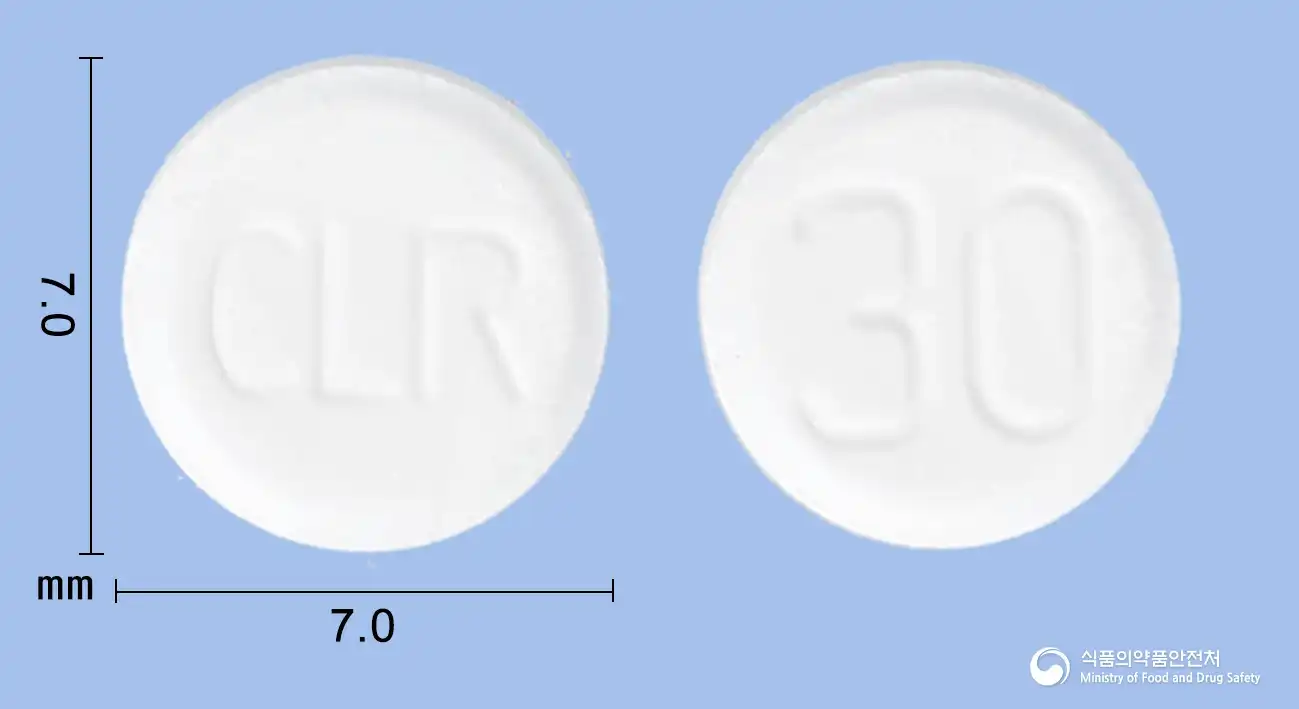
Pioglitazone Hydrochloride 33.06mg
Tablet · Prescription medication
Celltrion Pharmaceutical Co., Ltd.
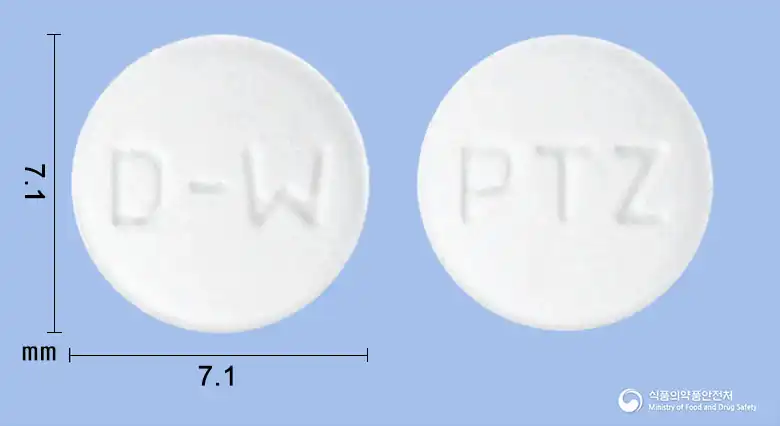
Pioglitazone Hydrochloride 16.53mg
Tablet · Prescription medication
Dongwha Pharmaceutical Co., Ltd.
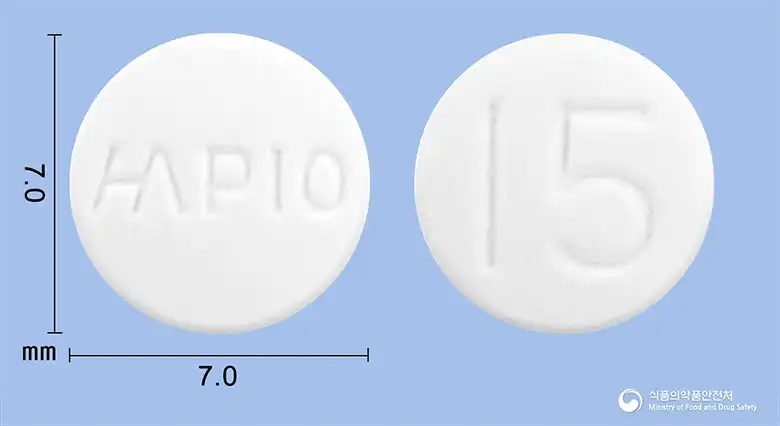
Pioglitazone Hydrochloride 16.53mg
Tablet · Prescription medication
Hanol Bio Pharma Co., Ltd.
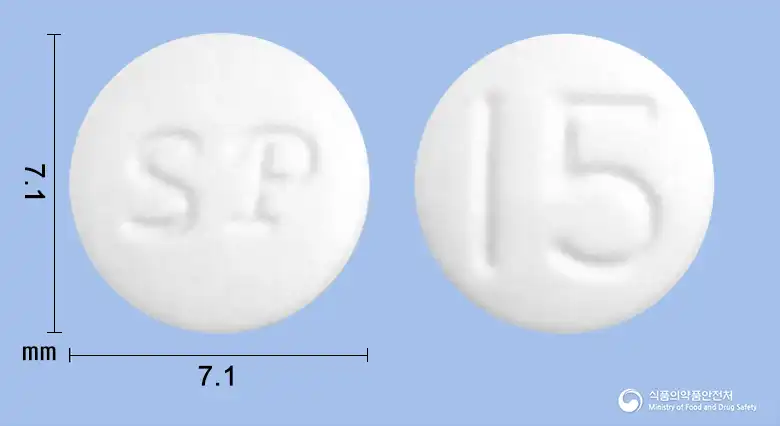
Pioglitazone Hydrochloride 16.53mg
Tablet · Prescription medication
Shinpoong Pharmaceutical Co., Ltd.
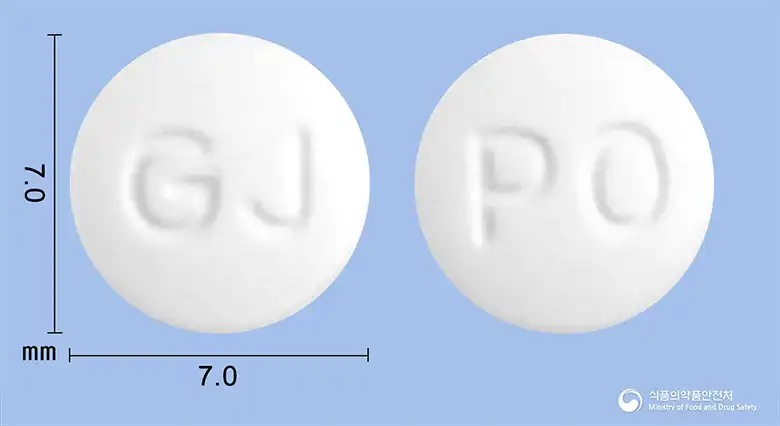
Pioglitazone Hydrochloride 16.53mg
Tablet · Prescription medication
Kujoo Pharmaceutical Co., Ltd.
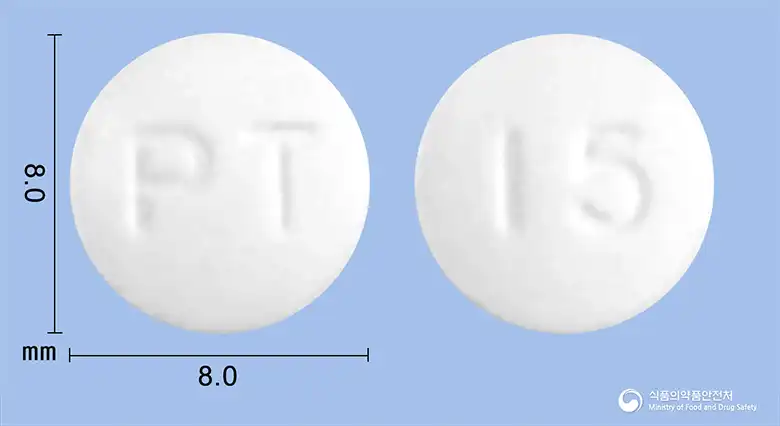
Pioglitazone Hydrochloride 16.53mg
Tablet · Prescription medication
Kyungdong Pharm Co., Ltd.
Even with the same ingredient, the dose and directions can differ by strength and dosage form. Talk to a doctor or pharmacist before switching from a medication you are already taking.
No questions yet.
For anything that needs medical judgment, consult a doctor or pharmacist.
This drug information is based on data provided by the Korea Ministry of Food and Drug Safety.
Consult a doctor or pharmacist for accurate dosage, administration, and usage instructions.