
 한국어
한국어 English
 日本語
日本語 中文(简体)
Dosage form image
Viewing nowDicen Plus Cataplasm (Diclofenac Sodium)
Diclofenac Sodium 96mg
OTC medication
TDS Pharm Co., Ltd.
MFDS item code 202002110 · Approved 2020.03.26
Relief of osteoarthritis and musculoskeletal pain
This medication is used for osteoarthritis, adhesive capsulitis, tendinitis and tenosynovitis, elbow pain (tennis elbow), myalgia, and post-traumatic swelling and pain.
Apply 1 sheet once a day to the affected area.
This medication should not be used by those who are allergic to specific components or have hypersensitivity. Individuals with a history of asthma or sensitivity to non-steroidal anti-inflammatory drugs such as aspirin may experience asthma attacks when using this medication, so they should avoid it. It is safer not to use this medication in children under 18 years of age, pregnant women after 5 months of pregnancy, breastfeeding women, and patients with peptic ulcers. When using this medication, do not apply or take other diclofenac formulations or non-steroidal anti-inflammatory drugs concurrently. Do not use it continuously for more than 2 weeks or apply it to areas with wounds or infections, eyes, or mucous membranes. Additionally, do not use sealing bandage techniques without a doctor's guidance. Patients with asthma or those being treated for other conditions should consult with a doctor or pharmacist before using this medication. Care should be taken as there is a risk of seizures when taken with certain antibiotics. It should only be used in the first and second trimesters of pregnancy if necessary, at the minimum effective dose, and it is advisable not to use it in the third trimester. Breastfeeding women should avoid using this medication as it may be transmitted through breast milk. Elderly patients should use it cautiously at the minimum necessary dose since they are at higher risk for cardiovascular, gastrointestinal, and renal side effects. Attention is needed as this medication can cause allergic reactions or worsen asthma symptoms. If any unusual symptoms occur such as redness, rash, itching, swelling, or blisters during use, discontinue immediately and consult a doctor or pharmacist. Rarely, severe allergic reactions such as hives or difficulty breathing may occur, so be cautious. This medication alleviates symptoms like pain and swelling but does not treat the underlying disease. When taken with some diuretics, renal function may deteriorate, so kidney function should be monitored as directed by a physician. There is also a risk of gastrointestinal bleeding or ulcers, so when used with medications that increase bleeding risk, medical supervision is needed. This medication should be kept out of the reach of children and stored in a cool, dry place away from direct sunlight. To maintain quality, it is advisable not to transfer it to other containers.
Not everyone experiences these, and they can vary from person to person.
Do not apply or take diclofenac formulations or non-steroidal anti-inflammatory drugs topically or orally. Consult your doctor or pharmacist when taking with fluoroquinolone antibiotics, loop diuretics, thiazide diuretics, anticoagulants, antiplatelet drugs, selective serotonin reuptake inhibitors, and serotonin norepinephrine reuptake inhibitors.
This medication may be sensitive to air or moisture, so it must be stored in a tightly sealed container. It is best to maintain a storage temperature between 1 degree and 30 degrees Celsius. This will help maintain the medication's effectiveness and prevent degradation.
Type 1, Type 3, Type 5) This medication is a viscous substance coated on a substrate with a unique fragrance, white or pale yellow in color. Type 2, Type 4, Type 6, Type 7) This medication is white.
6 sheets per pack
Even with the same ingredient, strength, dosage form and how it is taken can differ.
Diclofenac Sodium 96mg
OTC medication
TDS Pharm Co., Ltd.
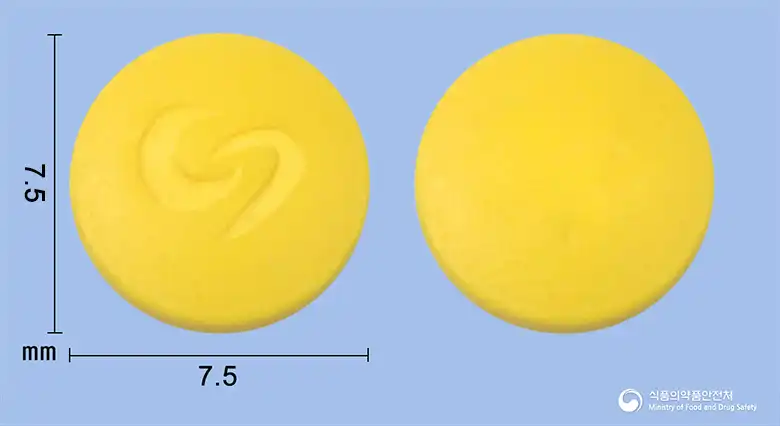
Diclofenac Sodium 25mg
Tablet · Prescription medication
Dongkwang Pharmaceutical Co., Ltd.
Diclofenac Sodium 75mg
Prescription medication
Ajou Pharmaceuticals Co., Ltd.
Diclofenac Sodium 37.5mg
Prescription medication
Hwanin Pharmaceutical Co., Ltd.
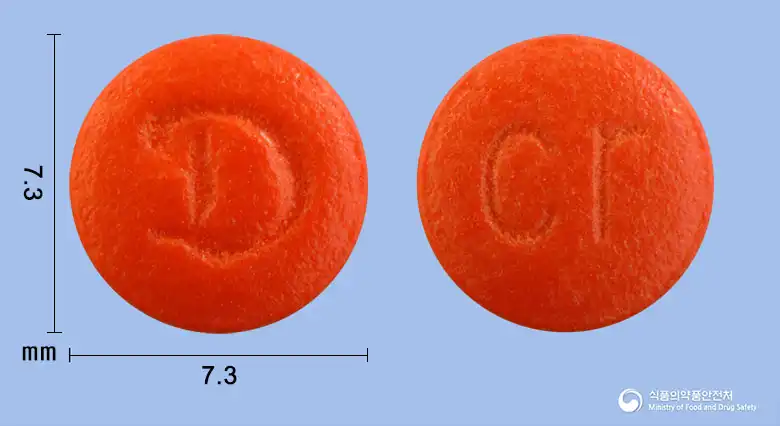
Diclofenac Sodium 25mg
Tablet · Prescription medication
GL Pharma Co., Ltd.
Diclofenac Sodium 75mg
Solution · Prescription medication
YuYoung Pharmaceutical Co., Ltd.
Diclofenac Sodium 37.5mg
Prescription medication
Daehwa Pharmaceutical Co., Ltd.
Diclofenac Sodium 37.5mg
Prescription medication
Dongkwang Pharmaceutical Co., Ltd.
Even with the same ingredient, the dose and directions can differ by strength and dosage form. Talk to a doctor or pharmacist before switching from a medication you are already taking.
No questions yet.
For anything that needs medical judgment, consult a doctor or pharmacist.
This drug information is based on data provided by the Korea Ministry of Food and Drug Safety.
Consult a doctor or pharmacist for accurate dosage, administration, and usage instructions.